


Chicken Caesar Wrap — Why Toasting the Tortilla Changes Everything
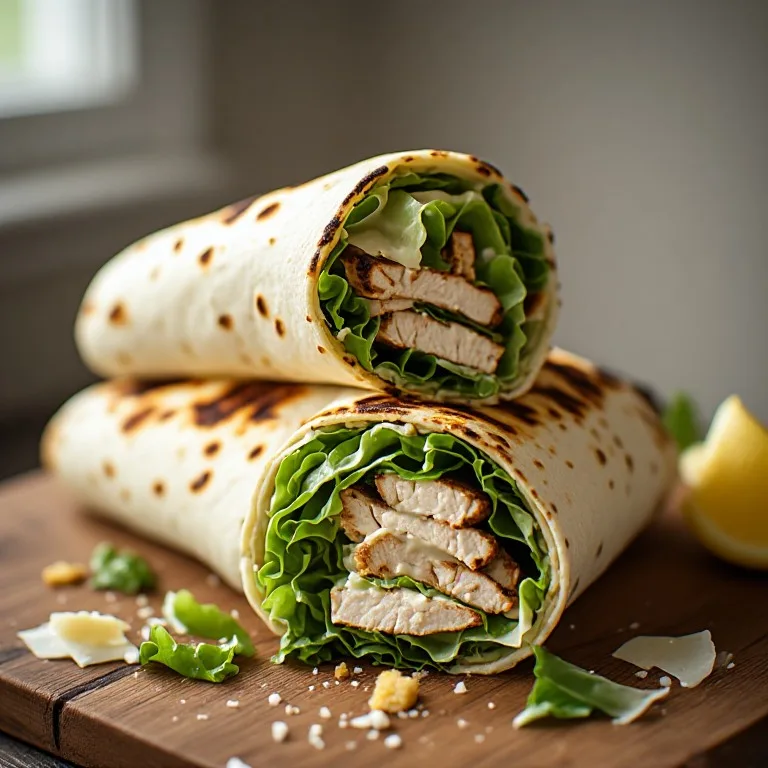
The chicken Caesar wrap has been a lunch staple for two decades. It was not, until TikTok, considered particularly exciting. Then a wave of creators started showing the step that home cooks had been skipping: toasting the tortilla dry in a skillet before wrapping, and the response was immediate. “I’ve been making these wrong my whole life.” The toasted tortilla holds moisture better, adds mild char that tastes like actual care was taken, and gives the wrap an exterior that grips itself when rolled rather than sliding open on the plate.
The recipe is not complicated. It’s the commitment to doing each step properly that elevates it from sad desk lunch to something you’d order at a real restaurant.
Making Caesar Dressing Without Anchovies
Classic Caesar dressing requires anchovies — they provide the intense umami and salt that make the dressing taste layered and complex rather than just creamy and lemony. Home cooks who don’t keep anchovies on hand (most of them) often skip the ingredient and wonder why their homemade Caesar never quite matches the restaurant version.
The substitute here is Worcestershire sauce, which contains anchovies in its ingredient list — providing similar savory depth without requiring you to open a tin of fish. Combined with Dijon mustard (which adds both body and sharpness), plenty of fresh garlic, and real Parmesan, this is a Caesar dressing that outperforms most bottled versions and takes three minutes to make.
The Chicken Preparation
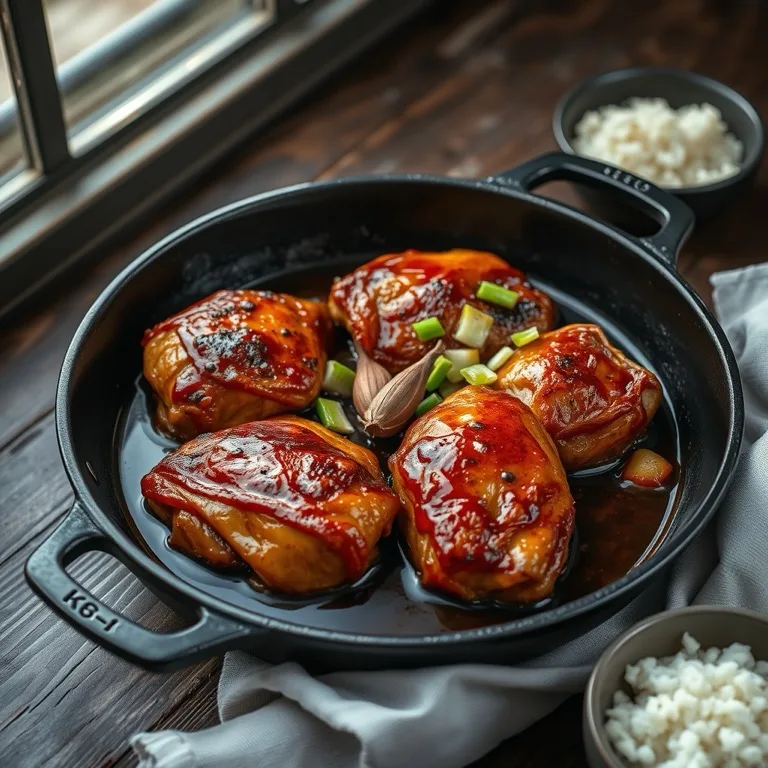
The sear matters. A flat, butterflied chicken breast cooked properly in a cast-iron skillet develops a crust that tastes seasoned and intentional rather than just cooked through. The smoked paprika in the spice mix creates the visual appeal — the slight redness on the surface of the sliced chicken against the pale green romaine.
Slice thin, against the grain, after resting. The rest prevents juice loss; the thin slicing ensures each bite of wrap contains chicken in every mouthful rather than a single large piece that pulls out of the wrap when bitten.
The Assembly Technique
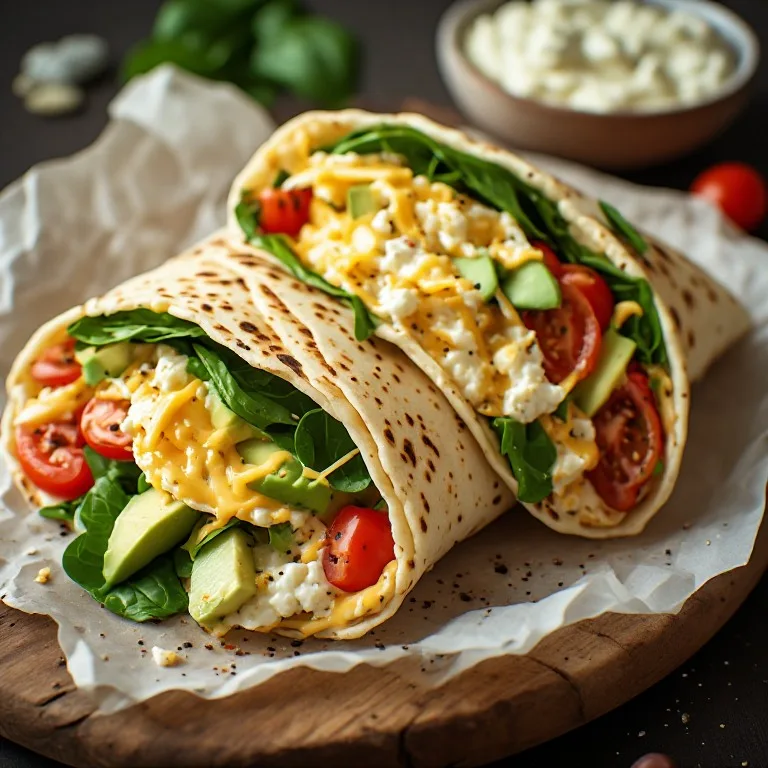
Wraps fail because they’re overfilled or rolled carelessly. Keep it honest: three cups of dressed salad for four wraps is correct — each wrap gets a modest portion that sits comfortably inside a 10-inch tortilla. The chicken goes on top of the salad. Fold the sides in firmly, hold them in as you roll the bottom up and over.
Cutting diagonally is not optional. The diagonal cross-section reveals the layers inside and makes every bite contain all the components. Straight cuts produce uneven ends.
Three Variations
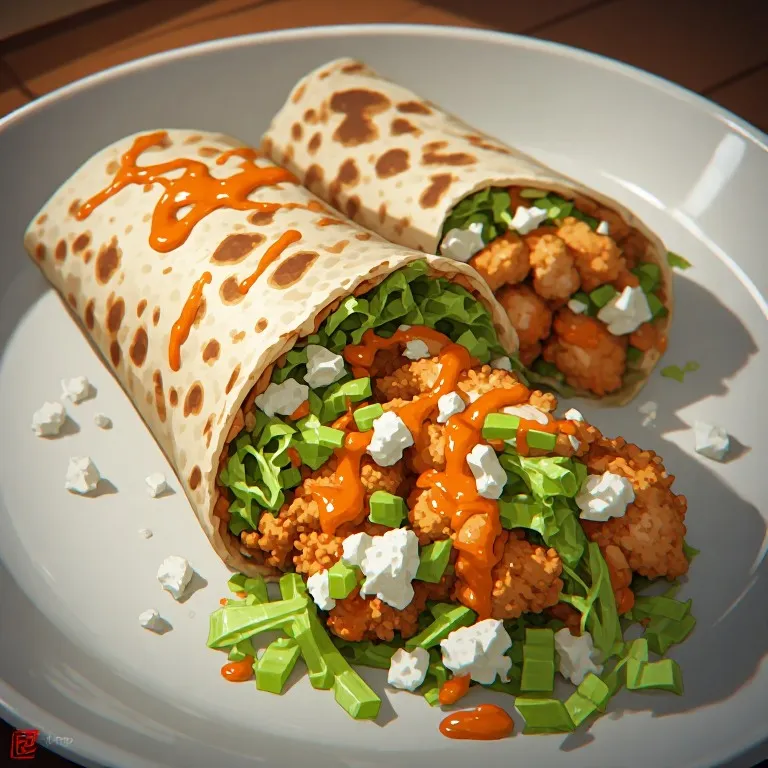
Crispy chicken caesar wrap: Use breaded chicken tenders or strips — air-fried at 400°F for 12 minutes — instead of grilled chicken. The crunch from the breading against the romaine adds a textural dimension that the grilled version lacks. This version is the one most commonly shown in viral TikToks because the cross-section is visually dramatic.
Caesar wrap with roasted red pepper: Add 2 tablespoons of jarred roasted red peppers (patted dry) per wrap. The sweet, slightly smoky pepper against the salty Caesar dressing is a classic Italian combination. Sun-dried tomatoes (oil-packed, patted dry) work the same way.
Greek chicken caesar: Replace the Caesar dressing with a lemon-herb Greek yogurt dressing (plain yogurt, lemon, garlic, dill, salt), add sliced cucumber and Kalamata olives, and swap the Parmesan for crumbled feta. Different flavor profile, same architecture, and notably lighter.