


Pin It

Viral TikTok Cottage Cheese Wrap (34g Protein, 2 Ingredients, No Flour)

Viral TikTok Cottage Cheese Wrap (34g Protein, 2 Ingredients, No Flour)
Jump to Recipe
Prep 5 min Cook 35–40 min Serves 1 large wrap
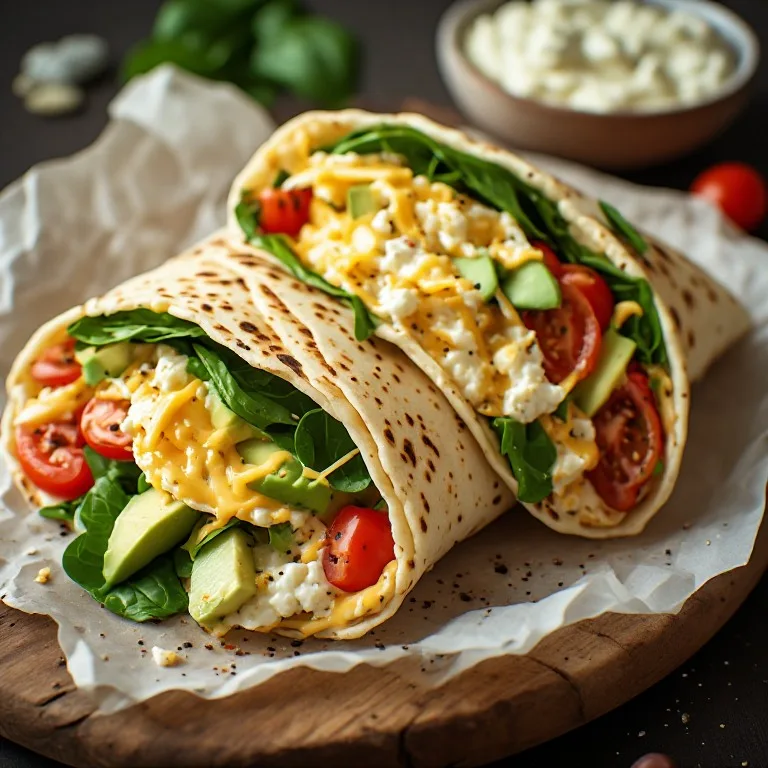
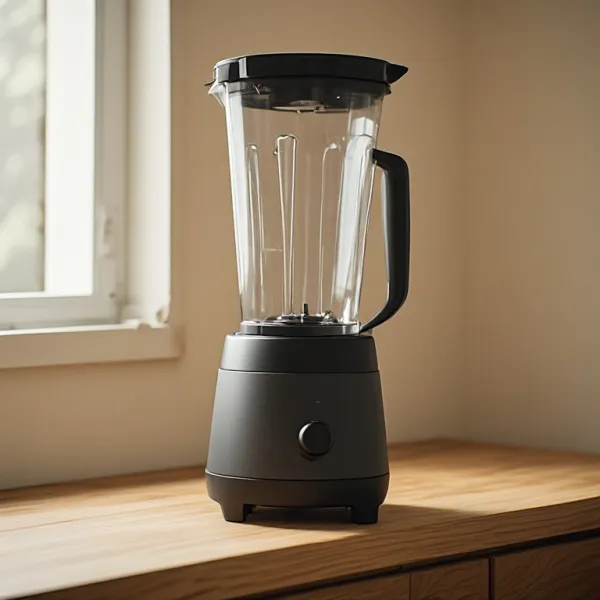
Quick answer: Blend 1 cup full-fat cottage cheese + ⅓ cup egg whites + seasonings until completely smooth, about 30 seconds. Pour onto a parchment-lined baking sheet and spread thin — aim for a 10"×12" oval, roughly ¼ inch thick. Bake at 350°F for 35–40 minutes until the surface is golden, the edges lift cleanly from the parchment, and the center is fully set. Cool on the pan for 5 full minutes before attempting to fold — hot it tears, room-temperature it bends. Fill, fold sides in, roll like a burrito. One wrap: ~34g protein, ~260 calories, no flour.

Viral TikTok Cottage Cheese Wrap (34g Protein, 2 Ingredients, No Flour)

The real technique: 1 cup cottage cheese + ⅓ cup egg whites, blended smooth, spread THIN on parchment, baked 350°F for 35–40 min. Cool 5 full minutes before folding — hot it tears, cool it bends. One wrap = ~34g protein, ~260 calories, zero flour, no store-bought carb wrap needed.

Easy Prep: 5 min Cook: 35–40 min Total: 45 min1 large wrap servings ~$2.45/serving
Prep5 min
Cook35–40 min
Total45 min
Servings
1
At home~$2.45/serving
vs
Restaurant~$11.02/serving
You save ~78%

The Story Behind the Recipe

The real technique: 1 cup cottage cheese + ⅓ cup egg whites, blended smooth, spread THIN on parchment, baked 350°F for 35–40 min. Cool 5 full minutes before folding — hot it tears, cool it bends. One wrap = ~34g protein, ~260 calories, zero flour, no store-bought carb wrap needed.

Nutrition Facts

Per serving (1 large wrap servings)
Calories260
Total Fat9g
Total Carbs8g
Dietary Fiber0g
Sugars6g
Protein34g
Sodium780mg

* Estimated values based on standard recipe preparation. Actual values may vary.

Ingredients

Instructions

💡
Pro tip: This recipe tastes even better the next day. The flavors need time to meld together in the fridge.
❄️
Storage: Keeps in an airtight container in the fridge for up to 2 weeks. Freezer-friendly for up to 3 months.
🎃 Free Halloween cookbook — download now The Copycat Halloween Cookbook A ready-made, photo-illustrated PDF of our best halloween copycat recipes — free to download, no building required. Pay what you want to support if you love it.

Free PDF — instant download. We'll also send new seasonal copycat recipes now and then; unsubscribe anytime. Or just download it →

Viral TikTok Cottage Cheese Wrap — 34g Protein, 2 Ingredients, No Flour

Prep: 5 min | Bake: 35–40 min | Cool: 5 min | Makes: 1 large wrap | Protein: ~34g | Calories: ~260

The TikTok cottage cheese wrap solves the problem no store-bought low-carb wrap has ever actually solved: a high-protein sandwich vehicle that doesn’t tear when you fold it, doesn’t taste like cardboard, and holds together through the whole lunch.

The recipe is two ingredients — cottage cheese and egg whites — blended smooth, spread thin on parchment, and baked at 350°F for 35–40 minutes. The result is a large, flexible sheet with roughly 34 grams of protein and about 260 calories. No flour, no protein powder, no specialty ingredients. (Exact protein depends on your cottage cheese: standard 4% brands land around 34g; higher-protein brands like Good Culture push a single wrap closer to 37g.)

The technique is specific in two places: how thin you spread it (thinner than you think), and how long you cool it before folding (longer than feels necessary). Get those two things right and the wrap bends cleanly. Skip either one and you get a flatbread that cracks.

Why This Went Viral

The cottage cheese wrap emerged from the same TikTok wave as the flatbread, the tacos, and the pancakes — the realization that blended cottage cheese, when combined with eggs and baked, produces a high-protein base that holds together as a food vehicle. The wrap version gained traction specifically because it solves a real problem: low-carb and high-protein wraps are one of the most common meal prep requests, and most store-bought options either taste like nothing (Joseph’s lavash) or tear the moment you try to roll them.

The cottage cheese wrap delivers about 34g of protein in the wrap itself — before any filling — which is more protein than most people’s entire lunch. For the meal prep crowd, it’s a genuinely useful format: make 4–5 wraps at once, refrigerate stacked with parchment, grab and fill each day.

The One Technique That Makes or Breaks It

Spread It Thin. Then Spread It a Little Thinner.

The spread thickness controls everything: flexibility, baking time, and whether the wrap bends or cracks after cooling.

A common mistake is spreading to a thick 8”×8” because the mixture looks like it won’t stretch further. It will. The target is a 10”×12” oval at roughly ¼ inch thick. At that thickness, the wrap bakes through evenly in 35–40 minutes and becomes genuinely pliable once cooled. A thick spread takes longer to cook through and becomes more flatbread-like — firm and break-prone when folded.

Use the back of a large spoon in long, smooth strokes from the center outward. The mixture is viscous and won’t run on its own, so you have to actively push it. You’ve spread it correctly when you can’t see through the mixture to the parchment, but it’s visibly thinner than a flatbread.

Cool for 5 Full Minutes Before Folding

The wrap comes out of the oven structurally intact but thermally stressed — the protein has cooked but hasn’t finished setting. At that moment, it’s fragile. Five minutes of cooling relaxes the protein network and creates flexibility. This is the same principle behind resting a steak — the structure needs time to settle after high heat.

After 5 minutes, the wrap goes from “tears if I look at it wrong” to “bends around a full burrito filling without cracking.” After 10 minutes it’s fully relaxed and the easiest to work with. If you’re meal prepping, you can cool completely and refrigerate — they’re just as pliable straight from the fridge.

Filling Combinations That Work

The wrap is savory and mild — it works with anything you’d put in a flour tortilla or sandwich bread.

Mediterranean: Hummus + sliced cucumber + grape tomatoes + crumbled feta + a few Kalamata olives + dried oregano. The wrap’s garlic-herb seasoning aligns with the filling. No heat needed. ~42g protein total.

Buffalo chicken: Shredded rotisserie chicken tossed in buffalo sauce + thinly sliced celery + blue cheese crumble + a drizzle of ranch. Keep the saucy components toward the center so they don’t saturate the edges and cause tears. ~52g protein total.

Turkey avocado: Deli turkey + ½ avocado (sliced or mashed) + romaine + thin-sliced red onion + a squeeze of lemon + Dijon. Simple, fast, high-protein. ~47g protein total.

Egg salad: 3 hard-boiled eggs, roughly chopped + 2 tbsp Greek yogurt + 1 tsp Dijon + fresh dill + salt + pepper. The yogurt stands in for mayo at one-quarter the calories. ~57g protein total.

Caprese: Fresh mozzarella + sliced tomato + fresh basil + a thin drizzle of olive oil + flaky salt + cracked pepper. Warm briefly in the oven (3 min at 375°F after filling) for a pressed-wrap effect. ~42g protein total.

How to Meal Prep 4–5 Wraps at Once

The wrap batter can be multiplied directly — the ratio (1 cup cottage cheese : ⅓ cup egg whites) scales without issues. For a 5-wrap batch: 5 cups cottage cheese + 1⅔ cups egg whites.

The only constraint is oven space. Each wrap needs its own sheet pan (trying to spread two wraps on one large pan usually means one is thicker than the other). Bake in batches or use the upper and lower oven racks simultaneously, rotating pans halfway through.

Once cooled, stack the wraps with a square of parchment paper between each one — this prevents sticking. Store in an airtight container in the refrigerator for up to 4 days. Wraps don’t freeze well (they lose flexibility after thawing), so refrigerator storage is the right format.

How This Fits the Cottage Cheese Lineup

The site now covers four distinct uses for the same base ingredient:

FormatEggsSpread sizeThicknessTextureBest use
Wrap (this page)Egg whites10”×12”¼ inchPliable, foldableRoll-up sandwiches
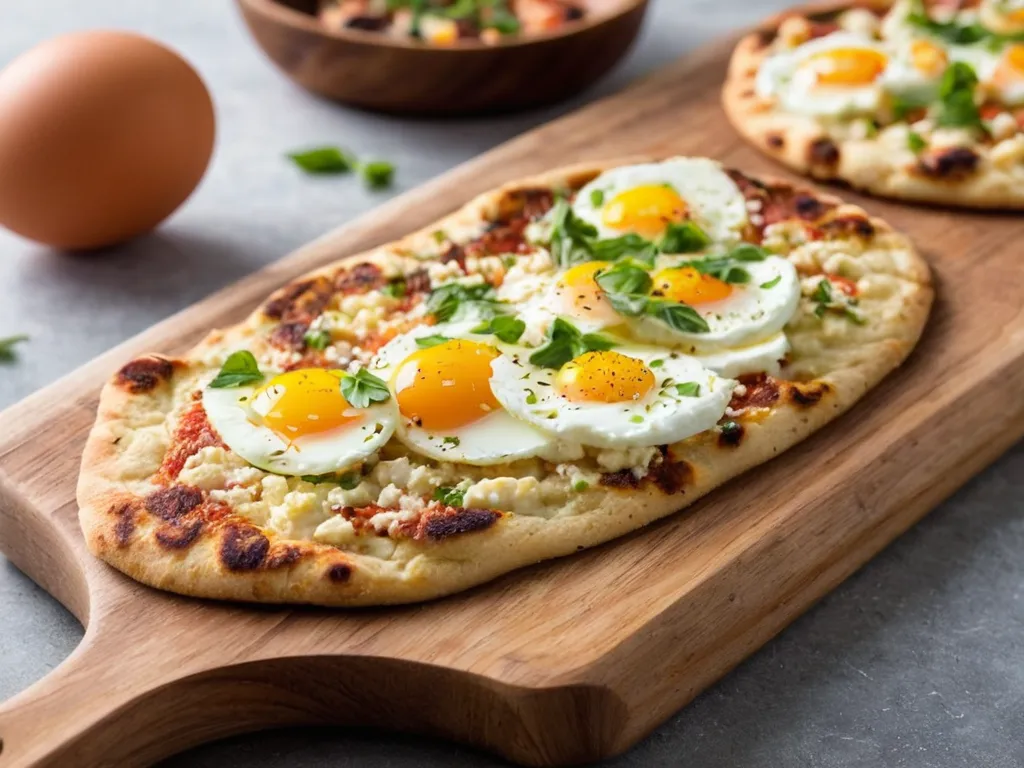
FlatbreadWhole eggs8”×10”⅓ inchSturdy, holds toppingsPizza base, open-face
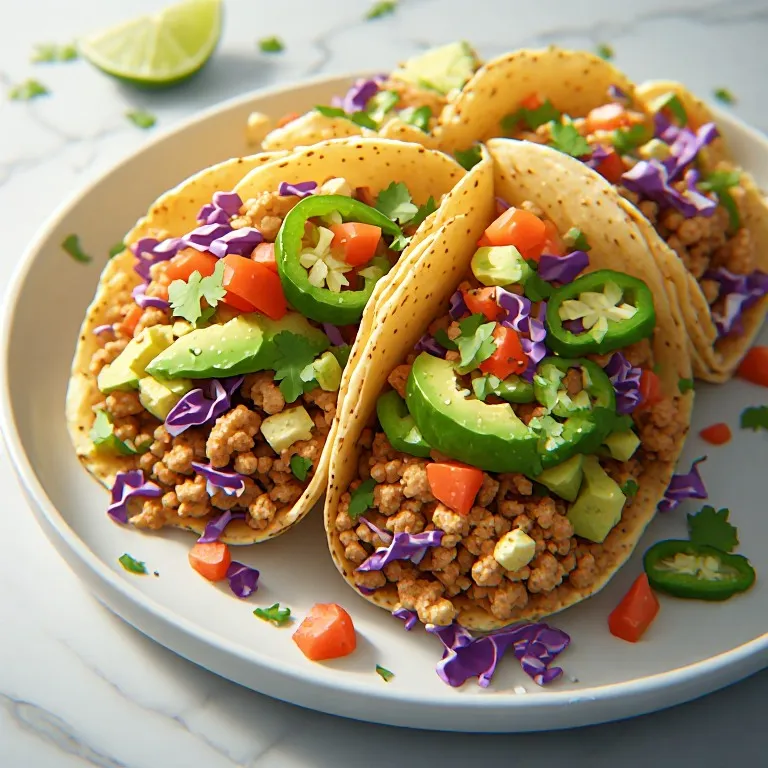
Taco shellsEgg whitesSmall circlesThinSlightly crisp edgesTacos, small vessels
PancakesWhole eggs + oatsPan-cookedStandardFluffy, stackableBreakfast stack

Same two-ingredient core; different ratios, spreads, and temperatures; four completely different results. The wrap is the lunch-and-dinner vehicle — the format you reach for when you need something to hold a filling rather than be topped or eaten as-is.
🥗

Make It Healthier

Love Viral TikTok Cottage Cheese Wrap (34g Protein, 2 Ingredients, No Flour) but want a lighter version? Try these simple swaps:

  • ✓Full-fat (4%) cottage cheese holds together better than low-fat versions because higher fat content improves cohesion during baking. Low-fat (2%) works but produces a slightly more fragile wrap — increase the egg whites by 1 tablespoon to compensate. Non-fat is not recommended; the resulting wrap is brittle and tears easily.
  • ✓Carton egg whites (like Egg Beaters or store brand) are the most convenient — no wasted yolks, easy to measure ⅓ cup exactly. Fresh egg whites (from 2 large eggs) work equally well. Do not substitute whole eggs here if flexibility is the goal — the higher fat from yolks produces a firmer, slightly denser wrap, closer to a flatbread than a pliable wrap. Whole eggs are fine if you prefer the richer flavor and don't mind a less flexible result.
  • ✓Season the blend for the filling you plan to use: Italian herbs + garlic for a Mediterranean wrap; cumin + paprika + chili powder for taco-style; everything bagel seasoning for a deli-style wrap. The seasoning bakes into the wrap itself, so the wrap's flavor works with the filling rather than being neutral.
  • ✓Watching sodium? Cottage cheese is the main sodium source here — a standard 4% cup runs 700–860mg on its own, so the finished wrap lands near 780mg. Use a low-sodium cottage cheese (Good Culture and Friendship both make one around 330mg per ½ cup) and skip the added ⅛ tsp salt to bring the whole wrap under 400mg without changing the technique.

Frequently Asked Questions

What's the difference between this and the cottage cheese flatbread?

Three meaningful differences. (1) Thickness and spread: the flatbread is typically baked in a smaller area (8"×10" or as a standalone circle), producing a sturdier, thicker result used as a pizza base or open-face sandwich vehicle. The wrap is spread thin over 10"×12", producing a pliable sheet you can actually fold and roll without cracking. (2) Eggs: the flatbread usually uses 2 whole eggs, which produces a richer, slightly denser result. The wrap typically uses egg whites only, which creates a lighter, more neutral wrap with a better protein-to-calorie ratio and more flexibility. (3) Use case: the flatbread is a base — it stays flat and gets topped. The wrap is a vessel — it holds fillings and folds around them. Same core ingredients, different technique, different result.

It cracked when I tried to fold it. What did I do wrong?

Almost always one of two things: (1) didn't cool long enough — if the wrap is still hot, the protein structure is still setting and the wrap has no flexibility; give it the full 5 minutes; (2) baked too thick — a thicker wrap is less pliable after cooking. If you see cracking even after cooling, your spread was too thick. Next time, spread to a larger area with slightly more pressure. A third cause: overbaking — if the wrap bakes past the golden stage to dark brown, it loses moisture and flexibility; start checking at 33 minutes.

Can I make these ahead for the week?

Yes — this is the most common reason people make them. Let wraps cool completely, then stack them with parchment paper between each layer and store in an airtight container in the refrigerator for up to 4 days. They do not need reheating before using — they're pliable straight from the fridge. If you prefer a warm wrap, 10 seconds in a dry pan over medium heat restores warmth and slight flexibility. Do not microwave — it steams the wrap and softens the texture, making it harder to handle.

How thin is 'thin'? I don't have an offset spatula.

Target ¼ inch — about the thickness of two stacked quarters. You can achieve this with the back of a large spoon: pour the mixture onto the center of the parchment, then use the round back of the spoon in long, gentle strokes to push it out toward the edges. Work from the center outward, not edge to center. The mixture is viscous enough that it won't run on its own — you have to actively spread it. If you don't spread it enough, it bakes up more like a flatbread. If you spread it too thin (can see through the parchment), it can tear at the edges — aim for the point where you can't see through the mixture but it looks evenly spread.

Does it taste like cottage cheese?

Not in a way most people notice. The blend fully homogenizes the curds, and baking sets the protein structure so there's no curd texture. The flavor is mild, slightly savory, and egg-forward — similar to a very thin egg crepe. The seasonings you blend in matter more than the cottage cheese itself: garlic + Italian herbs tastes Italian; everything bagel seasoning tastes like deli; cumin + paprika tastes like a taco shell. The cottage cheese taste is genuinely subtle once baked, especially compared to the filling you're wrapping.

Can I use this as a tortilla substitute for tacos?

Technically yes, but the [cottage cheese taco shells](/blog/viral-tiktok-cottage-cheese-tacos) are better for tacos specifically — they're baked in individual small rounds using egg whites, have a slightly crispier edge from the higher surface-to-volume ratio, and hold their shape better when filled with hot, saucy fillings. This wrap is better for cold fillings — turkey + avocado, hummus + veggies, egg salad — where you want a large, flexible vessel. Use the right format for the right filling.

Love this recipe? Share it!

Free PDF: our 12 most-wanted copycat recipes — instant download.

Made it? Buy us a coffee

Every recipe here is free, with no paywalls. If this one was a hit at your table, a small tip keeps new copycats coming.

$

Ratings & Reviews

—
No ratings yet

Rate this recipe

Click a star to rate

Leave a Review

0/500

CS

Copycat Spices Editorial

Researched + fact-checked. Every recipe on Copycat Spices is built from published sources — official ingredient lists, brand-published recipes, interviews and food-science references — and fact-checked before it goes live, then written as clear, step-by-step instructions for home cooks of all skill levels.

Learn more about our mission →