
Viral TikTok Cottage Cheese Tacos — The High-Protein Shell That Broke the Internet
Prep: 10 min | Cook: 22 min (oven) or 10 min (air fryer) | Makes: 4 shells | Protein per shell: ~10g | Carbs per shell: ~2g
Cottage cheese tacos are what happens when you realize the same ingredient that makes the viral flatbread also makes individual taco-shaped shells. The batter is simpler — cottage cheese, egg whites, salt, and a pinch of spice — and the key technique is the one most tutorials skip: draping each shell over a foil roll while it’s still warm so the protein structure locks in the curve as it cools.
The result is a grain-free, gluten-free taco shell with roughly 10g protein and 2g carbs per piece. Load it with seasoned beef and cheese and you’re at 30g+ protein per taco. This is why the trend went viral enough to cause actual cottage cheese shortages in 2024.
What Went Viral (And Why)
The cottage cheese taco trend peaked in mid-2024, riding the same wave as cottage cheese flatbread, cottage cheese ice cream, and cottage cheese pasta sauce. The common thread was protein content — cottage cheese has roughly 12g protein per half cup — combined with versatility that most high-protein ingredients lack.
What made the taco shell specifically compelling: it solved a real frustration. Standard low-carb tortilla alternatives (almond flour, coconut flour, cassava) have issues — they crack when cold, gum up when warm, or require specialty ingredients. The cottage cheese shell uses two things most people already have, takes 10 minutes of active work, and delivers a shell that actually holds toppings without disintegrating.
The trend was significant enough to trigger a real shortage: U.S. cottage cheese sales climbed about 20% from mid-2024 to mid-2025, and Good Culture publicly acknowledged it couldn’t keep product on shelves as demand outpaced production. It was the first time cottage cheese went viral in any meaningful way since the 1970s low-fat diet era — and for the exact opposite reason. This version isn’t diet food; it’s a protein delivery vehicle.
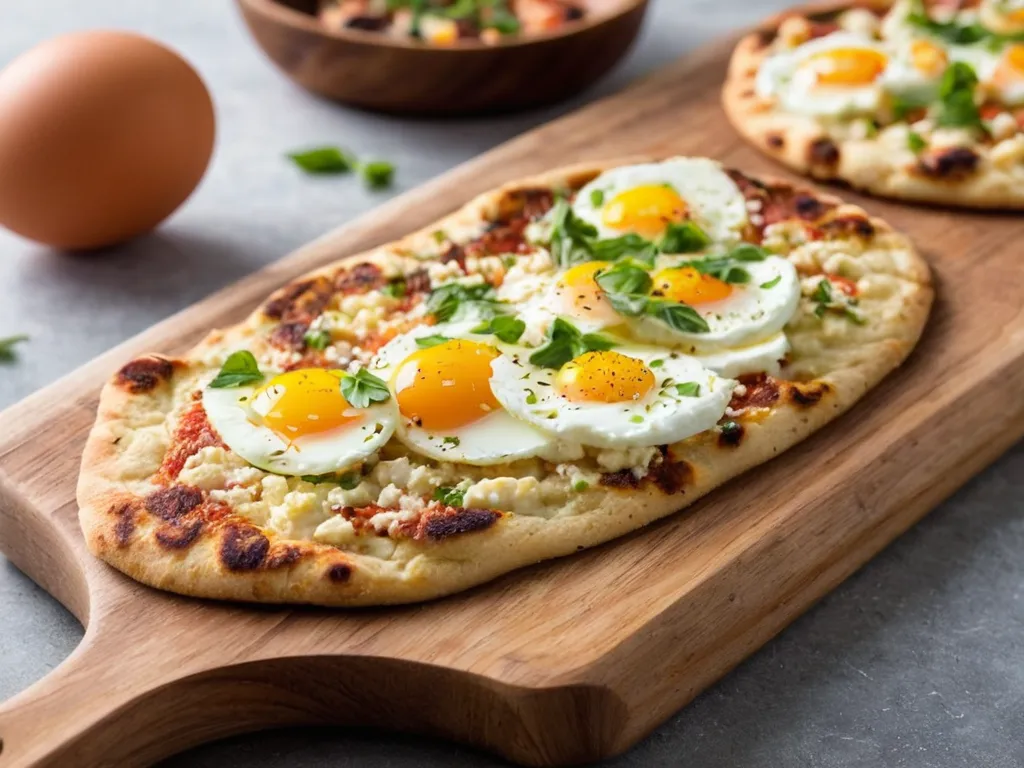
Why This Is Different From Cottage Cheese Flatbread
Same base ingredient, meaningfully different recipe:
| Cottage Cheese Flatbread | Cottage Cheese Tacos | |
|---|---|---|
| Eggs used | 2 whole eggs | 2 egg whites only |
| Size | One large sheet (~10×12 inches) | 4 individual 4-5 inch rounds |
| Thickness | ¼ inch | ⅛ inch or thinner |
| Bake time | 35 minutes | 22-24 minutes |
| Texture | Chewy, substantial | Lighter, crispier |
| Shaping | Flat — used as-is | Draped warm to hold taco curve |
| Calories | ~175 per flatbread | ~55 per shell |
| Protein | ~20g per flatbread | ~10g per shell |
| Best use | Pizza base, wrap, toast | Tacos, tostadas |
The egg-white-only formula is what produces the lighter, crispier result. Whole eggs add yolk fat, which makes the flatbread richer and more bread-like. Egg whites alone bake drier — which is exactly what you want for something that needs to hold taco fillings without going soggy.
The Shaping Step — Why Most People Fail
Every tutorial will tell you to bake the shells. Most skip or underemphasize the shaping step, which is where the taco shape actually happens.
Right out of the oven, the shells are pliable for about 60 seconds. During this window, the protein structure is still warm and flexible enough to bend without cracking. As the shell cools, the casein proteins lock into whatever shape they’re held in — flat on the pan means flat forever; curved over a cylinder means a taco shape that holds.
What to drape over: A rolled foil cylinder is easiest because you can make it any diameter. Alternatives: a wooden spoon handle (small, elegant curve), a rolling pin balanced between two cans, or even a wire cooling rack with the shell draped between two parallel wires. The diameter determines how open the taco shell is — a 1-inch cylinder produces a standard taco shape; a 2-inch cylinder produces a flatter, more quesadilla-style fold.
Timing is everything: You have roughly 60 seconds from when the pan comes out of the oven before the shells begin stiffening. Don’t try to eat one first, don’t plate your toppings, don’t look for your phone. Have the foil cylinder already set up and drape each shell immediately.
Getting the Batter Right
Drain the cottage cheese. This is not optional if your brand is wet. Place the cottage cheese in a fine-mesh strainer for 2-3 minutes before blending. Brands vary: Good Culture tends to be drier; Breakstone’s and store-brand versions often have more standing whey. Excess liquid dilutes the egg-white binder and produces shells that won’t set. The baked shell ends up soft in the center rather than firm.
Blend until genuinely smooth. Not “mostly smooth” — zero lumps. Cottage cheese curds, even in the “small curd” variety, are denser than the surrounding liquid and cook at a different rate than fully blended batter. Any remaining lumps create soft spots that either don’t set or tear when you try to drape the shell. 45-60 seconds in a standard blender, scraping the sides once at 30 seconds.
Spread thin and even. ⅛ inch is the target. A thicker spot in the center insulates itself from the oven heat and produces a soft spot. Use the back of a spoon or a small offset spatula and spend 15-20 seconds getting each circle as even as possible. Aim for 4-5 inches in diameter — any larger and the shells are harder to handle and tend to crack when you drape them.
Oven vs. Air Fryer
Both work well; they produce slightly different results:
Oven (350°F, 22-24 minutes): More even bake across the shell. Better for batches — you can do 4-8 shells at once on a large baking sheet. The texture is slightly more tender in the center and crispier at the edges.
Air fryer (375°F, 10-12 minutes): Faster, and the circulating air produces a crispier overall shell. The downside: most air fryers hold 2 shells maximum per batch. The shells also need to be weighted lightly at the edges with foil scraps in some models — the fan blows the edges up before they set. Check at 10 minutes; air fryers vary significantly in actual temperature.
Filling Ideas
The shells are mild and savory with a faint garlic note. They work with almost any taco filling. A few that work especially well:
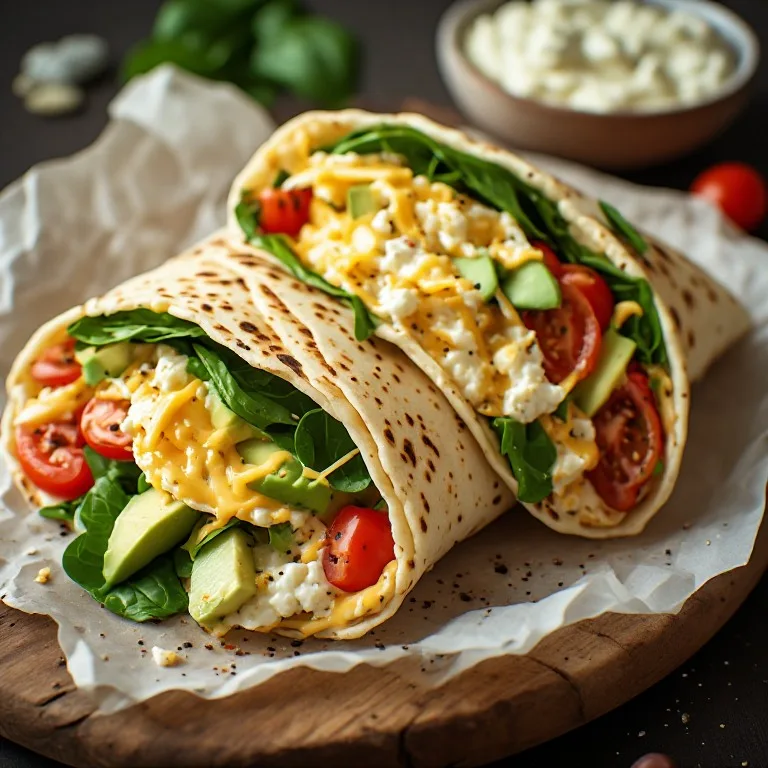
Breakfast tacos: Scrambled eggs + crumbled cotija + hot sauce. This combination brings the per-taco protein above 25g and the macro profile is extremely clean. The egg-on-egg pairing (shell + filling) actually works because the textures are different — the shell is slightly crispy; the scrambled eggs are soft.
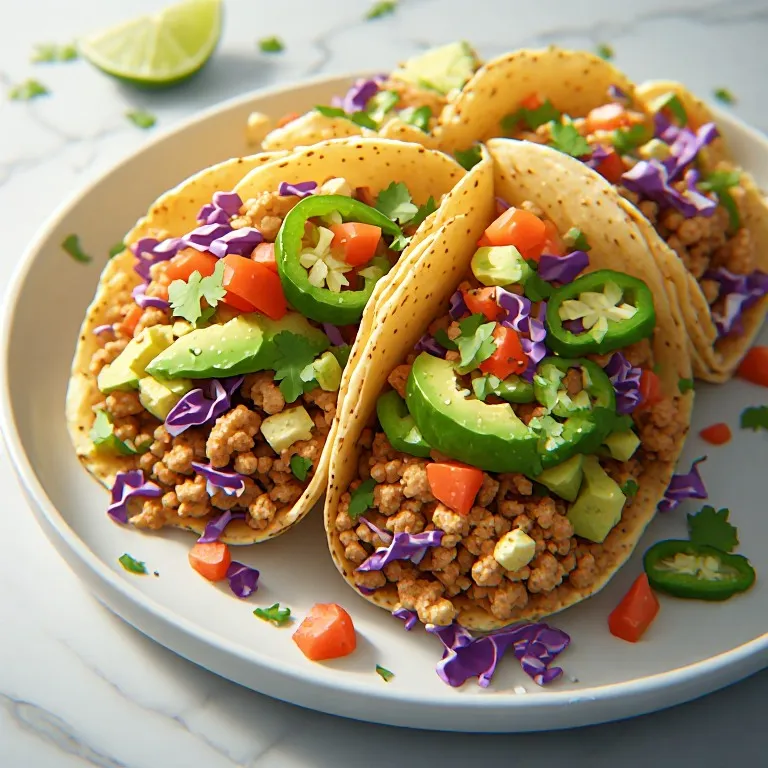
Seasoned ground beef: Standard taco seasoning (cumin, chili powder, garlic powder, onion powder, smoked paprika) browned ground beef, topped with shredded cheddar, sliced avocado, and fresh lime. Pat the beef dry before filling to minimize moisture transfer. This is the classic application.
Shredded chicken: Rotisserie chicken pulled and tossed with cumin + lime juice + a spoonful of salsa. Quicker than cooking beef and slightly lower-fat. Add shredded cabbage and pickled jalapeños for crunch and heat.
Fish (crispy or baked): White fish (tilapia, cod, mahi) breaded and pan-fried or baked with smoked paprika + cumin. Topped with shredded cabbage and a crema made from equal parts sour cream and lime juice. The mild fish flavor works especially well with the neutral shell.
Avocado and egg: Sliced avocado + fried egg + everything-bagel seasoning + hot sauce. High-protein breakfast taco with a total under 200 calories if you skip cheese. Same idea as the avocado egg toast format but in a handheld shell.
Nutrition Per Shell (Unfilled)
| Per shell | 4 shells (full batch) | |
|---|---|---|
| Calories | ~55 | ~220 |
| Protein | ~10g | ~40g |
| Carbs | ~2g | ~8g |
| Fat | ~2g | ~8g |
| Keto-compatible | Yes | Yes |
Compare to a standard corn tortilla (6-inch): ~60 calories, 2g protein, 12g carbs. The cottage cheese shell has 5x the protein at essentially the same calorie count. A flour tortilla (8-inch): ~140 calories, 4g protein, 24g carbs. The trade is primarily on carbs — the flavor and texture are different, but for carb-conscious eating, the shell is a genuine upgrade.
Make-Ahead and Storage
Unfilled shells: Cool completely, then layer in an airtight container with parchment between each shell. Refrigerate up to 3 days. To reheat: 350°F oven or air fryer at 375°F for 3-4 minutes — they’ll re-crisp and hold the curve. Do not microwave; the steam collapses the structure.
Batter: The unbaked batter can be stored in an airtight container in the refrigerator for up to 24 hours. Stir or briefly re-blend before spreading — the liquid tends to settle. Beyond 24 hours, the egg whites begin to break down and the shells won’t set as firmly.
Freezing shells: Not recommended. The freeze-thaw cycle breaks the protein bonds and the shells go flat and crumbly. If you need to batch cook, refrigerate rather than freeze — the shells hold their quality for 3 days in the refrigerator.
Cost
| Item | Amount used | Approximate cost |
|---|---|---|
| Full-fat cottage cheese (1 cup) | 1 cup | ~$0.75 |
| Egg whites (from 2 large eggs) | 2 whites | ~$0.30 |
| Seasonings | Small amounts | ~$0.05 |
| Total for 4 shells | ~$1.10 | |
| Per shell | ~$0.28 |
Siete almond flour tortillas: ~$1.00 per tortilla at 9g carbs and 2g protein. Mission low-carb flour tortillas: ~$0.35 per tortilla at 6g net carbs and 3g protein. At $0.28 per shell and 10g protein, the cottage cheese taco shell is the most protein-efficient low-carb tortilla alternative available — and you’re not paying a specialty food premium.
For more ways to build on the cottage cheese protein trend, the cottage cheese flatbread uses the same base with whole eggs for a larger, more substantial bread-style result — good for when you want a pizza base or a wrap that can hold heavier fillings. The cottage cheese ice cream shows the same ingredient going in a completely different direction for a high-protein dessert.