Viral TikTok Cortisol Cocktail Recipe — The Electrolyte Mocktail That Actually Works
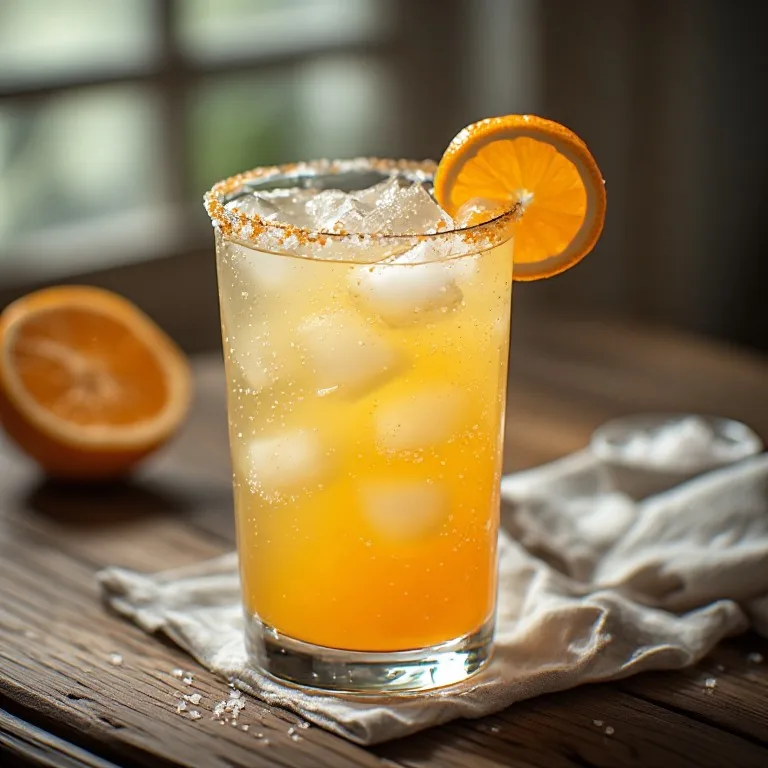
Quick answer: Stir together 8 oz (1 cup) fresh orange juice, 8 oz (1 cup) coconut water, ¼ teaspoon fine sea salt, and optionally 1 tablespoon fresh-squeezed lime juice (brightens the flavor). Pour over a tall glass of ice and stir well before drinking. That's the complete cortisol cocktail. For the magnesium version, stir in ½–1 teaspoon magnesium glycinate or citrate powder and drink 30 minutes before bed. For the cream of tartar version, swap sea salt for ¼ teaspoon cream of tartar (higher in potassium, lower in sodium — also slightly funky-tasting, not for everyone). The base version takes about 90 seconds. The drink works best when you're genuinely thirsty, skipped breakfast, or coming off a rough night — not as a daily cortisol-lowering supplement, but as a real electrolyte replacement.
Shop the tools
Gear matched to this recipe. These are Amazon affiliate links — we may earn a small commission if you buy, at no extra cost to you.
 Illustrative imageLodge 10.25" Cast Iron SkilletThe restaurant-grade sear most copycats depend onCheck price on Amazon →
 Illustrative imageInstant-Read Digital ThermometerNail fry-oil and doneness temps every timeCheck price on Amazon →
 Illustrative imageNordic Ware Half Sheet PanCommercial-quality aluminum, bakes dead evenCheck price on Amazon →
As an Amazon Associate, Copycat Spices earns from qualifying purchases. Product images are generic illustrations, not the exact item listed.
Viral TikTok Cortisol Cocktail Recipe — The Electrolyte Mocktail That Actually Works
The viral TikTok cortisol cocktail recipe: orange juice + coconut water + sea salt in 5 minutes. It won't magically lower your cortisol, but it IS a legitimately good electrolyte drink that reliably beats afternoon fatigue. Here's the exact recipe, what it actually does, and the 4 variations worth knowing.
Easy
Prep: 5 min
Cook: 0 min
Total: 5 min1 servings
~$3.85/serving
At home~$3.85/serving
vs
Restaurant~$17.32/serving
You save ~78%
The Story Behind the Recipe
The cortisol cocktail went viral on TikTok in 2023 when wellness creators started posting morning routines built around a simple drink: orange juice, coconut water, and a pinch of sea salt. The claim was that this combination directly reduced cortisol, the body's primary stress hormone, and reversed "adrenal fatigue." The #cortisolcocktail and #adrenalcocktail tags accumulated hundreds of millions of views. Endocrinologists pushed back quickly — a 2016 systematic meta-analysis found no consistent clinical evidence that adrenal fatigue exists as described, and no food combination has been shown to meaningfully change cortisol output in healthy people. But the drink spread anyway, because it actually feels good to drink. Orange juice provides 496mg of potassium per 8oz serving. Coconut water adds another 600mg of potassium plus phosphorus and magnesium. Sea salt puts sodium back in. Together you're looking at a well-balanced electrolyte drink with a fast-absorbing natural glucose hit — which genuinely does resolve the dehydration-driven energy crashes that often look like "high cortisol."
The honest case for making this: stress, poor sleep, and skipping breakfast all increase fluid and electrolyte losses, and dehydration amplifies both fatigue and anxiety. A decent electrolyte drink after those conditions reliably helps. The cortisol cocktail does what it does because of basic hydration and mineral replacement, not hormone regulation. At roughly $1.50–$2 per serving using store-bought fresh orange juice and coconut water, it's also dramatically cheaper than the supplement stacks that market themselves for the same outcome. The popular magnesium version — adding a teaspoon of magnesium glycinate or magnesium citrate powder — turns it into something closer to the sleepy girl mocktail and is genuinely useful before bed, since magnesium supplementation has decent evidence for improving sleep quality. That version is described in the FAQ below.
Nutrition Facts
Per serving (1 servings)Calories155
Total Fat0g
Total Carbs37g
Dietary Fiber1g
Sugars30g
Protein2g
Sodium830mg
* Estimated values based on standard recipe preparation. Actual values may vary.
Ingredients
- For the magnesium version (pre-sleep)
- For the cream of tartar version
Instructions
Pro tip: This recipe tastes even better the next day. The flavors need time to meld together in the fridge.
Storage: Keeps in an airtight container in the fridge for up to 2 weeks. Freezer-friendly for up to 3 months.
Free PDF — instant download. We'll also send new seasonal copycat recipes now and then; unsubscribe anytime. Or just download it →
🎉 Your Halloween Cookbook is ready!
It's free — but if it's worth something to you, you can pay what you want. It keeps the recipes coming.
$
✓ Downloading your free Halloween Cookbook — check your downloads folder. Happy cooking!
Make It Healthier
Love Viral TikTok Cortisol Cocktail Recipe — The Electrolyte Mocktail That Actually Works but want a lighter version? Try these simple swaps:
- ✓Cut the OJ to 4oz and top with 4oz sparkling water to halve the sugar content while keeping the electrolytes — the effervescence also makes it feel more like a real mocktail.
- ✓Use tart cherry juice instead of orange juice for a lower-sugar version that adds melatonin precursors, making it better suited for an evening drink.
- ✓Add a 1-inch piece of fresh ginger (muddled or grated) for a ginger-OJ-coconut variation with anti-inflammatory compounds from the gingerols — pairs especially well with the lime juice version.
Frequently Asked Questions
Does the cortisol cocktail actually lower cortisol levels?
No — there is no credible evidence that any combination of orange juice, coconut water, salt, or common additives meaningfully changes cortisol output in healthy adults. The 'adrenal fatigue' framework the drink is built on was reviewed in a 2016 systematic meta-analysis covering 58 studies, which found no consistent biochemical evidence the condition exists as a distinct diagnosable state. The drink went viral partly because of misunderstood physiology — when you drink something that resolves dehydration and gives you electrolytes after a stressful or sleep-deprived morning, you feel noticeably better. That effect is real. The mechanism is hydration and mineral replacement, not cortisol suppression. If you're drinking this because you feel foggy and tired, it will often help — just not for the reason most TikTok creators said it would.
What does the sea salt actually do in the cortisol cocktail?
Salt provides sodium, the electrolyte you lose most in sweat and urine — and the one most absent from the other two ingredients. Orange juice is very high in potassium (496mg per cup) and fairly high in natural sugars but contains almost no sodium (2mg per cup). Coconut water has moderate sodium (252mg per cup, which varies by brand) plus additional potassium (600mg per cup). Adding ¼ teaspoon of fine sea salt adds roughly 580mg of sodium, which brings the drink into a more balanced electrolyte ratio. A standard sports drink like Gatorade has about 160mg sodium per 12oz — this cortisol cocktail at its base recipe ends up more electrolyte-dense than Gatorade but with all natural ingredients and more potassium. Sodium is specifically important because it helps the small intestine absorb water and glucose faster — the presence of both glucose (from OJ) and sodium together activates co-transport channels in the gut lining, so the drink is absorbed meaningfully faster than plain water.
What's the difference between the cortisol cocktail and the adrenal cocktail?
They're the same drink with different names, and creators have used both interchangeably since 2023. 'Adrenal cocktail' was the earlier term, used by naturopathic practitioners who believed it 'supported' the adrenal glands. When it went viral on TikTok in 2023, it spread primarily as the 'cortisol cocktail,' framed around reducing cortisol specifically. Some versions add vitamin C powder or cream of tartar to the base recipe. The ingredient core — OJ, coconut water, salt — is consistent across both names. In grocery search terms, 'cortisol cocktail' now has significantly higher search volume than 'adrenal cocktail,' so the naming shifted. For the purpose of making the drink: they're the same recipe.
Can I use a different juice instead of orange juice?
Yes, though orange juice is the best default choice because its sugar-to-electrolyte ratio is close to ideal for rapid absorption and the natural glucose aids electrolyte uptake. Substitutions that work well: pineapple juice (similar potassium profile, slightly more sugar — tastes great with coconut water); grapefruit juice (more bitter, similar electrolyte profile, notably lower sugar); mango juice (higher sugar, less tart, very good with coconut water); cherry tart juice (much lower sugar, has potential benefit for sleep if using the magnesium version). Substitutions that don't work as well: apple juice (low in potassium relative to sugar, essentially just a sweetener here); cranberry cocktail (too low in actual juice content, too high in added sugar); tomato juice (would work electrolyte-wise but the flavor combination with coconut water is strange). For the base electrolyte function, orange juice is the simplest and most effective option.
When should I drink this, and how often?
The cortisol cocktail is most useful in three specific situations: (1) first thing in the morning if you slept poorly, skipped dinner, or drank alcohol the night before — you're mildly dehydrated and potentially low on electrolytes from stress hormones that peaked during the night; (2) mid-afternoon when you're experiencing the 2–4pm energy dip, especially if you haven't been drinking enough water; (3) before, during, or after intense exercise when you need electrolyte replacement beyond what water provides. It's not a useful daily habit if you're already well-hydrated, eating regular meals, and not particularly stressed. As a daily ritual for well-nourished people, it's an expensive glass of juice with salt. It becomes genuinely useful when something has thrown your hydration or electrolyte balance off. The magnesium version (add magnesium glycinate powder) is most useful 30 minutes before bed, not in the morning, because magnesium taken at night is associated with improved sleep quality in clinical trials.
What is the magnesium version, and what's the right dose?
Adding magnesium glycinate or magnesium citrate powder to the base recipe turns the cortisol cocktail into a pre-sleep drink similar to the sleepy girl mocktail. The dose commonly recommended is 200–400mg of elemental magnesium, which translates to roughly ½–1 teaspoon of most magnesium glycinate or citrate powders (check your specific product's label, as concentrations vary). Magnesium glycinate is better absorbed and less likely to cause digestive upset than magnesium oxide (the cheap form used in most supplements). Unlike the cortisol-lowering claims, magnesium supplementation does have genuine clinical support — a 2021 meta-analysis of randomized controlled trials found modest improvements in sleep quality and sleep onset time with supplemental magnesium. The magnesium + coconut water + OJ combination works because the glucose in the juice aids magnesium absorption, and the potassium in coconut water and OJ works synergistically with magnesium at the cellular level. Drink this version cold, 30 minutes before bed, not first thing in the morning.
Why does coconut water taste different in this drink than it does straight?
Coconut water has a somewhat funky, earthy aftertaste when drunk plain — many people find it unpleasant on its own, especially commercial brands that taste faintly of plastic or artificial coconut. The orange juice in the cortisol cocktail fixes this by contributing dominant citrus flavor and natural acids that effectively mask coconut water's off-notes. The salt shifts the flavor baseline slightly by suppressing bitterness (sodium chloride at low concentrations reduces bitter taste perception), and the overall acidity of the mix binds with some of the coconut water's mineral bitterness. The best brand for a good-tasting cortisol cocktail is a premium coconut water like Harmless Harvest (pink, slightly sweeter) or fresh-squeezed coconut water — both have fewer off-notes than shelf-stable Vita Coco. If you only have the budget for one fresh ingredient, prioritize fresh-squeezed orange juice over premium coconut water: the OJ's flavor is more dominant in the final drink.
Is the cream of tartar version better than the sea salt version?
Different, not better. Cream of tartar (potassium bitartrate) is a byproduct of winemaking that contains about 495mg of potassium per ¼ teaspoon with very little sodium. Substituting cream of tartar for sea salt gives you a higher-potassium, lower-sodium drink — potentially useful if you're already getting plenty of sodium from meals. The downsides: cream of tartar has a slightly acidic, tangy flavor that some people find off-putting in a cold drink; it's also more expensive than sea salt; and if you're sweating heavily, you actually need more sodium rather than more potassium, making sea salt the better choice post-exercise. The sea salt version is the default for most people and most use cases. The cream of tartar version is worth trying if you're interested in the higher-potassium ratio or if you're following a lower-sodium diet.
Is 830mg of sodium in the cortisol cocktail too much?
For most healthy people replacing electrolytes after a hard workout, a rough night, or a skipped meal, no — that's the whole point of the drink, and 830mg is roughly a third of the FDA's 2,300mg daily sodium limit. It's deliberately more sodium-dense than a sports drink because sodium is the electrolyte you lose most and the one the other two ingredients barely provide. But it is a real amount, so two cautions apply: if you have high blood pressure, kidney disease, or heart failure, or your doctor has told you to limit sodium, talk to them before adding this to your routine — and consider the lower-sodium cream of tartar version instead. And don't treat it as a several-times-a-day habit on top of an already salty diet; the drink is designed for the specific moments when you're actually depleted, not as all-day sipping. If you want the electrolyte benefit with less sodium, cut the salt to ⅛ teaspoon (about 290mg) — it still helps water absorption, just less aggressively.
Love this recipe? Share it!
Made it? Buy us a coffee
Every recipe here is free, with no paywalls. If this one was a hit at your table, a small tip keeps new copycats coming.
$
💛 Support checkout is coming soon — the cookbook stays free either way.
Ratings & Reviews
Rate this recipe
Click a star to rate