

Pin It

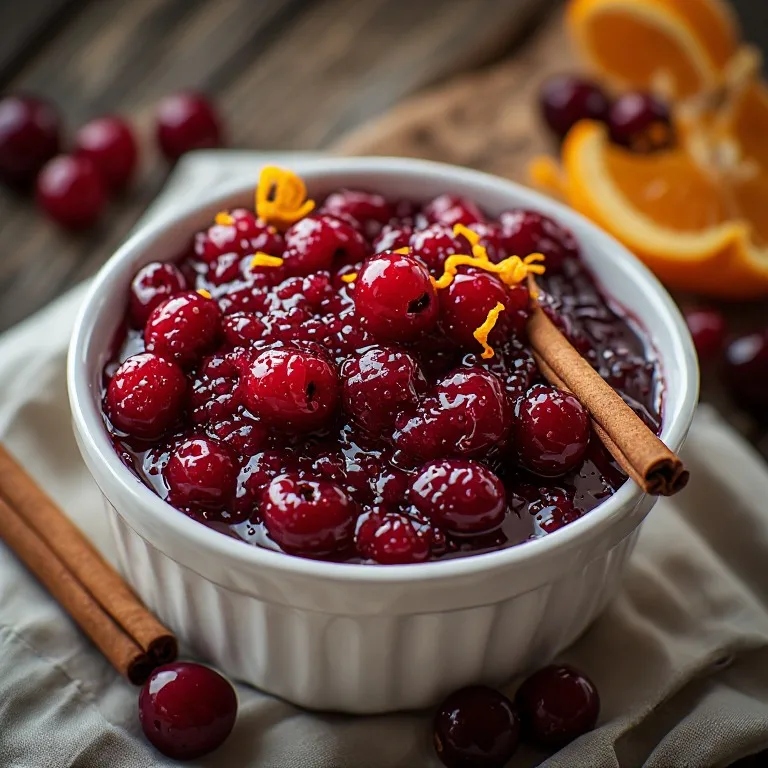
Fresh Cranberry Sauce (The TikTok Version Better Than Canned)

Fresh Cranberry Sauce (The TikTok Version Better Than Canned)
Jump to Recipe
Prep 5 min Cook 12 min Serves 12
Quick answer: Combine 1 cup sugar, ½ cup orange juice, and ½ cup water in a medium saucepan over medium heat. Stir until the sugar dissolves, about 2 minutes. Add a 12-ounce bag of fresh cranberries and 1 cinnamon stick. Raise heat to medium-high and cook 10–12 minutes, stirring occasionally. The cranberries will pop loudly at first, then quiet as the sauce thickens — pull it off the heat when most have burst but a few still hold their shape. Stir in 1 tablespoon of fresh orange zest and a pinch of salt. It will look thin. That is correct. Let it cool to room temperature (about 30 minutes), then refrigerate at least 1 hour. Cranberries are packed with natural pectin, and the sauce thickens dramatically as it cools — thin off the stove becomes scoopable from the fridge. It keeps for 2 weeks refrigerated or 3 months frozen.

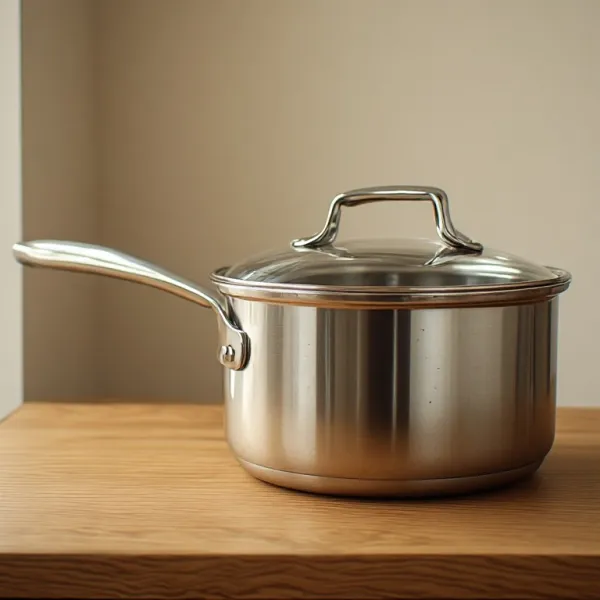
Shop the tools

Gear matched to this recipe. These are Amazon affiliate links — we may earn a small commission if you buy, at no extra cost to you.

As an Amazon Associate, Copycat Spices earns from qualifying purchases. Product images are generic illustrations, not the exact item listed.

Fresh Cranberry Sauce (The TikTok Version Better Than Canned)

The viral TikTok fresh cranberry sauce recipe — 4 ingredients, 15 minutes, and it makes every canned version taste like sugared gel. Orange zest, a cinnamon stick, and the one cooling trick that makes it set perfectly every time.

Easy Prep: 5 min Cook: 12 min Total: 17 min12 servings ~$4.50/serving
Prep5 min
Cook12 min
Total17 min
Servings
12
At home~$4.50/serving
vs
Restaurant~$20.25/serving
You save ~78%

The Story Behind the Recipe

Marcus Urann began canning cranberries in 1912, and Ocean Spray's iconic jellied cylinder — the one that slides out of the can in one piece with the ridges still on it — became available nationally in 1941 and an American Thanksgiving fixture shortly after, for a reason: it required nothing from the cook. For most of the 20th century that tradeoff made sense. The problem is that canned cranberry sauce is mostly high-fructose corn syrup and cooked-down fruit puree with almost none of the texture, brightness, or acidity that makes fresh cranberries worth eating. TikTok changed that calculation. Cooking creators started posting 60-second videos showing the full process — four ingredients, one saucepan, 15 minutes — and viewers kept commenting the same thing: "I did not know it was this easy." The hashtag #cranberrysauce has accumulated hundreds of millions of views specifically because the process looks like something that should be complicated and turns out to be absurdly simple.

The orange version — fresh orange juice and zest with the cranberries — became the dominant viral format because it fixes the main problem with basic cranberry sauce: one-note sweetness. The citrus adds brightness and complexity that makes the sauce taste restaurant-quality without extra effort. A jar of upscale cranberry conserve at a specialty grocery store runs $12–18. The homemade version costs about $4 in ingredients and tastes better. The one technique that keeps showing up in every version that actually works: pull it off the heat before every cranberry has fully dissolved. The sauce is still setting as it cools, and residual heat keeps cooking it after you turn off the stove — stopping early leaves you with a scoopable preserve with some texture; waiting until fully smooth leaves you with something closer to jam.

Nutrition Facts

Per serving (12 servings)
Calories68
Total Fat0g
Total Carbs18g
Dietary Fiber1g
Sugars16g
Protein0g
Sodium10mg

* Estimated values based on standard recipe preparation. Actual values may vary.

Ingredients

  • The sauce
  • Optional additions

Instructions

💡
Pro tip: This recipe tastes even better the next day. The flavors need time to meld together in the fridge.
❄️
Storage: Keeps in an airtight container in the fridge for up to 2 weeks. Freezer-friendly for up to 3 months.
🦃 Free Thanksgiving cookbook — download now The Copycat Thanksgiving Cookbook A ready-made, photo-illustrated PDF of our best thanksgiving copycat recipes — free to download, no building required. Pay what you want to support if you love it.

Free PDF — instant download. We'll also send new seasonal copycat recipes now and then; unsubscribe anytime. Or just download it →

Fresh cranberry sauce takes 15 minutes, costs about $4 in ingredients, and tastes so different from the canned version that people who have eaten the jellied cylinder every Thanksgiving for decades stop mid-bite and ask what it is. The TikTok videos that made this go viral weren’t showing a new technique — they were just showing that the technique existed and anyone could do it.

Why Everyone Was Wrong About Canned Cranberry Sauce

Canned cranberry sauce is processed at high temperatures during manufacturing, which destroys most of the volatile compounds responsible for the tart, almost floral quality of fresh cranberries. What survives that heat is sweetness and a faint berry note — which is fine, but it is not what cranberries actually taste like. Fresh cranberry sauce, cooked briefly on the stovetop and cooled, tastes bright, tangy, and complex. The difference is the kind that makes you understand why a restaurant charges $14 for a tablespoon of cranberry compote.

The TikTok angle was simple: creators filmed the process — four ingredients, one saucepan, 15 minutes, better result — and viewers, many of whom had never made it, realized there was no good reason not to. The hashtag has hundreds of millions of views. The recipe didn’t change; the information did.

The Science of Why It Sets Without Gelatin

Cranberries are one of the highest natural sources of pectin among common fruits. Pectin is a polysaccharide in fruit cell walls — the same substance that causes jams to gel when cooked with sugar and acid. When cranberries burst in a hot sugar syrup, pectin releases from the broken cells and disperses into the liquid. As the sauce cools below about 120°F, that pectin forms a three-dimensional network that traps water and sets the gel.

This is why the sauce looks thin when it’s still hot and transforms into something scoopable after refrigeration. It is not broken. It is setting. The single most common mistake people make with cranberry sauce is panicking at the stove because it looks like cranberry water, adding more cooking time, and ending up with an overly stiff, jam-like result. Pull it off the heat when most cranberries have burst, and let the temperature do the rest.

Why Orange Juice and Zest (and Not Just Water)

The original basic version of this recipe uses only water — and it’s fine. The orange juice and zest version became the dominant TikTok format for two reasons: it fixes the biggest problem with basic cranberry sauce (one-dimensional sweetness), and it requires no extra equipment or effort.

The orange juice contributes acidity that brightens the cranberry flavor and partially substitutes for some of the sugar’s work. The zest is more important: the zest’s essential oils evaporate quickly when heated, which is why the recipe adds it off the heat rather than with the cranberries. Zest added at the start disappears into a faint cooked-orange note. Zest stirred in at the end stays fragrant and citrusy and lifts the entire sauce. Zest the oranges before juicing — it’s nearly impossible to zest a limp, already-juiced orange cleanly.

The Timing Window: Don’t Miss It

Remove the cranberry sauce from the heat when most cranberries have burst but a handful still hold their shape — usually at the 10-to-12-minute mark from when the cranberries hit the pan.

At 8 minutes: about half the cranberries have burst and the sauce is thin and bright red. Too early.

At 10–12 minutes: most cranberries have burst, the sauce is thicker and coats the spoon, and a few intact cranberries add texture. Correct.

At 15+ minutes: every cranberry has fully dissolved and the sauce is starting to look jammy. It’ll set very firm and dense in the refrigerator. Still edible, but the texture is closer to a spread than a sauce.

The residual heat in the pan keeps cooking it for a few minutes after you turn off the stove, so stopping slightly early is always the right call.

Make-Ahead and Storage

Cranberry sauce is one of the best Thanksgiving dishes to make ahead because it actively improves with time. Make it 2 to 3 days before you need it and refrigerate it covered. The flavors integrate, the pectin fully sets, and the whole sauce becomes more consistent in texture.

Refrigerator: Up to 2 weeks in an airtight container. The sauce will continue to firm up slightly over the first 48 hours, then stabilize.

Freezer: Cranberry sauce freezes exceptionally well — better than most pectin-set gels, which typically weep after thawing. Pour cooled sauce into a freezer-safe container, leave 1 inch of headspace for expansion, and freeze for up to 3 months. Thaw overnight in the refrigerator. The texture is essentially identical to fresh.

Beyond the Turkey: What to Do With Leftovers

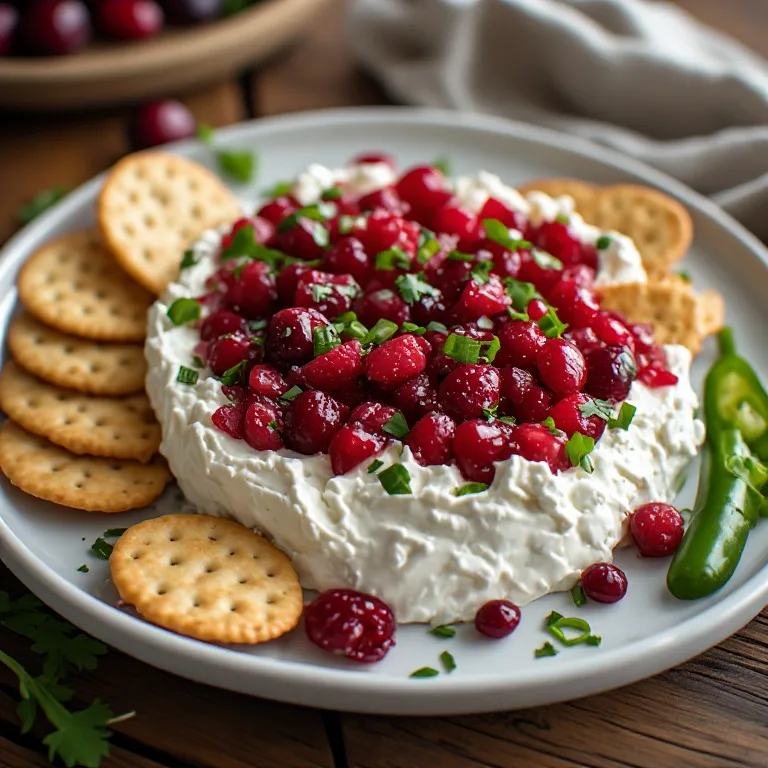
Cranberry sauce has a 2-week refrigerator shelf life and plenty of applications besides Thanksgiving turkey. Mix 2 tablespoons into softened cream cheese and serve with crackers — this is the base for the viral cranberry jalapeño cream cheese dip that every holiday party seems to have right now. Bake a wheel of brie at 350°F for 10–12 minutes, spoon cranberry sauce on top with walnuts, and you have restaurant-level cranberry brie bites. Thin it with 1 tablespoon of orange juice and use it as a glaze on chicken thighs or pork tenderloin during the last 10 minutes of roasting. Stir into a whiskey or vodka with club soda for a simple cranberry spritz. Swirl into oatmeal or Greek yogurt for breakfast. The sauce is good; wasting it is not.

🥗

Make It Healthier

Love Fresh Cranberry Sauce (The TikTok Version Better Than Canned) but want a lighter version? Try these simple swaps:

  • ✓Reduce the sugar to ¾ cup instead of 1 cup — the sauce will be noticeably tarter but still sweet enough for most palates, and it saves about 15 calories per serving. The pectin in cranberries is not affected by sugar quantity, so the sauce will still set correctly at the lower amount. Adding 2 tablespoons of honey alongside the reduced sugar adds floral sweetness without the sharpness of more sugar.
  • ✓Swap all the sugar for ¾ cup of pure maple syrup (reduce the water to ¼ cup to compensate for the extra liquid in the syrup). Maple syrup is still a sugar but adds magnesium and trace minerals and roughly matches refined sugar in glycemic effect. The sauce will have a warm, caramel-like undertone that pairs better with darker meats and aged cheeses.
  • ✓Use half orange juice and half pomegranate juice instead of all orange juice for a version that's higher in antioxidants (pomegranate has roughly 2–3 times the polyphenol content of orange juice) and has a deeper, slightly tannic flavor. The color goes from ruby to near-purple, which is striking on a holiday table.
  • ✓For a low-sugar version, replace the granulated sugar entirely with ½ cup of monk fruit sweetener or erythritol and ¼ cup of honey. The sauce still sets — cranberry pectin doesn't require real sugar to gel — but the texture may be slightly less glossy. Add ¼ teaspoon of vanilla to compensate for any aftertaste from the monk fruit.

Frequently Asked Questions

Why is the TikTok fresh cranberry sauce better than canned?

The difference comes down to three things: texture, flavor, and acidity balance. Canned cranberry sauce (whether jellied or whole-berry) is cooked at extremely high heat during the canning process, which destroys most of the fruit's natural volatile compounds — the ones responsible for the tart, bright, almost floral quality of fresh cranberries. The remaining flavor is primarily sweetness and a faint berry note. Fresh cranberry sauce cooked briefly over the stovetop keeps those volatile compounds largely intact, which is why it tastes noticeably brighter and more complex. Fresh also lets you control the sugar level, acid balance (with citrus), and texture (some whole berries left vs. fully smooth) in ways that canned never allows. The TikTok moment was specifically about showing that the process is 15 minutes — once people understood it was not a project, the effort-to-reward calculation became obvious.

Why does cranberry sauce set without gelatin?

Cranberries are one of the richest natural sources of pectin among common fruits. Pectin is a polysaccharide found in the cell walls of fruits — it's the same substance that causes jams and jellies to gel when cooked with sugar and acid. Cranberries contain so much natural pectin that they gel entirely on their own. The mechanism: when cranberries are heated in a sugar solution, pectin is released from the burst cell walls and forms a three-dimensional network as the mixture cools below about 120°F (50°C). The sugar draws water molecules toward it, and the pectin network traps the remaining water inside the gel structure. This is why the sauce looks thin when it's still hot and transforms into something scoopable after refrigeration — the gel hasn't set yet when it's warm. No gelatin, no pectin powder, no food starch is needed.

Can I make cranberry sauce ahead of time?

Yes — and making it ahead actually improves it. The flavors develop and integrate over 24–48 hours in the refrigerator, and the texture becomes more consistent as the pectin fully sets. Cranberry sauce keeps for up to 2 weeks in an airtight container in the refrigerator. For longer storage, it freezes exceptionally well: pour into a freezer-safe container (leave 1 inch of headspace for expansion), seal, and freeze for up to 3 months. Thaw overnight in the refrigerator. The texture after thawing is essentially identical to fresh — pectin-based gels are more freeze-stable than gelatin-based ones.

What can I do with leftover cranberry sauce?

Cranberry sauce is genuinely versatile beyond Thanksgiving turkey. Mix 2 tablespoons into softened cream cheese for an instant cranberry cream cheese spread on bagels or crackers (this is how the cranberry-jalapeño cream cheese dip at parties usually starts). Swirl it into Greek yogurt with granola for a breakfast parfait. Use it as a topping for brie — bake a wheel of brie at 350°F for 10–12 minutes and spoon warm cranberry sauce on top with walnuts. Thin it with a tablespoon of orange juice and use it as a glaze for pork tenderloin or chicken thighs during the last 10 minutes of roasting. Stir into a cocktail with vodka or bourbon and club soda for a simple cranberry spritz. Spread it on a turkey and brie sandwich instead of mustard. The 2-week refrigerator life gives you plenty of time to use it.

Can I use frozen cranberries instead of fresh?

Yes — frozen cranberries work identically to fresh in this recipe. Do not thaw them first. Add them directly from frozen to the simmering sugar syrup; they'll just take 1–2 minutes longer to begin bursting. The finished sauce is identical in texture, flavor, and gel strength. Frozen cranberries are often available year-round when fresh bags (sold September through December in most grocery stores) are out of season. The 12-ounce bag measurement applies to both fresh and frozen.

How do I fix cranberry sauce that's too tart or too sweet?

Too tart: stir in an additional 2 tablespoons of sugar while the sauce is still warm (sugar won't dissolve properly into cold sauce). Alternatively, add 1 tablespoon of honey, which adds sweetness without sharpness. Orange zest, already in the recipe, reduces the perception of tartness even without adding sugar — if you skipped it, adding it now helps. Too sweet: add 1 tablespoon of fresh lemon juice and stir well. Lemon juice is more neutral than more orange juice and sharpens the flavor without adding a competing citrus note. A very small pinch of flaky salt (on top, not stirred in) also reduces the perception of sweetness significantly.

Does canned cranberry sauce have more sugar than homemade?

They're remarkably close per serving. Ocean Spray Whole Berry Cranberry Sauce (the most common canned version) has about 22 grams of sugar per ¼ cup serving. This homemade recipe, made as written with 1 cup of sugar for 12 servings of 3½ tablespoons each, has about 16 grams of sugar per serving — about 27% less. The big difference is that homemade sugar is just granulated cane sugar, while the canned version uses high-fructose corn syrup as its primary sweetener. The glycemic response is similar, but homemade gives you control: reduce the sugar to ¾ cup and the per-serving sugar drops to about 12 grams, which is genuinely a meaningful difference over a full holiday meal.

What are the most popular TikTok cranberry sauce variations?

The orange version in this recipe is the dominant viral format, but three variations show up constantly. First, the rosé or sparkling wine cranberry sauce: replace ½ cup of the water with ½ cup of dry rosé or Champagne, added after removing from heat so the alcohol mostly remains (no cooking off). It adds a subtle wine note that works well with aged cheese and charcuterie boards. Second, the jalapeño cranberry sauce: add 1–2 thinly sliced fresh jalapeños (seeds and all for heat, seeds removed for mild) to the cranberries at the start of cooking. The heat cuts the sweetness and the result tastes upscale and intentional — this is also the base for the viral cranberry jalapeño cream cheese dip. Third, the maple-cinnamon version: replace all the white sugar with ¾ cup of pure maple syrup, add 2 cinnamon sticks instead of 1, and finish with a pinch of cardamom. It tastes closer to a fruit conserve than a sauce and is particularly good alongside roast pork.

Love this recipe? Share it!

Free PDF: our 12 most-wanted copycat recipes — instant download.

Made it? Buy us a coffee

Every recipe here is free, with no paywalls. If this one was a hit at your table, a small tip keeps new copycats coming.

$

Ratings & Reviews

—
No ratings yet

Rate this recipe

Click a star to rate

Leave a Review

0/500

CS

Copycat Spices Editorial

Researched + fact-checked. Every recipe on Copycat Spices is built from published sources — official ingredient lists, brand-published recipes, interviews and food-science references — and fact-checked before it goes live, then written as clear, step-by-step instructions for home cooks of all skill levels.

Learn more about our mission →