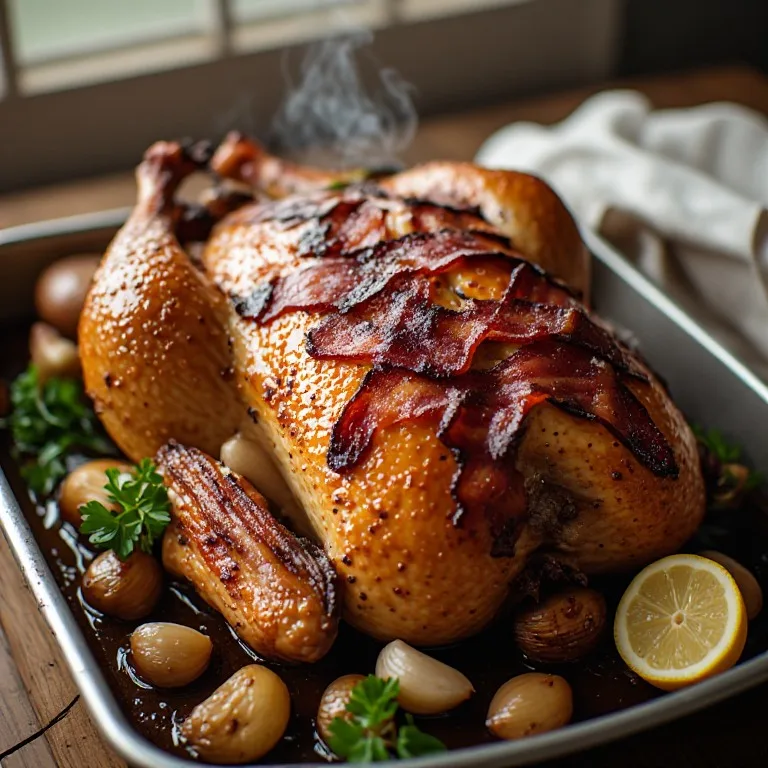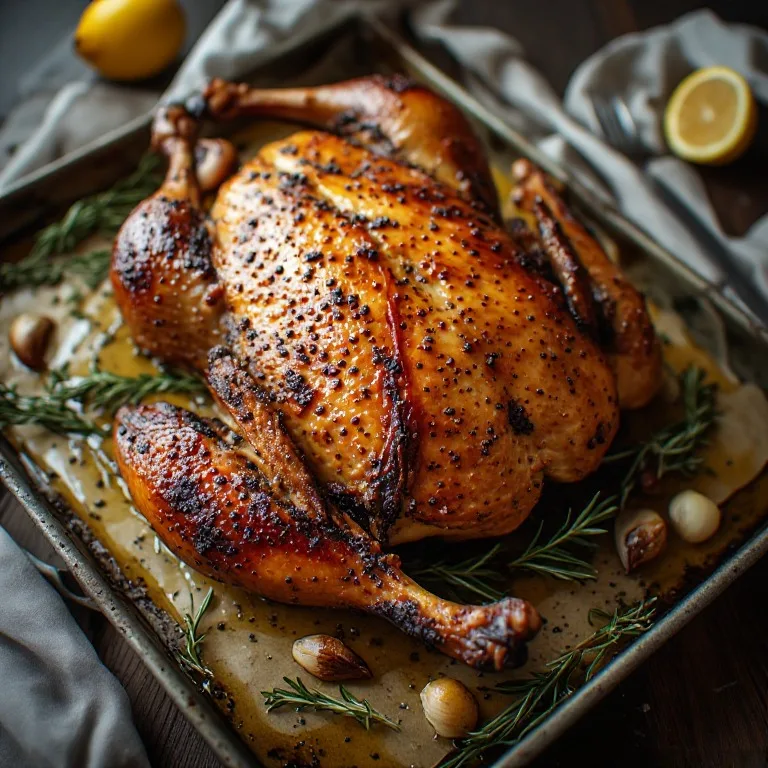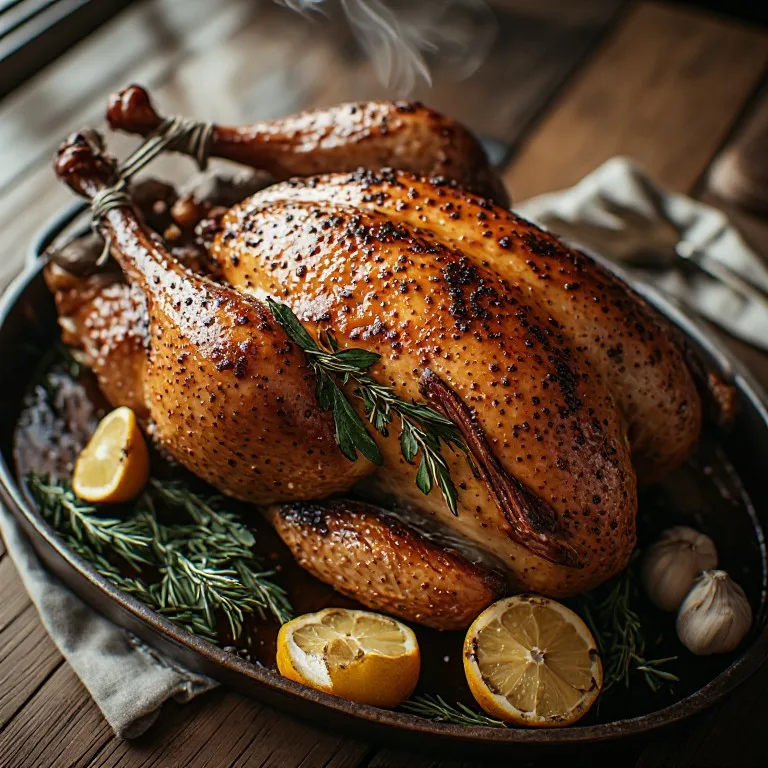


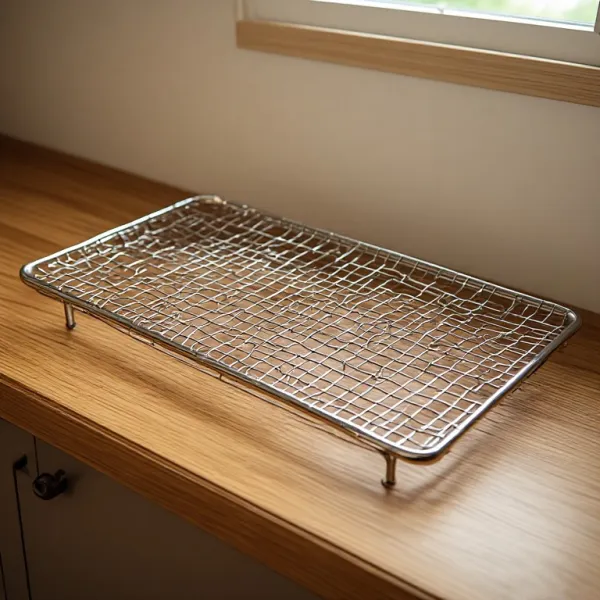
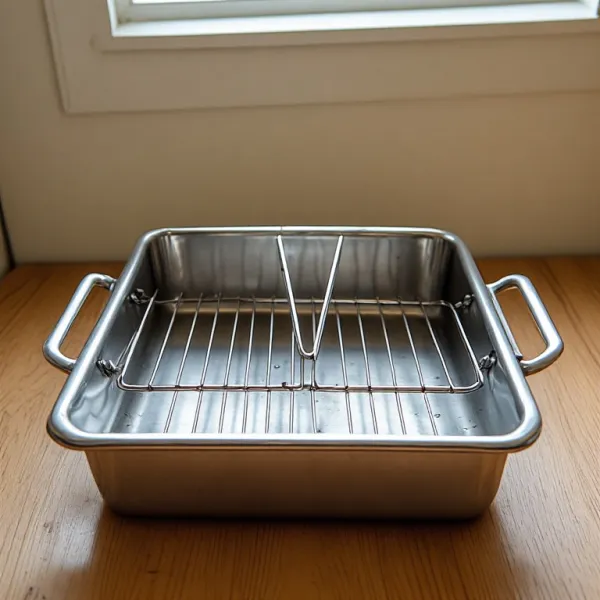
The dry-brine Thanksgiving turkey technique went viral on TikTok because the results were simply hard to argue with: shatteringly crispy skin, deeply seasoned meat, and no five-gallon bucket of saltwater on your kitchen floor. It works, and it works every time — whether you have 24 hours or 72.
What Is Dry Brining (and Why Is It Better Than Wet)?
Wet brining submerges the turkey in a large pot or bag of saltwater for 12–24 hours. The process seasons the meat and adds moisture — but that added moisture is mostly water, not turkey juices, and it often makes the meat taste diluted. Worse, the skin absorbs that same water, and wet skin cannot crisp properly no matter how hot your oven runs.
Dry brining works differently. You rub the salt directly on the turkey and let it sit. The salt first draws a small amount of liquid from the muscle fibers to the surface. That liquid dissolves the salt, and the concentrated brine is then slowly reabsorbed back into the meat — carrying the salt with it. The meat is seasoned throughout, not just on the surface. Meanwhile, the uncovered refrigerator rest removes all remaining moisture from the skin. When that bone-dry skin hits a 425°F oven, it crisps almost immediately.
The Salt-to-Turkey Ratio
The rule is simple: ½ teaspoon Diamond Crystal kosher salt per pound of turkey (or ¼ teaspoon Morton’s kosher salt per pound — Morton’s is denser). A 14-lb turkey needs 7 teaspoons. A 12-lb bird needs 6 teaspoons. Never use fine table salt, which is twice as salty by volume.
Add 1 teaspoon of baking powder to the salt mixture regardless of turkey size. The baking powder changes the skin’s pH and makes it crisp faster and deeper in the oven — this one ingredient is the difference between “good” and “shattering.”
Timeline at a Glance
| Day | Action |
|---|---|
| 1–3 days before | Apply dry brine; refrigerate uncovered |
| Morning of | Pull from fridge 1 hour before roasting |
| Roasting | 425°F × 30–45 min, then 325°F to 165°F in thigh |
| After roasting | Rest uncovered 45 min minimum before carving |
The One Step Everyone Gets Wrong
Resting. Not the brine — the rest after roasting. A turkey carved immediately off the rack loses most of its juice on the cutting board as the muscle fibers are still tightly contracted from heat. A turkey rested 45 minutes on the counter (uncovered — no foil) reabsorbs those juices, stays moist through second helpings, and tastes like a completely different bird. Set a timer and walk away.