


Why This Went Viral
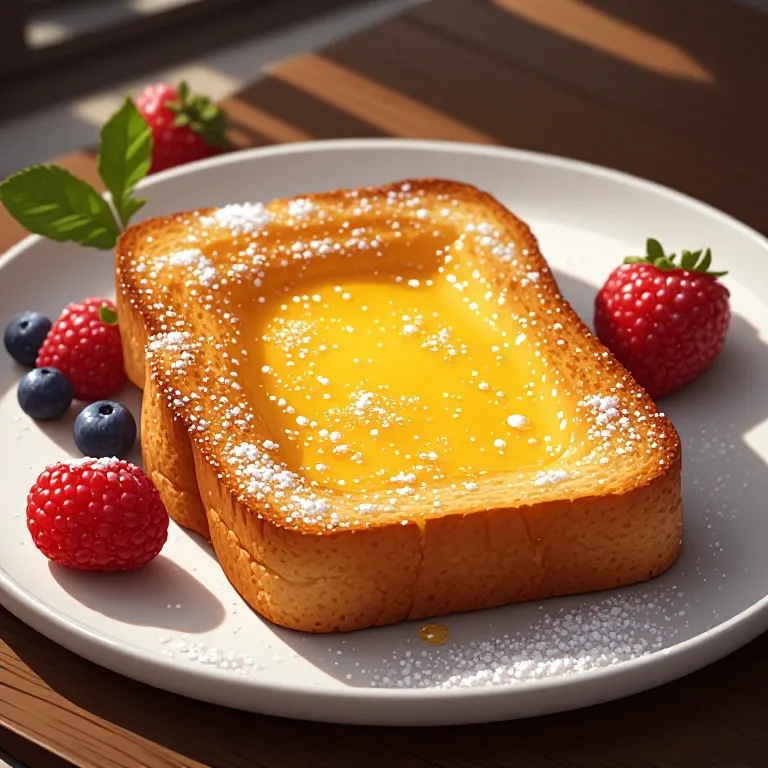
Custard toast hit TikTok hard in 2023 and kept spreading through 2024 because it exploits one of social media’s most reliable hooks: something that looks wildly impressive but is embarrassingly simple to make. The golden-topped custard pooled inside a toasted frame of bread photographs like a pastry chef made it. The cross-section shot — creamy yellow custard against toasted brown bread — got millions of saves.
The other reason it spread: it costs almost nothing. Two egg yolks, a splash of milk, sugar, and bread you already have. There’s no special equipment, no candy thermometer, no tempering. You whisk four ingredients together and pour them into a hole you pushed into bread. That democratization — “this fancy-looking thing requires zero skill” — is exactly the kind of content TikTok accelerates.
It also arrived at a moment when people were fatigued by multi-step, multi-ingredient recipes. Post-pandemic cooking fatigue was real. Custard toast said: five minutes of work, twenty minutes in the oven, and you get something that feels indulgent.
The Technique That Makes It Work
The well is everything. Press too shallow and the custard spills over the edge, creating a mess and burning onto the pan. Press too deep and you punch through, and the custard leaks out the bottom. The target is a well that is roughly ½ inch deep with walls at least ½ inch thick on all sides. Using the flat bottom of a small glass gives you more control than a spoon — the flat surface depresses the bread evenly rather than creating an uneven divot.
Bread choice matters more than people expect. Brioche is the top pick because it’s rich and holds structure when compressed. Thick-cut white sandwich bread works. Standard 80-cent sliced bread will often tear because it’s too soft and too thin. You need the bread to act as a vessel.
The custard ratio — two yolks, three tablespoons milk, two tablespoons sugar — is deliberately lean. A richer custard (more yolks, cream instead of milk) would overflow and not set in time. This ratio sets firmly in 18–22 minutes while staying silky rather than rubbery.
Oven temperature matters: 375°F is the sweet spot. Too low and the custard takes too long to set while the bread softens. Too high and the custard surface cracks and the edges overcook before the center sets.
Serving and Presentation
Custard toast is best eaten within five minutes of coming out of the oven. As it sits, the bread absorbs moisture from the custard and the crust softens. The sweet spot is that first bite when the crust still has crunch and the custard is warm and barely set.
For presentation — if you’re shooting it for TikTok or plating for brunch — dust with powdered sugar right before serving, not before baking. A few fresh raspberries or blueberries tucked around the custard add color contrast. A light drizzle of honey across the entire slice catches the light beautifully in photos.
Serve on a dark plate for maximum contrast, or a plain white plate with a fork laid alongside. If you’re making these for guests, prep the wells and the custard mixture up to an hour ahead and fill them right before baking — the custard mixture holds fine in the fridge for 30 minutes.
Variations to Try
Matcha custard: Replace ½ teaspoon of the sugar with ½ teaspoon matcha powder and whisk thoroughly. The green against the golden crust is striking and the slight bitterness of matcha balances the sweetness.
Honey ricotta: Mix 2 tablespoons of whole-milk ricotta into the custard base, reduce the milk to 1 tablespoon, and add a teaspoon of honey. The ricotta makes it denser and richer, closer to a cheesecake filling.
Savory Gruyère and chive: Drop the sugar and vanilla entirely. Add 2 tablespoons of shredded Gruyère and 1 teaspoon of fresh chives to the egg yolk and milk mixture. Season with salt and black pepper. Bake the same way. Top with a few extra chives. This version works as a light lunch or breakfast alongside a green salad.
Brown sugar cinnamon: Swap granulated sugar for packed brown sugar and add ¼ teaspoon of cinnamon to the custard. The brown sugar creates deeper caramel notes and the cinnamon blooms in the oven. This version pairs perfectly with a dusting of cinnamon sugar right after baking.