

Viral TikTok Dill Pickle Pizza — The White Pizza That Rewired the Internet
Dill pickle pizza sounds like a joke until you eat it. Then it sounds like the best idea anyone has ever had.
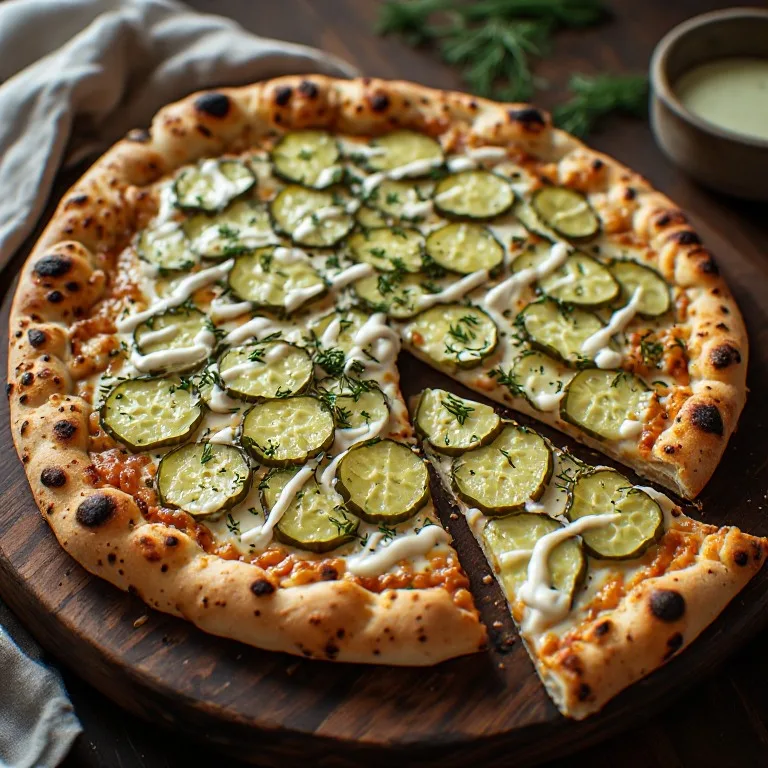
The recipe ditches tomato sauce entirely. Instead, a tangy ranch cream cheese base goes wall to wall on the dough, topped with mozzarella and a double layer of dill pickles — half baked into the cheese for deep, mellowed pickle flavor, half added cold right after the bake for briny, crunchy contrast. A drizzle of ranch and a fistful of fresh dill finish it. The result is one of the most aggressively savory, impossible-to-stop-eating pizzas you can make at home in 30 minutes.
Why It Went Viral
The savoury-maxxing movement. TikTok’s food community spent 2025-2026 in open rebellion against sweetness — honey everything, dessert mashups, sugar overload. Dill pickle pizza became a flagship dish of the pushback. Maximum brine, zero sweetness, tangy ranch base, no apologies. It resonated with millions of people who’d been quietly exhausted by candied foods.
The state fair origin story. The Minnesota State Fair started serving dill pickle pizza years before TikTok, and regional pizza shops like Rick’s Pizza in Oshkosh, Wisconsin built cult followings around it. When fair visitors started filming their first bites in 2024 — the skeptical look, then the immediate double-take — the format was perfect TikTok content. Genuine surprise is more powerful than any food styling.
The visual logic. A pizza covered in thin pickle slices is immediately striking. The green rounds on white cheese, the ranch drizzle cutting across in long lines, the scatter of fresh dill — it photographs like it was designed to go viral. When you pull a slice and the cheese stretches over the baked pickles while the fresh ones stay cool and vivid, the video basically shoots itself.
The flavor science. Cream cheese base coats the palate in rich fat. Then the pickles arrive with sharp acidity and salt, cutting through instantly. The dried dill echoes in the ranch sauce. Fresh dill on top adds a herbal top note. Every bite resolves the same tension in a slightly different way depending on your pickle-to-cheese ratio. You keep eating because your brain keeps expecting the combination to stop working, and it never does.
The Two-Stage Pickle Method
Most dill pickle pizza recipes tell you to just put pickles on top and bake. That gives you one flavor register: softened, roasted pickle that blends into the cheese. It’s fine. But it misses the punch.
The two-stage method splits the pickles into two equal batches:
First batch — baked in. These go on before the oven. At 500°F, the pickle slices lose most of their surface moisture and the edges begin to caramelize slightly. The brine soaks into the surrounding cheese. You get a mellowed, deeply savory pickle flavor throughout the cheese layer — almost like the cheese has been marinated.
Second batch — post-bake. These go on the moment the pizza comes out. Cold, crunchy, intensely briny. They pick up gentle warmth from the cheese but never soften. Every bite has the textural contrast between yielding molten cheese and firm, snappy pickle.
The combination — deep background pickle in the cheese, vivid foreground pickle on top — is the whole difference between a dill pickle pizza and a GREAT dill pickle pizza.
The One Step You Cannot Skip
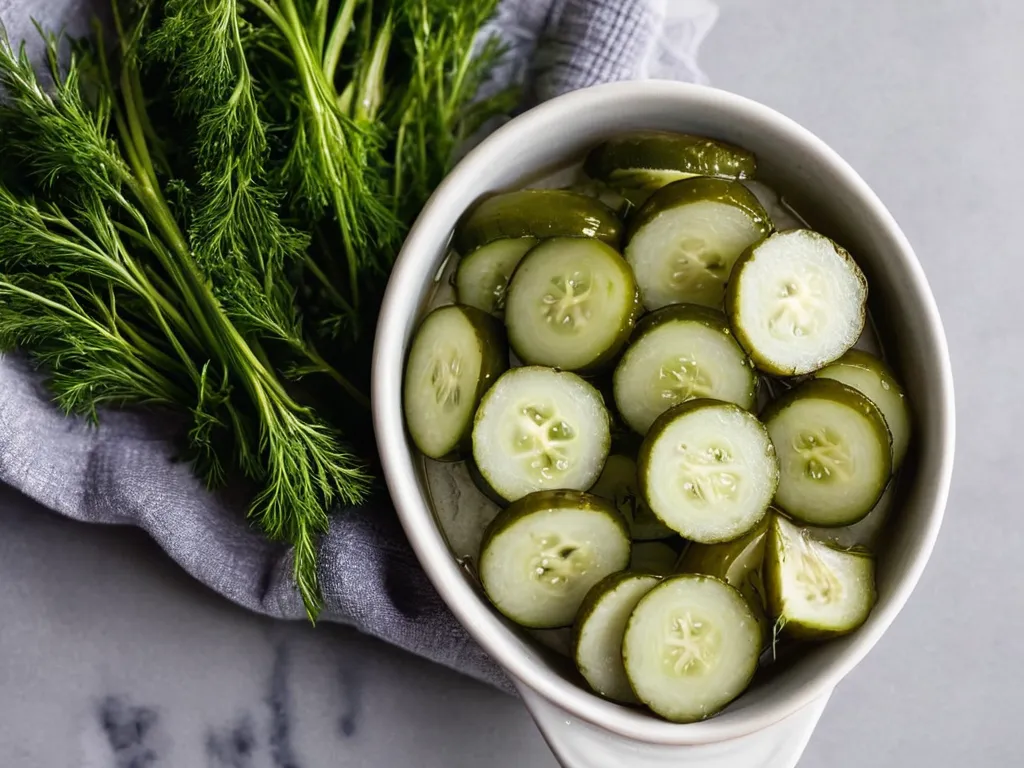
Dry the pickles completely. Pickles are mostly water. If you lay wet pickle slices directly onto dough, they steam from inside the oven and flood the crust with liquid before the bottom has a chance to crisp. The result is a doughy, soft-bottomed pizza that looks like it should be good and isn’t.
Spread every pickle slice on paper towels. Press more paper towels on top. Wait five minutes. Press again. You want the surface to look matte, not shiny. No visible moisture. This is the difference between crispy-bottomed dill pickle pizza and the soggy version that gives the whole concept a bad reputation.
Variations Worth Making
Bacon and dill pickle. Add 4-5 strips of cooked, crumbled thick-cut bacon on top of the first pickle layer before baking. Smoke + brine + ranch cream base is an absolutely legitimate combination.
Spicy dill pickle. Add 1/2 teaspoon of crushed red pepper flakes to the ranch cream sauce and use spicy pickles (or jalapeño pickles) for the second-stage topping.
Everything bagel dill pickle. Brush the crust edges with olive oil and sprinkle everything bagel seasoning on them before baking. Adds a toasty, sesame-forward note that pairs surprisingly well with the briny interior.
Pepperoni and dill pickle. Layer 3 oz of cup-and-char pepperoni over the cheese before the first pickle layer goes on. The charred, salty pepperoni fat + brine + ranch cream is the kind of combination that makes people ask for the recipe.
FAQ
Why ranch cream sauce instead of just ranch dressing? Straight ranch dressing is too loose — it pools under the cheese and makes the crust soggy. The cream cheese base holds its shape under the heat, sticks to the dough, and creates a richer, thicker flavor foundation. The pickle brine stirred into it adds the tangy punch that keeps the base from tasting heavy.
What kind of pickles work best? Claussen dill chips are a consistent choice — thin, crisp, briniest of the major brands. Vlasic stackers are another good option because they’re already cut thin. Avoid bread-and-butter pickles (too sweet) and whole dill pickles you’d have to slice yourself (too thick and wet). Kosher-style dill is the target flavor profile.
Can I make this on pre-made flatbread instead of pizza dough? Yes. It actually speeds things up considerably — flatbread doesn’t need to preheat a stone, bakes faster (8-9 minutes at 450°F), and gives you a crispier base without any stretch work. Trader Joe’s garlic naan is a specific recommendation that works very well.
My pickles turned brown in the oven. Is that wrong? The baked-in pickle layer will lose its vivid green color and turn slightly translucent with caramelized edges. That’s correct — it means the brine has integrated into the cheese layer. The second-stage pickles should still be bright green when they go on post-bake. Color contrast between the two batches is a visual indicator that the two-stage method worked.
Does this reheat well? Better than most pizzas. Reheat slices in a 400°F oven for 5 minutes on a wire rack — the crust crisps back up and the cheese re-melts. Add fresh pickle slices after reheating if you want the full two-stage effect again. Don’t microwave it: the moisture from the pickles will steam the crust soft.
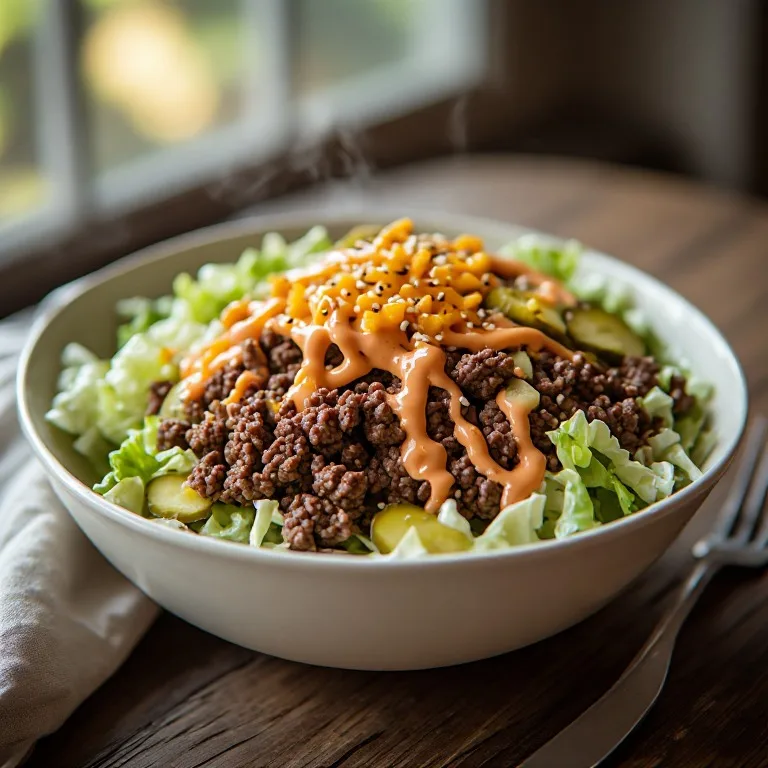
What about the leftover ranch cream sauce? It keeps in the fridge for a week and is excellent as a dip for raw vegetables, a spread on sandwiches, or a dressing for the viral grinder salad. It’s essentially a slightly pickled, cream-cheese-based ranch — treat it accordingly.