
Engagement Chicken — The Recipe Allegedly Behind Dozens of Marriage Proposals
Engagement chicken is one of the great food myths of the modern era — and also one of the genuinely best roast chicken recipes in existence. The story: a Glamour fashion editor published a whole roasted lemon chicken recipe in 2004, and within a few years, readers were writing in to report that every woman in the office who had made it for her boyfriend ended up with a ring. Whether the chicken actually caused proposals or whether it simply set a romantic table and the proposals followed for other reasons is immaterial. The recipe is extraordinary, and TikTok rediscovered it with the same infectious enthusiasm that made it a magazine phenomenon two decades earlier.
The Lemon Cavity Technique
Every element of engagement chicken is purposeful, but the microwaved lemons are the signature move that separates it from every other roast chicken recipe. You don’t just stuff raw lemon halves into the cavity. You pierce both lemons all over, microwave them until they’re hot and the juice presses toward the skin, and then push both whole lemons into the cavity. During the one-hour-plus roast, those lemons slowly release their juice and aromatic oils into the enclosed cavity, filling the chicken from the inside with continuous lemon-herb steam.
The result is that the meat itself — not just the skin — smells and tastes of lemon. Breast meat, which typically benefits least from cavity aromatics, picks up the citrus clearly in this method. You notice the difference.
Dry-Brining Makes the Skin
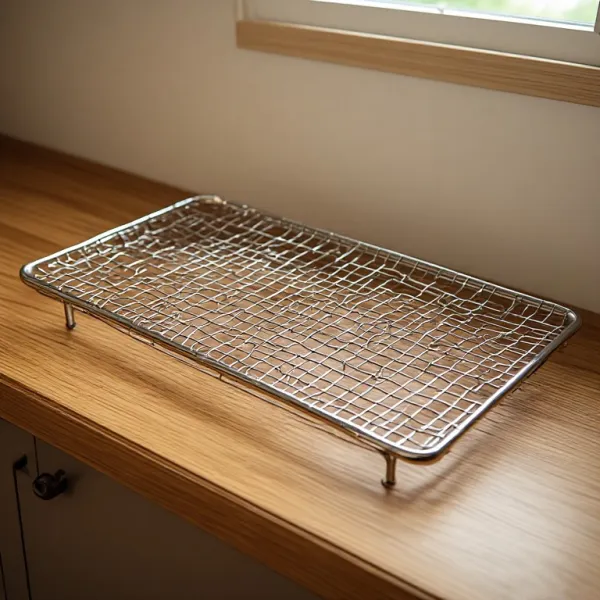
Engagement chicken is worth planning a day ahead. The overnight dry-brine — just salt, pepper, and a fridge rack with uncovered air circulation — draws out surface moisture from the skin and lets the salt penetrate into the meat. When the dry-brined chicken hits the 425°F oven, the moisture-free skin immediately begins to crisp. It blisters, then renders, then turns the kind of golden and shatteringly crisp that takes most recipes two methods and a hair dryer to achieve.
Same-day cooking produces a fine chicken. The brine produces something exceptional.
Why This Recipe Inspires Proposals
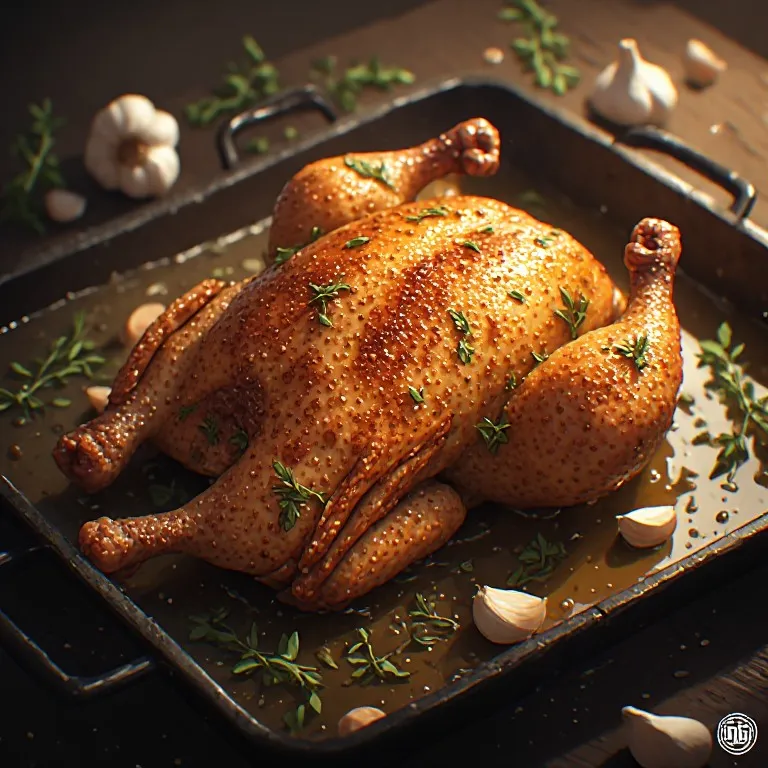
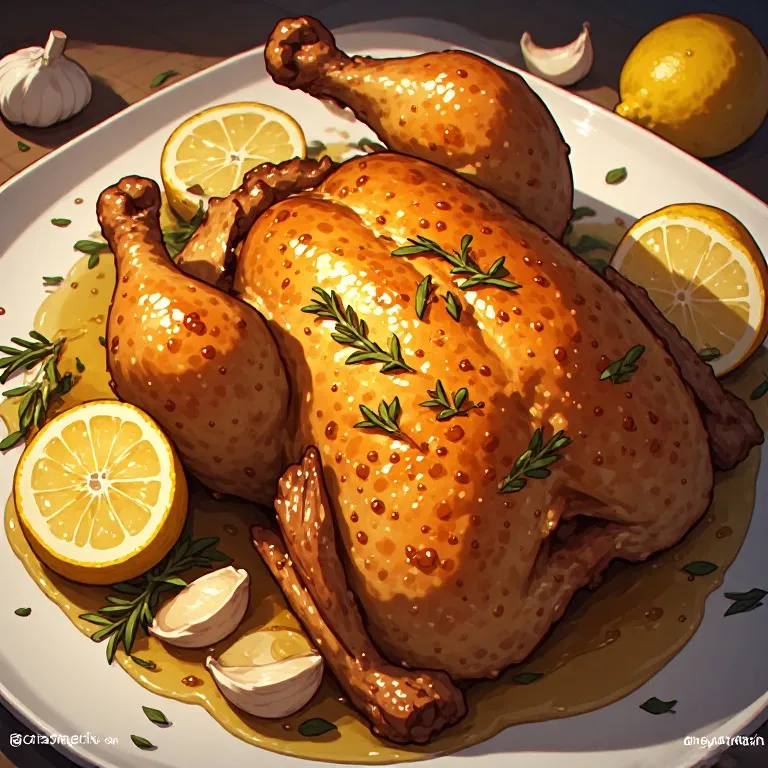
It’s not magic. It’s that roasting a whole chicken is an act of intention — it requires a few hours, some planning, and the kind of deliberate effort that a microwave dinner does not. A golden, aromatic whole bird on the table communicates care in a way that assembly-required meals don’t, regardless of the actual skill involved. And engagement chicken is genuinely beautiful: deep golden, perfumed with lemon and garlic, the skin lacquered and crisp, the pan juices pooling underneath. The romanticism is earned.
Three Variations
Herb-butter engagement chicken: Make a compound butter with softened butter, 2 tablespoons fresh tarragon, 1 tablespoon fresh thyme, and 1 clove minced garlic. Push it generously under the skin and spread the remainder over the outside. Omit the dried herbs and add the lemon as directed. The tarragon-lemon combination is exceptional.
Spatchcocked version: Remove the backbone (kitchen shears), press the chicken flat, and roast at 425°F for 40–45 minutes total. You lose the lemon cavity technique but gain dramatically crisper skin on the thighs and a faster cook time. Pierce the lemons, microwave, and place them cut-side down under and around the spatchcocked bird.
Engagement chicken for two: Use a 2–2.5 lb Cornish game hen instead of a full chicken. One pierced lemon fits in the smaller cavity. Roast at 425°F for 45–55 minutes. Plates dramatically well — each person gets their own bird.