Chicken Milanese
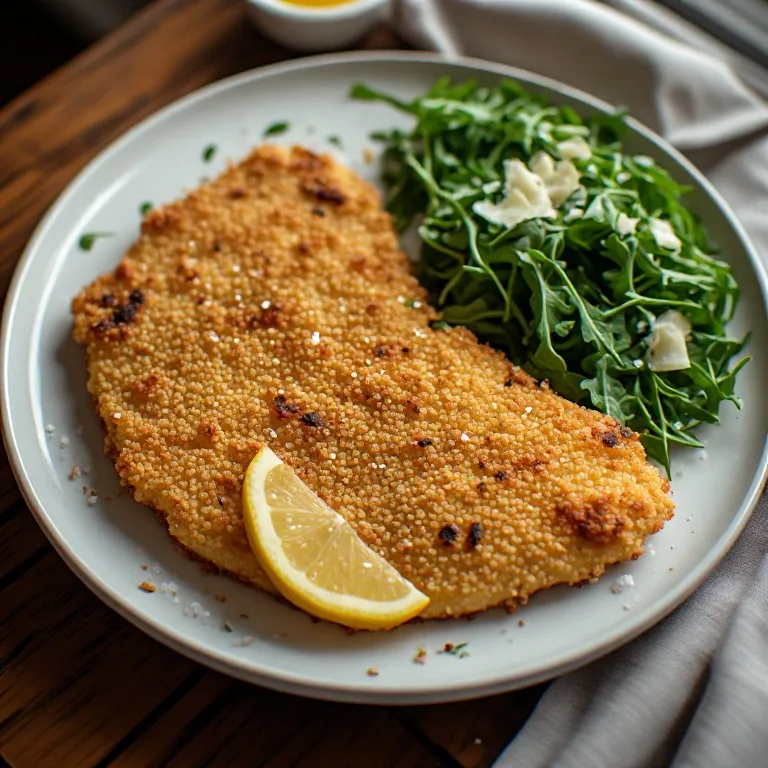
Quick answer: Butterfly 2 large chicken breasts, pound each half to 1/8-inch thickness through plastic wrap. Bread in flour → beaten egg → panko/Italian breadcrumbs/Parmesan mix. Rest on a rack 5 min. Shallow-fry in 1/4 inch of olive oil + butter over medium-high heat, 3–4 min per side until deep golden. Drain briefly, squeeze with lemon, top with dressed arugula and shaved Parmesan. Serve immediately.
Shop the tools
Gear matched to this recipe. These are Amazon affiliate links — we may earn a small commission if you buy, at no extra cost to you.
 Illustrative imageLodge 10.25" Cast Iron SkilletThe restaurant-grade sear most copycats depend onCheck price on Amazon →
 Illustrative imageNordic Ware Half Sheet PanCommercial-quality aluminum, bakes dead evenCheck price on Amazon →
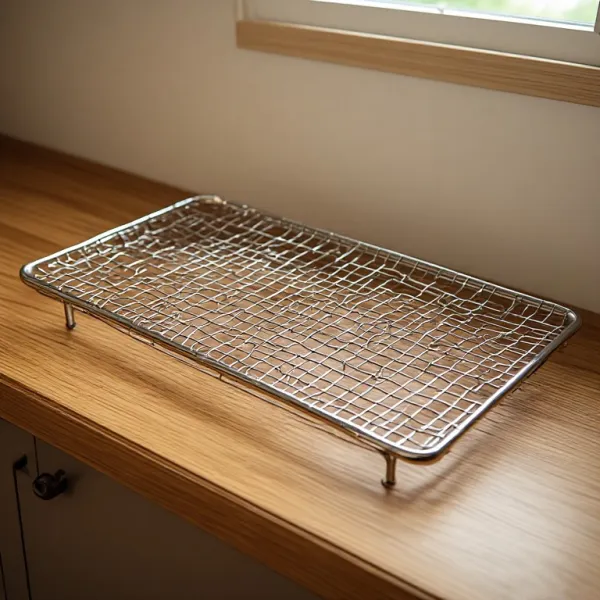 Illustrative imageWire Cooling Rack (Half-Sheet Size)Keeps fried and baked things crisp, never soggyCheck price on Amazon →
As an Amazon Associate, Copycat Spices earns from qualifying purchases. Product images are generic illustrations, not the exact item listed.
Chicken Milanese
The viral TikTok chicken milanese recipe: one enormous wafer-thin cutlet coated in Parmesan panko, pan-fried to golden, and piled with lemony arugula and shaved Parmesan. 30 minutes, restaurant plate presentation for $3 a serving.
Easy
Prep: 20 min
Cook: 12 min
Total: 32 min4 servings
~$4.50/serving
At home~$4.50/serving
vs
Restaurant~$20.25/serving
You save ~78%
The Story Behind the Recipe
Cotoletta di pollo alla Milanese — a breaded chicken cutlet done in the style of Milan — has been on Italian-American restaurant menus for decades, always overshadowed by its fancier cousins chicken piccata and chicken parm. Then TikTok discovered the "giant cutlet" technique. The move: butterfly a large chicken breast, pound it to an almost absurd 1/8-inch thickness, and what you get is a single golden cutlet that covers the entire plate like a crispy, shatteringly thin carpet. Dozens of creators racked up millions of views in 2022–2024 just by filming the moment the giant cutlet comes out of the pan. Ina Garten added fuel when her version — finished with a shallot vinaigrette and a mound of arugula — went viral separately, making chicken milanese the rare dish that cracked both the "home cook TikTok" and the "aspirational dinner party" algorithms simultaneously.
At Carbone or Cafe Altro Paradiso in New York the dish runs $42–58. The four-serving home version here costs about $12 in ingredients. The technique that actually matters — more than which breadcrumbs you use — is letting the breaded cutlets rest on a wire rack for 5 minutes before they hit the pan. That brief rest lets the egg and flour base set so the coating grips the chicken and doesn't slide off into the oil. The second thing: don't crowd the pan. One cutlet at a time, with enough oil that the bottom is shallow-frying rather than just sautéing.
Nutrition Facts
Per serving (4 servings)Calories540
Total Fat29g
Total Carbs26g
Dietary Fiber2g
Sugars2g
Protein41g
Sodium680mg
* Estimated values based on standard recipe preparation. Actual values may vary.
Ingredients
- For the cutlets
- For frying
- For the arugula topping
Instructions
Pro tip: This recipe tastes even better the next day. The flavors need time to meld together in the fridge.
Storage: Keeps in an airtight container in the fridge for up to 2 weeks. Freezer-friendly for up to 3 months.
Free PDF — instant download. We'll also send new seasonal copycat recipes now and then; unsubscribe anytime. Or just download it →
🎉 Your Halloween Cookbook is ready!
It's free — but if it's worth something to you, you can pay what you want. It keeps the recipes coming.
$
✓ Downloading your free Halloween Cookbook — check your downloads folder. Happy cooking!
Make It Healthier
Love Chicken Milanese but want a lighter version? Try these simple swaps:
- ✓Bake instead of pan-fry: spray the breaded cutlets with cooking spray and bake at 425°F on a wire rack over a sheet pan for 18–22 minutes, flipping once at 12 minutes. You'll sacrifice some crust crunch but cut about 10g of fat per serving.
- ✓Use whole wheat panko instead of regular to add 2–3g of fiber per serving with negligible change to texture or flavor — the Parmesan in the breading mix provides most of the structure anyway.
- ✓Skip the butter in the frying oil (use olive oil only) to eliminate the saturated fat from the butter while keeping the high smoke point you need for a proper crust.
- ✓Add thinly sliced fennel to the arugula salad instead of shallots — fennel adds crunch and sweetness that works especially well with the lemon dressing, and contributes additional fiber.
Frequently Asked Questions
What is the viral TikTok chicken milanese recipe?
The viral TikTok chicken milanese technique is the 'giant cutlet' — butterfly a large chicken breast and pound each half to 1/8 inch thickness, which produces a single cutlet that covers the entire plate. It's breaded in panko, Italian breadcrumbs, and finely grated Parmesan, pan-fried in olive oil and butter until deeply golden, then topped with lemony arugula and shaved Parmesan. Ina Garten's version with a shallot-Dijon vinaigrette went separately viral and is widely credited for the recent resurgence in home cooks making this dish.
How is chicken milanese different from chicken parmesan?
Both are breaded, fried chicken cutlets, but they diverge completely after the pan. Chicken Parmigiana goes into the oven with marinara and melted mozzarella — it's a braised, sauced dish. Chicken Milanese stays out of the oven: it's served immediately after frying, dry, with only a lemon squeeze and the arugula salad on top. The crust is meant to shatter; covering it with sauce would be completely wrong. Milanese is also typically pounded much thinner than a chicken parm cutlet, which prioritizes the crust-to-meat ratio over thickness.
Why does my breading fall off when frying?
The most common cause is skipping the resting step after breading. Once the cutlet is coated, it needs at least 5 minutes on a wire rack before hitting the hot oil — this lets the egg and flour layer partially set so the coating adheres to the meat rather than floating off in the fat. The second cause is a too-low oil temperature: if the oil isn't hot enough, the cutlet essentially poaches in the fat rather than forming a crust, and a wet coating slides off easily. Make sure the butter foam is subsiding before you add the chicken.
Can I make chicken milanese ahead of time?
The breaded, uncooked cutlets keep well: after breading, layer them between sheets of parchment paper on a baking sheet and refrigerate uncovered for up to 4 hours (uncovered helps the coating dry slightly, which improves adhesion during frying). Do not freeze breaded cutlets — the moisture from thawing turns the breading soggy before it hits the pan. Fry to order. The cooked cutlets can be kept warm on a wire rack in a 200°F oven for up to 15 minutes without significant crust loss.
What can I serve with chicken milanese besides arugula salad?
The arugula salad is classic for a reason — its bitterness and acidity cut through the fried richness in a way most other sides don't. Common alternatives: a shaved fennel and radicchio salad with lemon-anchovy dressing; a simple tomato-basil salad dressed with only olive oil and flaky salt; or burrata placed directly on the hot crust (the heat softens it slightly). For a more substantial meal, serve alongside lemon-dressed spaghetti aglio e olio or roasted white beans.
What is the difference between chicken milanese and chicken schnitzel?
Nearly identical techniques: both are pounded thin, breaded, and pan-fried. The differences are regional and in the details. German and Austrian schnitzel traditionally uses veal (Wiener Schnitzel) or pork (Schweineschnitzel); Italian Milanese uses veal or chicken. Austrian schnitzel relies on fine, dry breadcrumbs (semmelbrösel) and fries in clarified butter or lard; Italian Milanese uses a mix of panko and Italian breadcrumbs with Parmesan, and fries in olive oil with butter. The Austrian version is traditionally not topped with anything but a lemon wedge; the Italian version is defined by the arugula and shaved Parmesan on top.
Can I make chicken milanese gluten-free?
Yes, with a straight swap of all three breading components. Use a cup-for-cup gluten-free all-purpose flour for the dredge, and replace both the panko and Italian breadcrumbs with gluten-free panko (now widely stocked) plus a pinch of dried oregano and basil to mimic the Italian-seasoned crumbs. Keep the Parmesan — it's naturally gluten-free and does most of the browning. The egg and everything in the arugula salad are already gluten-free. The only technique note: gluten-free crumbs can brown slightly faster, so pull the first cutlet a touch earlier and use it to gauge the rest.
Love this recipe? Share it!
Made it? Buy us a coffee
Every recipe here is free, with no paywalls. If this one was a hit at your table, a small tip keeps new copycats coming.
$
💛 Support checkout is coming soon — the cookbook stays free either way.

Ratings & Reviews
Rate this recipe
Click a star to rate