


Feta Baked Eggs — One Skillet, Maximum Drama
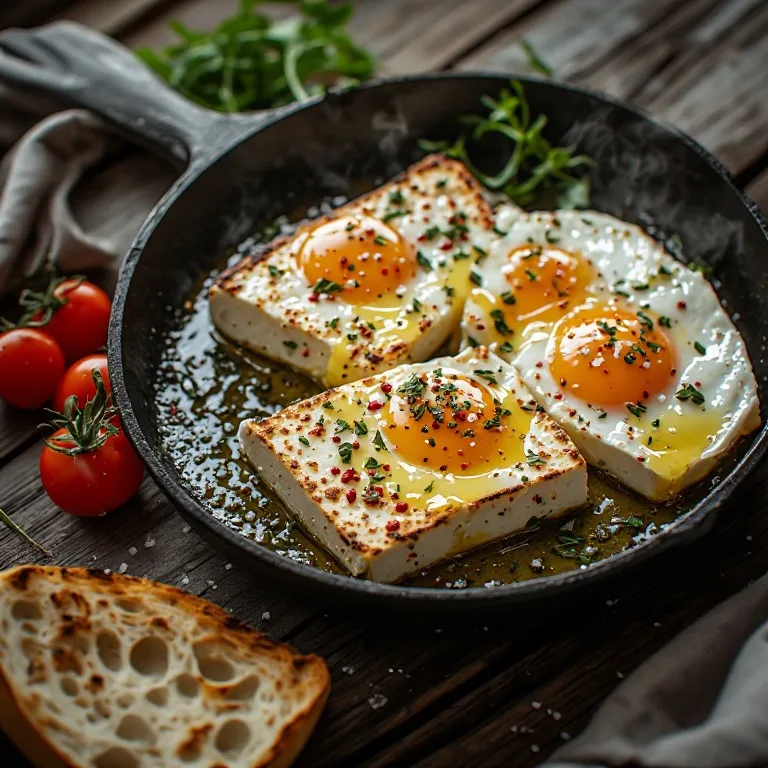
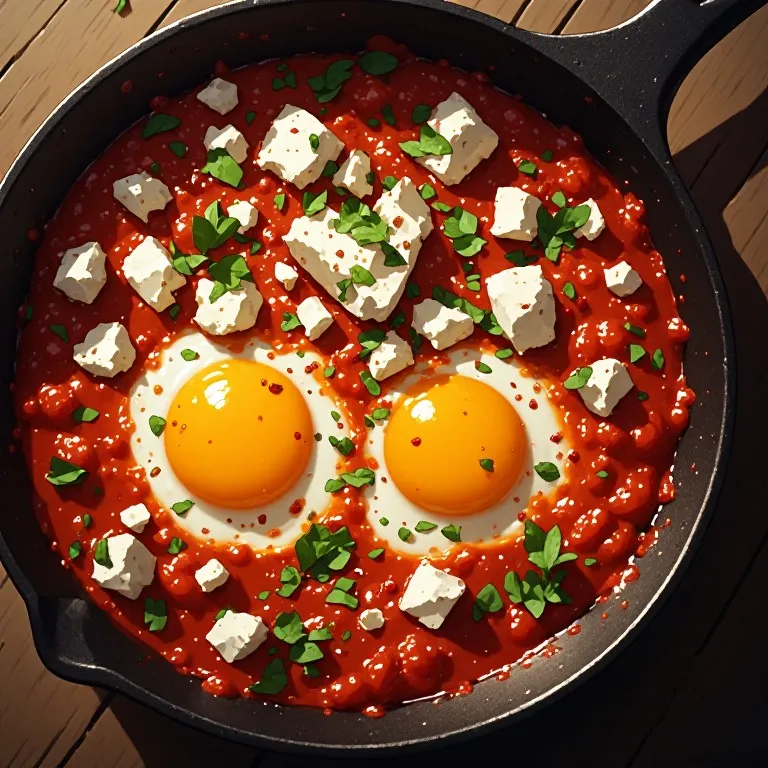
The moment you break into a softened block of feta with a piece of crusty bread and watch it collapse into spiced tomato sauce, you understand exactly why this dish colonized TikTok. It looks like something that took planning and skill. It took twenty minutes and one pan.
The Feta Pasta Effect
When baked feta pasta went viral in 2021 — one block of feta roasted with cherry tomatoes, tossed with pasta — it introduced millions of home cooks to a simple truth: feta transforms under heat. Instead of staying crumbly and sharp, it becomes silky, mellow, and almost mousse-like. The baked feta egg dish rides that same wave but frames it as a brunch centerpiece, adding protein from the eggs and a more complex sauce base.
TikTok creators started posting variations through 2024 and 2025, each one slightly different — some adding harissa, some using chili crisp, some piling the finished dish with cucumber and herbs for a fuller Mediterranean spread. The core of the recipe stayed the same because the core is already perfect: a spiced tomato sauce, a block of feta, eggs baked in wells around it.
Why the Technique Works
The whole block is the key visual element. Crumbled feta disappears into the sauce too quickly and dries out before the eggs are cooked through. A solid 150g block takes the full baking time to soften from the outside in, which means by the time the eggs are set, you still have a creamy, just-melting feta centerpiece rather than a uniform sauce.
Oven temperature controls egg timing. At 200 °C, the whites set in about 12 minutes while the yolks stay runny. Going lower than this means the feta doesn’t brown and the eggs take too long. Going much higher and the yolks overcook before the whites are fully set around the edges. If your oven runs hot, check at 10 minutes.
The tomato base needs to reduce. Don’t rush the stovetop step. Five minutes of simmering concentrates the tomatoes and drives off excess water. Watery sauce means the eggs slide around and the dish looks thin. You want a sauce thick enough to hold the egg wells cleanly.
Serving Feta Baked Eggs
Bring the skillet directly to the table — the cast iron keeps everything hot for at least 10 minutes, which is useful for a leisurely brunch. Scatter herbs over the top and drizzle olive oil from a height for the full visual effect. Tear bread rather than slicing it; torn pieces have more surface area to scoop sauce.
One skillet feeds two people generously or three people lightly. Scale up by using a larger pan and adding more eggs — the sauce recipe doubles easily.
Variations Worth Trying
Harissa and honey: Stir a tablespoon of rose harissa into the tomato base and drizzle a little honey over the finished dish. The floral heat and sweetness against the salty feta is one of those flavor combinations that seems strange until you taste it.
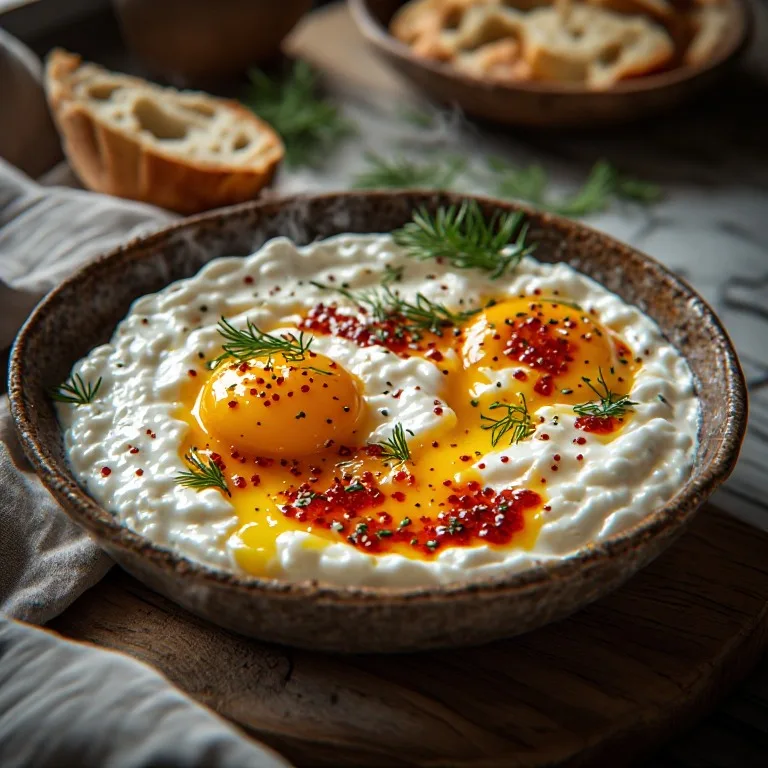
Chili crisp finish: Skip the crushed chili flakes in the sauce and instead spoon chili crisp oil over everything right before serving. You get more textural contrast and a different kind of heat that sits on top of the dish rather than throughout.
Green herb sauce: Blend a handful of parsley, a garlic clove, lemon juice, and olive oil into a rough chimichurri-style sauce and drizzle it over the finished eggs. The brightness cuts through the richness of the feta and makes the whole dish feel lighter.
Feta baked eggs is the rare recipe that rewards beginners and experienced cooks equally. There’s almost nothing that can go wrong with it, and the combination of flavors — salty, smoky, tangy, rich — is complex enough to make people think you put in real effort. That gap between apparent effort and actual effort is precisely why it keeps going viral.