


Viral TikTok Turkish Eggs (Çılbır)
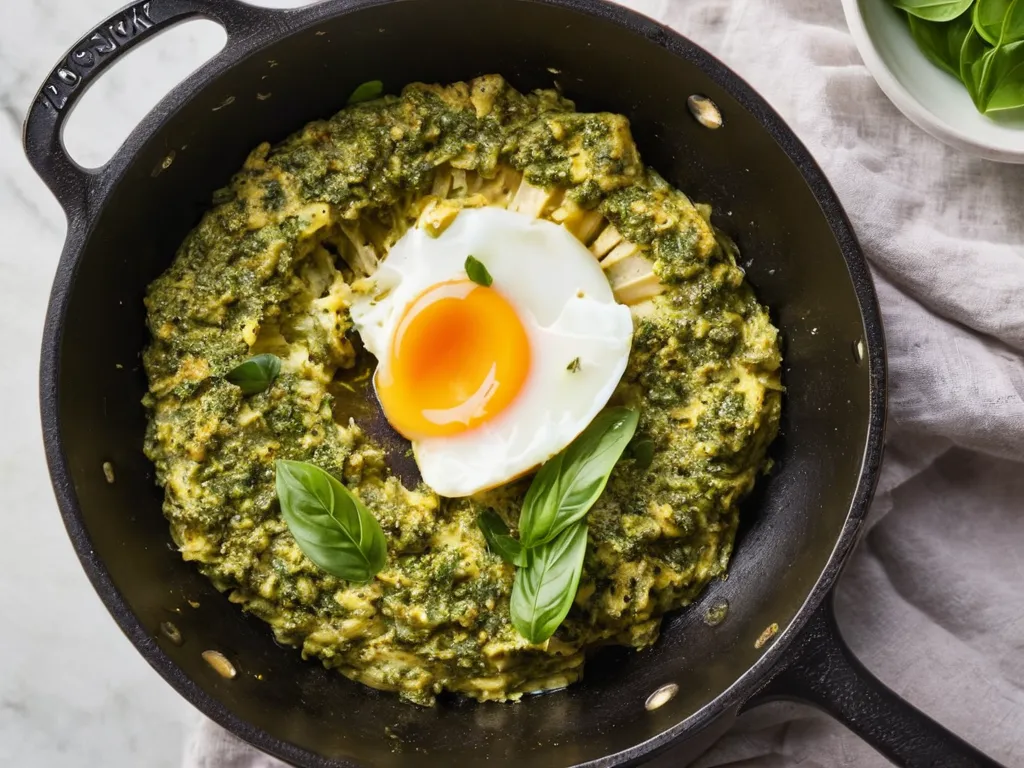
The TikTok clip that made this dish famous follows the same structure every time: a spoon spreading white yogurt on a plate, a poached egg lowered into the center, and then the camera holding steady as a stream of brilliant red-orange butter is poured over the top. The butter hits the yogurt and sizzles. The color blooms outward. Fresh dill lands across the surface. The creator brings a spoon through the yolk and the clip ends.
The combination of flavors — garlic yogurt, runny egg yolk, spiced butter — has been a Turkish breakfast staple for at least 500 years. What TikTok added was the camera angle to show why it works.
What Is Çılbır?
Çılbır appears in Ottoman palace cooking records from at least the 15th century, making it one of the oldest documented Turkish dishes still eaten in its original form today. It was a palace preparation — poached eggs required more careful technique than everyday egg cookery, and the yogurt base was a marker of quality ingredients. The dish eventually became a common Turkish breakfast across all economic levels; today it is found in every Turkish home and on the menus of traditional breakfast restaurants (kahvaltısalonu).
The name has no widely agreed etymology. It is purely Turkish, and Turkish food historians have not reached consensus on its original meaning.
The three-layer structure is fixed: yogurt below, poached egg in the center, spiced butter on top. The proportions and specific spices vary by region and cook. Some versions add fresh mint or sumac to the yogurt. Some use Urfa biber (a darker, smokier Turkish pepper) instead of Aleppo. The butter might be clarified or browned. But the architecture — cool yogurt, warm egg, hot butter — does not change. That temperature layering is the dish.
Why the Temperature Contrast Is the Entire Point
Most egg dishes involve one temperature: the egg is warm and everything else is warm alongside it.
Çılbır works on three distinct temperatures hitting your palate simultaneously. The yogurt is cool (room temperature, not cold — more on this below). The poached egg is warm. The butter is hot enough to sizzle when it hits the cold yogurt. When you break the yolk with a piece of bread and drag it through the yogurt and butter together, you get all three textures in one bite: the cool, creamy, acidic yogurt; the rich liquid yolk; the spiced, slightly nutty heat of the Aleppo butter.
This temperature interplay is why the room-temperature yogurt instruction is not optional. Cold yogurt — straight from the refrigerator — cools the poached egg within seconds and collapses the entire structure. The dish still tastes fine. But the thing that makes it genuinely surprising — that contrast you feel on the first bite — requires the yogurt to be at room temperature.
Pull it from the refrigerator 30 minutes before you start cooking. Or microwave it in 10-second bursts until it no longer feels cold to the touch. You are not warming it; you are removing the chill.
The Yogurt Base: Garlic Amount Matters
Full-fat Greek yogurt is the only correct choice here. Low-fat yogurt is thinner and less tangy; it spreads poorly and lacks the richness to stand up to the butter. Labneh (strained yogurt) is an excellent upgrade — denser, tangier, higher in protein, and it holds the eggs more firmly.
Garlic: use one small clove, grated on a microplane. Raw garlic in cold yogurt can be aggressive — too much clove, and the garlic note dominates everything else. A microplane produces a fine paste that distributes invisibly; minced garlic leaves detectable chunks that concentrate. If you are sensitive to raw garlic, use half a clove, or let the seasoned yogurt sit 5 minutes before serving — brief contact with the yogurt’s mild acidity mellows the sharpness significantly.
Season with salt and taste. The yogurt should be pleasantly savory, not aggressively garlicky. It will be the backdrop against which the egg and butter stand out; if the yogurt dominates, the dish loses its balance.
Poaching Eggs: The Three Variables
Temperature. The water should be at a bare simmer — approximately 180–190°F. Tiny bubbles rising from the bottom, no movement at the surface. A rolling boil physically tears forming whites apart as they try to set. This is where stringy, ragged poached eggs come from, not from technique. If the water is simmering properly, the whites will coagulate gently around the yolk into a clean, rounded shape.
Freshness. Fresh eggs have denser, more cohesive whites that hold together around the yolk. Older eggs have looser, more liquid whites that spread out across the pan no matter how careful you are. If you have eggs that are more than a week old, strain each cracked egg through a fine-mesh sieve before poaching — this removes the loose outer white that causes the wisps.
Vinegar. A tablespoon of white vinegar in the poaching water lowers the surface tension and helps the egg proteins coagulate faster. The whites set before they spread. It does not flavor the eggs. This is not optional if you want clean results.
The Aleppo Pepper Butter
Aleppo pepper — called pul biber in Turkish — is a semi-dried chili flake from the Syria-Turkey border region with moderate heat (about 10,000 Scoville, a fraction of cayenne’s 35,000), a fruity, slightly sun-dried-tomato quality, and an inherent oiliness that comes from the seed oil in the flake. When it hits hot butter, it blooms immediately into a deep red-orange, and the butter turns fragrant within 20 seconds.
The technique: melt the butter until it foams and the foam begins to subside — not until it browns. Add the Aleppo pepper all at once. It will sizzle. Swirl the pan for 20–30 seconds, just until you smell the pepper blooming and the color has shifted to deep orange-red. Remove from heat immediately. Aleppo pepper burns in seconds; once it smells toasty, it’s done.
Substitution: ½ teaspoon sweet paprika plus ½ teaspoon regular red pepper flakes approximates the color and mild heat. Urfa biber (isot pepper) is a Turkish alternative — smokier, darker, with a raisin-like depth that produces a richer, less bright version of the dish. Do not substitute straight cayenne; it is far hotter and lacks the fruity quality that makes Aleppo butter distinctive.
Assembly: The Pour Is the Dish
Once the eggs are on the yogurt, pour the hot Aleppo butter immediately — while it is still hot enough to sizzle on contact. The visual of that red-orange butter spreading through the white yogurt is what TikTok made famous. The sizzle is real and audible. Work quickly: the butter cools fast and will not sizzle if you wait.
Fresh dill finishes the dish. It is not optional in the traditional version — the grassy, anise-light flavor of dill against the spiced butter and tangy yogurt is as important to the dish as any other element. Fresh mint is an acceptable substitute; dried herbs are not.
Serve immediately with crusty bread for tearing and dragging through the yogurt and butter. The bread is structural — this dish is eaten by dipping rather than using a fork.
4 Variations Worth Making
With labneh: Use labneh (strained yogurt) in place of Greek yogurt for a denser, tangier, higher-protein base. Thin it slightly with 1–2 tablespoons of warm water if it is too stiff to spread. The sharper tang of labneh against the sweet-fruity Aleppo butter is arguably better than the Greek yogurt version.
Urfa biber butter: Replace Aleppo pepper with Urfa biber (isot pepper). The butter turns a deep purple-brown instead of red-orange; the flavor is smokier, darker, and slightly chocolatey. A very different mood — more wintery, less bright.
Sumac yogurt: Stir ½ teaspoon of sumac into the yogurt base alongside the garlic and salt. Sumac adds a tart, slightly citrusy-red note that complements the richness of the egg and butter. A drizzle of olive oil on the yogurt instead of (or alongside) the Aleppo butter makes a lighter, less rich version.
Shakshuka-Çılbır hybrid: Poach the eggs directly in a simple spiced tomato sauce (shakshuka style), then serve them and the surrounding sauce on the garlic yogurt base, skipping the Aleppo butter. The tomato sauce provides the color and heat; the yogurt base provides the cool contrast. An unusual combination that turns two classic dishes into something new.
Common Mistakes
Cold yogurt. The most common failure. Pull it from the fridge 30 minutes before you start.
Too much garlic. One small clove, microplane-grated. More than that, the yogurt becomes sharp and one-dimensional.
Boiling water for poaching. The water should be simmering — 180–190°F, not boiling. A rolling boil tatters whites.
Burning the Aleppo butter. It takes less than a minute once the pepper hits the fat. Watch it, swirl it, and remove it from heat the moment it smells toasty. Burned Aleppo butter is bitter.
Dripping wet eggs. Rest the slotted spoon on a paper towel for 10 seconds after lifting each egg. Surface water dilutes the yogurt under the egg and makes the presentation look sloppy. Ten seconds of drainage costs nothing.
Waiting to pour the butter. The butter must be poured while hot enough to sizzle. If it cools to room temperature in the pan, it will not sizzle on contact with the yogurt and the visual hook of the dish disappears entirely.
What to Serve Alongside
Çılbır is a complete breakfast on its own. With bread, it needs nothing else. But if you are building a full Turkish-style spread:
- A plate of sliced tomatoes, cucumbers, and olives
- Viral TikTok feta baked eggs on the same table — both dishes belong to the Mediterranean eggs-for-breakfast tradition, but differ enough that they complement rather than duplicate each other
- Viral TikTok shakshuka if you want a tomato-forward counterpoint alongside the yogurt base
- Strong black tea or Turkish coffee
For a weekday version: the yogurt base takes 2 minutes. The poached eggs take 3 minutes. The butter takes 90 seconds. Fifteen minutes total, start to plate, for a meal with about 27 grams of protein that costs under $3 per person and looks like something from a restaurant.