


Pin It

Viral TikTok Crispy Feta Eggs: The 5-Minute Breakfast That's All Over Fall 2026

Viral TikTok Crispy Feta Eggs: The 5-Minute Breakfast That's All Over Fall 2026
Jump to Recipe
Prep 2 min Cook 6 min Serves 2
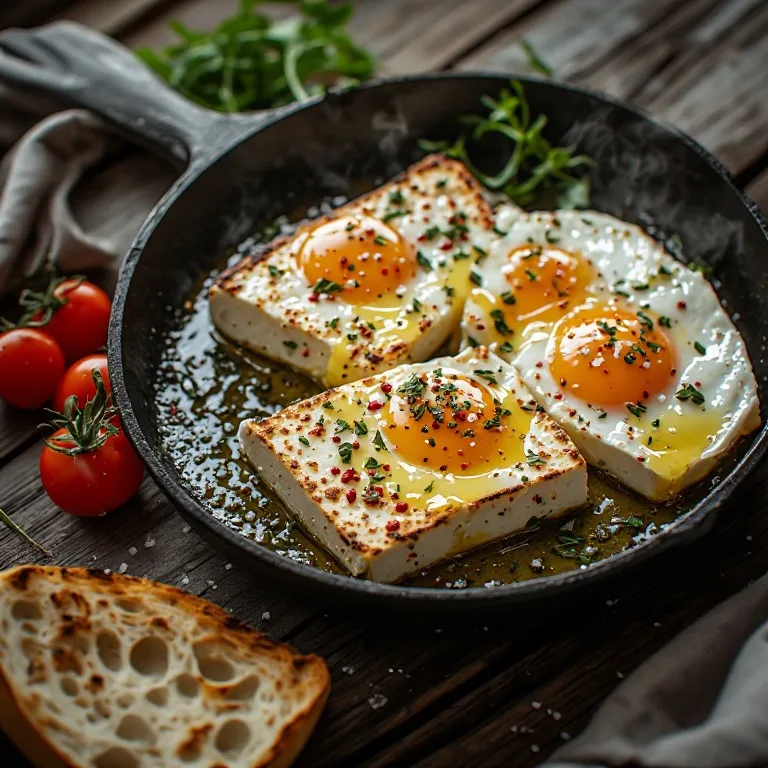
Quick answer: Heat 2 tablespoons olive oil in an 8–10 inch nonstick skillet over medium-low heat. Pat two ½-inch-thick slabs of block feta dry, then add them to the warm oil. Cook undisturbed for 2–3 minutes until the bottom edges turn golden and the feta releases cleanly from the pan. Flip gently. Immediately crack one egg alongside each feta slab (not on top). Baste the egg whites with hot oil for 2–3 minutes until set but the yolk is still runny. Season with dried oregano, red pepper flakes, and flaky sea salt. Serve on toast or warm pita. The key: use feta from a block (not bagged pre-crumbled), keep the heat at medium-low throughout, and add the egg after the first flip — never at the same time as the feta.

Shop the tools

Gear matched to this recipe. These are Amazon affiliate links — we may earn a small commission if you buy, at no extra cost to you.

As an Amazon Associate, Copycat Spices earns from qualifying purchases. Product images are generic illustrations, not the exact item listed.

Viral TikTok Crispy Feta Eggs: The 5-Minute Breakfast That's All Over Fall 2026

Pan-fried feta develops a golden, lacy crust while the inside stays creamy and soft — then you crack an egg right next to it. Three things most recipes get wrong, the temperature secret, and why block feta is non-negotiable.

Easy Prep: 2 min Cook: 6 min Total: 8 min2 servings ~$4.20/serving
Prep2 min
Cook6 min
Total8 min
Servings
2
At home~$4.20/serving
vs
Restaurant~$18.90/serving
You save ~78%

The Story Behind the Recipe

Pan-fried feta develops a golden, lacy crust while the inside stays creamy and soft — then you crack an egg right next to it. Three things most recipes get wrong, the temperature secret, and why block feta is non-negotiable.

Nutrition Facts

Per serving (2 servings)
Calories380
Total Fat27g
Total Carbs20g
Dietary Fiber2g
Sugars2g
Protein22g
Sodium850mg

* Estimated values based on standard recipe preparation. Actual values may vary.

Ingredients

  • Crispy Feta Eggs
  • To serve

Instructions

💡
Pro tip: This recipe tastes even better the next day. The flavors need time to meld together in the fridge.
❄️
Storage: Keeps in an airtight container in the fridge for up to 2 weeks. Freezer-friendly for up to 3 months.
🎃 Free Halloween cookbook — download now The Copycat Halloween Cookbook A ready-made, photo-illustrated PDF of our best halloween copycat recipes — free to download, no building required. Pay what you want to support if you love it.

Free PDF — instant download. We'll also send new seasonal copycat recipes now and then; unsubscribe anytime. Or just download it →

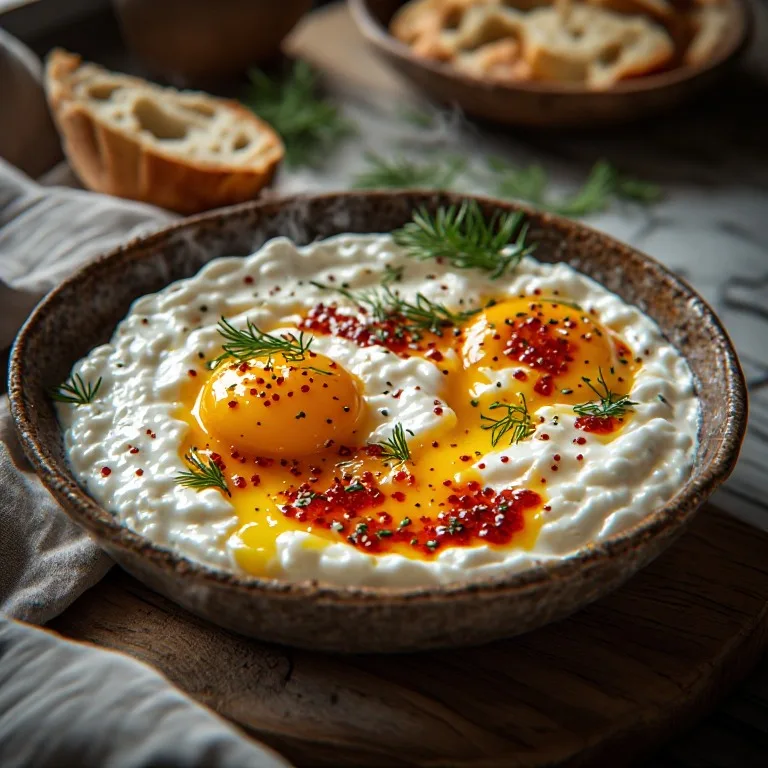
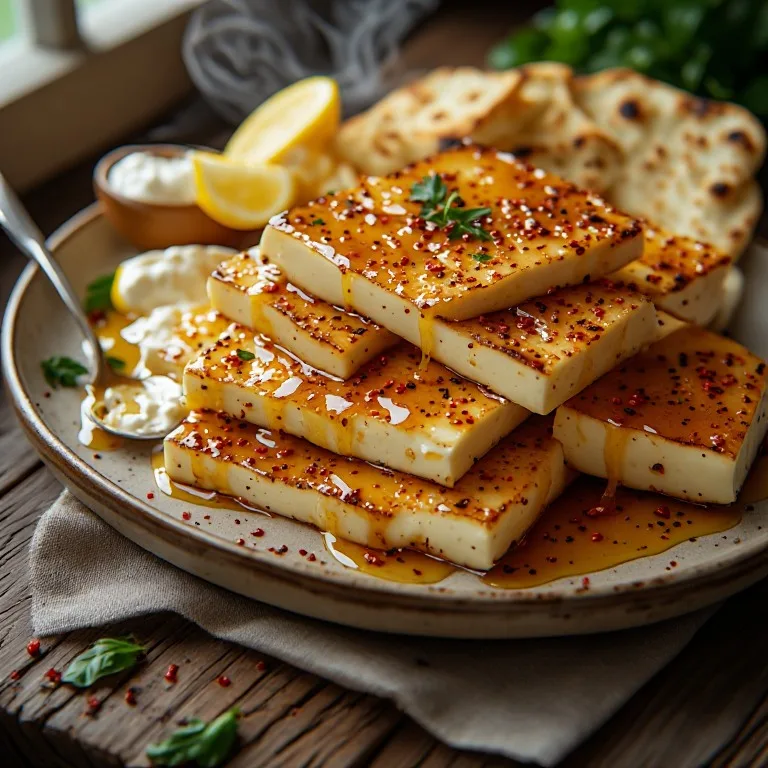
In fall 2026, crispy feta eggs took over the part of TikTok that belongs to easy, five-ingredient breakfasts with one surprising technique. The format is straightforward: a thick slab of feta, fried in olive oil until the outside turns golden and lacy while the inside stays soft, with an egg cracked alongside it in the same pan. The result is a protein-rich breakfast that looks harder than it is — and the honey version, with a drizzle over the warm crust, is responsible for most of the comments saying “I made this three days in a row.”

The technique is simple enough that most people try it once, stumble on the same few mistakes, and then get it exactly right on the second try.

Three Things Most Recipes Get Wrong

1. Using Bagged Pre-Crumbled Feta

This is the mistake that produces scrambled cheese bits instead of a crust — and it’s a specific mistake, not a blanket “no crumbles” rule. Bagged pre-crumbled feta is coated in anti-caking agents (cellulose or potato starch) that interfere with browning, and it’s already dried out, so it fries into scattered, chalky fragments instead of melting together into a golden face.

The fix is to start from a block of feta packed in brine, then choose your texture. This recipe uses the slab method: a ½-inch-thick slab cut from the block, whose flat cut surface undergoes the Maillard reaction and gives you one clean, sliceable crust. The other legitimate path — and the one behind most of the viral clips — is crumbling that same block fresh into a ring around the egg, where the crumbles melt into a lacy, free-form lattice. Both work. The only rule is: block, not bag.

Greek-style block feta in brine (domestic or imported) is the standard option. Bulgarian feta, which is creamier and higher in fat, gives you a slightly richer interior and browns a touch faster. French feta (very soft, almost spreadable) tends to be too fragile for the slab method and can fall apart — for slabs, stick to Greek or Bulgarian.

2. The Temperature Is Wrong

Too high a temperature scorches the feta exterior before the interior has a chance to warm and soften. Too low and the feta softens and crumbles rather than developing the crust. The target is medium-low — enough heat for the Maillard reaction to happen at the feta’s surface, but gently enough that the heat has time to travel inward without burning the outside.

In practical terms: the oil should shimmer when you tilt the pan but not smoke. When the feta goes in, it should sizzle gently — a soft, steady hiss — not crackle aggressively. If you’re hearing a sharp spit and seeing oil jumping, the heat is too high. Reduce it, wipe the pan, and start again.

3. Adding the Egg at the Same Time as the Feta

The feta needs 2–3 minutes of undisturbed, oil-contact cooking to develop its crust before you add the egg. If you add both at once, the egg will be done in 3 minutes while the feta still has a soft white surface that hasn’t browned — or you cook the feta long enough and the egg is rubbery and overdone. The sequence is non-negotiable: feta in, feta develops crust, feta flipped, egg goes in right after the flip, both finish together.

The Crust: What’s Actually Happening

Feta contains proteins and trace sugars at its surface. When those hit oil that’s been heated to the right temperature, the Maillard reaction — the same browning reaction that sears a steak — produces hundreds of new flavor compounds: nutty, savory, slightly caramelized. That’s the golden crust.

Below the crust, the heat hasn’t fully penetrated yet. The interior stays at a lower temperature, which means the fat and protein there haven’t denatured to the point of dryness — the interior stays soft, slightly creamy, still with that characteristic briny, milky feta flavor. The contrast between the lacy exterior and the warm creamy interior is the whole point of the technique.

This is why patting the feta dry matters: surface moisture turns to steam, which lowers the effective surface temperature and blocks the Maillard reaction from happening. Dry surface, hot oil, undisturbed contact — those three things produce the crust.

The Honey Drizzle Version

The version getting the most TikTok attention in fall 2026 involves drizzling honey over the finished feta just before serving.

It works because feta is one of the saltier cheeses by nature (it’s cured in brine), and the warm crust amplifies that salty, savory character. Honey adds contrasting sweetness, a floral-caramel note, and a sticky quality that makes it pool in the crevices of the crust. The combination — warm salty-crispy-creamy cheese, runny egg yolk, and honey — produces a flavor contrast that photographs well and tastes better than the sum of its parts.

Any honey works: clover is neutral and classic; thyme honey (Greek thyme honey in particular) reinforces the Mediterranean flavor profile; chili honey adds heat alongside the sweetness. Use about a tablespoon, drizzled from a spoon rather than squeezed from a bottle so you can control the amount.

The Basting Technique for the Egg

The fastest way to set egg whites without flipping the egg is basting: tilt the pan so the hot oil pools at the far edge, scoop it with a spoon, and pour it continuously over the whites.

Basting works because the hot oil carries heat to the top surface of the white, setting it from above while the pan heat sets it from below — the yolk stays insulated in the middle and doesn’t firm up as fast. Two to three minutes of basting produces fully-set, fully-opaque whites with a yolk that still jiggles when you shake the pan.

If you don’t baste, the whites can take 5–6 minutes to set from the bottom alone, and the edges start to lace and crisp before the center is done. Basting is the technique that makes restaurant fried eggs look uniform — and it’s the same technique here.

Serving Options Beyond Toast

Sourdough or country bread: The classic. The tang of sourdough against the saltiness of the feta is the intended combination. Use a thick slice, well-toasted so it can hold up to the runny yolk without going soggy.

Warm pita: Slightly softer, which makes the feta and egg sit into it rather than on top. Works particularly well with the honey version and with a simple tomato-cucumber salad on the side.

Over a grain bowl: Farro, freekeh, or quinoa make this a full meal. Dress the grains with olive oil, lemon, and za’atar first; the runny yolk and oil from the pan serve as additional dressing when you mix it all together.

No carbs: Serve directly on a plate alongside sliced avocado and halved cherry tomatoes. The avocado does the same structural job as toast while adding creaminess. Add a squeeze of lemon.

Cost Comparison: Home vs. Restaurant

A feta egg dish at a brunch spot runs $15–22 depending on the city. The ingredients at home: about $0.75–1.00 for two slabs of block feta (from a $4–6 block that holds 8–10 servings), $0.50–0.80 for two eggs, $0.30 for toast, $0.40 for olive oil, and under $0.10 for seasonings. Total per serving: roughly $2.00–2.60. The restaurant version often uses the same ingredients; you’re paying for the plating and the address.

Nutrition (Per Serving: 2 Feta Slabs + 1 Egg + 1 Toast Slice)
With ToastWithout Toast (keto)
Calories~380~290
Protein~22g~18g
Carbs~20g~3g
Fat~27g~23g
Sodium~850mg~810mg

Note: feta is naturally high in sodium from the brine curing process — this is not adjustable in the recipe. Rinsing the feta under water before cooking may modestly reduce its surface sodium if you need to manage intake, but it also strips some of the surface salinity that contributes to the crust and flavor — a light pat-and-rinse is a better compromise than a long soak.
🥗

Make It Healthier

Love Viral TikTok Crispy Feta Eggs: The 5-Minute Breakfast That's All Over Fall 2026 but want a lighter version? Try these simple swaps:

  • ✓Skip the toast and serve the feta and egg directly over a handful of arugula with a squeeze of lemon — drops the carb count to under 5g and adds fiber and peppery bitterness that cuts the fat.
  • ✓Use one egg instead of two to reduce calories by about 75 and fat by 5g; the feta still provides about 8g of protein per slab.
  • ✓Reduced-fat feta can technically work but produces a drier, crumblier crust. If you want to cut calories from the cheese, use one normal-fat slab instead of two.
  • ✓Swap the honey drizzle for a teaspoon of hot sauce — adds flavor complexity and zero calories.

Frequently Asked Questions

What type of feta works best for crispy feta eggs?

Block feta packed in brine — Greek-style, full-fat. Look for it in the deli section or specialty cheese area, sold in a container of cloudy brine. Bulgarian feta (creamier, higher fat) also works well and produces a slightly richer crust. French feta (very creamy, almost spreadable) is too soft and tends to fall apart. Avoid reduced-fat feta: the lower fat content means less surface browning and a drier interior.

Can I use crumbled feta?

It depends on which kind. Bagged pre-crumbled feta is the one to avoid — it's coated in anti-caking agents (cellulose or potato starch) that interfere with browning, and it's drier, so it tends to fry into scattered, chalky bits rather than crisping. But crumbling your own from a block absolutely works and is actually the most common viral version: scatter the fresh crumbles in a ring around the egg and they melt together into a lacy, golden crust. That crumble-ring method and the solid-slab method in this recipe are two legitimate paths to the same crispy-feta result — the slab gives you one clean, sliceable crust, while the crumble gives you a lacier, more free-form lattice. The only real rule is start from a block, never the bag.

What is the difference between crispy feta eggs and baked feta eggs?

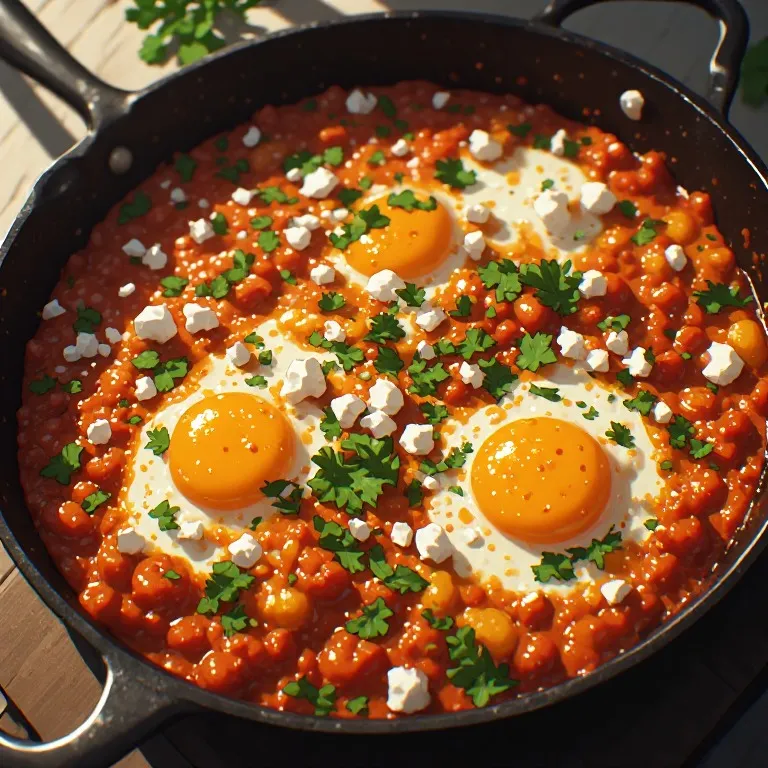
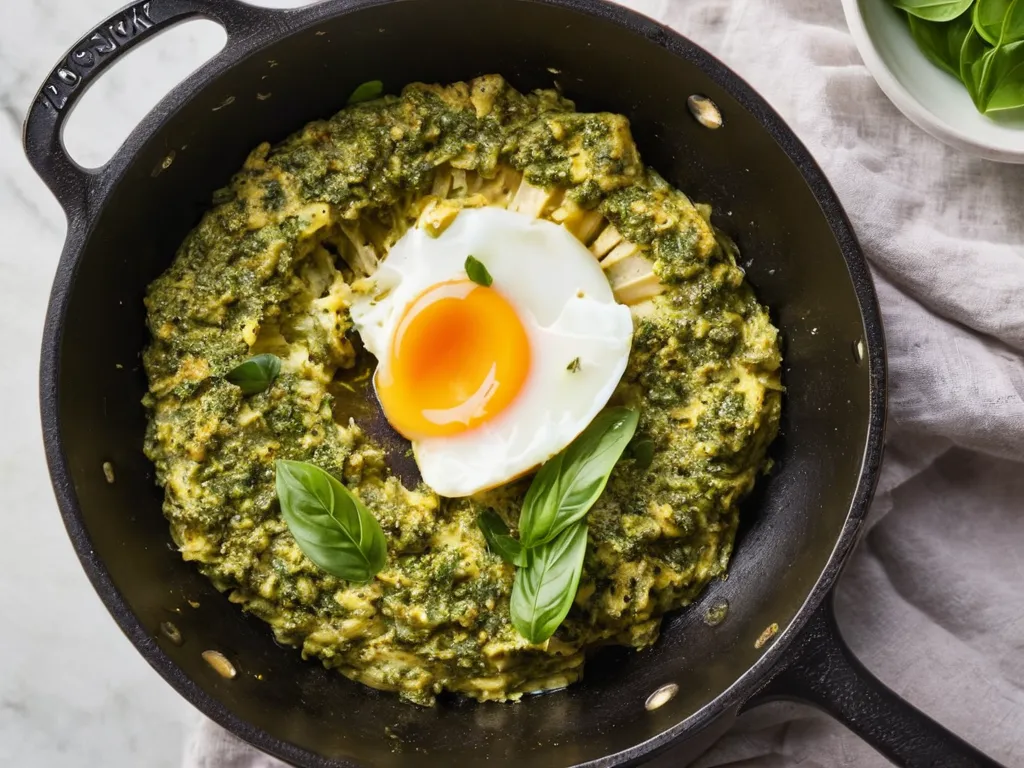
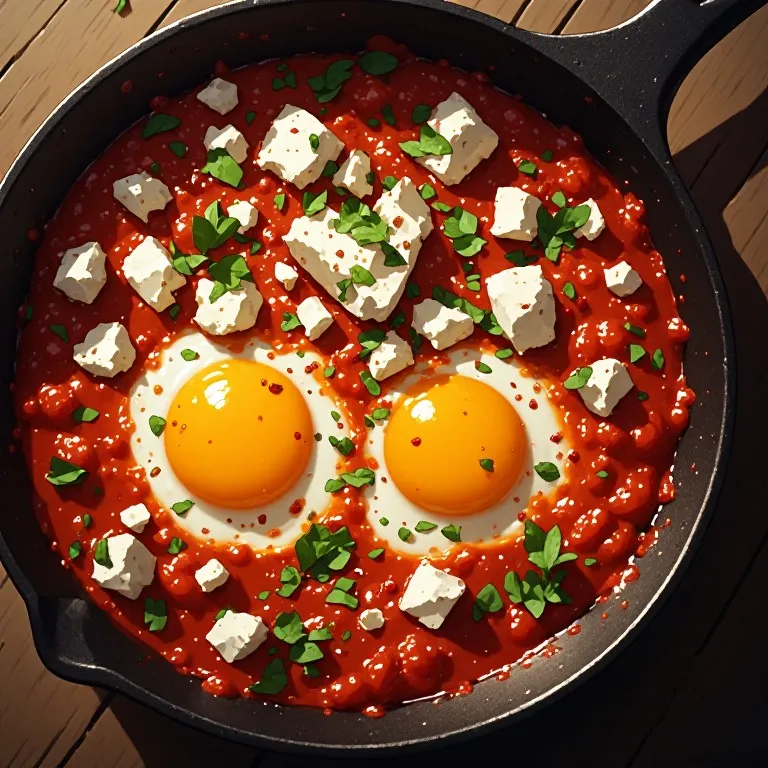
They are two completely different cooking methods with different results. Baked feta eggs are an oven dish — feta crumbles baked in a baking dish, usually with tomatoes and vegetables, with eggs broken in and baked together until the whites set. The feta softens throughout without developing a crust; it mingles with the tomato juices and bakes down. Crispy feta eggs are a stovetop pan-fry: the feta develops a golden, lacy exterior crust from direct contact with hot oil while staying creamy inside, and the egg is cooked alongside it in the same pan. One is a baked casserole style dish; the other is a pan-fried technique emphasizing textural contrast.

Why is my feta not getting crispy?

Three common causes. First, the feta is wet: if you didn't pat it dry before adding it to the oil, the surface moisture turns to steam and blocks browning — always dry the slab thoroughly. Second, the heat is too low: below a certain temperature the proteins won't undergo the Maillard reaction quickly enough and the feta just softens and crumbles rather than browning — medium-low heat (not low) is the target. Third, the pan isn't nonstick: if the feta is sticking to the pan, you can't let it cook undisturbed long enough to develop the crust before lifting to check — use a nonstick pan every time.

Can I add vegetables to this?

Yes, but add them after the feta is already in the pan — not before. Halved cherry tomatoes can go in alongside the feta after the first flip; they'll blister lightly in the oil and add acidity. Thin-sliced zucchini can be added the same way. Baby spinach can be wilted into the pan after you remove the eggs and feta — the residual oil and pan heat will wilt it in about 90 seconds. Avoid vegetables with high water content (mushrooms, peppers) unless pre-cooked; they release water that lowers the pan temperature and prevents the crust from forming.

What should I serve crispy feta eggs with?

Toast or pita are the classics — sourdough or a thick country loaf gives you enough structure to hold the runny yolk and softened feta together. Warm pita is slightly softer but works well with the Mediterranean flavor profile. Beyond bread: over a grain bowl of farro, quinoa, or freekeh; over roasted sweet potato rounds; alongside a simple tomato and cucumber salad dressed with olive oil and za'atar; or with sliced avocado for a richer, higher-fat meal. The honey drizzle version is best with pita or flatbread.

Should the yolk be runny?

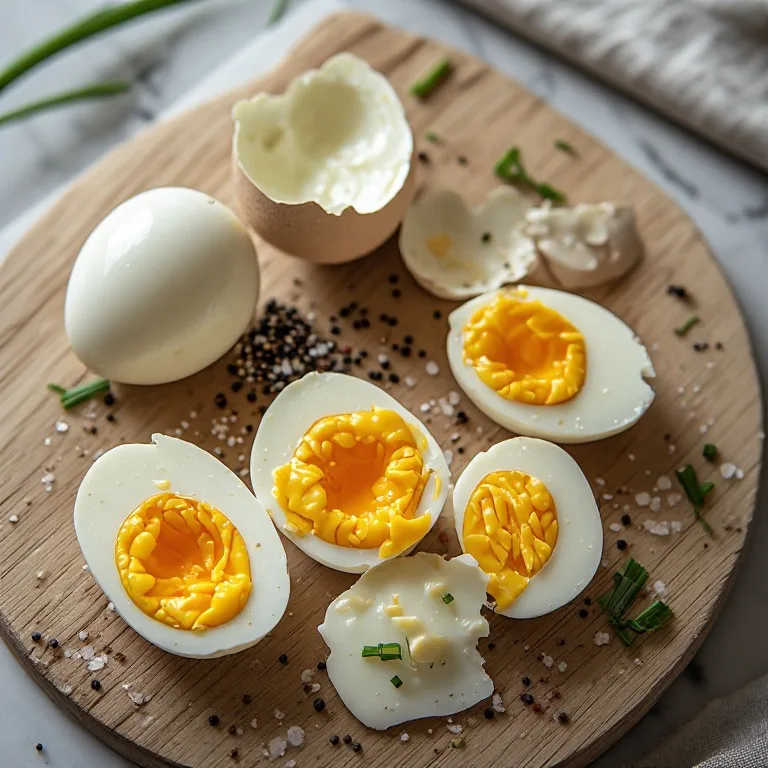
For the best version, yes. The runny yolk breaks when you cut into the egg and mixes with the crumbled warm feta, creating a spontaneous, rich sauce that coats the toast. A hard yolk is functional but loses most of that payoff. If you prefer a set yolk, cover the pan with a lid during the last 2 minutes — the steam will firm the yolk without requiring you to flip the egg (which risks tearing the white or hitting the feta slab).

Is this the same as the TikTok honey feta eggs trend?

Almost. The honey version — where a generous drizzle of honey goes over the warm crispy feta before serving — is a specific variation that spread alongside the base crispy feta egg format. The technique is identical; the honey is optional but significantly changes the eating experience. The warm feta crust makes the honey pool in the crevices, and the sweet-salty-runny-yolk combination is the version most responsible for the trend gaining traction in fall 2026. If you're making this for the first time, try the honey version.

Love this recipe? Share it!

Free PDF: our 12 most-wanted copycat recipes — instant download.

Made it? Buy us a coffee

Every recipe here is free, with no paywalls. If this one was a hit at your table, a small tip keeps new copycats coming.

$

Ratings & Reviews

—
No ratings yet

Rate this recipe

Click a star to rate

Leave a Review

0/500

CS

Copycat Spices Editorial

Researched + fact-checked. Every recipe on Copycat Spices is built from published sources — official ingredient lists, brand-published recipes, interviews and food-science references — and fact-checked before it goes live, then written as clear, step-by-step instructions for home cooks of all skill levels.

Learn more about our mission →