


Viral TikTok Garlic Butter Steak and Shrimp
Prep: 10 min | Cook: 15 min | Serves: 2 | Cost: ~$26–34 total (both servings) vs. $40–55 per person at a steakhouse
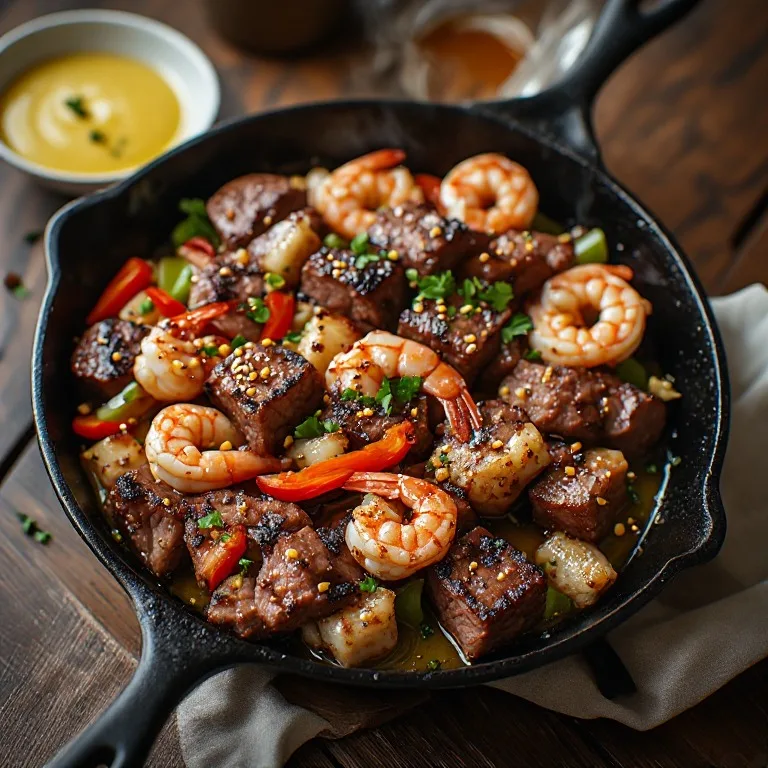
A late-September 2026 TikTok video showing this skillet hit 1.1 million views in under a week. The concept: seared steak bites and jumbo shrimp, cooked in the same pan, finished in garlic butter with a soy-Worcestershire glaze. It’s the kind of dinner that looks like you spent an hour and actually takes 20 minutes.
The viral garlic butter steak and shrimp recipe delivers surf-and-turf at home — the combination of beef and shrimp in one pan, unified by the same garlic butter — for a fraction of what restaurants charge. The critical technique people kept reposting: cook steak and shrimp separately, combine only in the butter baste. Each protein gets the right heat treatment, and they meet in the sauce.
The Order That Makes It Work
The most important thing the viral TikTok garlic butter steak and shrimp recipe demonstrated isn’t the garlic butter — it’s the sequencing. Steak bites need a screaming-hot pan and about 3 minutes to develop a crust and reach medium-rare. Shrimp need about 3 minutes total and turn rubbery in 4. Add them together at the start and at least one comes out wrong.
The correct order:
- Steak bites first, in the hottest part of the pan
- Remove steak, cook bell peppers in the fond
- Shrimp last — they finish in 90 seconds per side
- Return everything to the pan for the garlic butter baste
This is the system every high-volume restaurant kitchen uses: proteins have different cooking times, so they get staged and united only at the finish.
Getting the Steak Crust Right
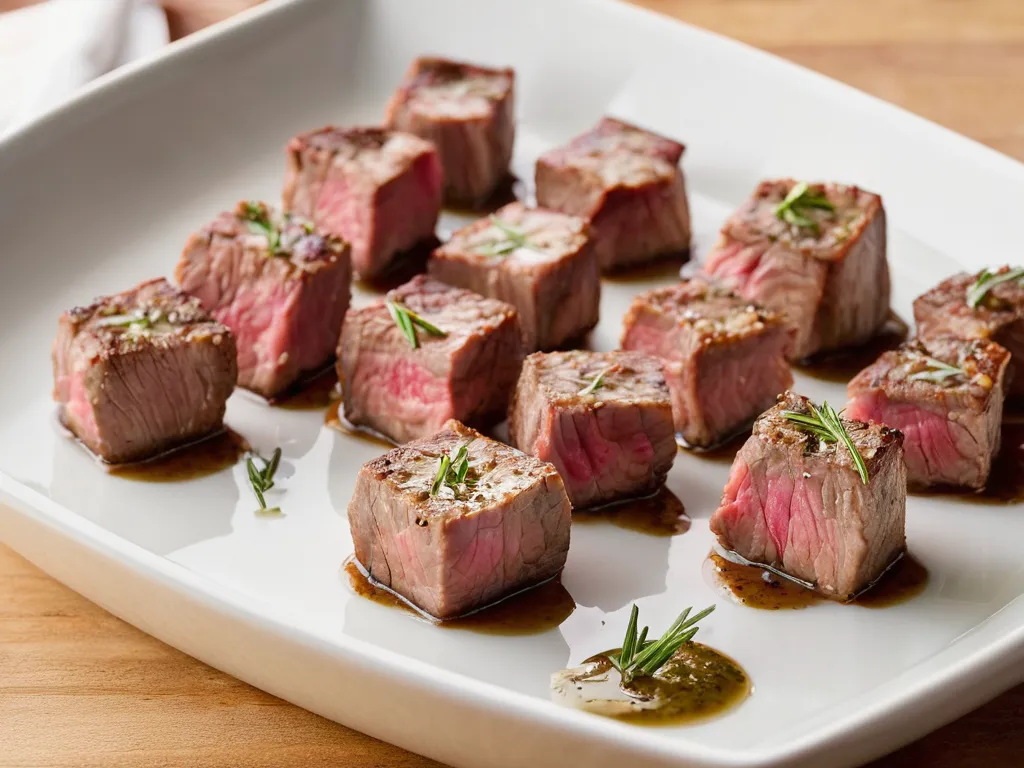
The sear is what separates this from a pan-simmered protein-in-butter dish. For steak bites, the crust needs to develop in 60–90 seconds, which requires two things working correctly:
The pan must be genuinely smoking before the steak goes in. “Medium-high” is not enough. Preheat a cast iron skillet over high heat for a full 2–3 minutes until you see wisps of smoke. The cast iron needs thermal mass to maintain its temperature when cold steak bites hit it — thin stainless and non-stick pans lose too much heat and the steak steams instead of sears.
The steak surface must be bone-dry. Moisture on the surface boils at 212°F, holding the surface temperature well below the 280°F+ needed for browning. Pat every cube firmly with paper towels until no moisture transfers to the paper. This is the highest-leverage 30-second investment in the entire recipe.
Space the cubes with air between them. Any crowding traps steam, which drops the pan temperature and further prevents browning. If your pan is smaller than 12 inches, cook the steak in two batches — the first batch stays warm under foil while the second goes.
Bell Peppers: More Than Decoration
The bell peppers in the viral TikTok garlic butter steak and shrimp recipe do more than add color. Their slight char from the hot pan picks up the fond left from searing the steak — the brown bits left in the pan from the Maillard reaction. When the peppers char briefly on the hot surface, they absorb that complexity.
Cut them into 1-inch pieces, roughly matching the size of the steak bites. They cook in 2–3 minutes on high heat — you want them to have some give but still be crisp, with some char on the edges. Don’t cook them soft; they’ll soften more in the garlic butter baste.
Red and yellow bell peppers are sweeter and less bitter than green; the color contrast against the browned steak and pink shrimp also makes the dish look better visually.
Shrimp: The Three Rules
Shrimp have a narrow window between perfect and overdone. Three rules cover the whole technique:
Size matters. Large (21–25 per pound) or jumbo (16–20 per pound) shrimp are right for this recipe — substantial enough to hold up next to steak bites, cook in about 90 seconds per side, and eat as a bite. Smaller shrimp cook too fast and look undersized.
Don’t move them. Once shrimp hit the hot pan, leave them alone for 60–90 seconds until they’ve developed some color on the bottom. Flipping early or moving them around repeatedly cools the pan and prevents browning.
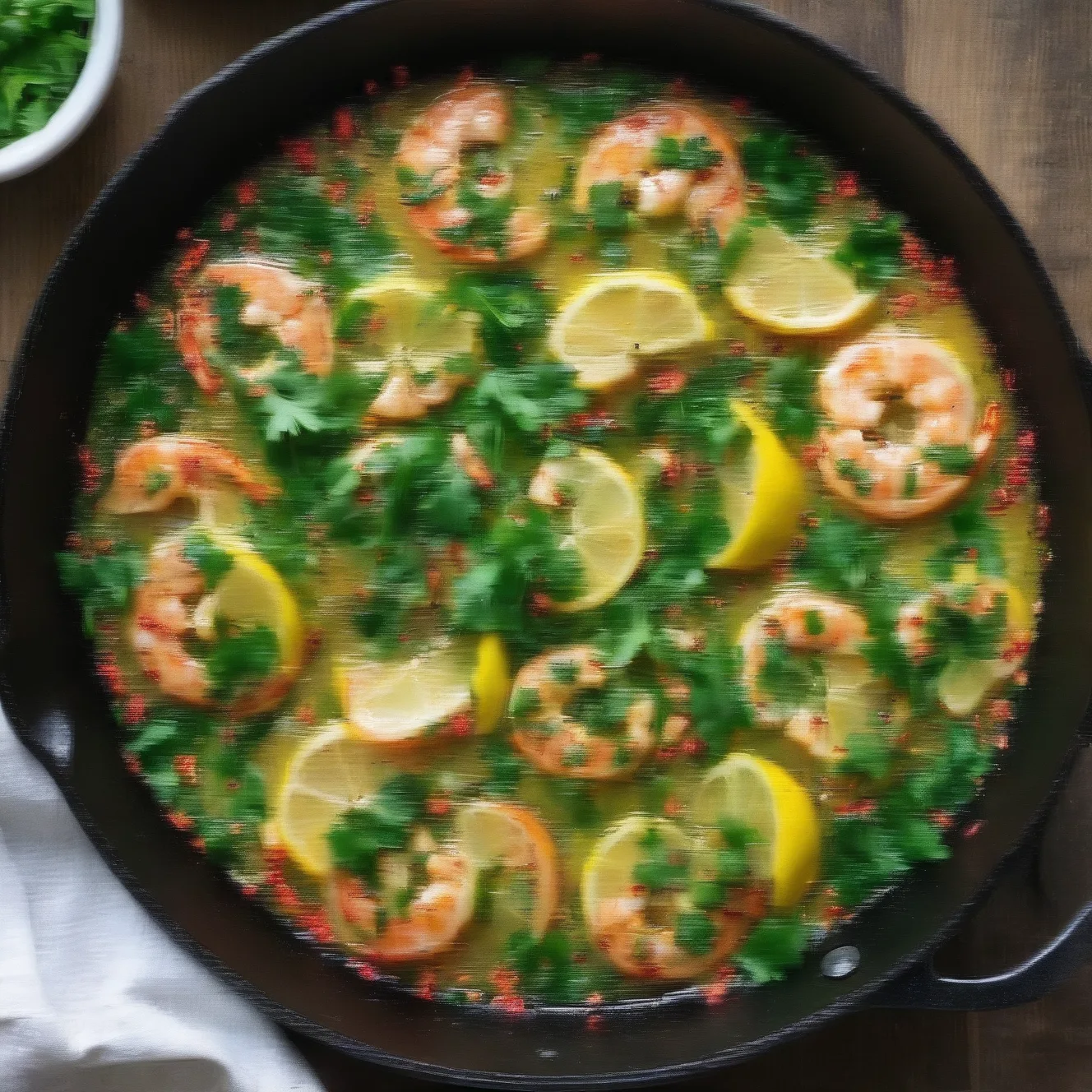
Read the curl. A raw shrimp is straight. A perfectly cooked shrimp curls into a loose C-shape and turns pink and opaque throughout. An overcooked shrimp curls into a tight O-shape — the muscle fibers have contracted fully and squeezed out moisture. Pull shrimp when they just hit the C-shape stage; they’ll continue cooking slightly from the heat of the pan.
The Garlic Butter Baste
Once the proteins are cooked and resting on the side, reduce heat to medium-high and add butter to the still-hot pan. The residual heat from the steak and shrimp fond will be intense — butter foams within seconds.
Add minced garlic once the butter foams. Stir constantly for 30–45 seconds — you want the garlic to turn golden and fragrant but not brown to the point of bitterness. This is where all the flavor of the dish concentrates: five cloves of garlic turning golden in foaming butter, in a pan seasoned by the fond from seared steak and charred peppers.
Return everything to the pan. Add soy sauce and Worcestershire directly into the foam. The liquid sizzles and reduces almost instantly, creating a thin glaze that coats everything. Toss for 15–20 seconds and pull from heat immediately — the shrimp and steak are already cooked; this step is about coating, not cooking.
Garlic and Heat: Why Timing Matters
Garlic burns at high heat. On a smoking-hot cast iron surface, minced garlic turns from golden to black in about 45 seconds. Burned garlic is acrid and bitter and can’t be saved — it ruins everything in the pan.
This is why the viral recipe adds garlic only after the proteins are removed and the heat is reduced. At medium-high with butter foam cushioning the temperature, garlic cooks gently to golden rather than instantly to char. The sequence — sear at maximum heat, reduce heat, then add garlic — is the entire technique distilled into one sentence.
Some recipes call for garlic powder on the steak for this reason: it doesn’t burn at searing temperatures and delivers garlic flavor into the crust. This recipe uses both — garlic powder on the steak for the sear, fresh garlic in the butter baste for the sauce — so you get complexity from both.
Soy Sauce and Worcestershire: The Flavor Multipliers
The 15-second glaze step at the end adds more than it looks like on paper.
Soy sauce (1 tablespoon) contributes glutamates that amplify the savory depth of both beef and shrimp without tasting like soy sauce at this ratio. It also creates a glossy sheen as it reduces instantly against the hot surface.
Worcestershire sauce (1 teaspoon) adds a different dimension — fermented complexity, slight sweetness from molasses, and a vinegar brightness that prevents the dish from being flat. It’s a background note you’d notice missing if you left it out.
Neither sauce should taste like itself in the final dish. At these ratios, with 1.5 lbs of protein and vegetables absorbing them, they read as intensely seasoned, savory, slightly glazed — not as condiments.
Variations
Cajun version. Season both steak and shrimp with Cajun seasoning (2 teaspoons) instead of plain salt and pepper. Add sliced andouille sausage with the bell peppers. Finish with hot sauce (Crystal or Tabasco) instead of Worcestershire. Serve over white rice with sliced green onions.
Asian-inspired. Substitute sesame oil (1 teaspoon) alongside the butter. Replace soy sauce with 2 tablespoons oyster sauce. Add a 1-inch knob of grated ginger with the garlic. Finish with toasted sesame seeds and thinly sliced green onions. Serve over steamed jasmine rice.
Lemon-herb. Skip soy sauce and Worcestershire. Add the zest and juice of 1 lemon to the garlic butter. Finish with fresh thyme leaves and extra fresh parsley. Serve over orzo or linguine tossed with olive oil and parmesan.
Spicy honey. After the soy-Worcestershire step, drizzle 1 tablespoon hot honey over the pan and toss for 10 seconds. The honey caramelizes slightly and creates a sweet-spicy-savory glaze. Works particularly well with the Cajun seasoning variation.
What to Serve With It
The garlic butter pan sauce is too good to leave in the pan — whatever you serve alongside should absorb it.
Parmesan garlic mashed potatoes are the most natural match. Creamy potatoes and the rich pan drippings are meant for each other; the sauce acts as the gravy.
Steamed or garlic fried rice absorbs the sauce and keeps the surf-and-turf feel firmly in place. The butter and soy sauce in the pan sauce season the rice without any extra condiments.
Crusty French bread or garlic bread for mopping — essential if you’re not doing a starch underneath.
Baby spinach or arugula as a base: the heat of the pan sauce slightly wilts the greens and acts as a warm vinaigrette. Lower-carb and lets the proteins stay front and center.
Roasted asparagus or broccolini at 425°F for 12 minutes — these can go in the oven while you cook the main, no extra burner needed.
Cost Breakdown
| At a Restaurant | At Home | |
|---|---|---|
| Surf and turf (steak + shrimp) | $40–55 per person | 1 lb NY strip ( |
| Garlic butter sauce | Included | Butter + garlic: ~$1.50 |
| Total | $80–110 for two | ~$26–34 for two |
| Time | 30+ min wait | 20 min start to plate |
The home version at $13–17 per person hits the same flavor profile as the restaurant version at 70–80% lower cost. More importantly, you have direct control over steak doneness and shrimp texture — two variables restaurants often get wrong on a busy night.
More Quick Surf-and-Turf Dinners
- Viral TikTok Garlic Butter Steak Bites — the same searing technique applied to steak alone, with a full cut comparison and doneness guide
- Viral TikTok Garlic Shrimp — shrimp-only version with the same butter baste, ready in 10 minutes
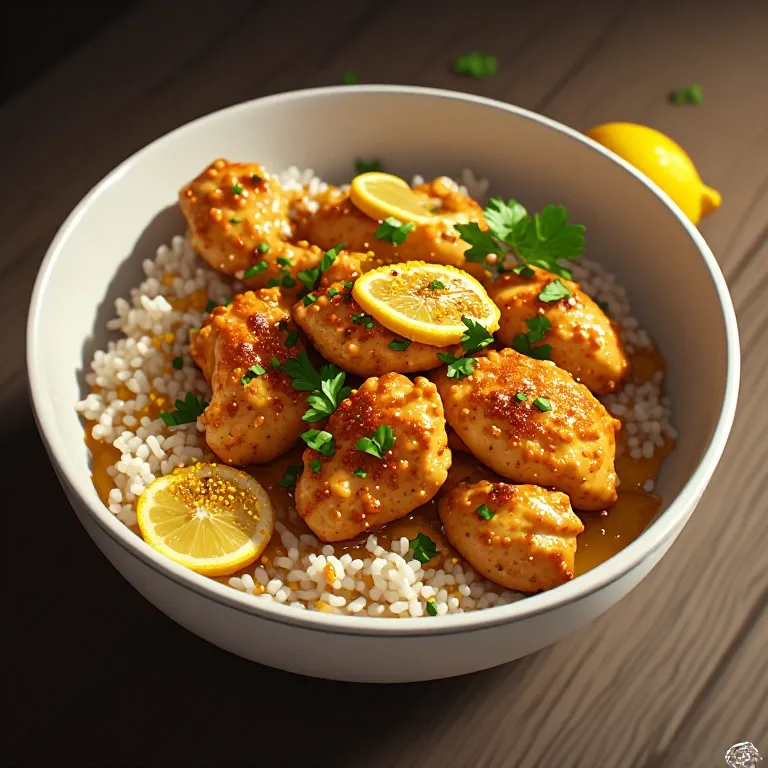
- Viral TikTok Cowboy Butter Chicken — the cowboy butter variation (Dijon + horseradish + herbs + lemon) applied to chicken, same technique
- Viral TikTok Marry Me Shrimp Pasta — shrimp in the same sun-dried tomato cream sauce framework as marry me chicken, tossed with pasta
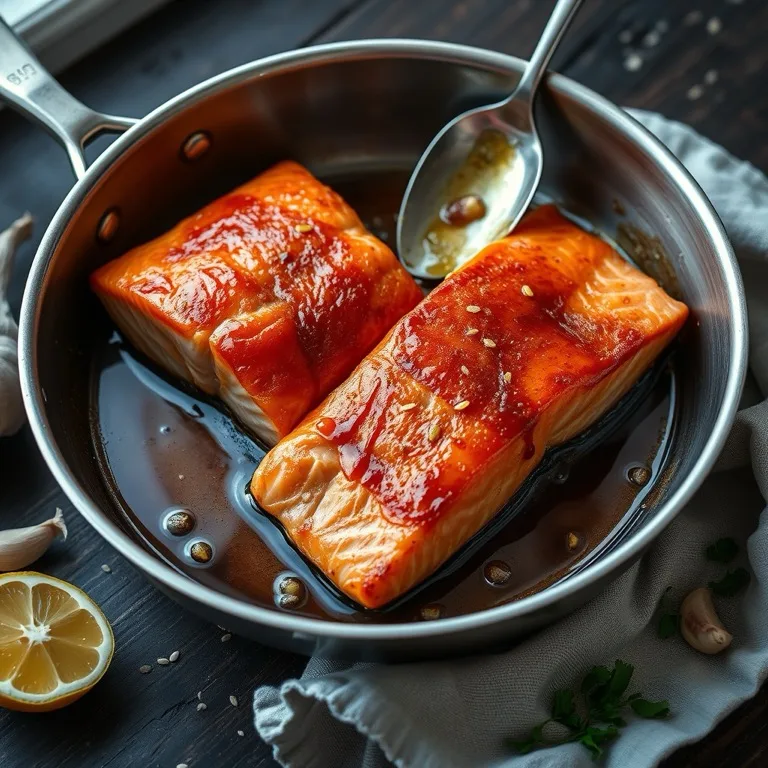
- Viral TikTok Honey Garlic Salmon — salmon fillets in a honey-garlic glaze using the same one-pan technique