Viral TikTok Hasselback Butternut Squash
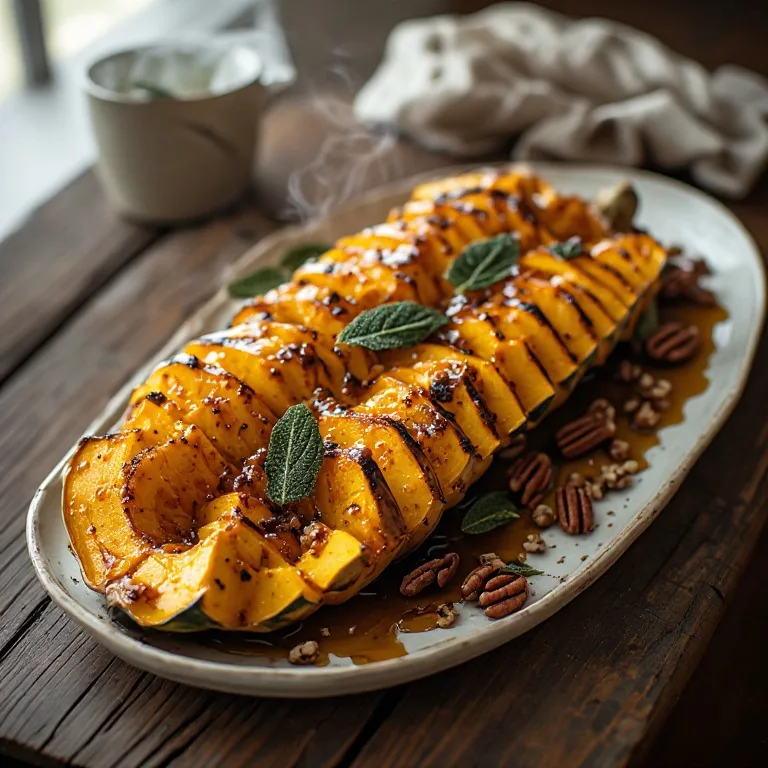
Quick answer: Halve two butternut squashes lengthwise and scoop out the seeds. Brush with olive oil and roast cut-side down at 400°F for 20 minutes until just softened. Flip cut-side up. Place a chopstick or wooden spoon along each long side as a depth guide, and slice crosswise every ¼ inch, stopping when the knife hits the guides so the slices stay connected at the bottom. Make the glaze: cook 4 tbsp butter over medium heat until amber and nutty (4–5 min), remove from heat, add 8 fresh sage leaves, 2 tbsp maple syrup, and a pinch each of cinnamon and red pepper flakes. Brush glaze generously into all the slits. Return to oven cut-side up for 30 more minutes at 400°F, basting with remaining glaze every 10 minutes, until deeply caramelized and a fork slides in with no resistance. Finish with toasted pecans and pomegranate seeds.
Shop the tools
Gear matched to this recipe. These are Amazon affiliate links — we may earn a small commission if you buy, at no extra cost to you.
 Illustrative imageNordic Ware Half Sheet PanCommercial-quality aluminum, bakes dead evenCheck price on Amazon →
 Illustrative imageVictorinox Fibrox Pro 8" Chef's KnifeA long-time budget favorite in pro kitchens — light and sharpCheck price on Amazon →
 Illustrative imageStainless Steel SaucepanThe everyday pot for syrups, sauces, and small-batch simmersCheck price on Amazon →
 Illustrative imageSilicone Pastry BrushBrushes butter and egg wash onto rolls, crusts, and biscuitsCheck price on Amazon →
As an Amazon Associate, Copycat Spices earns from qualifying purchases. Product images are generic illustrations, not the exact item listed.
Viral TikTok Hasselback Butternut Squash
The TikTok vegetarian showstopper: butternut squash fanned accordion-style with dozens of thin cuts, basted in a nutty maple-sage brown butter until every slit is caramelized and glazed. Dramatic enough to anchor a holiday table, easy enough for a weeknight.
Easy
Prep: 20 min
Cook: 55 min
Total: 1h 15m4 servings
~$4.50/serving
At home~$4.50/serving
vs
Restaurant~$20.25/serving
You save ~78%
The Story Behind the Recipe
The hasselback technique — making dozens of thin crosswise cuts through a vegetable without slicing all the way through, so it fans into an accordion — was invented at the Hasselbacken restaurant in Stockholm in the 1950s for potatoes. TikTok's fall-cooking community borrowed the method for butternut squash around 2022, and the result spread fast because the visual payoff is immediate: a single glazed squash half, fanned and caramelized to deep amber with glaze pooled in every crevice, looks like it took hours of skilled prep. The actual hands-on work is about fifteen minutes.
The genius is that the cuts dramatically increase the surface area of the squash, letting a maple-sage brown butter glaze penetrate deep into the flesh rather than just coating the top. Every bite comes out with a slightly crisp caramelized edge and buttery-sweet squash in the center. A single large butternut squash (about 2½ lbs) runs $3–5 at most markets. A comparable vegetarian centerpiece at a farm-to-table restaurant — roasted squash with brown butter and sage — costs $18–22. The feta-dip variation that went viral on TikTok adds one step: serve the squash over a pool of whipped baked feta drizzled with honey. Either way, this is the vegetarian holiday main that earns as much table talk as any roast.
Nutrition Facts
Per serving (4 servings)Calories300
Total Fat13g
Total Carbs40g
Dietary Fiber6g
Sugars13g
Protein3g
Sodium300mg
* Estimated values based on standard recipe preparation. Actual values may vary.
Ingredients
- For the squash
- For the maple-sage brown butter glaze
- Optional toppings
Instructions
Pro tip: This recipe tastes even better the next day. The flavors need time to meld together in the fridge.
Storage: Keeps in an airtight container in the fridge for up to 2 weeks. Freezer-friendly for up to 3 months.
Free PDF — instant download. We'll also send new seasonal copycat recipes now and then; unsubscribe anytime. Or just download it →
🎉 Your Thanksgiving Cookbook is ready!
It's free — but if it's worth something to you, you can pay what you want. It keeps the recipes coming.
$
✓ Downloading your free Thanksgiving Cookbook — check your downloads folder. Happy cooking!
Make It Healthier
Love Viral TikTok Hasselback Butternut Squash but want a lighter version? Try these simple swaps:
- ✓Swap the butter entirely for extra-virgin olive oil and a drizzle of maple syrup for a vegan version — the caramelization is slightly less rich but the technique and visual result are identical, and it cuts saturated fat to near zero.
- ✓Reduce the maple syrup to 1 tablespoon and add a splash of apple cider vinegar to the glaze — the tart-sweet balance reads as more complex, and you save about 4g of sugar per serving without losing the caramel color on the cut edges.
- ✓Finish with 2 tablespoons of pomegranate seeds instead of toasted pecans to keep the crunch element while cutting fat significantly — pomegranate also adds a bright visual contrast that photographs better than nuts on the dark amber squash.
- ✓For extra protein at a vegetarian holiday table, serve over 3–4 oz of baked whipped feta (the viral TikTok variation): the protein from one serving of feta brings the total per plate to roughly 9g, making this a more complete vegetarian main.
Frequently Asked Questions
What is the viral TikTok hasselback butternut squash recipe?
It's a butternut squash halved lengthwise, scored with dozens of thin crosswise cuts (without cutting through the bottom), then basted repeatedly with a maple-sage brown butter glaze and roasted at 400°F until the cut edges caramelize. The slices fan slightly apart in the oven, absorbing glaze deep into every crevice. The result is visually dramatic — the squash looks accordion-pleated — and the flavor is deeply caramelized, buttery, and lightly sweet. The TikTok feta version adds serving it over a pool of baked whipped feta with a honey drizzle.
Why do you roast the squash before making the cuts?
Raw butternut squash is very dense and firm, which makes the hasselback cuts difficult and dangerous to execute — the knife can slip on the hard surface. A 20-minute initial roast (cut-side down) softens the flesh enough that the knife glides through cleanly, the slices fan apart naturally in the second roast, and there's no risk of the squash rolling while you cut it. The two-stage approach also gives the glaze a head start on penetrating the now-softened flesh in the second bake.
How do I keep from cutting all the way through the squash?
The chopstick guide method: lay one chopstick (or the handle of a wooden spoon) flat along each long side of the squash. Slice straight down until the knife touches both chopsticks — they act as physical stops, preventing you from cutting through the bottom. Space the cuts about ¼ inch apart. The cuts toward the narrow neck end will naturally be shallower because that section is thicker; that's fine. The round bulb end fans most dramatically.
Can I use a whole butternut squash rather than halves?
Whole hasselback squash works but requires a flat base for stability — you'd need to shave a thin slice off one side so it doesn't roll, then cut across the full squash (top to bottom, not lengthwise). The halved version is far easier, roasts more evenly, and presents better: each person gets a squash half as their serving, which makes portioning obvious and plating straightforward.
How do I make the maple-sage brown butter glaze?
Melt 4 tablespoons of unsalted butter in a small saucepan over medium heat, stirring occasionally. Once melted, keep cooking and stirring as it foams, then subsides. Continue until the milk solids on the bottom turn amber and the butter smells unmistakably nutty — about 4 to 5 minutes from when it fully melts. Remove from heat immediately (it goes from amber to burnt quickly). Add fresh sage leaves directly into the hot butter; they'll sizzle and crisp. Then stir in maple syrup, a pinch of cinnamon, red pepper flakes, and salt. This is the glaze — use it immediately.
What's the TikTok feta version?
The viral variation: place a block of feta (about 6–8 oz) in a small oven-safe dish, drizzle with olive oil and red pepper flakes, and roast alongside the squash for the final 25 minutes until soft and slightly golden. Use a fork to whip it into a creamy spread directly in the dish. Spread the whipped feta on a serving platter, place the glazed hasselback squash on top, and drizzle with honey and extra sage leaves. The salty-creamy feta against the sweet caramelized squash is the flavor combination that drove the trend.
Can I make this ahead for a holiday dinner?
Partially. Complete the first roast (20 minutes, cut-side down) and the hasselback cuts up to 4 hours ahead — store the scored squash on the baking sheet at room temperature. Make the glaze and reheat gently before the second bake. Begin the second bake (with glazing) about 45 minutes before you want to serve. The squash should come out of the oven and go to the table relatively quickly — it loses its dramatic caramelized edges as it sits and cools.
What toppings work on hasselback butternut squash?
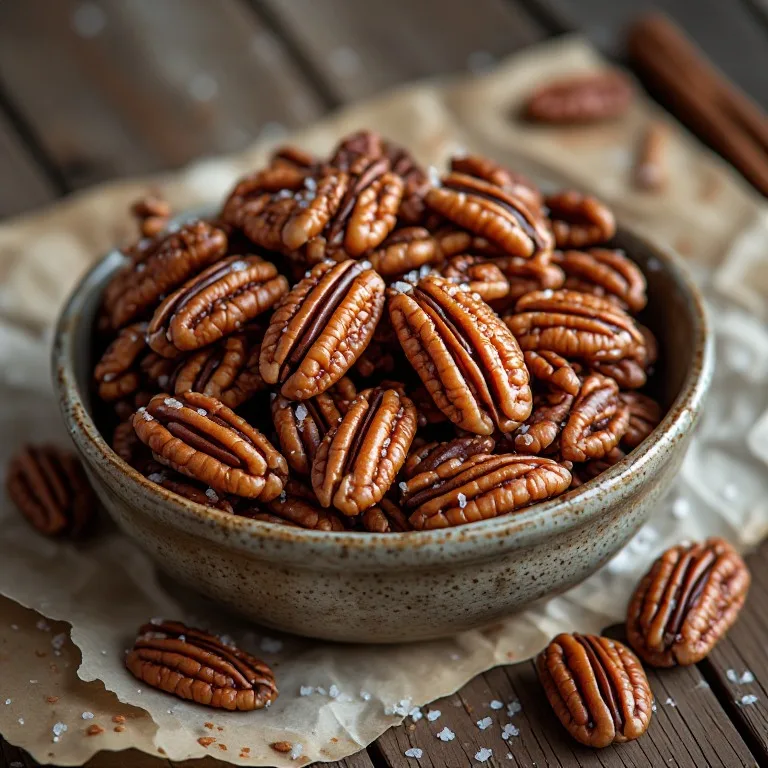
Toasted pecans and pomegranate seeds are the most popular combination (warm crunch + cold bright pop). Alternatives: pepitas (pumpkin seeds) and dried cranberries; crispy pancetta or bacon; crumbled goat cheese added after roasting; toasted pine nuts and fresh thyme; a handful of arugula dressed with lemon placed alongside the hot squash to wilt slightly.
Love this recipe? Share it!
Made it? Buy us a coffee
Every recipe here is free, with no paywalls. If this one was a hit at your table, a small tip keeps new copycats coming.
$
💛 Support checkout is coming soon — the cookbook stays free either way.
Ratings & Reviews
Rate this recipe
Click a star to rate