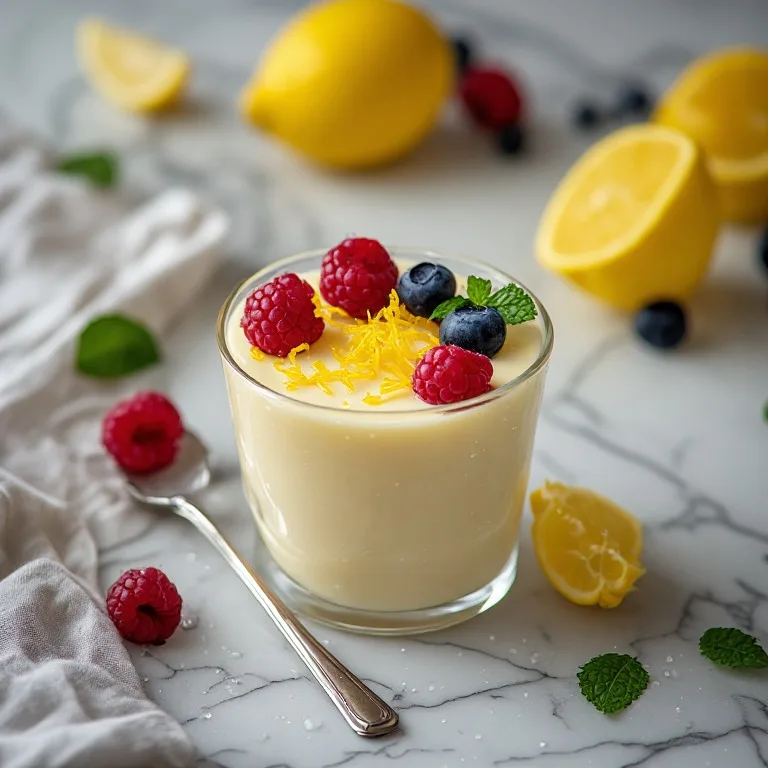


Quick answer: Lemon posset is three ingredients — cream, sugar, lemon juice — cooked for 5 minutes and chilled. The acid in the lemon juice sets the cream into a silky custard with no gelatin, no eggs, no baking. It takes about 10 minutes of active work and is ready in 3 to 4 hours. It’s been going viral on TikTok every few months for three years because it genuinely looks like a restaurant dessert and is nearly impossible to mess up.
Why this keeps going viral
The viral loop is simple: someone discovers lemon posset, makes it, posts the result, gets a million views because the contrast between “three ingredients” and “looks like a fine-dining dessert” is inherently shareable. Then the next wave of food TikTok rediscovers it three months later and the cycle repeats.
What keeps it in circulation is that the recipe actually works. There’s no technique to master — no tempering eggs, no gelatin blooming, no water bath. The acid-protein reaction is chemistry, not skill. You can follow this recipe on your first attempt and produce something genuinely impressive. That reliability is rare in no-bake desserts.
The British context also helps: posset sounds exotic and old-world (it’s documented from the 15th century), which makes the “three grocery store ingredients” reveal hit harder.
The science: why lemon juice sets cream
Lemon posset is chemistry that looks like magic.
Heavy cream contains proteins — primarily caseins — that are normally suspended in the fat-rich liquid. When you bring the cream-sugar mixture to a rolling boil for three minutes, you heat and concentrate it slightly. Then, when you add a substantial quantity of fresh lemon juice (which has a pH around 2.3), the sudden drop in pH causes those proteins to denature and loosely bond with each other. They form a soft gel network throughout the cream, similar in mechanism to how buttermilk or vinegar makes ricotta from whole milk.
The critical difference from cheese: the fat content. Heavy cream (36%+ fat) surrounds every protein strand with a thick fat layer, keeping the gel soft and silky rather than grainy or curdled. That fat is structural — it’s what separates posset from a failed cream experiment. Light cream, half-and-half, and heavy cream alternatives don’t have enough fat to prevent graininess, which is why they don’t work.
The three-minute boil isn’t just for thickening — it also prepares the protein structure. Under-boiled cream (one or two minutes) doesn’t set fully because the proteins haven’t been sufficiently denaturized. Over-boiled cream (five or more minutes) can go grainy for the opposite reason. Set a timer.
Ratios — the three versions
The base recipe lands at mildly sweet with a strong lemon flavor. Adjust based on preference:
| Version | Cream | Sugar | Lemon juice | Character |
|---|---|---|---|---|
| Classic | 2 cups | ¾ cup | ½ cup | Balanced — sweet-tart, clean finish |
| Tart (most TikTok-popular) | 2 cups | ½ cup | ½ cup + 1 tbsp | More puckering, sharper lemon |
| Dessert-sweet | 2 cups | 1 cup | ½ cup | Noticeably sweeter, lemon as background note |
The tart version is the one you see most on TikTok — the lemon flavor is aggressive and the reduced sugar keeps it feeling lighter. The dessert-sweet version is better for guests who want something that reads more like a classic pudding.
Flavor variations
Lime posset: Replace lemon juice with fresh lime juice, same quantity (½ cup). Add 1 teaspoon lime zest. The flavor is more tropical and slightly more bitter than lemon — a good variation when you want something unexpected.
Blood orange posset: Use ⅓ cup blood orange juice plus 2 tablespoons fresh lemon juice (the lemon supplements the lower acid content of blood orange). Gorgeous deep-pink color, milder flavor. Make this in winter when blood oranges are in season.
Lemon-thyme posset: Add 3 sprigs of fresh thyme to the cream while it boils. Remove before adding lemon juice. The thyme infuses a subtle herbal note that pairs extremely well with fresh strawberries on top.
Grapefruit posset: Use fresh ruby grapefruit juice (½ cup), increase sugar to ⅞ cup to balance bitterness. Soft set, slightly bitter finish — pairs well with a candied grapefruit peel garnish. Not for everyone, but interesting.
Lemon and vanilla posset: Add 1 teaspoon vanilla extract along with the lemon juice. The vanilla rounds the citrus and makes the posset taste richer. Good choice for guests who find straight lemon posset slightly harsh.
What to serve it with
Lemon posset is very rich (it’s essentially concentrated cream), so toppings should add freshness and texture contrast:
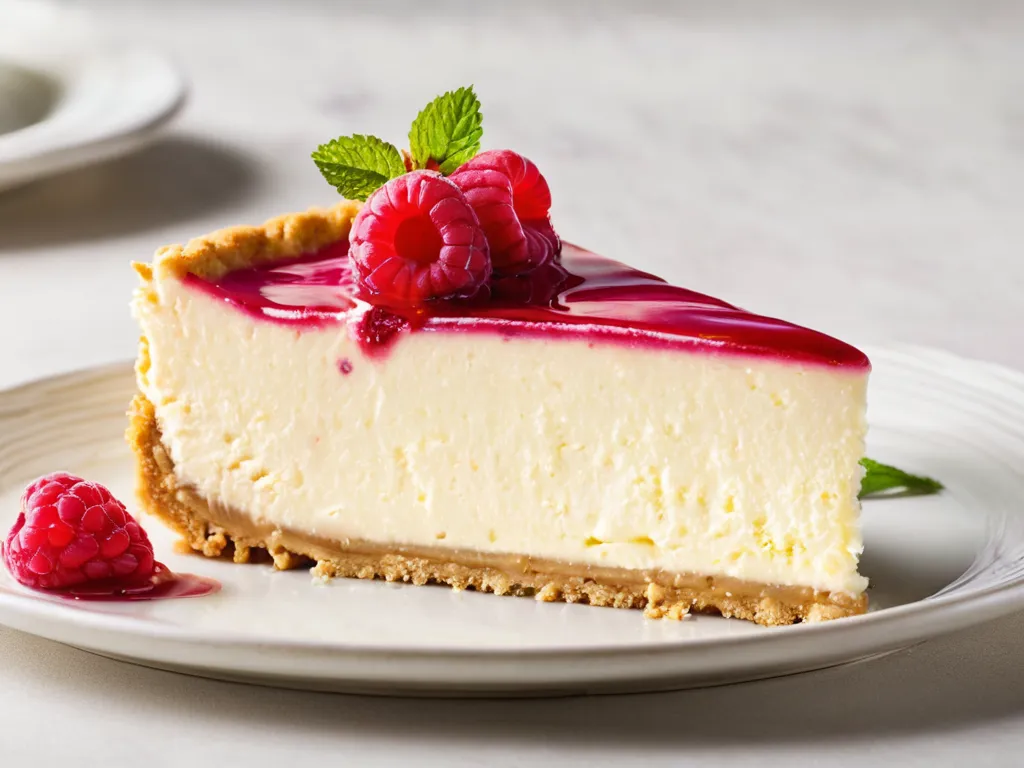
Fresh raspberries: The classic pairing — the berry tartness cuts the cream’s richness perfectly, and the color is beautiful against white posset. Use 4–5 berries per glass.
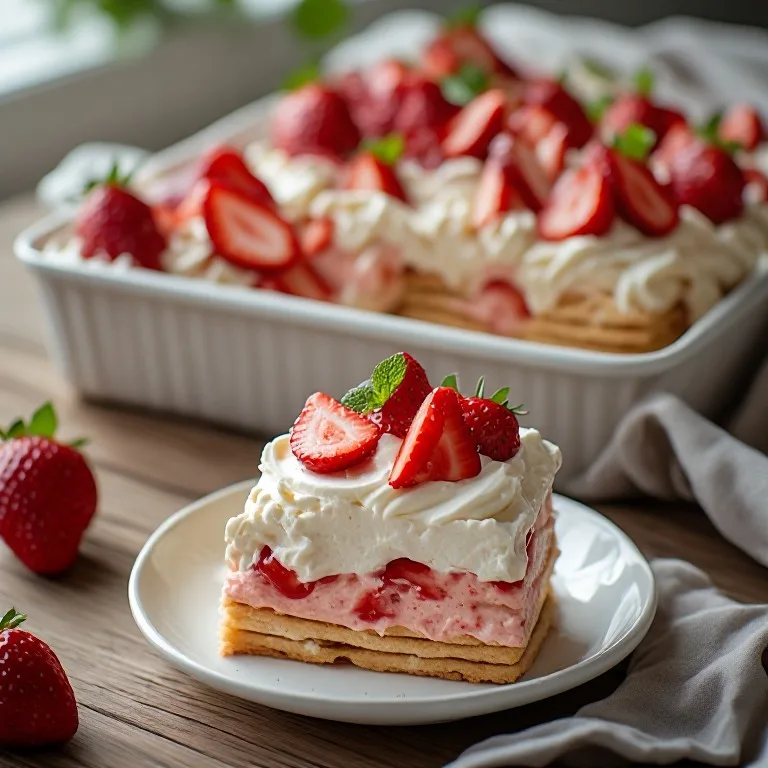
Strawberries macerated in sugar: Hull and slice ½ cup strawberries, toss with 1 teaspoon sugar and a few drops of lemon juice, and let sit 15 minutes. The berries release juice and become more intensely flavored. Spoon over posset just before serving.
Candied lemon peel: The most “restaurant” presentation — thin strips of lemon peel cooked in simple syrup until translucent, then cooled. Can be made 3–4 days ahead and stored in the syrup.
Crushed butter cookies or shortbread: A scattering of crushed shortbread or digestive biscuits adds crunch and a buttery note. Add just before serving so they don’t go soggy.
Fresh mint leaf: Not flavor-functional, but the color contrast of dark green against white posset is visually striking for photos.
What goes wrong — and how to fix it
Posset won’t set (still liquid after 4 hours): Almost always a lemon juice problem — bottled juice has lower, inconsistent acidity. Use fresh only. If you used fresh juice and it still won’t set, the cream may not have boiled long enough, or the cream’s fat percentage was under 36%. There is no fix once it’s chilled — use it as a sauce for fruit or ice cream.
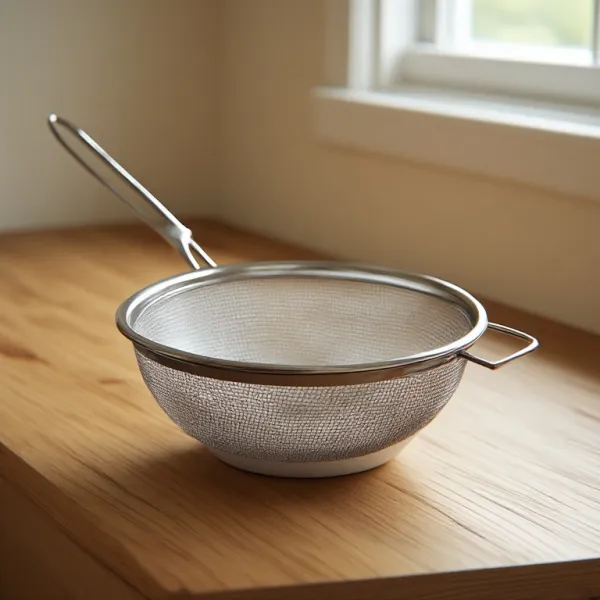
Posset is grainy or lumpy: The cream boiled too long, or the lemon juice was added while the pan was still on the heat (which causes it to curdle instead of gel). Some small graininess is salvageable by straining through a sieve while still hot. Major graininess means starting over.
Surface has a skin or film: The glasses were covered too quickly (trapping steam) or uncovered too long in the fridge. Minor skin is cosmetic — scrape it off gently or add toppings to hide it. The posset underneath is fine.
Posset tastes flat or not lemony enough: Lemon flavor fades slightly in the fridge over 24+ hours. To boost it before serving, grate a small amount of fresh lemon zest directly over the surface just before serving — it adds aromatic oil that reads as “fresh lemon” immediately.
Posset is too sweet: Use less sugar next time (see the tart version above). For the current batch, top with extra tart fresh berries or a squeeze of lemon juice over the surface — it balances the sweetness without tasting wrong.