
Viral TikTok Strawberry Tiramisu — No Coffee, No Eggs, Better Overnight
Prep: 30 min active + 4 hrs chilling (overnight best) | No-bake (sauce takes 10 min) | Serves: 12 | Make-ahead friendly
Strawberry tiramisu has circulated on FoodTok since 2023 and gets resurfaced every summer and spring because it solves three problems at once: it’s a genuinely impressive-looking dessert that’s easy enough for a weeknight, it requires no coffee and no raw eggs, and it gets better the longer it sits in the refrigerator. By the next morning, it’s a different and dramatically better dessert than it was four hours after assembly.
The method is simpler than classic tiramisu — no tempering egg yolks, no worrying about raw whites — but the technique points that matter are real. Get the mascarpone temperature wrong, or over-soak the ladyfingers, and the result is a grainy cream on a mushy base. This page covers every variable.
Why This Went Viral
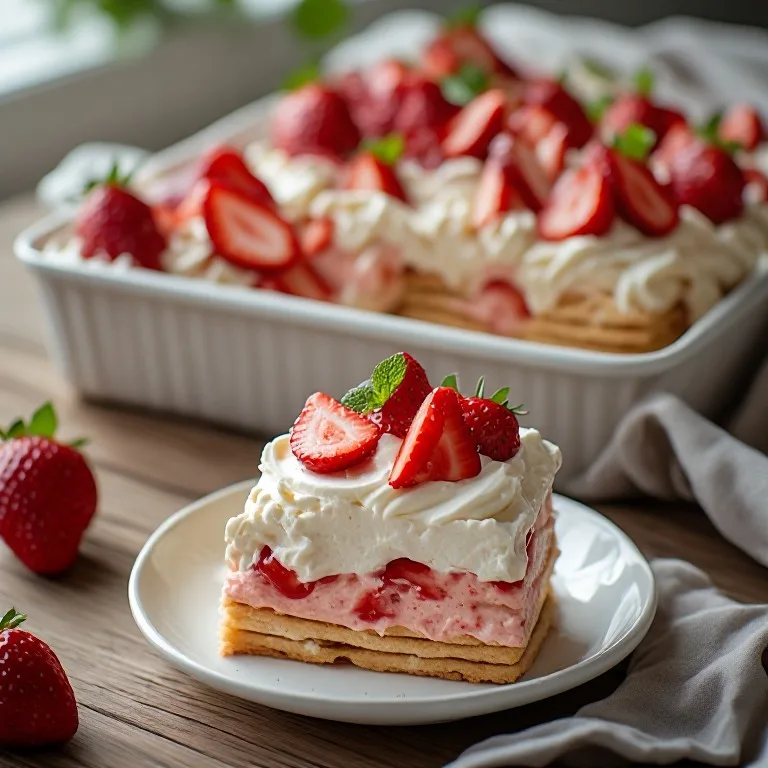
Strawberry tiramisu hits all the marks that drive TikTok food content: it photographs beautifully (the pink-and-cream layers against white ceramic, the red strawberry slices fanned across the top), the assembly is satisfying to watch in a short clip, and it has a compelling hook — “tiramisu without coffee or eggs, made with fresh strawberries.”
That hook matters beyond aesthetics. A significant portion of the audience for tiramisu videos can’t or won’t eat the original: people who don’t drink coffee, parents making desserts for children, pregnant guests avoiding raw eggs, anyone managing alcohol intake. Strawberry tiramisu sidesteps all of it. There’s no espresso, no raw yolks, no marsala wine. The result is a dessert that travels to potlucks, dinner parties, and kids’ birthdays equally well — and that versatility drove the sharing.
The other reason: it’s genuinely good in a way that surprises people who expect it to be a cheap imitation of the original. The homemade strawberry soaking sauce concentrates the fruit into something jammy and bright, and when that flavor infuses into the ladyfingers and then into the mascarpone cream during chilling, the result doesn’t taste like a compromise. It tastes like a different dessert that happens to share the same architecture.
The Soaking Sauce: Why Homemade Beats Every Shortcut
Many quick TikTok versions tell you to soak the ladyfingers in strawberry milk — whole milk plus commercial strawberry syrup. It works in the sense that it produces a pink ladyfinger layer. It does not work in the sense that it makes the dessert taste good.
Commercial strawberry syrup is mostly corn syrup with artificial flavor. It provides sweetness and color but no actual strawberry complexity — no tartness, no depth, no brightness. The soak tastes synthetic, and that synthetic note runs through the whole dessert.
The homemade sauce (simmered fresh strawberries + sugar + lemon juice, strained) takes 10 minutes and produces something categorically different: the heat concentrates the natural fruit sugars, the lemon juice keeps the color vivid and adds a citric brightness that makes the strawberry flavor pop, and the straining removes the seeds and pulp while keeping the flavor. When this sauce soaks into the ladyfingers and those ladyfingers spend overnight releasing strawberry flavor into the mascarpone cream above and below them, the effect is a dessert that tastes cohesive rather than assembled.
The additional lemon zest in the cream reinforces this: the citrus thread runs from the soaking sauce through the cream, making the whole dessert taste intentional.
Why the sauce must be completely cool before dipping:
Strawberry sauce at any temperature above room temperature accelerates ladyfinger absorption dramatically. At 120°F, a 2-second dip produces what a 5-second dip would at room temperature. By the time you’ve transferred a hot-soaked ladyfinger to the dish, it has already absorbed far more liquid than intended, the interior is breaking down, and the layer will turn to mush during chilling rather than softening gradually into a tender, cake-like texture. The sauce must be cool — not warm, not lukewarm, cool. If you’re in a rush, set the bowl over an ice bath and stir for 5 minutes.
The Mascarpone Cream: Temperature Is Everything
Mascarpone is approximately 42% fat. At refrigerator temperature, that fat is firm and cohesive. When you try to beat cold mascarpone with powdered sugar, the fat resists blending, producing lumps and uneven streaks. When you fold the whipped cream in afterward, the partially broken mascarpone base doesn’t incorporate smoothly, and you end up with a cream that looks curdled or grainy — and that grainy texture persists through chilling.
The rule: 30 minutes at room temperature, minimum. The container should feel cool but give slightly when you press it. A mascarpone container that still feels hard to the touch is not ready.
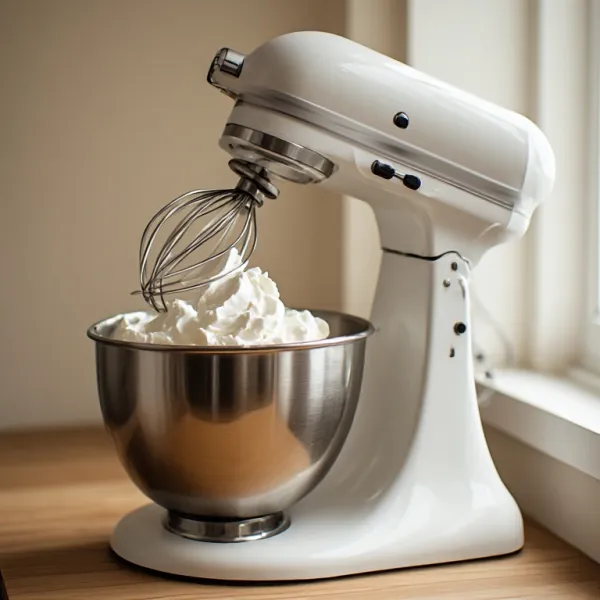
The second rule: stop mixing as soon as it’s combined. Mascarpone’s fat emulsion is more fragile than you expect. Extended beating — especially at high speed — breaks the emulsion, releasing liquid from the fat matrix. Once broken, the cream weeps and turns grainy. The correct technique: beat the mascarpone alone for 20 seconds until just smooth, add the sugar and vanilla and beat another 30–45 seconds until combined, then stop. Everything after that is folding, not beating.
Dipping Ladyfingers: 2 Seconds Total
Savoiardi ladyfingers are engineered to absorb liquid fast. Their porous foam structure (the result of a whipped-egg batter that creates a very open crumb) has a high surface area relative to their mass. A 2-second dip — 1 second per side — is enough to saturate the interior with strawberry flavor while leaving enough structural integrity to transfer and place cleanly.
After they’re in the dish, they continue absorbing moisture from the cream layers above them during refrigeration. The final texture — achieved after overnight chilling — is soft and cake-like, not crunchy, not wet, not mushy. This is the ideal. It comes from the dip being brief (2 seconds) and the chilling being long (overnight).
| Dip Duration | Texture After Overnight Chilling |
|---|---|
| Under 1 sec per side | Slightly dry center, distinct cookie structure — not fully integrated |
| 1 sec per side (target) | Tender, moist, cake-like — inseparable from cream layer |
| 3+ sec per side | Soggy on transfer, mushy after chilling — collapses into the cream |
Why Overnight Is Different
The transformation between a 4-hour strawberry tiramisu and a 24-hour one is significant enough to change the experience.
At 4 hours: The cream is set and sliceable. The ladyfinger layers are tender but still have some definition. The strawberry flavor is concentrated in the cookie layers and the fresh fruit.
At 8–12 hours: The boundary between the ladyfinger layers and the cream has softened considerably. The strawberry soaking flavor has diffused upward into the mascarpone cream, giving it a subtle berry note it didn’t have at assembly. The fresh strawberry slices in the middle layer have released a little juice into the cream directly around them, creating a ribbon of extra strawberry flavor at the center of each serving.
At 24 hours: The layers have fully merged at their boundaries. You get a distinct texture from the ladyfinger layer but no crumbliness — it slices cleanly through. The whole dessert tastes like a unified thing rather than components that happen to share a dish. This is the version people ask for the recipe for.
Building the Layers
| # | Layer | Details |
|---|---|---|
| 1 | Dipped ladyfingers | Snug single layer; break cookies for the edges and corners |
| 2 | Half the mascarpone cream | Spread edge-to-edge, ~1 inch thick |
| 3 | Fresh sliced strawberries | Even layer; these become a visible stripe in each cross-section |
| 4 | Second layer of dipped ladyfingers | Same 1-sec-per-side rule; use remaining soaking sauce |
| 5 | Remaining mascarpone cream | Smooth the top flat |
| 6 | Fresh strawberry topping | Fan-sliced or fanned circles; press lightly into the cream |
The middle strawberry layer is what distinguishes high-quality versions from minimal ones — it adds a burst of fresh fruit texture in the center of every serving and creates the striking layered cross-section when you cut through it. Don’t skip it.
Variations
Lemon Strawberry Tiramisu: Add the zest of 2 lemons to the mascarpone cream and a tablespoon of limoncello to the soaking sauce. The lemon-strawberry combination is one of the great classic pairings, and this version leans fully into it — fruitier, more citrus-forward, and lighter-tasting than the vanilla-based original.
White Chocolate Strawberry Tiramisu: Fold 3 oz of melted (fully cooled) white chocolate into the mascarpone cream before folding in the whipped cream. White chocolate’s vanilla-and-dairy richness amplifies the mascarpone and pairs well with fresh strawberry in a way dark chocolate doesn’t. The cream will be slightly stiffer and richer.
Chocolate-Covered Strawberry Tiramisu: Dust the top with fine dark chocolate shavings instead of freeze-dried strawberry powder, and add 2 tablespoons of good cocoa powder to the soaking sauce. The chocolate-strawberry version reads more like a classic tiramisu flavor profile adapted to the fruit — familiar but with a dramatic color contrast.
Cream Cheese Hybrid: Replace half the mascarpone (8 oz) with room-temperature full-fat cream cheese. The result is tangier, firmer, and slightly more affordable — it slices even more cleanly than all-mascarpone and the tang cuts the richness slightly. Mix cream cheese and mascarpone together first until fully smooth before adding the powdered sugar.
Elderflower Strawberry Tiramisu: Add 2 tablespoons of St. Germain elderflower liqueur to the soaking sauce. The floral elderflower note is a sophisticated pairing with ripe strawberry — distinctly grown-up, and popular in high-end restaurant versions of this dessert.
How This Compares to Classic Tiramisu
| Strawberry Tiramisu | Classic Tiramisu | |
|---|---|---|
| Soaking liquid | Fresh strawberry sauce | Espresso + rum or marsala |
| Eggs | None | Raw yolks + sometimes whites |
| Fat base | Mascarpone + whipped cream | Mascarpone + egg yolks |
| Flavor profile | Fresh berry, vanilla, lemon | Coffee, vanilla, cocoa |
| Seasonal | Spring–summer primarily | Year-round |
| Coffee required | No | Yes |
| Raw egg risk | None | Present (use pasteurized to eliminate) |
| Alcohol | None (optional) | Traditional (optional) |
| Make-ahead window | 3 days | 2 days |
| Calories per serving | ~420 | ~420–500 |
The calorie count lands in a similar range because both use full-fat mascarpone as the primary ingredient. The texture difference: the egg-yolk zabaglione in classic tiramisu produces a lighter, slightly airier cream. This version, using whipped cream as the aerating agent, is richer and more stable — it holds its shape better in warmer rooms and slices more cleanly.
Cost
| Ingredient | Amount | Approximate Cost |
|---|---|---|
| Mascarpone (16 oz) | 1 container | ~$6.00 |
| Heavy cream (2 cups) | Small carton | ~$3.50 |
| Fresh strawberries (2 lbs) | 2 containers | ~$7.00 |
| Savoiardi ladyfingers | 1 package | ~$4.00 |
| Powdered sugar, vanilla, lemon | Pantry amounts | ~$0.75 |
| Total for 12 servings | ~$21.00–22.00 | |
| Per serving | ~$1.80 |
A restaurant serving of any tiramisu variation runs $10–18. The from-scratch version feeds twelve people for what a single restaurant slice costs in many cities.
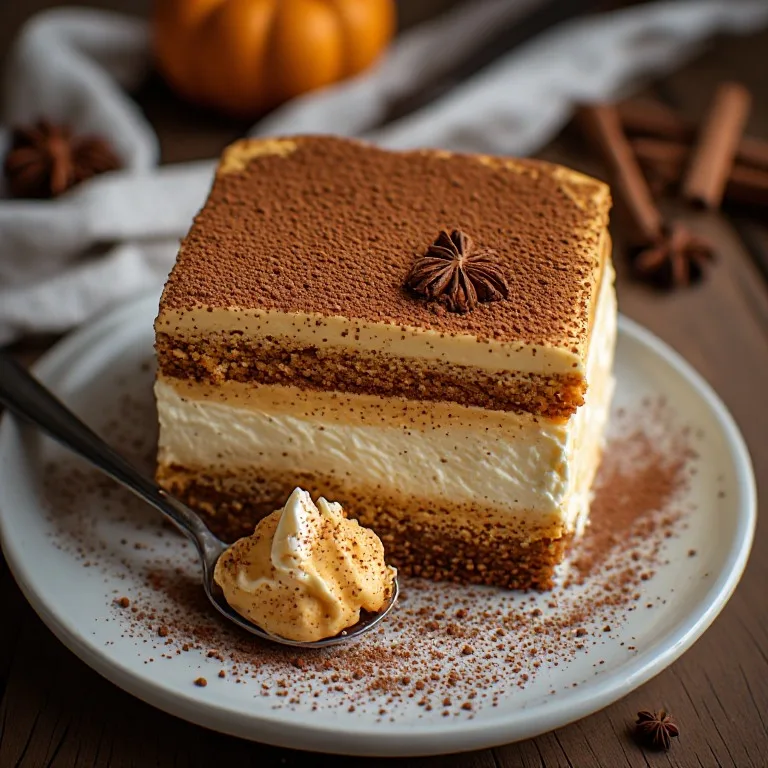
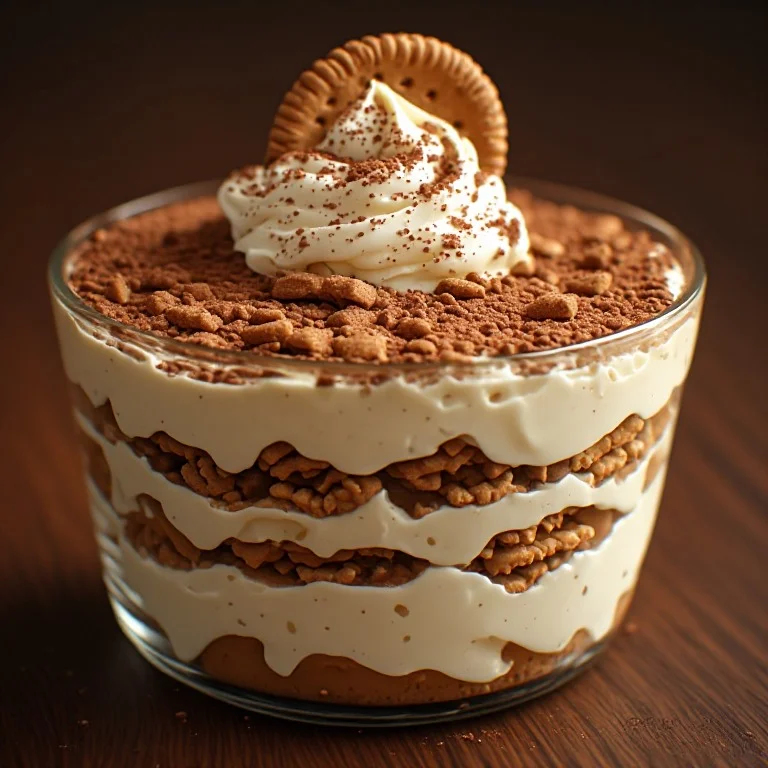
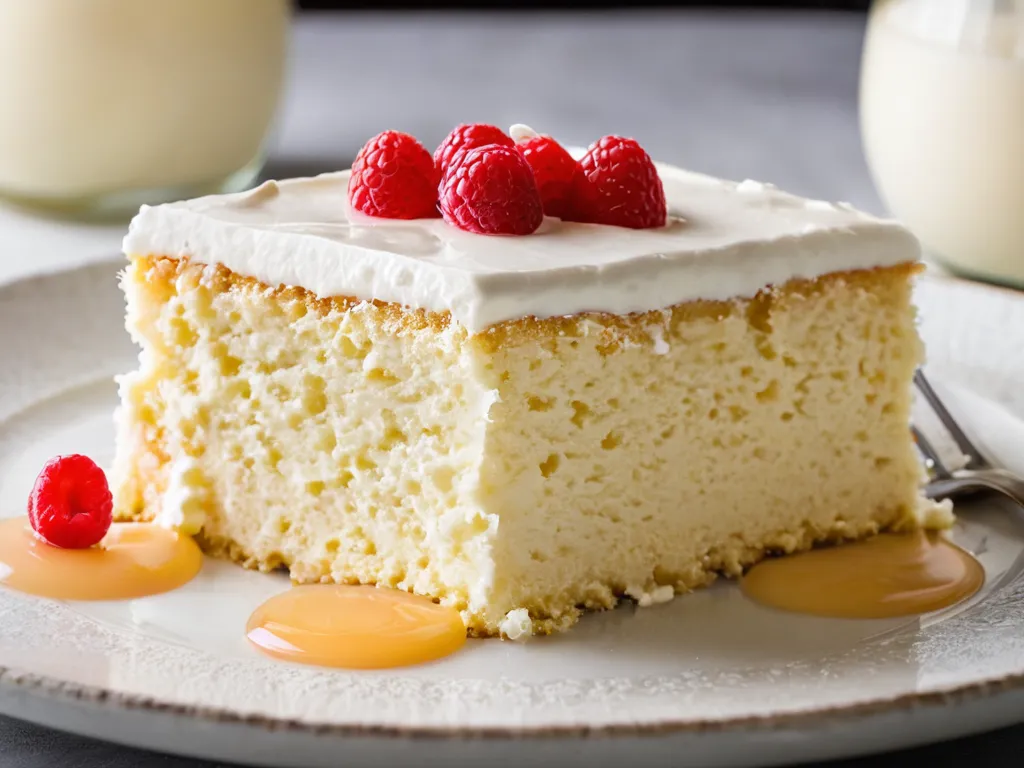
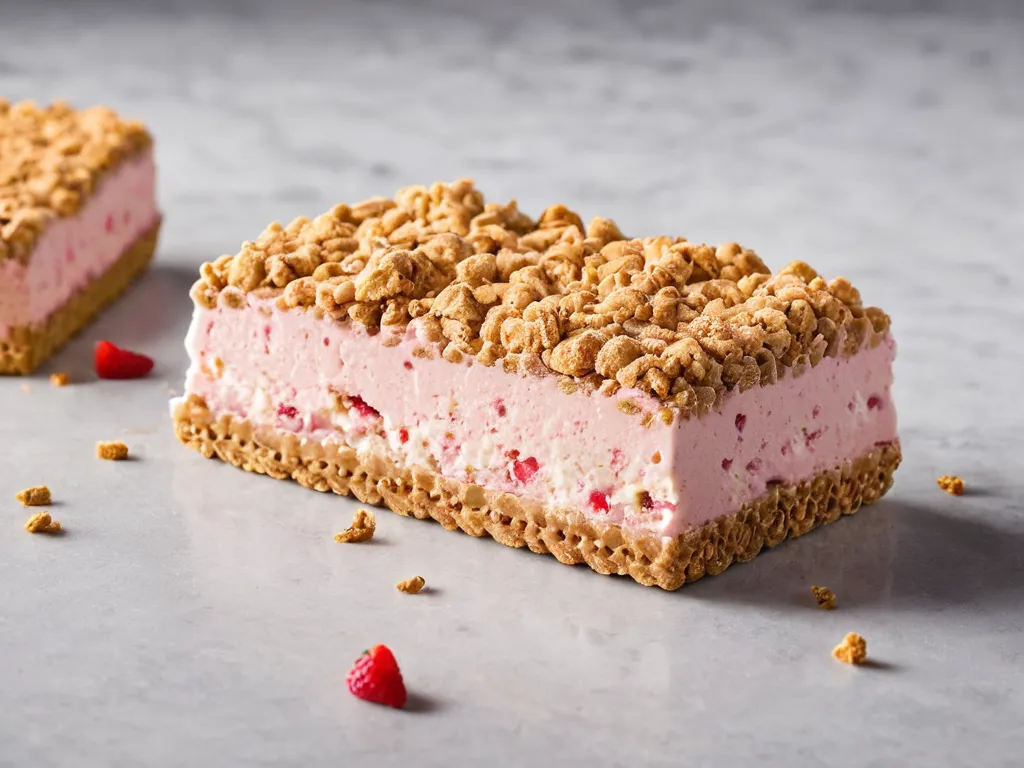
For other make-ahead desserts in this format, the Pumpkin Tiramisu is the fall version using espresso-soaked ladyfingers and a pumpkin-mascarpone cream — the technique is nearly identical. The Biscoff Yogurt Tiramisu replaces mascarpone with strained Greek yogurt for a dramatically lighter version. The Tres Leches Cake is the other great make-ahead soaked-and-chilled dessert worth knowing. The Strawberry Crunch Bars are the fast route when you want strawberry dessert in under 20 minutes.