


The Marry Me Formula, Applied to Cauliflower
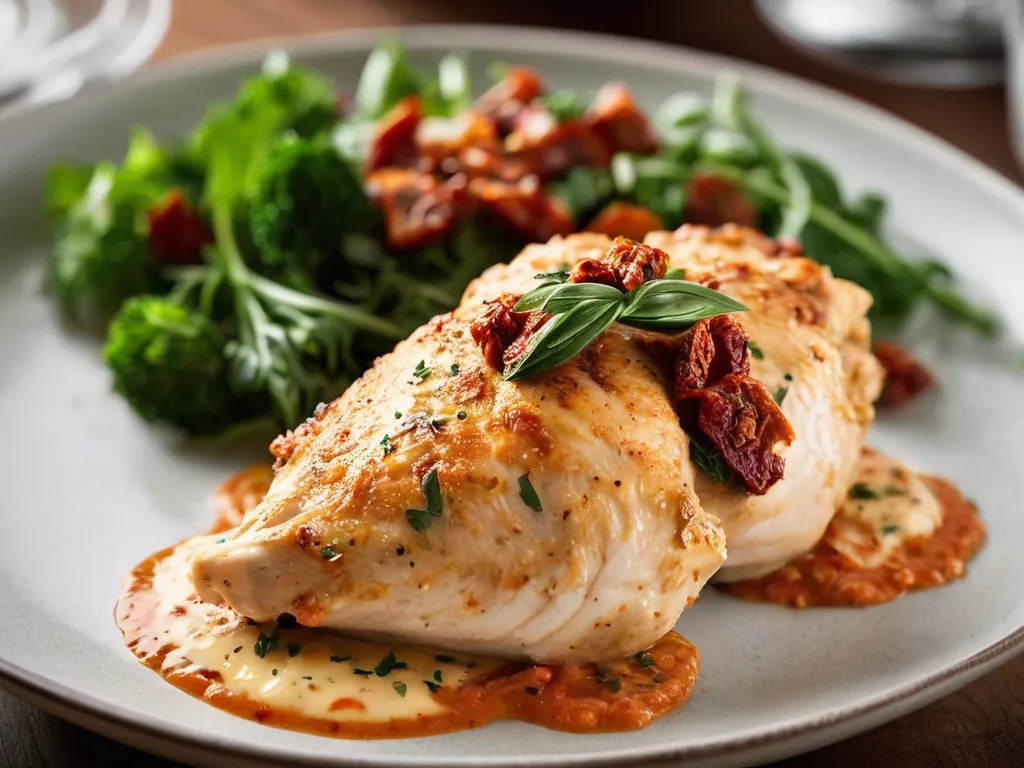
The Marry Me Chicken format solved a specific problem when it went viral in 2022: one pan, under 40 minutes, a sauce so visually striking and texturally layered that it photographs as well as it tastes. The dish succeeded because every element — sun-dried tomatoes, garlic, cream, Parmesan, red pepper flakes — works as a flavor maximum individually. Together, they produce something that feels like restaurant cooking even though every ingredient is a grocery store staple.
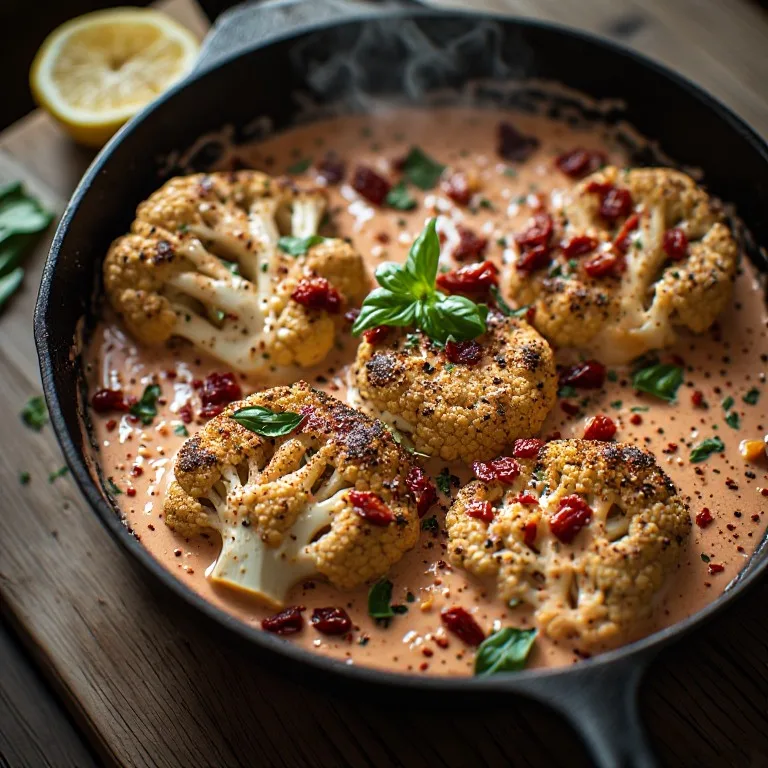
Marry Me Cauliflower applies the same sauce to cauliflower steaks, and the adaptation turns out to do something the original can’t: the cauliflower’s caramelized surface contributes to the sauce’s flavor in a way chicken breast never could. When cauliflower browns in a hot cast iron pan, the Maillard reaction converts its natural sugars and amino acids into the same nutty, complex flavor compounds you get from browned butter or toasted nuts. Those compounds dissolve into the pan fond, which then dissolves into the sauce when you deglaze with broth. The finished sauce has a depth that cauliflower-skeptics find genuinely surprising.
The One Step That Makes or Breaks This Dish
The Sear
Cauliflower is 92 percent water by weight. That water doesn’t care about your cooking intentions — the instant a wet surface contacts hot oil, it converts to steam, and steam is the enemy of browning. Steam drops the pan temperature, creates a barrier between the cauliflower surface and the oil, and prevents the Maillard reaction from taking hold. The result: pale, soft cauliflower that carries none of the nutty complexity the dish needs.
Patting completely dry with paper towels before seasoning and searing is non-negotiable. You’re removing surface moisture, not structural moisture — the interior of the cauliflower stays firm and slightly tender, which is exactly what you want under a sauce. The exterior, now dry, will caramelize in the hot pan.
Press the steak firmly against the pan for the first 5 seconds. Cauliflower’s surface is uneven — there are tiny gaps between florets at the surface level. Pressing eliminates those air gaps and ensures the maximum surface area contacts the pan and browns. Then leave it alone. The crust forms from the bottom up over 4 to 5 minutes. Moving it early tears the partially-formed crust and prevents it from re-forming correctly.
When the steak releases cleanly from the pan with no resistance, it’s ready to flip. If it sticks, it needs more time. This is the single reliable signal that the browning on that side is complete.
Why Cauliflower Beats Chicken in This Sauce
This is a real claim worth examining. Here’s the mechanism:
Flavor contribution from browning. Chicken breast is lean muscle protein — it produces fond when seared, but the flavor compounds are relatively simple compared to a complex carbohydrate source. Cauliflower is rich in naturally occurring sugars and sulfur-containing compounds that produce a wider range of Maillard products when browned. The fond left by cauliflower searing is more complex than chicken fond at the same temperature.
Texture contrast. A properly seared cauliflower steak has a firm, slightly crunchy exterior that yields to a tender interior — a texture gradient that absorbs sauce at the cut edges while holding its structure. Chicken breast, after cooking in cream sauce, often becomes uniformly soft throughout.
Flavor harmony. Cauliflower’s nuttiness and slight sweetness when caramelized mirror notes in the sun-dried tomatoes (sweet-tart) and Parmesan (sharp, nutty). The pairing is more harmonious than the neutral flavor of seared chicken breast, which is mostly a backdrop for the sauce.
This doesn’t mean chicken is wrong — the original Marry Me Chicken is still excellent, and it’s the higher-protein choice (about 45g per serving versus 10g here). It means the cauliflower version has its own distinct identity that isn’t just a substitution, and many home cooks who make both say they prefer the cauliflower for flavor complexity.
Variations Worth Knowing
Pan-seared method (faster, better fond). Exactly as written above — cast iron on the stove, maximum fond development, 8 to 10 minutes total searing time, then the sauce builds directly in the same pan using the cauliflower’s residue. Best flavor. Requires full attention at the stove.
Oven-roasted method (easier, hands-off). Season steaks and roast at 425°F for 20 to 25 minutes, flipping once. Build the sauce separately in a skillet. Better for larger batches or when you’re juggling other components. The oven develops more even color across the full surface; the stovetop concentrates color on the two flat faces but builds more flavor into the pan.
Full floret version. Skip the steaks entirely and cut the cauliflower into large 1½-inch florets. Toss with oil and seasoning, sear in batches in the cast iron until golden on two sides, then build the sauce. The florets have more surface area total and absorb sauce faster. Better for serving over pasta where individual pieces are preferred over a slab.
Crispy breadcrumb topping. Just before serving, scatter ¼ cup of panko breadcrumbs toasted in 1 tablespoon of olive oil over the finished dish. The crunch against the creamy sauce adds a textural layer that makes the whole dish more interesting. Add a teaspoon of lemon zest to the toasted panko.
White wine version. Replace the vegetable broth with ¼ cup of dry white wine for the deglaze step — let the wine reduce to almost nothing before adding cream. The acid and aromatics in the wine add complexity. Then add ¼ cup of broth if the sauce needs more liquid to come together.
Building the Sauce in the Same Pan
The sauce uses the same structure as every other Marry Me variant. What’s specific to the cauliflower version:
The fond from cauliflower searing is darker and more complex than chicken fond. When you deglaze with broth, take your time with the scraping step — the fond here is worth more to the sauce than it is in the chicken version, and it’s slightly more adherent to the pan. A wooden spoon and some firm pressure will get everything.
The lemon juice is not optional for cauliflower. The vegetable’s slightly earthy, nutty notes at full heat can lean heavy in the sauce if not brightened. A tablespoon and a half of lemon juice added off heat (with the Parmesan) lifts the whole dish and makes the cauliflower flavor seem cleaner and more vibrant.
Storage and Reheating
Leftovers keep well for 2 days refrigerated. The sauce thickens overnight — this is expected; it’s the gelatin from the Parmesan setting as it cools. Reheat over low heat with a splash of vegetable broth to loosen it back to pouring consistency. The cauliflower steaks soften after 24 hours in sauce, going from firm to more fork-tender — still excellent, just different in texture from freshly made. For longer storage, freeze the sauce separately for up to 2 months and sear fresh cauliflower when you reheat it.
Marry Me Cauliflower vs. the Other Plant-Based Marry Me Variants
The sauce is the same across all variants. Here’s what’s unique to each:
Cauliflower: seared to produce fond; returns to sauce briefly for warmth; contributes nutty caramelized flavor to the sauce through the deglaze.
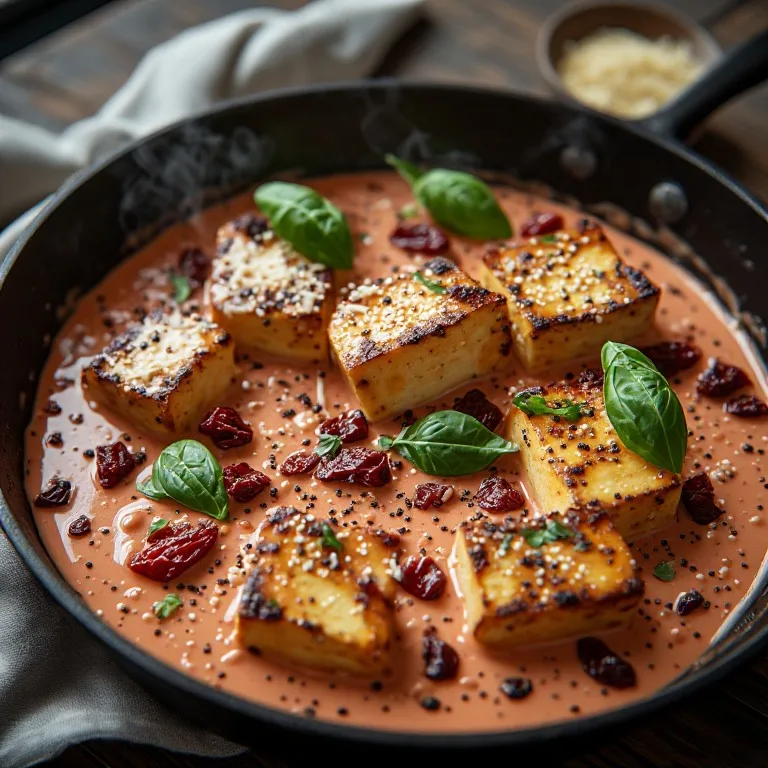
Tofu: pressed and coated in cornstarch before searing; requires 30 minutes of pressing to remove moisture; crust is thinner and absorbs sauce faster.
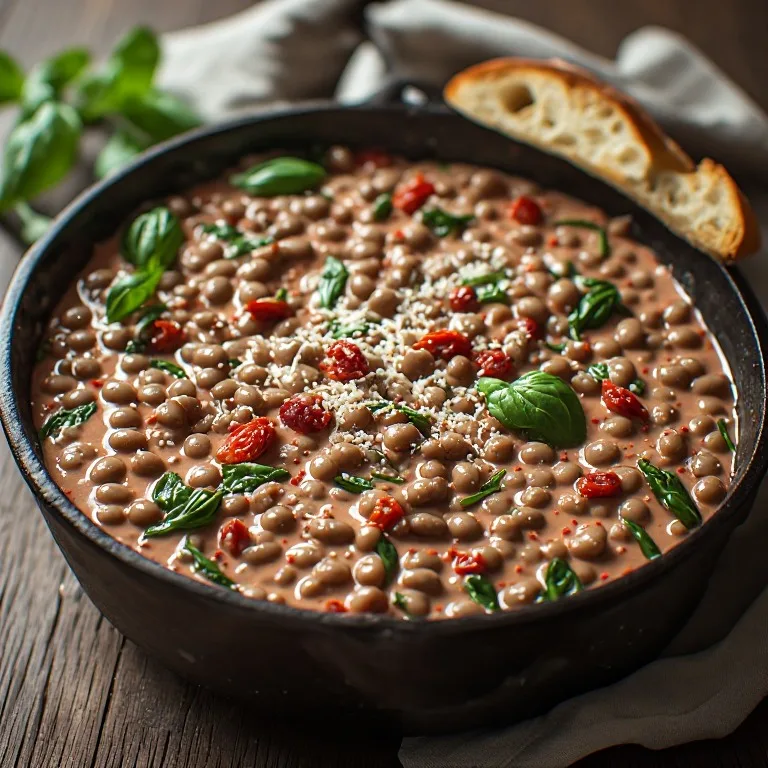
Lentils: cook in the sauce from the start (no separate sear); creamiest consistency; highest fiber; most hands-off.
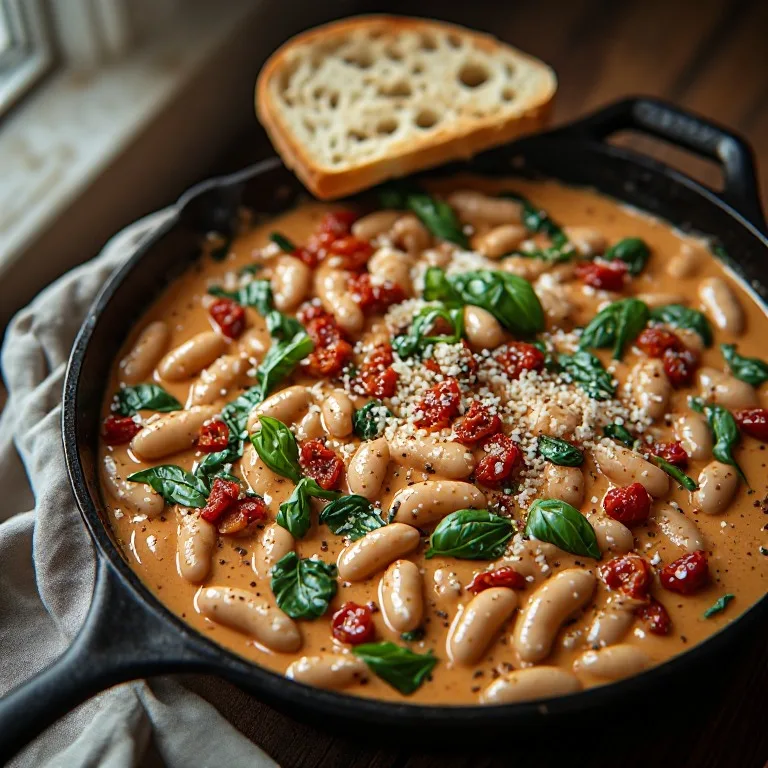
Butter beans: similar to lentils but with a firmer texture; no sear needed; very quick to make.
See Marry Me Tofu, Marry Me Lentils, and Marry Me Butter Beans for those variants.