Pin It

Millionaire Shortbread Bars

Millionaire Shortbread Bars
Jump to Recipe
Prep 20 min (plus chilling time) Cook 35 min Serves 16 bars
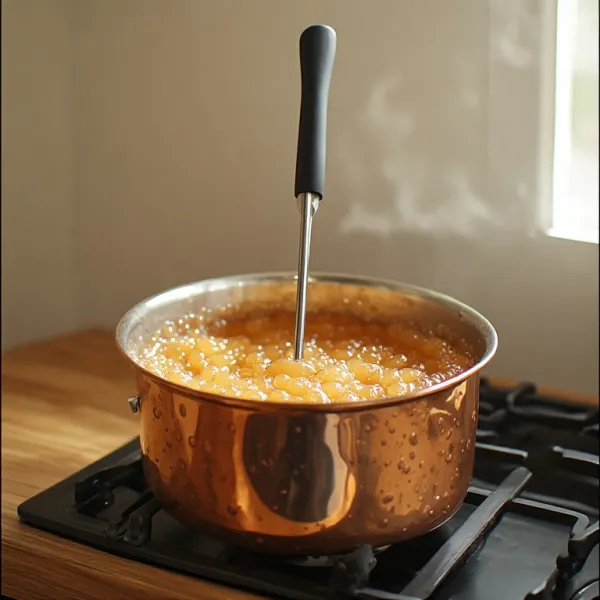
Quick answer: Three layers built in order: (1) cream butter and sugar, mix in flour, press into an 8×8 pan, bake at 350°F for 20–25 minutes until pale gold; (2) cook condensed milk, butter, brown sugar, and corn syrup in a saucepan, stirring constantly for 12–18 minutes until the caramel reaches a deep amber and thickens enough to hold a line when you drag a spoon — pour it over the cooled shortbread and chill 1 hour; (3) melt chocolate with butter, pour over the set caramel, chill until firm, then cut with a warm knife for clean layers. The caramel is where most people fail: it must reach a deep amber (not pale gold) and thicken enough that it pulls slightly from the pan sides — undercooking leaves a soft, oozing layer that won't slice.

Millionaire Shortbread Bars

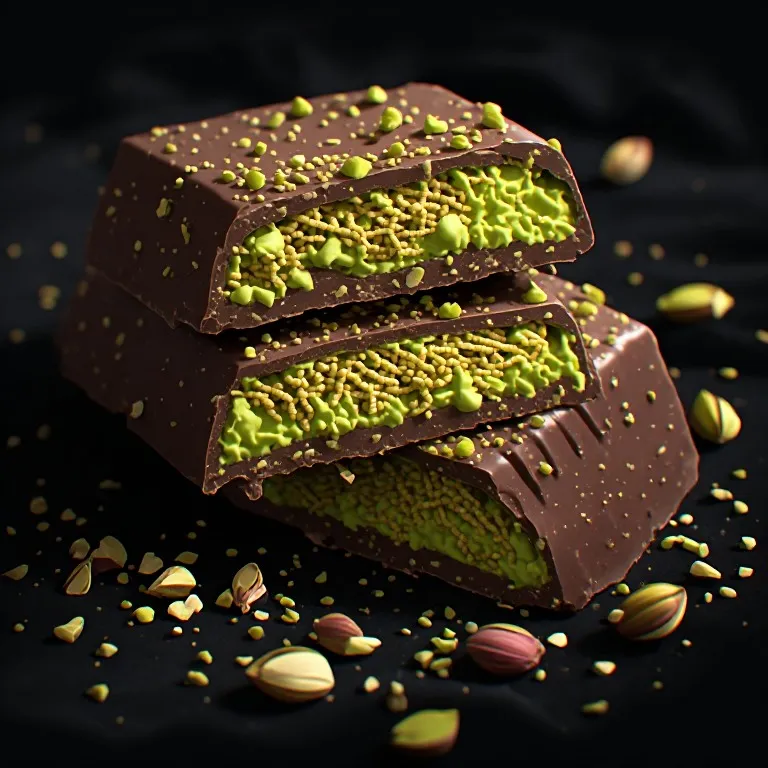
The viral TikTok millionaire shortbread: a crisp butter shortbread base, thick homemade condensed-milk caramel, and a smooth dark chocolate top — sliced to reveal three perfect layers in every bar.

Medium Prep: 20 min (plus chilling time) Cook: 35 min Total: 55 min16 bars servings ~$4.50/serving
Prep20 min (plus chilling time)
Cook35 min
Total55 min
Servings
16
At home~$4.50/serving
vs
Restaurant~$20.25/serving
You save ~78%

The Story Behind the Recipe

Millionaire's shortbread is a Scottish invention from the 1970s and 1980s — a richer, more indulgent evolution of standard tablet (a Scottish confection made from condensed milk and butter). The "millionaire" name reflects the recipe's richness compared to basic shortbread: three layers where a plain shortbread has one. It spread across UK bakeries and cafés in the 1990s and became a standard offering everywhere from Gregg's to Waitrose. A single bar at a London bakery costs £3.50–5; at upscale US chocolate shops, $5–8. The home version costs about $12 for a batch of 16.

What made it viral on TikTok specifically was the cross-section shot: a sharp knife cuts through the dark chocolate, presses through the golden caramel, and snaps cleanly through the butter shortbread, revealing three distinct, perfectly defined layers from the side. The visual is as satisfying as a pressure-wash video. The hashtag #millionaireshortbread has racked up hundreds of millions of views, and the slicing clips — not the baking steps — are overwhelmingly what gets reshared. The technique detail that separates a good batch from a great one is cooking the caramel to the right consistency: deep amber color, slightly tacky, and thick enough that it holds its shape at room temperature without being tooth-shattering.

Nutrition Facts

Per serving (16 bars servings)
Calories515
Total Fat33g
Total Carbs54g
Dietary Fiber2g
Sugars39g
Protein5g
Sodium160mg

* Estimated values based on standard recipe preparation. Actual values may vary.

Ingredients

  • For the shortbread base
  • For the caramel layer
  • For the chocolate top
  • To finish

Instructions

💡
Pro tip: This recipe tastes even better the next day. The flavors need time to meld together in the fridge.
❄️
Storage: Keeps in an airtight container in the fridge for up to 2 weeks. Freezer-friendly for up to 3 months.
🎃 Free Halloween cookbook — download now The Copycat Halloween Cookbook A ready-made, photo-illustrated PDF of our best halloween copycat recipes — free to download, no building required. Pay what you want to support if you love it.

Free PDF — instant download. We'll also send new seasonal copycat recipes now and then; unsubscribe anytime. Or just download it →

Three layers, one clean cut — buttery Scottish shortbread, a thick caramel built from condensed milk, and a glossy dark chocolate top that all come apart in one confident knife stroke.

Why Millionaire Shortbread Goes Viral Every Time Someone Films a Cut

The cross-section shot. A well-made millionaire shortbread has three visually distinct layers when viewed from the side: pale tan shortbread on the bottom, deep golden caramel in the middle, dark chocolate on top. When a knife cuts cleanly through all three and the bar is lifted to show the side profile, it’s one of those images that earns saves and reshares without needing any explanation.

It’s the kind of clip TikTok files under “ASMR food”: satisfying visuals with an implied sensory payoff. The shortbread snaps. The caramel stretches slightly and then holds firm. The chocolate breaks clean with a slight shine. You can almost taste it from the thumbnail.

The recipe itself isn’t difficult — it’s three separate, simple processes stacked in order. Each layer has to be fully complete and cooled before the next goes on, so the total time is longer than the active work. Get the caramel right and the rest is assembly.

The Caramel: The Only Real Skill

The shortbread base is a standard creamed-butter cookie dough — hard to overcook or undercook in a meaningful way. The chocolate top is melted chocolate poured on a flat surface. The caramel is the one step that requires attention.

You’re making a simplified Scottish toffee: butter, condensed milk, brown sugar, and corn syrup, cooked together until the water evaporates, the sugars concentrate, and the mixture reaches the soft-ball stage (238–242°F). At that temperature, the caramel sets firmly enough to slice cleanly but stays pliable and chewy rather than becoming brittle.

The mistakes:

  • Undercooking is the most common problem. A pale gold caramel looks done but isn’t — it’ll be too soft at room temperature and will ooze out of the bars when cut. You want deep amber, and you need to be patient getting there.
  • Uneven stirring creates hot spots that burn the condensed milk on the bottom. A heat-resistant silicone spatula that can reach the corners of the pan and scrape continuously is the right tool.
  • Too-high heat causes the butter to separate and the sugar to crystallize. Medium-low after the initial melt gives you enough heat to cook down the water without scorching.

The color target is closer to a copper penny than to pale honey. If you’re unsure, give it another 3 minutes.

Shortbread: Why Texture Matters

Millionaire shortbread uses a standard butter shortbread — higher butter ratio than most cookie doughs, no eggs, just butter, sugar, and flour. The high fat content creates a crumbly, melt-in-the-mouth texture rather than a chewy one.

Two things affect the shortbread layer’s performance:

  1. Pressing firmly. A loosely pressed shortbread separates into crumbs when you cut the bars. Use a flat-bottomed glass or measuring cup to press it into a tight, even layer with no air gaps.
  2. Cooling completely before caramel. Hot caramel poured onto warm shortbread softens the base and makes it gummy. The shortbread must be completely cool — baked-through and room temperature — before the caramel goes on.

Pricking the dough with a fork before baking prevents the shortbread from puffing up and creating an uneven surface for the caramel.

The Chocolate Layer

Melted chocolate poured on a flat surface — the only variables are type and temperature. Semi-sweet is the traditional choice; dark chocolate (70%) is more bitter but balances the sweet caramel better. Milk chocolate makes the bars sweeter and softer.

Two practical points:

  • Let the melted chocolate cool for 5 minutes before pouring. If it’s too hot (above 120°F), it melts the surface of the caramel, mixing the layers where they should be distinct.
  • Score the chocolate before it fully sets — draw light lines where you plan to cut, about 30 minutes after pouring. When you cut fully chilled chocolate, those score lines act as guides and reduce cracking significantly.

Flaky sea salt on top is not optional for a version that wins TikTok comments. The sweet-salty contrast is the reason these bars taste more complex than their four main ingredients suggest.

Make-Ahead and Storage

Millionaire shortbread improves with time — the layers firm up, the flavors meld, and day-two bars are better than day-one. Make the full slab up to two weeks ahead and refrigerate it in the pan; cut on the day of serving.

For best texture, remove bars from the refrigerator 15 minutes before eating. Cold shortbread is denser and less pleasant; at room temperature the base softens back to its intended crumbliness.

For parties: transport the uncut slab in the pan, covered with plastic wrap. Pre-cut bars have more surface area to stick together and are harder to transport without damage. Cut at the destination with a warmed knife for the clean-layer reveal.
🥗

Make It Healthier

Love Millionaire Shortbread Bars but want a lighter version? Try these simple swaps:

  • ✓Use ¾ cup butter in the shortbread base instead of a full cup, and add 3 tablespoons of cream cheese — the crust holds together the same way but with less saturated fat per bar.
  • ✓Swap the corn syrup for an equal amount of pure maple syrup — the caramel consistency is nearly identical, the flavor is slightly more complex, and you avoid high-fructose corn syrup entirely.
  • ✓Use 70% dark chocolate instead of semi-sweet chips — reduces sugar by about 6g per bar, increases antioxidants, and the slight bitterness cuts through the very sweet caramel better than milk chocolate.
  • ✓Cut the slab into 24 pieces (4×6 grid) instead of 16 — each piece drops to roughly 345 calories, which makes it much easier to have one and stop, since the smaller size feels complete.

Frequently Asked Questions

What is millionaire's shortbread and why is it called that?

Millionaire's shortbread is a Scottish three-layer bar: butter shortbread on the bottom, condensed-milk caramel in the middle, and chocolate on top. The name comes from the recipe's richness — it's a 'millionaire's' version of plain shortbread, which has only one layer. It's also sold as caramel shortcake, caramel slice, or millionaire's slice depending on the country. The name appeared in Scottish cookbooks from the 1980s, though the recipe is likely older.

How do I know when the caramel is done cooking?

Two reliable tests: (1) Color — the caramel should be a deep amber, closer to copper than gold. If it's still pale yellow, it needs more time. (2) Consistency — drag a spatula or spoon across the bottom of the pan; the line should hold for 2–3 seconds before the caramel flows back in. On a thermometer, this corresponds to 238–242°F. A third test: drop a small amount into cold water — it should form a soft, pliable ball (soft-ball stage). Undercooked caramel oozes when you cut the bars; overcooked caramel becomes brittle and tooth-shattering. Most home cooks err toward undercooking, so when in doubt, give it another 2–3 minutes.

Can I use Carnation or another store-bought caramel instead of making it from scratch?

Yes, but the texture will be different. Canned dulce de leche (either purchased or made by simmering an unopened can of condensed milk for 2–3 hours) works well as a substitute and is more forgiving than making caramel from scratch. Ready-made caramel sauce is too liquid and won't set firm. If using dulce de leche, warm it gently and stir in 2 tablespoons of butter before pouring it over the shortbread; this helps it set more firmly and gives a glossier finish. The scratch version is richer and has better caramel flavor, but the canned version is significantly faster and lower-risk.

Why does my chocolate crack when I cut the bars?

Three causes: (1) The chocolate layer is too cold — remove from the fridge and let it sit at room temperature for 5–10 minutes before cutting. (2) Your knife is cold — dip it in hot water and dry before each cut; the heat transfers to the chocolate and softens it enough to cut cleanly. (3) The chocolate layer is too thick — if you used a larger amount of chocolate than the recipe specifies, a thicker layer is more prone to cracking. Score the chocolate lightly with the tip of your knife before cutting all the way through; this creates a guide and reduces cracking.

How long does millionaire shortbread keep, and can it be frozen?

Room temperature: 3–4 days in an airtight container, away from heat. The caramel softens slightly in a warm kitchen; refrigerating is better. Refrigerated: up to 2 weeks. Remove bars from the fridge 15 minutes before serving — cold shortbread is harder and less pleasant than shortbread at room temperature. Frozen: up to 3 months. Wrap individual bars in plastic wrap, then place in an airtight container. Thaw in the refrigerator overnight or at room temperature for 1 hour.

Can I make millionaire shortbread ahead of time for a party?

Yes — it's an excellent make-ahead dessert. The full slab keeps refrigerated (in the pan, covered with plastic wrap) for up to 2 weeks. Cut it on the day of serving for the cleanest presentation. The shortbread actually improves after 24 hours in the fridge as it firms up and the layers meld. If you're bringing it somewhere, keep it in the pan and cut it at the destination — uncut slabs travel much better than pre-cut bars, which have more surface area to stick together.

Love this recipe? Share it!

Free PDF: our 12 most-wanted copycat recipes — instant download.

Made it? Buy us a coffee

Every recipe here is free, with no paywalls. If this one was a hit at your table, a small tip keeps new copycats coming.

$

Ratings & Reviews

—
No ratings yet

Rate this recipe

Click a star to rate

Leave a Review

0/500

CS

Copycat Spices Editorial

Researched + fact-checked. Every recipe on Copycat Spices is built from published sources — official ingredient lists, brand-published recipes, interviews and food-science references — and fact-checked before it goes live, then written as clear, step-by-step instructions for home cooks of all skill levels.

Learn more about our mission →