

Pin It

Viral TikTok Peanut Butter Miso Cookies (Brown Butter + Miso = Perfect PB Cookie)

Viral TikTok Peanut Butter Miso Cookies (Brown Butter + Miso = Perfect PB Cookie)
Jump to Recipe
Prep 20 min Cook 12 min Serves 24 cookies
Quick answer: Brown 1 cup (226g) unsalted butter in a light-colored pan until deep golden and nutty — about 6 minutes. Off heat, whisk in 3 tablespoons white miso paste until fully dissolved. Let cool 10 minutes. Whisk in ½ cup (120g) creamy peanut butter, ¾ cup (150g) brown sugar, and ½ cup (100g) granulated sugar until smooth. Add 1 large egg plus 1 egg yolk and 1½ teaspoons vanilla. Fold in 2 cups (250g) all-purpose flour, 1 teaspoon baking soda, and ¼ teaspoon kosher salt. Chill 30 minutes (or up to 3 days). Roll tablespoon-and-a-half portions into balls, roll each in granulated sugar, and place 2 inches apart on a parchment-lined baking sheet. Bake 350°F for 10 to 12 minutes — pull when edges are set but centers still look underdone and matte. Top with flaky sea salt immediately. Rest 10 minutes on the pan before eating. Makes 24 cookies.

Shop the tools

Gear matched to this recipe. These are Amazon affiliate links — we may earn a small commission if you buy, at no extra cost to you.

As an Amazon Associate, Copycat Spices earns from qualifying purchases. Product images are generic illustrations, not the exact item listed.

Viral TikTok Peanut Butter Miso Cookies (Brown Butter + Miso = Perfect PB Cookie)

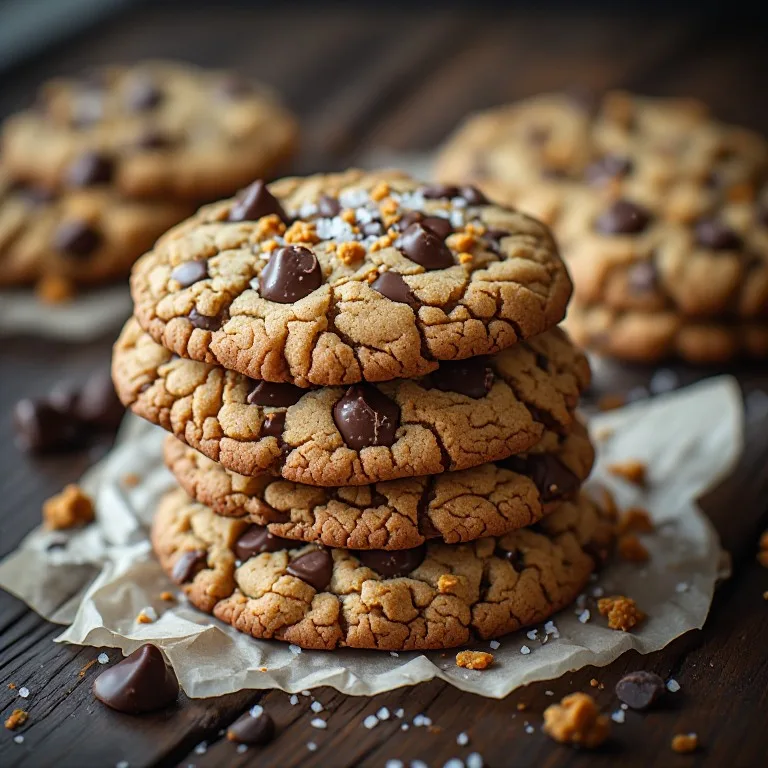
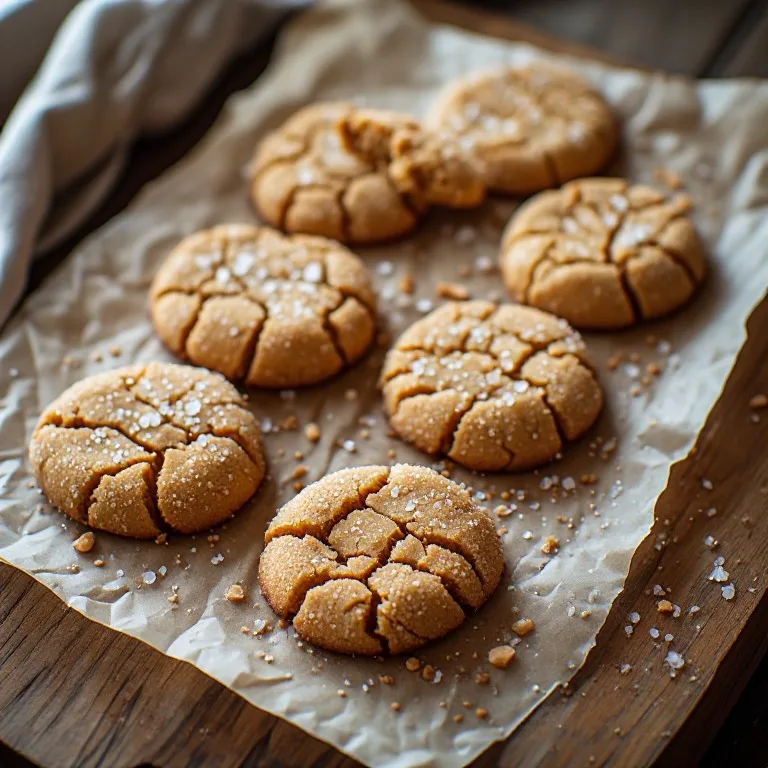
The TikTok upgrade that makes peanut butter cookies deeply complex: white miso paste dissolved into brown butter, rolled in sugar for crinkled edges, and pulled slightly underdone. The miso amplifies the peanut butter instead of competing with it — people can't identify the secret but they ask for the recipe every time.

Easy Prep: 20 min Cook: 12 min Total: 32 min24 cookies servings ~$4.20/serving
Prep20 min
Cook12 min
Total32 min
Servings
24
At home~$4.20/serving
vs
Restaurant~$18.90/serving
You save ~78%

The Story Behind the Recipe

Peanut butter cookies have been in American kitchens since the 1930s. The miso version is a 2023 TikTok invention: someone applied the "white miso in brown butter" technique that had already gone viral in chocolate chip cookies and asked what would happen when the other primary flavor was peanut butter instead of chocolate. The answer was that both are deeply glutamate-rich — miso from fermentation, roasted peanuts naturally — so their umami compounds amplify rather than compete with each other. The result is a PB cookie that tastes more intensely peanut-buttery than one made without miso, with a background depth people can't place but keep coming back to.

A single specialty PB cookie at a bakery runs $4 to $6. A full batch of 24 costs $8 to $12 in ingredients, and the white miso (about $4 per tub) makes 4 to 5 batches. The brown butter and miso dissolve into each other in the same pan, so there's no extra equipment beyond a standard cookie setup. Dough keeps refrigerated for 3 days or frozen for 2 months, so the batch scales easily for gatherings.

Nutrition Facts

Per serving (24 cookies servings)
Calories195
Total Fat11g
Total Carbs22g
Dietary Fiber1g
Sugars13g
Protein4g
Sodium155mg

* Estimated values based on standard recipe preparation. Actual values may vary.

Ingredients

Instructions

💡
Pro tip: This recipe tastes even better the next day. The flavors need time to meld together in the fridge.
❄️
Storage: Keeps in an airtight container in the fridge for up to 2 weeks. Freezer-friendly for up to 3 months.
🎃 Free Halloween cookbook — download now The Copycat Halloween Cookbook A ready-made, photo-illustrated PDF of our best halloween copycat recipes — free to download, no building required. Pay what you want to support if you love it.

Free PDF — instant download. We'll also send new seasonal copycat recipes now and then; unsubscribe anytime. Or just download it →

Why Miso and Peanut Butter Are Made for Each Other

Miso in chocolate chip cookies went viral because the fermented depth was surprising and unidentifiable. Peanut butter cookies work differently: miso doesn’t surprise — it amplifies. Both peanut butter and white miso are glutamate-rich — white miso builds its glutamates through fermentation, roasted peanuts develop theirs through roasting. Their umami compounds stack rather than compete, which means the finished cookie tastes more intensely peanut-buttery than a standard recipe. Not different — just more.

The TikTok iteration spread because the combination answers a question bakers had been asking: why does a great peanut butter cookie feel flat 30 minutes later? The miso’s fermented depth and moisture-holding properties give these an unusual staying power — they taste as complex and satisfying on day three as they do fresh from the oven.

The Brown Butter Step Is Worth It

Most PB cookie recipes use softened or melted butter. Brown butter requires one extra pan and about 7 minutes of attention, and it changes the cookie significantly.

Brown butter is what happens when the milk solids in butter toast on the bottom of the pan: the Maillard reaction between milk proteins and lactose generates nutty, hazelnut-like aroma compounds that plain melted butter simply doesn’t contain. The flavor is distinctly roasty and caramel-forward — it deepens the peanut butter instead of just providing fat.

Three things to know:

  1. Use a light-colored pan. Stainless or cast iron lets you see the milk solids darkening. A dark nonstick pan hides the color until they’re already burnt.
  2. Swirl every 30 seconds once the second foam subsides. The solids settle to the bottom; swirling redistributes them for even color.
  3. Pull before you think you need to. Medium-amber + nutty hazelnut smell = done. It goes from amber to burnt in under a minute. The butter continues cooking off heat.

Whisk the miso into the warm (not hot) brown butter immediately. The warm fat dissolves the paste completely and distributes the miso’s flavor compounds throughout every tablespoon of fat in the dough — meaning every bite has that depth, not just bites near a concentration of paste.

The Technique That Creates the Crinkle

Rolling each dough ball in granulated sugar before baking produces the crackled, sparkly surface these cookies are known for. As the cookie spreads during baking, the sugar shell fractures into irregular cracks and forms a thin caramelized layer. The result: a slight crunch on the first bite, then soft and fudgy interior. Without the sugar roll, the cookies still taste identical but look like a plain matte cookie.

The Chill Step Changes Everything

Brown butter is liquid at room temperature — functionally closer to olive oil than softened butter. Bake a ball of room-temperature dough and the fat runs before the flour can build structure, producing a flat, greasy cookie with no height.

After a 30-minute chill, the browned butter has firmed enough to hold the ball’s shape through the first 5 minutes of baking — by which point the proteins in the egg have set and the flour structure has developed. The result: a cookie with a defined edge and a puffed, crinkled center.

Chill overnight if you can. A 24-hour rest allows the sugars to hydrate fully, the miso to integrate deeper, and the brown butter’s nutty compounds to diffuse evenly through the dough. The flavor improvement from overnight versus 30-minute chill is noticeable and consistently remarked on in the TikTok comments.

Pulling Them Before They Look Done

This is the single step most first-timers get wrong.

Pull these cookies when the edges are set and the centers look matte but slightly puffed — not fully firm, not glossy and wet, but not done either. They will look underbaked.

During the 10-minute rest on the hot pan, the residual heat firms the centers completely. The miso and peanut butter both hold moisture differently than flour — they stay softer longer, which means the “done” visual cue is later than usual. Bake until the centers look set and you’ll get dry, crumbly cookies.

Add-In Options

The base recipe has clean peanut butter and miso flavor. Popular additions from the TikTok versions:

Chopped roasted peanuts — about ¾ cup, folded into the dough before chilling. Adds crunch and doubles the peanut intensity.

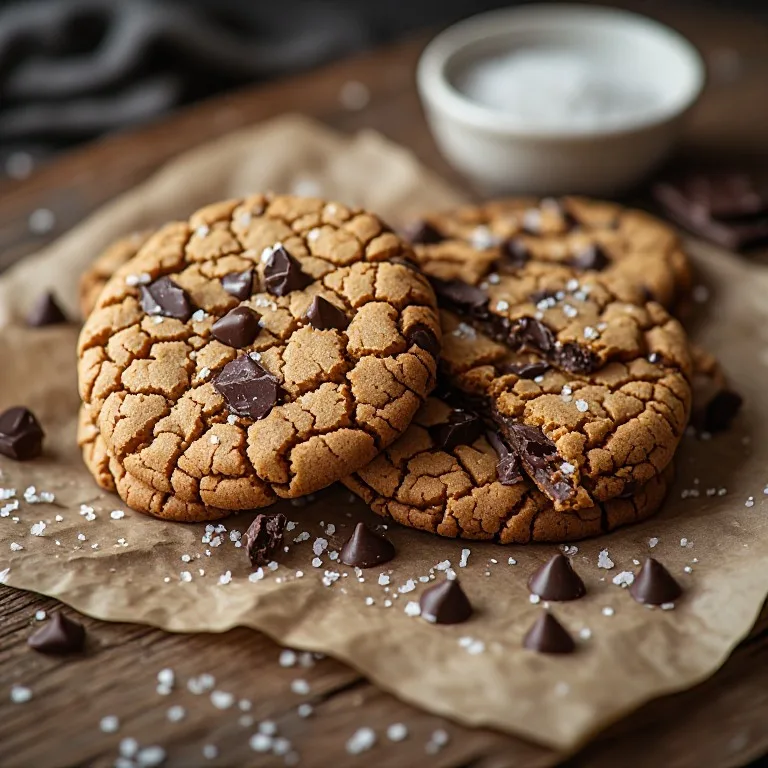
Mini chocolate chips — ¾ cup makes these effectively elevated Reese’s in cookie form. The miso suppresses chocolate’s bitterness, so the combination tastes richer than either ingredient alone.

Crushed pretzels — about ½ cup broken into small pieces. The salt-and-crunch contrast against the sweet, soft cookie is the same principle as salted caramel.

Reese’s Pieces — ¾ cup. Nostalgic and visually striking, with the peanut butter-chocolate combination landing in every bite.

Nutrition Per Cookie

Based on full recipe (24 cookies) with no add-ins.

Per Cookie
Calories~195
Protein4g
Carbohydrates22g
Fat11g
Fiber1g
Sugar13g
Sodium~155mg

Sodium estimate includes the miso, baking soda, salted peanut butter, and kosher salt in the dough; it does not include the flaky sea salt finish. Use unsalted natural peanut butter to lower it.
🥗

Make It Healthier

Love Viral TikTok Peanut Butter Miso Cookies (Brown Butter + Miso = Perfect PB Cookie) but want a lighter version? Try these simple swaps:

  • ✓Natural peanut butter (just peanuts and salt) works well here — it produces a slightly less sweet, more intensely peanut-forward cookie. Stir the jar completely before measuring and make sure it's at room temperature so it blends smoothly into the butter. The miso does the salty work, so use unsalted natural PB if you have it.
  • ✓The dough keeps in the freezer for 2 months, rolled into balls and sugar-coated before freezing. Bake straight from frozen at 350°F for 13 to 14 minutes. This makes it easy to bake 4 cookies at a time instead of 24 all at once.
  • ✓You can reduce the sugar to ½ cup brown + ¼ cup granulated (down from ¾ + ½) for a less sweet cookie — the miso's natural depth means these don't need as much sugar to taste complex. The texture will be slightly less chewy.
  • ✓Swap 2 tablespoons of the miso for an additional tablespoon of peanut butter if you want less sodium — the peanut butter flavor intensifies and the cookies are still more complex than a standard recipe, just with less of the fermented depth.

Frequently Asked Questions

What does the miso actually do in a peanut butter cookie?

Miso is loaded with glutamates — the same amino acids that give parmesan, anchovies, and soy sauce their depth. Roasted peanuts are also naturally glutamate-rich — roasting develops free glutamates the same way it browns the nuts — so the two ingredients amplify each other rather than clash. In practical terms: the peanut butter flavor reads as more intense than in a standard recipe, the sweetness feels more rounded, and there's a background savoriness that makes people take a second bite before they can identify what's different. You won't taste miso in the finished cookie — 3 tablespoons across 24 cookies is too dilute for the fermented flavor to register as miso. What you'll taste is a PB cookie that seems more complex and satisfying than it has any right to be.

Does the miso replace all the salt?

Mostly. White miso contains about 280mg of sodium per tablespoon — 3 tablespoons adds roughly 840mg to the full batch, which works out to about 35mg per cookie before the flaky salt finish. This recipe uses only ¼ teaspoon of additional kosher salt in the dough (standard PB cookie recipes use ½ to 1 teaspoon). The flaky sea salt on top is still essential — it's a finishing contrast, not background salinity. If your peanut butter already contains added salt, taste a small piece of dough before chilling and reduce or skip the dough salt.

Conventional peanut butter or natural?

Both work, with slightly different results. Conventional peanut butter (Jif, Skippy) contains stabilizers and added sugar — it's smoother, sweeter, and produces a more consistently soft texture. Natural peanut butter (just peanuts and salt) is denser and less sweet; the cookies come out slightly more peanut-forward and a bit chewier. Either is correct. The one thing to avoid with natural peanut butter: don't use the separated oil floating on top — stir the jar completely before measuring so you're getting the emulsified paste, not just the oily layer.

Can I skip browning the butter?

Yes, but the cookies will be noticeably less complex. Brown butter contributes nutty, toasty aroma compounds (pyrazines, lactones) that work alongside the miso's fermented depth — together they produce a layered savoriness that room-temperature butter can't replicate. If you're short on time or want a simpler version, soften the butter to room temperature and beat it with the miso, peanut butter, and sugars. The miso still adds depth, you just lose the toasty hazelnut layer from browning. The texture will also be slightly less chewy since brown butter (which has had some water evaporated) produces a crisper edge than softened butter.

What's the right miso to use — white, yellow, or red?

White miso (shiro miso) is the correct choice. It's the mildest, sweetest variety — fermented for the shortest time, with the lowest sodium and least assertive flavor. In a cookie where miso is supporting the peanut butter rather than being the primary flavor, white miso adds depth without making the cookies taste savory or fermented. Yellow miso works in a pinch but produces a slightly saltier, more complex flavor. Red miso is too intense for this ratio — even 1 tablespoon will give the cookies a noticeable fermented bite. Look for white miso in the refrigerated section near tofu (Hikari, Miso & Easy, and Whole Foods' 365 brand are widely available).

Why roll the dough in granulated sugar?

The sugar coating creates the crackled, sparkly surface that defines these cookies visually on TikTok. As the cookie spreads during baking, the sugar layer fractures into irregular cracks — a side effect of the surface tension breaking as the dough spreads outward. This is different from how most cookies finish: standard chocolate chip cookies are portioned and baked plain; snickerdoodles are rolled in cinnamon-sugar; these use plain granulated sugar to create a thin caramelized shell that crunches slightly on the first bite before giving way to the soft interior. Without the sugar roll, the cookies still taste great but look more like a plain brown butter cookie.

How long do these keep, and can I freeze the dough?

Baked cookies: airtight container at room temperature, 5 to 6 days (the miso acts as a humectant and keeps them soft longer than a standard cookie). Refrigerator: up to 2 weeks, though they firm up. Unbaked dough: refrigerator up to 3 days (longer chill = better flavor). Freeze the portioned, sugar-rolled dough balls in a single layer, then transfer to a zip-close bag — they keep frozen for 2 months. Bake directly from frozen at 350°F for 13 to 14 minutes. This is the best way to have fresh-baked cookies in 15 minutes on demand.

Can I add chocolate chips or chopped peanuts?

Both work well. A handful of chopped roasted peanuts (about ¾ cup) folded into the dough before chilling adds crunch and intensifies the peanut flavor without making the cookies overly rich. Mini chocolate chips (¾ cup) are the most popular TikTok add-in — the peanut butter + miso + chocolate trio is essentially Reese's elevated. Chopped dark chocolate (60–70% cacao) creates pools of melted chocolate on top, which photographs dramatically. If you add chocolate, the miso's bitterness-suppressing quality works double duty: the chocolate tastes richer and less sharp, the same mechanism that drives the miso chocolate chip cookie trend.

Love this recipe? Share it!

Free PDF: our 12 most-wanted copycat recipes — instant download.

Made it? Buy us a coffee

Every recipe here is free, with no paywalls. If this one was a hit at your table, a small tip keeps new copycats coming.

$

Ratings & Reviews

—
No ratings yet

Rate this recipe

Click a star to rate

Leave a Review

0/500

CS

Copycat Spices Editorial

Researched + fact-checked. Every recipe on Copycat Spices is built from published sources — official ingredient lists, brand-published recipes, interviews and food-science references — and fact-checked before it goes live, then written as clear, step-by-step instructions for home cooks of all skill levels.

Learn more about our mission →