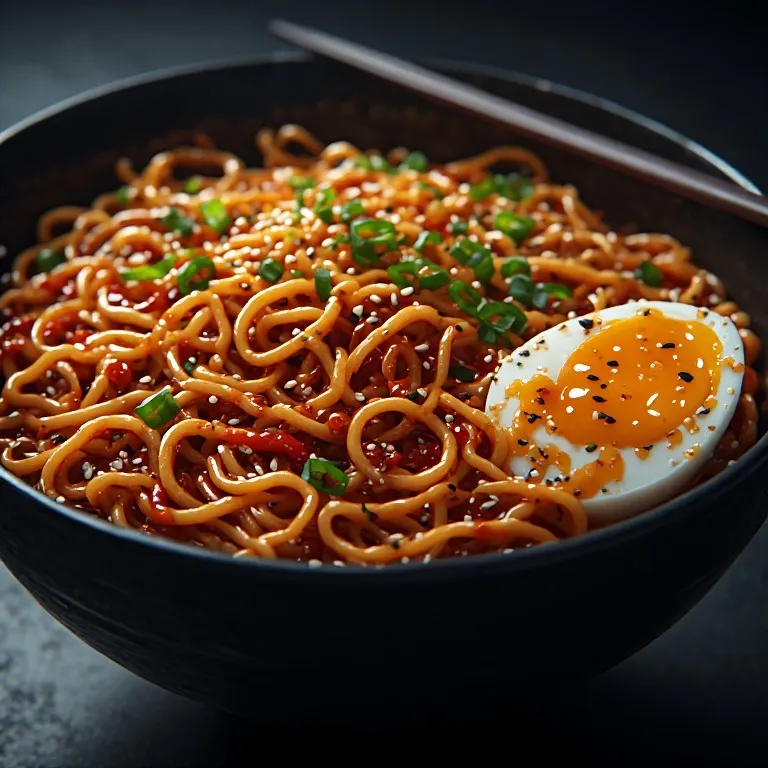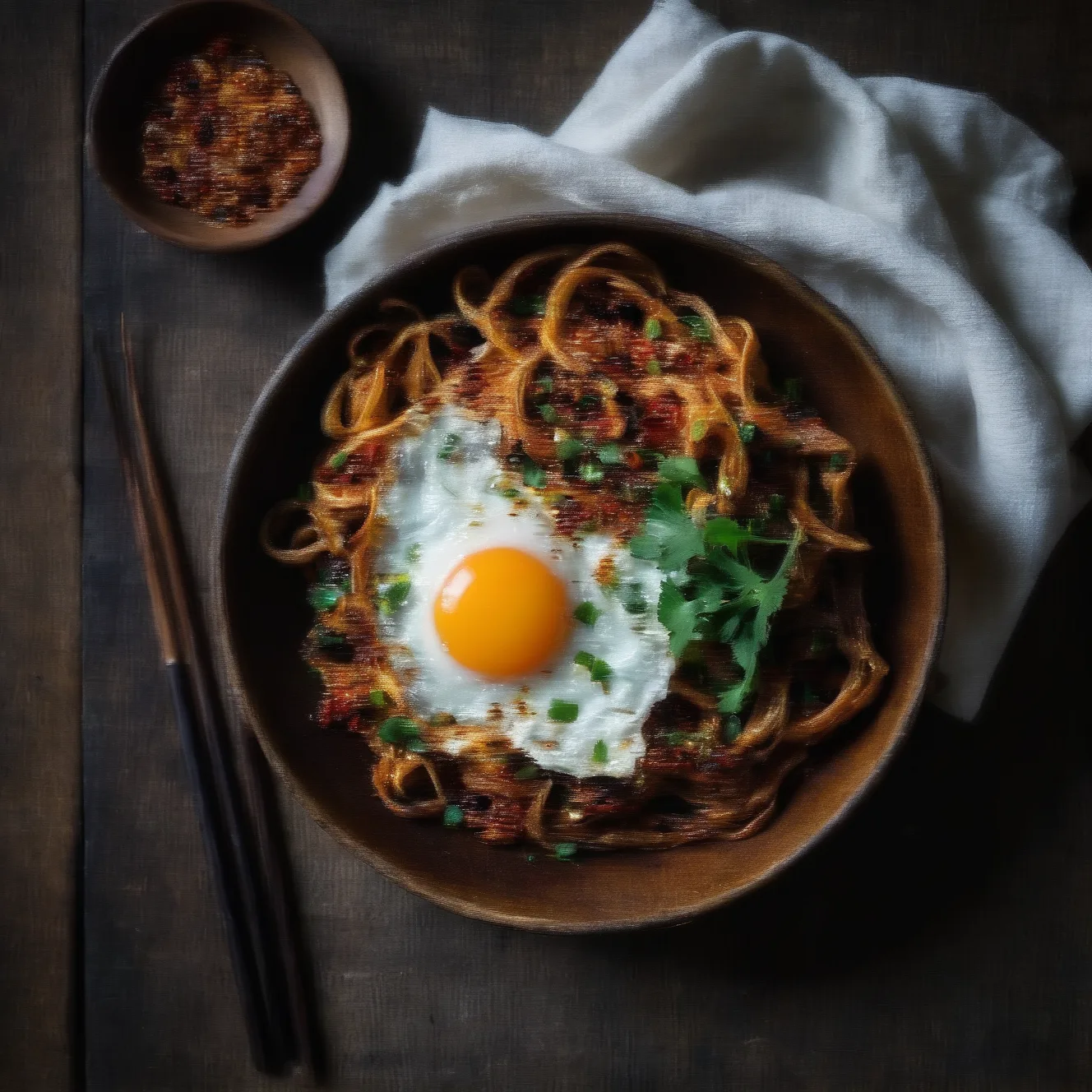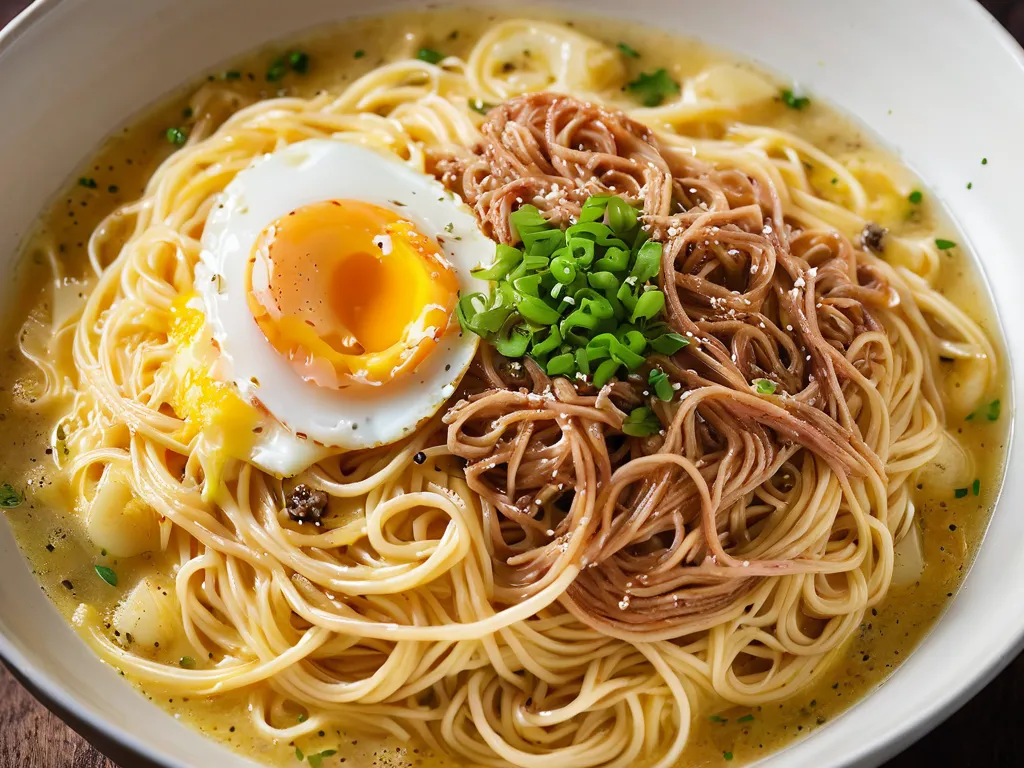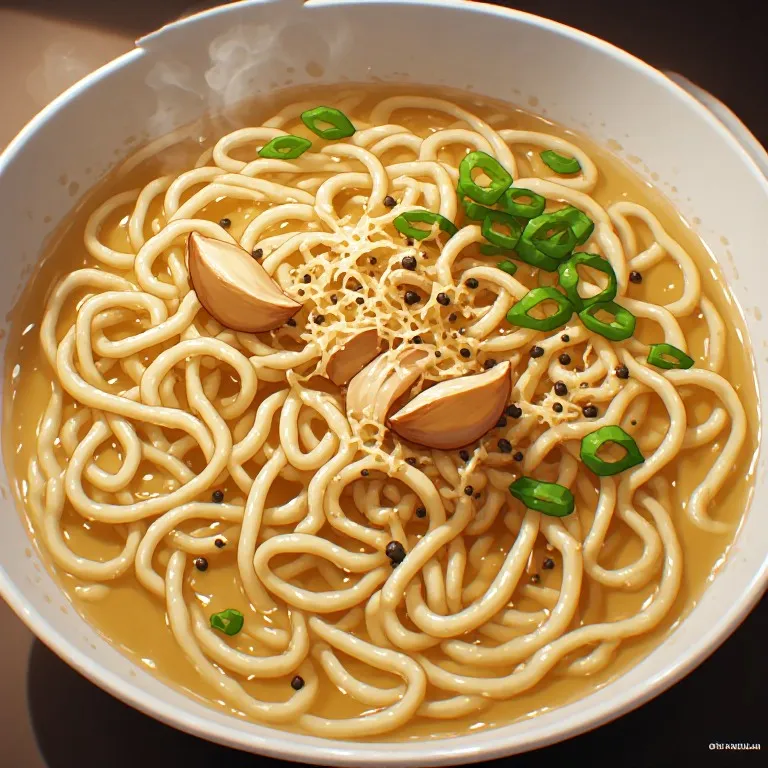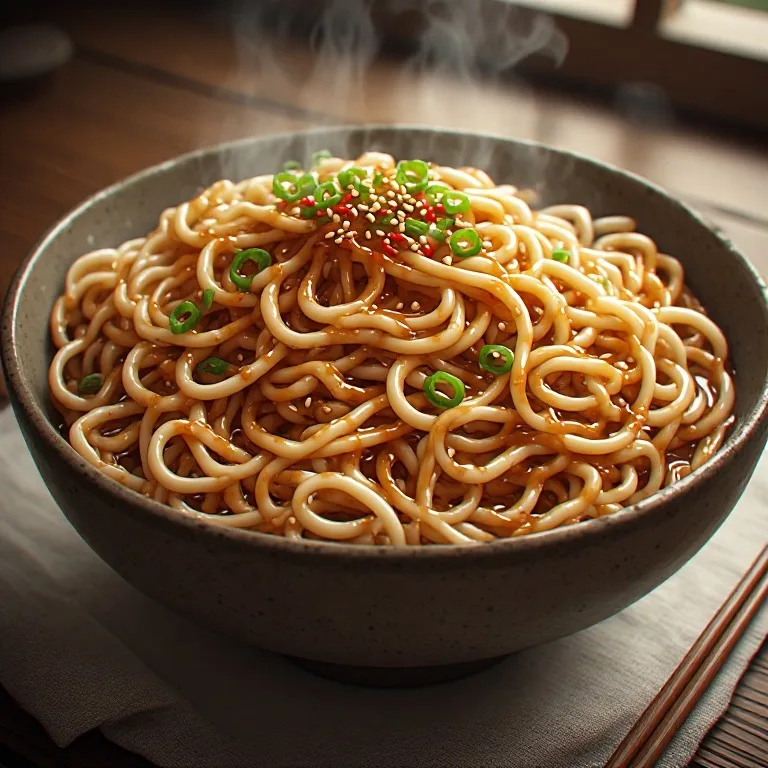



Quick answer: Brown butter miso udon is browned butter, white miso paste, garlic, and shallot tossed with thick udon noodles and a splash of starchy cooking water to emulsify everything into a glossy sauce. It takes about 15 minutes. The two things that matter: actually brown the butter until it’s nutty and amber (not just melted), and save the cooking water before you drain the noodles.
What is brown butter miso udon?
Brown butter miso udon is one of those TikTok recipes that spread because it delivers on the video. The concept is a fusion of two techniques: the French beurre noisette (butter cooked until the milk solids turn amber and nutty) and the Japanese practice of using miso as a savory base for noodle sauces. They shouldn’t work as well together as they do.
The result is a sauce with layers: the buttery richness, the fermented depth of the miso, the sharp garlic and shallot softening into the fat, and the starchy cooking water pulling everything into a single glossy emulsion. It eats like something that took an hour to develop, and it took 15 minutes.
Frozen udon is the right noodle — thick, chewy, springy — and is now in most grocery stores (Costco, Trader Joe’s, H Mart, and standard Asian grocery sections all carry it).
Why browning the butter is the whole point
Brown butter (beurre noisette) isn’t a technique you can skip or approximate. As the milk solids toast, the Maillard reaction between milk proteins and lactose generates nutty, roasty aroma compounds — furanones, pyrazines, and lactones — that plain melted butter simply doesn’t have. The flavor is distinctly nutty, almost hazelnut-like, with a toasty richness that changes the entire character of whatever it touches.
The technique is less scary than it sounds:
- Use a light-colored pan (stainless or cast iron) so you can see the milk solids darkening. A dark nonstick pan hides the color until it’s already burnt.
- Heat to medium, not high — the butter should foam, subside, foam again, and then slowly begin to color. High heat rushes it and you end up with a pan of burnt milk solids in 90 seconds.
- Swirl every 30 seconds once the second foam subsides. The solids settle to the bottom; swirling redistributes them so they brown evenly.
- Pull the pan when it smells like toasted hazelnuts and looks medium-amber. It goes from amber to dark brown to burnt in under a minute once you’re in the danger zone.
The miso goes directly into this hot brown butter — and that contact with hot fat is what activates the miso’s flavor in a way that just stirring it into a bowl of noodles doesn’t. The fermented flavor compounds bloom in the fat the same way a spice blooms in oil.
The starch water step is not optional
This is the step that separates a glossy, restaurant-quality sauce from a broken, greasy mess.
Udon cooking water is full of dissolved starch. When added to the butter-miso base and agitated over heat, that starch acts as an emulsifier — it’s what binds the fat and the water-based components into a sauce that clings to the noodles uniformly instead of pooling at the bottom of the bowl.
Before you drain the udon: set a mug or measuring cup next to the pot and scoop out at least half a cup. If you forget and drain the noodles first, you can use a mix of tap water with a pinch of cornstarch dissolved in it as an emergency substitute — but it’s not as good. The natural starch from noodle water has the right concentration and behavior.
Add it gradually. Start with a quarter cup, toss the noodles aggressively, and add more if the sauce is too thick and starting to stick. The sauce will look broken at first — keep tossing over medium-low heat and it will come together.
White miso, specifically
Miso varies dramatically: white miso (shiro miso) is sweeter, milder, and lower in sodium than red or barley miso. In this dish — where miso is a primary flavor rather than a background seasoning — the sweetness of white miso lets the brown butter stay present rather than being overpowered by fermented intensity.
Red miso will make the dish significantly saltier and more assertive. It works, but cut the soy sauce in half if you go that route. Yellow miso (shinshu) is a solid middle-ground substitute.
White miso is sold at Whole Foods, Trader Joe’s (refrigerated section), most Asian grocery stores, and increasingly in the international/health food aisle of regular supermarkets. It keeps refrigerated for months.
The add-in that surprised everyone: parmesan
This sounds wrong and works extremely well. A small handful of finely grated parmesan stirred in just before plating adds a second layer of umami — the glutamates in aged parmesan amplify rather than compete with the miso. The effect is Japanese-Italian fusion in the best possible way, more depth without tasting Italian.
It’s not traditional, and it’s not essential. But if you have parmesan in the fridge, try it.
Protein options
The base dish is vegetarian. For protein:
- Crispy pancetta or pork belly — the most popular TikTok addition. Render the fat, crisp the pieces, remove them from the pan, make the brown butter in the remaining fat, and return the crispy pieces at the end.
- Jammy soft-boiled egg — 6.5 minutes in boiling water, immediate ice bath, peel and halve. The runny yolk mixes into the sauce and enriches it further.
- Crispy tofu — press dry, cube, pan-fry in a separate pan until golden, add on top.
- Grilled or poached chicken breast — sliced and laid on top; the miso sauce doubles as the protein’s sauce.