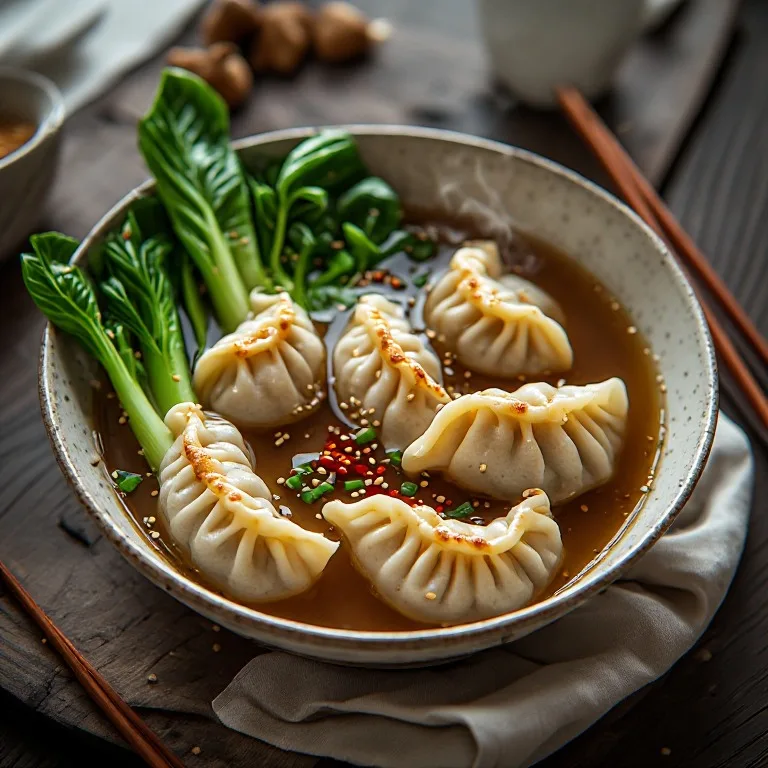



This is the viral TikTok potsticker soup format: the specific trick that made it spread was dropping frozen dumplings directly into simmering broth — no thawing, no separate searing pan — and getting a result that looks like it took considerably longer than it did.
Why frozen dumplings go straight into the broth (no thawing required)
Most dumpling recipes tell you to thaw before cooking. The TikTok potsticker soup inverts that advice for good reason: when frozen dumplings hit hot broth, the outer wrapper thaws and begins absorbing the broth’s flavor before the filling finishes cooking through from the inside. The timeline aligns: by the time the filling is cooked through (6–8 minutes), the wrapper has had time to soften into a silky texture without going gummy. Thawed dumplings cook faster and can overcook or burst if the broth is too vigorous. The frozen-drop method gives you more margin.
The second effect: the starch releasing from the wrapper as it softens slightly thickens the broth, which is what gives the finished soup that silky, substantial body — the same principle as pasta water thickening a pan sauce. This happens whether you want it to or not, so the recipe is designed around it rather than trying to prevent it.
Which frozen dumplings actually work here
Any frozen dumpling works, but a few specifics:
Trader Joe’s pork gyoza (40 pieces, $4.49) is the most-cited TikTok version and the cheapest per-dumpling option at most stores. The filling is mild and takes on broth flavor well.
Bibigo mandu (Korean-style, pork & vegetable or kimchi) are slightly larger and add a different flavor profile — the kimchi version turns the broth noticeably tangier, which works if you reduce the soy sauce by half.
Vegetable or edamame-tofu dumplings cook identically — the wrapper starch and cooking time are the same regardless of filling. The broth won’t need adjustment.
Shrimp wontons (the wonton-folded style) are more delicate and burst more easily at a hard boil — keep the heat at a gentle simmer and check at 5 minutes rather than 6.
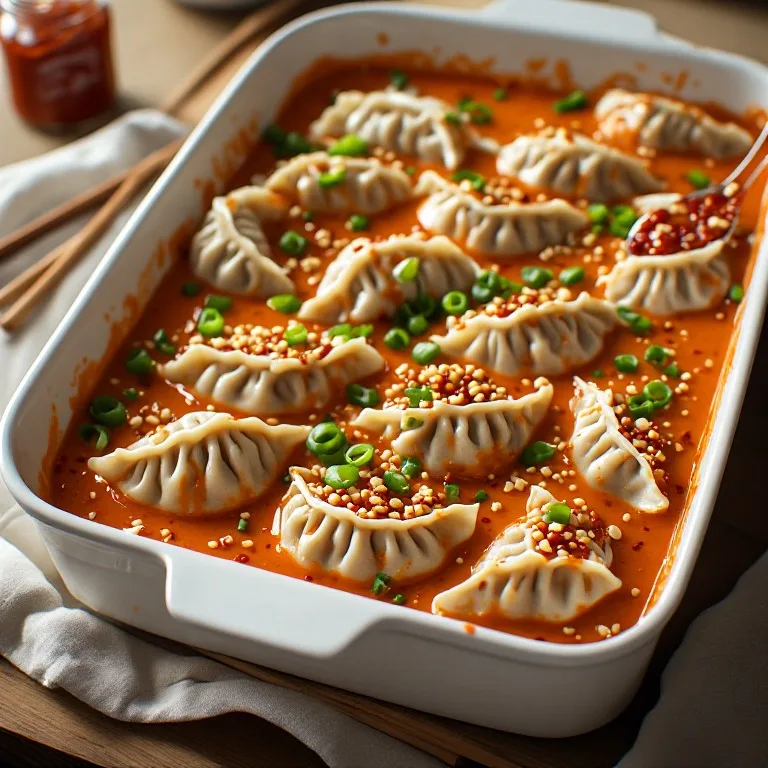
What doesn’t work: refrigerated fresh dumplings (like Trader Joe’s mini wontons from the refrigerator case). They have thinner, more delicate wrappers that turn gummy in broth. The frozen wrapper is sturdier and designed for this. (If you’d rather bake than simmer, the same bag of frozen dumplings powers the viral Trader Joe’s dumpling bake — a sheet-pan route to crispy edges instead of a silky broth.)
Building on the base: variations worth trying
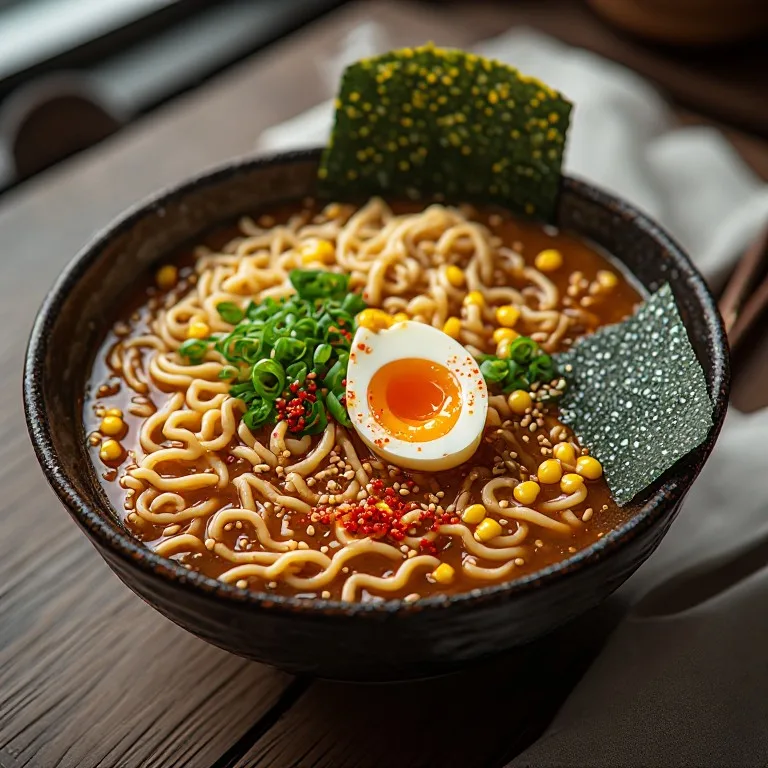
Ramen-adjacent: Add 1 tablespoon of white miso to the broth after the garlic step (dissolve in a ladleful of hot broth first) and swap in ramen noodles cooked separately. This shifts it into full ramen territory with very little extra work — for the heat-forward version, see the viral spicy miso ramen.
Spicier: Add 1 tablespoon of gochujang paste with the aromatics (cook it out for 60 seconds before adding broth) for a Korean-inflected broth with more heat and a deep red color. Reduce the soy sauce by half since gochujang carries significant salt.
Coconut-ginger: Replace 2 cups of the chicken broth with full-fat coconut milk. The broth becomes richer, sweeter, and less soy-forward — closer to a Thai coconut curry soup than a Chinese-Japanese dumpling soup, but the dumpling cooking method is identical. Add a squeeze of lime at the finish instead of the rice vinegar.
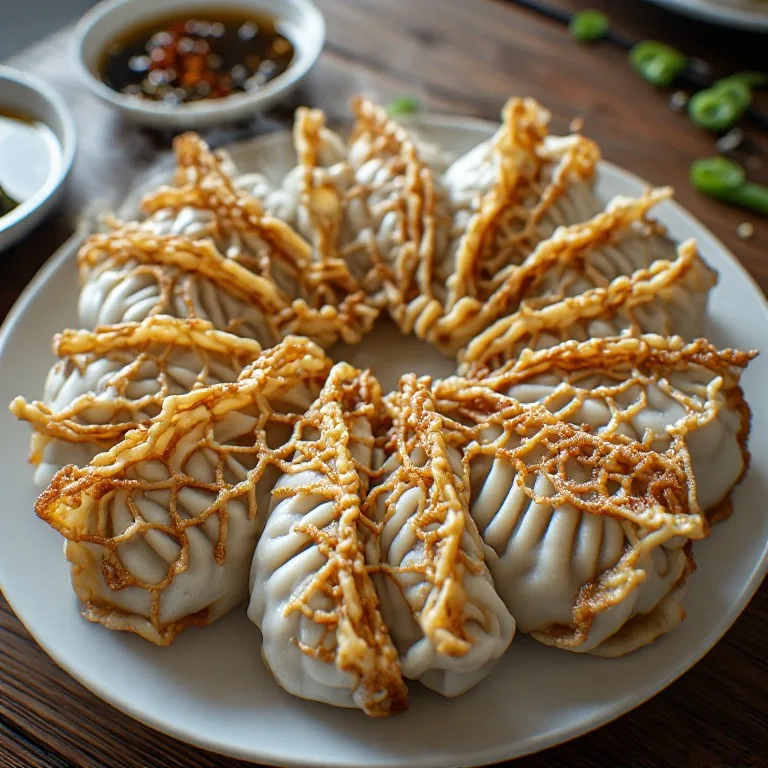
For the crispy pan-fried version of gyoza — the lace-skirt technique — the approach is completely different (homemade filling, cornstarch slurry, pan flip for the reveal). That version takes about an hour; this one takes 25 minutes. Both are worth knowing.