


Pin It

Rasta Pasta

Rasta Pasta
Jump to Recipe
Prep 15 min Cook 30 min Serves 4
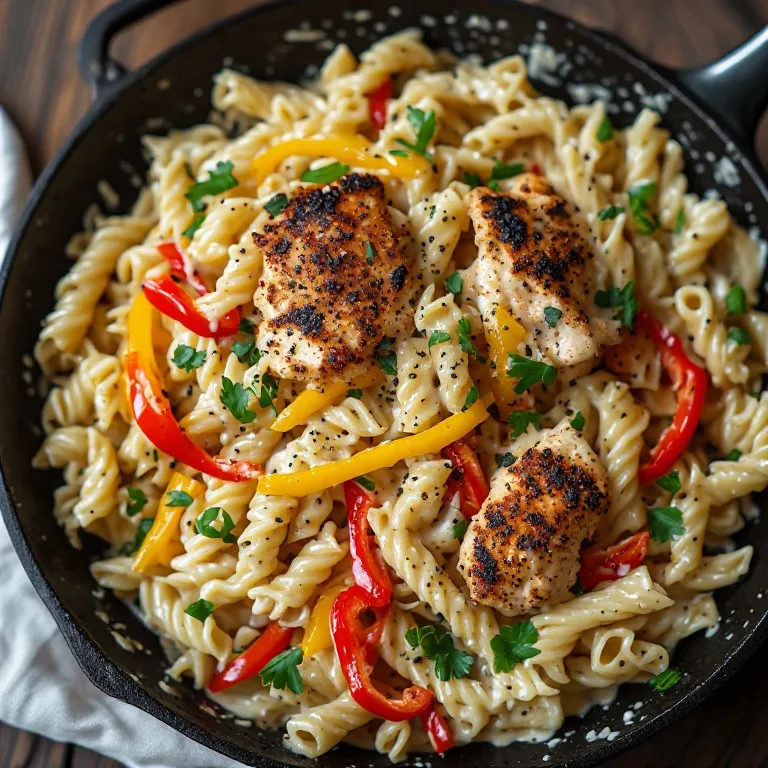
Quick answer: Rasta pasta is a Jamaican-Italian fusion dish: chicken thighs marinated in jerk seasoning, seared until charred at the edges, then served over penne in a creamy coconut and Parmesan sauce loaded with red, yellow, and green bell peppers — the colors of the Rastafarian flag. The jerk chicken's heat and smoke balance against the cooling coconut cream, and the three-color pepper sauté is the visual signature that makes every plate look restaurant-quality. Total time is 45 minutes.

Shop the tools

Gear matched to this recipe. These are Amazon affiliate links — we may earn a small commission if you buy, at no extra cost to you.

As an Amazon Associate, Copycat Spices earns from qualifying purchases. Product images are generic illustrations, not the exact item listed.

Rasta Pasta

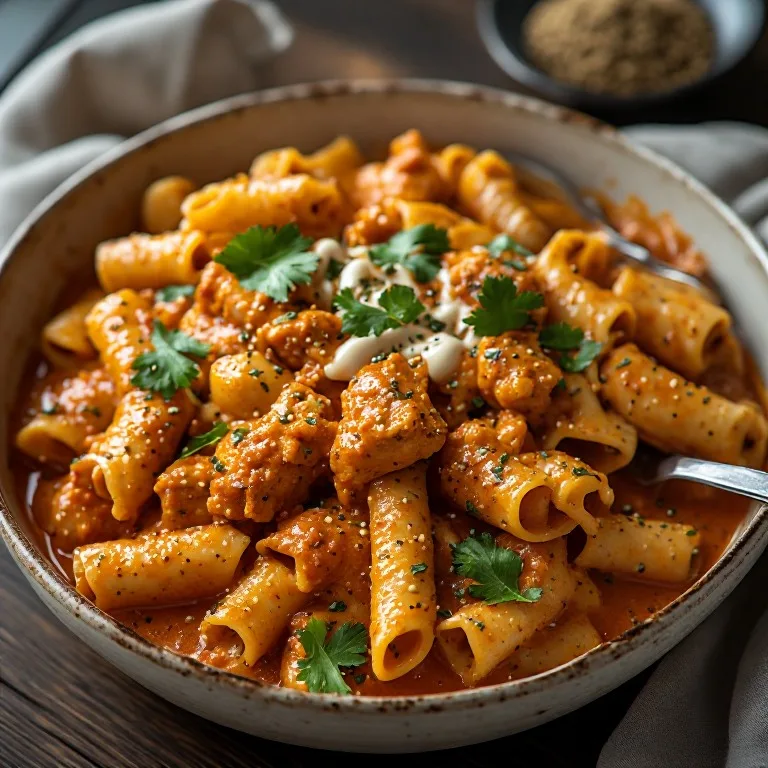
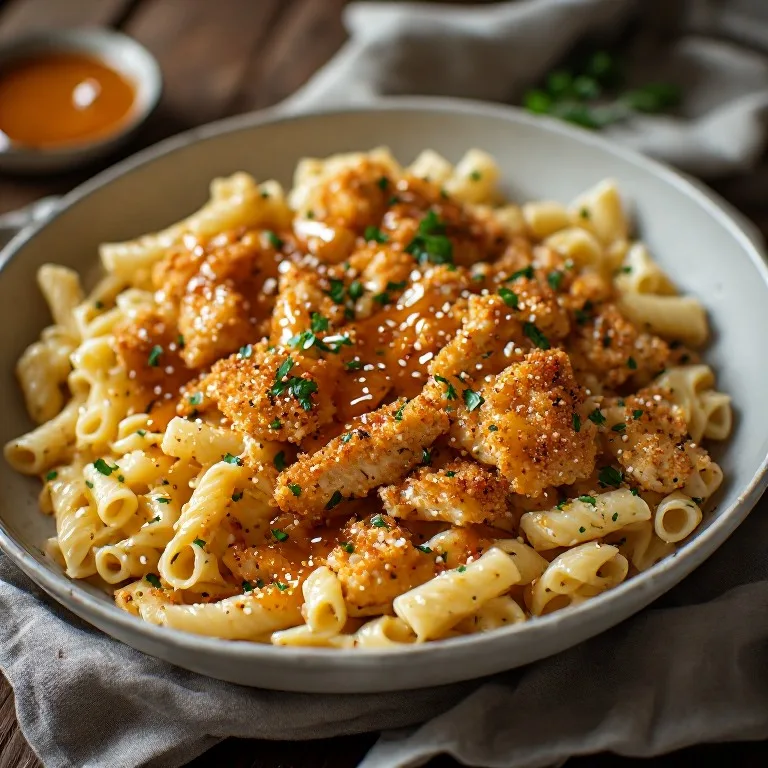
Viral TikTok rasta pasta: jerk-seasoned chicken over penne in a coconut cream sauce with three colors of bell peppers — red, yellow, and green. Ready in 45 minutes. The Jamaican-Italian fusion dish that blew up on TikTok for its flavor and its visual payoff.

Medium Prep: 15 min Cook: 30 min Total: 45 min4 servings ~$4.50/serving
Prep15 min
Cook30 min
Total45 min
Servings
4
At home~$4.50/serving
vs
Restaurant~$20.25/serving
You save ~78%

The Story Behind the Recipe

Rasta pasta is Jamaican cooking meeting Italian pasta in a way that makes immediate structural sense: jerk seasoning — smoky, sweet, and deeply spiced — has always wanted a creamy, starchy base to cool it down. The dish takes its name from the Rastafarian colors that appear on every plate: red, yellow (gold), and green bell peppers, sautéed together and folded into the sauce, are a direct reference to the Pan-African flag and Rastafarian culture. The visual payoff — three vibrant pepper colors against a pale coconut cream sauce — is exactly why this dish performs so well on video and why it spread from Caribbean-American kitchens to TikTok feeds everywhere.

The technique that matters most here is building the jerk flavor in two layers: once on the chicken as a marinade, and once stirred into the sauce at a lower concentration so the cream doesn't overpower it but the Caribbean spice runs through every bite. Coconut cream (thicker, richer than coconut milk) is the right base — it tempers the jerk heat without extinguishing it, adds a slight sweetness that balances the Scotch bonnet pepper notes in most jerk blends, and gives the sauce a body that clings to penne. The Parmesan is the Italian half of the fusion: stirred in off the heat, it binds the sauce and adds a salty, umami depth the coconut cream alone can't provide. At restaurants in New York and Miami with Caribbean menus, this pasta runs $22–28 as an entrée. The home version costs under $15 for four people.

Nutrition Facts

Per serving (4 servings)
Calories680
Total Fat27g
Total Carbs58g
Dietary Fiber4g
Sugars8g
Protein42g
Sodium820mg

* Estimated values based on standard recipe preparation. Actual values may vary.

Ingredients

  • Jerk Chicken
  • Pasta & Sauce

Instructions

💡
Pro tip: This recipe tastes even better the next day. The flavors need time to meld together in the fridge.
❄️
Storage: Keeps in an airtight container in the fridge for up to 2 weeks. Freezer-friendly for up to 3 months.
🎃 Free Halloween cookbook — download now The Copycat Halloween Cookbook A ready-made, photo-illustrated PDF of our best halloween copycat recipes — free to download, no building required. Pay what you want to support if you love it.

Free PDF — instant download. We'll also send new seasonal copycat recipes now and then; unsubscribe anytime. Or just download it →

Rasta Pasta — The Viral TikTok Jerk Chicken Pasta with Three-Color Peppers

Prep time: 15 min Cook time: 30 min Servings: 4

Rasta pasta is Jamaican jerk chicken over penne in a coconut cream sauce, finished with three colors of bell peppers — red, yellow, and green — that reference the Rastafarian Pan-African flag. The dish went viral on TikTok because the visual payoff is immediate (three vibrant pepper colors pulled through a pale, silky sauce) and the flavor combination is genuinely surprising: jerk seasoning’s smoke and allspice heat balanced against cooling coconut cream and salty Parmesan. This version takes 45 minutes and costs under $15 for four people.

The Story Behind the Recipe

Rasta pasta is Jamaican cooking meeting Italian pasta in a way that makes structural sense: jerk seasoning — smoky, sweet, and deeply spiced with allspice and Scotch bonnet heat — has always wanted a creamy, starchy base to cool it down. The dish takes its name from the Rastafarian colors visible on every plate: red, yellow (gold), and green bell peppers sautéed together are a direct reference to the Pan-African flag at the heart of Rastafarian culture. The visual payoff — three vibrant pepper colors against a pale coconut cream sauce — is exactly why this dish performs so well on video and why it spread from Caribbean-American kitchens to TikTok feeds everywhere.

The technique that matters most here is building the jerk flavor in two layers: once on the chicken as a marinade, and once stirred into the sauce at a lower concentration so the Caribbean spice runs through every bite. Coconut cream (thicker and richer than coconut milk) tempers the heat without extinguishing it, adds a slight sweetness that balances the Scotch bonnet pepper notes in most jerk blends, and gives the sauce a body that clings to penne. The Parmesan is the Italian half of the fusion: stirred in off the heat, it binds the sauce and adds umami depth the coconut cream alone can’t provide.

Why Jerk Seasoning Needs Two Applications

Most rasta pasta recipes marinate the chicken and stop there. This misses the bigger opportunity.

On the chicken: the marinade chars when the chicken hits the hot pan. That charred, spiced fond — the browned bits left in the pan after the chicken comes out — is the first flavor layer the sauce picks up when you deglaze with chicken broth. Without it, the sauce tastes like coconut cream with peppers. With it, it tastes like jerk.

In the sauce: adding a teaspoon of jerk seasoning directly to the coconut cream before it simmers distributes the allspice, thyme, and pepper notes throughout every drop of sauce, rather than leaving them concentrated in the chicken alone. The amount is deliberately modest — too much and the sauce turns muddy and overpowering; a teaspoon blooms in the cream and seasons it through.

The result: every forkful of pasta hits jerk flavor before the chicken even lands on it.

The Bell Peppers: Color Is Not Optional

You need all three pepper colors. This is not aesthetic formality.

Green peppers (unripe) are slightly bitter and grassy — they add a sharpness that cuts through the richness of the coconut cream.

Yellow (or orange) peppers are fully ripe and sweet, with a mild, clean flavor that bridges the bitterness of the green and the full sweetness of the red.

Red peppers are the most ripe, with the highest sugar content and the deepest flavor — they provide the sweetness that makes the sauce feel rounded rather than just spicy.

Cook them until just tender but still slightly crisp — 4 to 5 minutes over medium heat. They should hold their shape and their color. Overcooked peppers collapse and lose the three-color distinction that defines the dish visually.

Coconut Cream: The Ingredient That Separates Good Rasta Pasta from Bland

Coconut milk produces a thin, pale sauce that doesn’t cling to pasta.

Full-fat coconut cream (the thick, spoonable variety in a can) produces a sauce with body and richness. The difference is the fat content: coconut cream is 20–25% fat; regular coconut milk is 17% or less. That fat binds the Parmesan, carries the fat-soluble spice compounds from the jerk seasoning, and emulsifies with the chicken broth into a glossy, restaurant-style sauce.

Shake the can before opening — the solid cream and liquid separate in the can. If your coconut cream is still thick and separated when you open it, warm it briefly in a small saucepan first to combine before adding to the pan.

Building the Fond: The Most Overlooked Step

After you sear the jerk chicken and transfer it to the cutting board, the pan will have dark brown (nearly black in spots) bits stuck to the bottom. Most people wipe the pan. Don’t.

Those bits are the Maillard reaction products from the jerk spices and chicken fat — allspice, brown sugar, thyme, and rendered chicken fat, all cooked to the point of maximum flavor concentration. When you pour the chicken broth into the hot pan and scrape with a wooden spoon, those bits dissolve into the liquid and become the flavor backbone of the sauce. The difference between a sauce that tastes deep and complex and one that tastes thin and one-dimensional comes down to this step.

If the fond looks more burned than browned (black and acrid rather than dark brown), deglaze with a small amount of broth first and discard it, then proceed. But most of the time, jerk seasoning’s sugar content creates a fond that’s right on the edge of caramelized — exactly where you want it.

Serving and Pairing

Serve immediately. Coconut cream sauces separate if they sit — the fat begins to pool as the sauce cools. If you’re not eating all four portions right away, keep the sauce and pasta in the pan over the lowest possible heat, stirring occasionally.

Garnish matters. Green onions (sliced thinly on the bias) add freshness and a visual contrast to the orange-red sauce. Fresh thyme — a core ingredient in jerk seasoning — reinforces the flavor already in the dish and signals what’s inside at a glance.

Rice on the side is traditional. If you want to serve it as Jamaican cooking would, add a small portion of coconut rice and peas alongside rather than serving it as a standalone pasta dish. Rice and peas absorbs any extra sauce and anchors the Caribbean direction of the meal.

Cost Breakdown

Rasta pasta at a Caribbean restaurant in New York typically runs $22–28 as an entrée. This recipe feeds four for about $14 in ingredients — chicken thighs, three bell peppers, a can of coconut cream, and a box of penne. The jerk seasoning is the only pantry item that’s not already in most kitchens; a jar of Walkerswood costs about $4 and lasts for several recipes.

Related Pasta Recipes
🥗

Make It Healthier

Love Rasta Pasta but want a lighter version? Try these simple swaps:

  • ✓Use light coconut milk instead of full-fat coconut cream to cut about 80 calories per serving; simmer the sauce an extra 4 minutes to compensate for the thinner consistency.
  • ✓Swap chicken thighs for chicken breast (pounded to even thickness) and reduce olive oil to 1 tsp — cuts roughly 8g of fat per serving while keeping the jerk crust.
  • ✓Replace half the penne with chickpea pasta to add 8g of protein and 10g of fiber per serving without changing the flavor.
  • ✓Skip the heavy cream entirely and increase coconut cream to 1.25 cups — the sauce stays creamy and the Caribbean flavor deepens without the dairy.

Frequently Asked Questions

What is rasta pasta and where does it come from?

Rasta pasta is a Jamaican-Italian fusion dish that combines jerk-seasoned chicken with a creamy coconut sauce, penne pasta, and three colors of bell peppers — red, yellow, and green — representing the Rastafarian Pan-African flag. The dish has roots in Jamaican-American culinary culture and became a TikTok phenomenon because the three-color pepper visual and the jerk-coconut flavor combination translate exceptionally well on video. It has appeared on Caribbean restaurant menus in New York, Miami, and Atlanta for years before finding a wider audience online.

Can I use store-bought jerk seasoning instead of making my own?

Yes, store-bought jerk seasoning works well. The most commonly used brands — Grace, Walkerswood, and Scotch Bonnet Brand — have strong enough flavor to deliver an authentic result. If your store-bought blend is dry (a powder), use 3 tablespoons and add a tablespoon of olive oil to create a paste-like marinade texture. Wet jerk marinades (like Walkerswood Traditional Jerk Seasoning) can be used straight from the jar. If you want to boost store-bought seasoning, add a teaspoon of allspice, half a teaspoon of smoked paprika, and a squeeze of lime — allspice is the defining flavor in jerk that blended powders sometimes underweight.

Should I use coconut cream or coconut milk for rasta pasta?

Coconut cream produces a noticeably richer, thicker sauce that clings to the pasta and carries the jerk spice better. Coconut milk (the thinner canned variety) will also work but makes the sauce less substantial — if you use it, reduce it by simmering for an extra 3–4 minutes before adding the pasta, or add 2 tablespoons of cream cheese to compensate. Do not use coconut water or cream of coconut (a sweetened product used for cocktails) — they will either water down the sauce or make it unpleasantly sweet.

Why do rasta pasta recipes use three colors of bell peppers?

Red, yellow (gold), and green bell peppers are the colors of the Rastafarian Pan-African flag and appear throughout Jamaican-inspired cooking as a direct cultural reference. Beyond the symbolism, the three colors also bring three distinct flavor profiles: green peppers are slightly bitter and grassy, yellow and orange peppers are sweet and mild, and red peppers are fully ripe with the most sugar and the richest flavor. Using all three gives the sauce more depth than any single pepper color would alone. If you can only find two colors, red and green are the most important.

Can I make rasta pasta without chicken (vegetarian or vegan)?

Yes. The most common substitutions are: (1) Extra-firm tofu, pressed, cubed, and tossed in jerk seasoning before searing in a very hot pan — it develops a crust that holds up in the sauce; (2) Cauliflower florets roasted at 425°F with jerk seasoning for 20 minutes before adding to the finished pasta; (3) Chickpeas tossed in jerk seasoning and sautéed until slightly crispy. For a vegan version, omit the Parmesan and use a tablespoon of nutritional yeast and a tablespoon of cashew cream to bind the sauce instead. The coconut cream base is already dairy-free.

What pasta shape works best for rasta pasta?

Penne rigate is traditional and works best — the ridges catch the coconut cream sauce and the tube shape can hold small pieces of pepper inside. Rigatoni is an excellent substitute and holds more sauce per piece. Rotini (spirals) work well if you want every bite to be evenly coated. Avoid long pasta like spaghetti or linguine — the sauce doesn't cling as well and the long strands make it awkward to eat alongside chunks of jerk chicken. Cook the pasta 1 minute under package directions (al dente); it finishes softening in the sauce.

How spicy is rasta pasta and how do I control the heat?

Store-bought jerk seasoning varies significantly in heat: Grace Jerk Seasoning is mild to medium; Walkerswood Scotch Bonnet Pepper Sauce is genuinely hot. Start with 2 tablespoons and taste before adding more. The coconut cream in the sauce tames heat considerably — what would be aggressively spicy on its own reads as warm and balanced in the finished dish. For extra heat, add a halved Scotch bonnet pepper to the pan while sautéing the peppers and remove it before adding the cream. For a milder version, use a jerk-flavored seasoning (rather than straight jerk marinade) and replace the red pepper flakes with smoked paprika.

Chicken thighs vs. chicken breasts for rasta pasta — which is better?

Boneless, skinless chicken thighs are better for two reasons: they have more fat, which means they can sear to a charred, slightly crispy exterior without drying out inside, and they absorb the jerk marinade more deeply. Jerk seasoning was originally designed for dark meat — the higher fat content carries the fat-soluble spices into the meat rather than just coating the surface. Chicken breasts can be substituted but benefit from being pounded to even thickness (about ¾ inch) before marinating, so they cook evenly without the edges drying out. In either case, let the chicken rest 5 minutes before slicing so the juices don't run out onto the cutting board.

Love this recipe? Share it!

Free PDF: our 12 most-wanted copycat recipes — instant download.

Made it? Buy us a coffee

Every recipe here is free, with no paywalls. If this one was a hit at your table, a small tip keeps new copycats coming.

$

Ratings & Reviews

—
No ratings yet

Rate this recipe

Click a star to rate

Leave a Review

0/500

CS

Copycat Spices Editorial

Researched + fact-checked. Every recipe on Copycat Spices is built from published sources — official ingredient lists, brand-published recipes, interviews and food-science references — and fact-checked before it goes live, then written as clear, step-by-step instructions for home cooks of all skill levels.

Learn more about our mission →