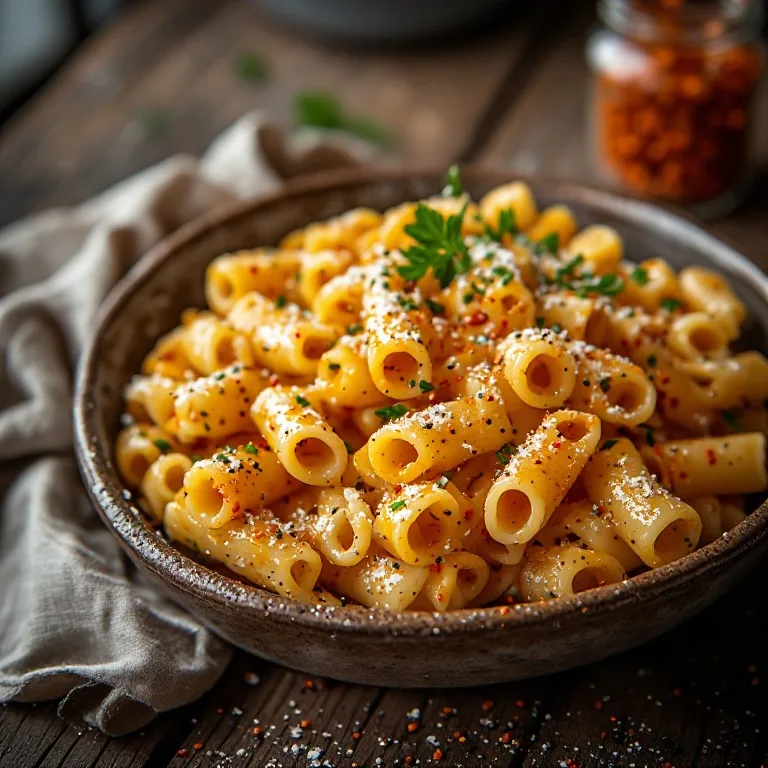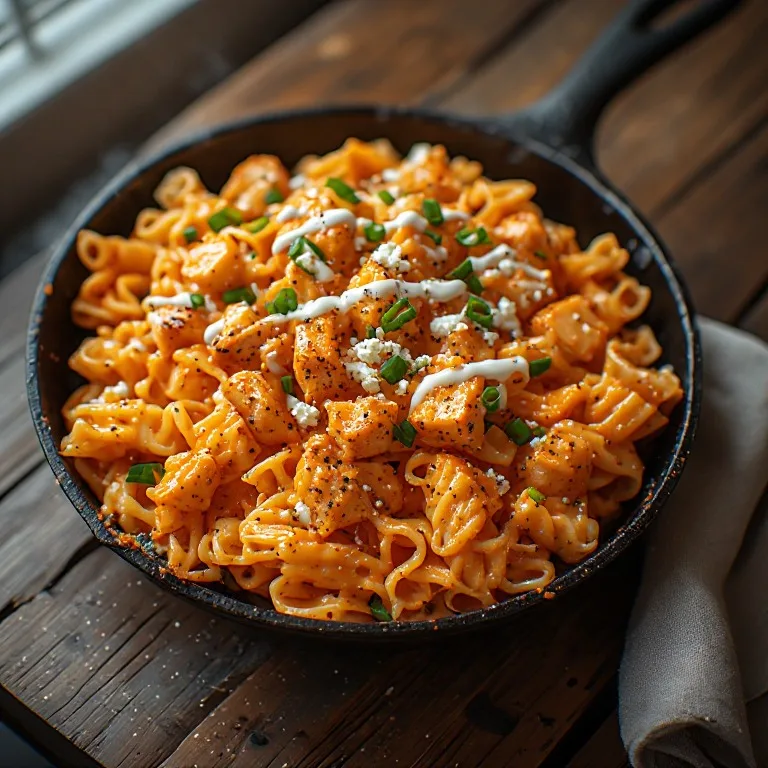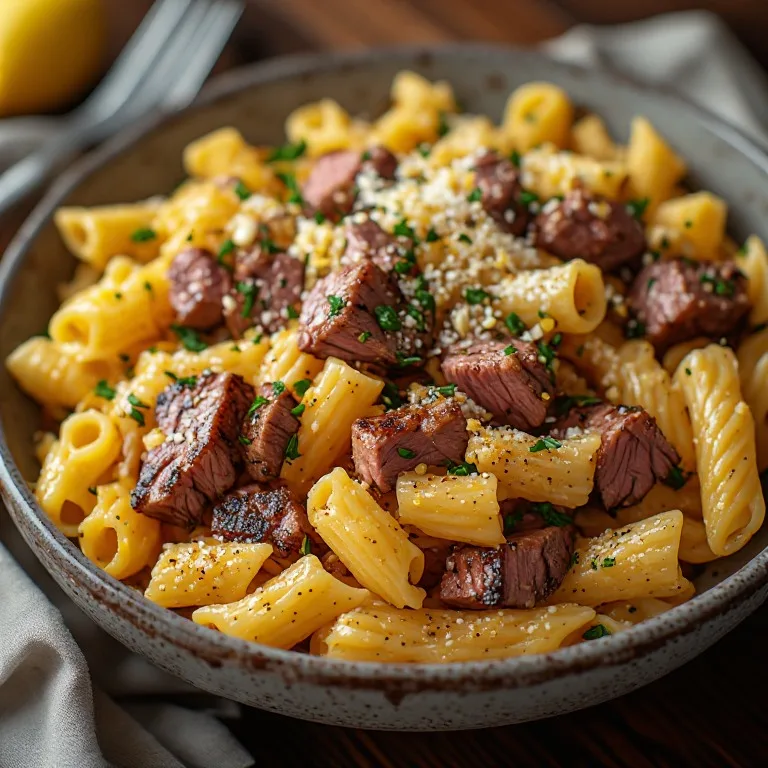



Viral TikTok Cowboy Butter Pasta — Rigatoni with the Herb-Dijon Steak Sauce
Prep: 10 min | Cook: 25 min | Serves: 4
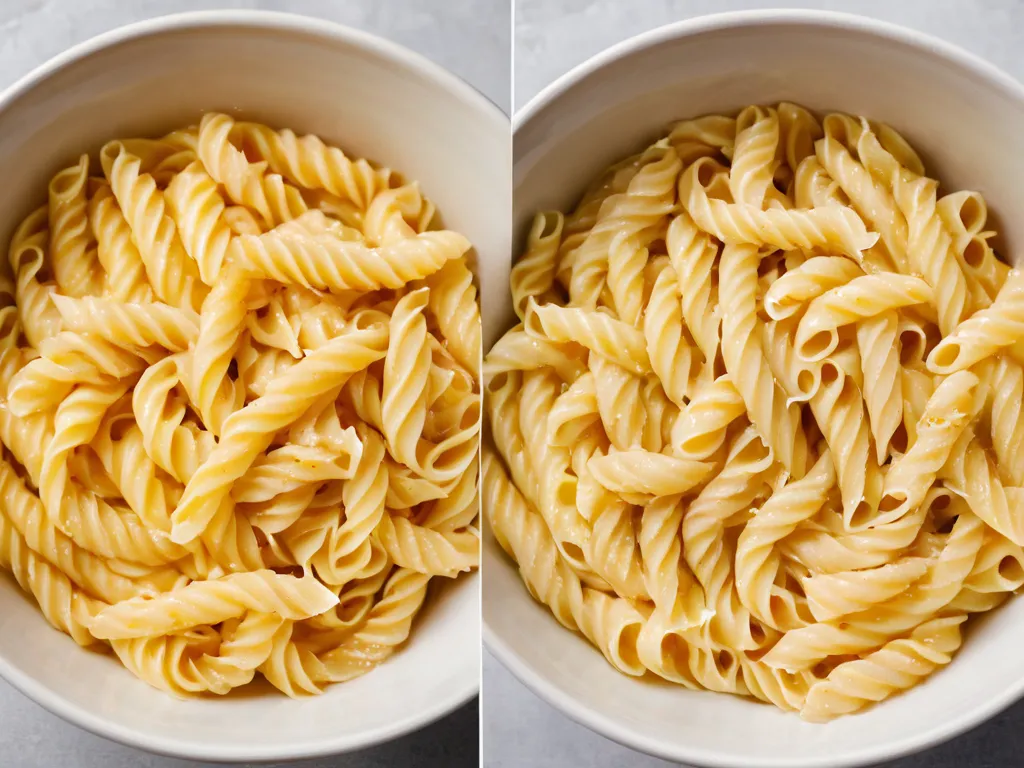
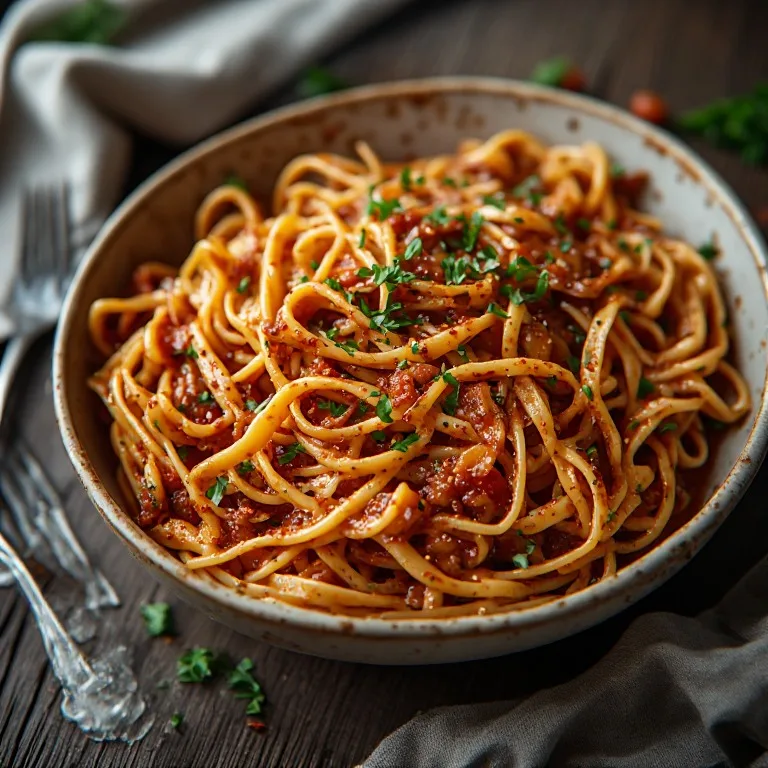
Cowboy butter pasta is rigatoni tossed in the same compound butter sauce that took over TikTok as a steak dipping sauce — garlic, Dijon mustard, lemon, smoked paprika, cayenne, thyme, parsley, and chives, all melted into butter and emulsified with starchy pasta water into something that coats every piece of pasta and tastes absurdly complex for a 30-minute weeknight dinner.
The steak bites on top are optional. The sauce is the whole point.
Why It Went Viral
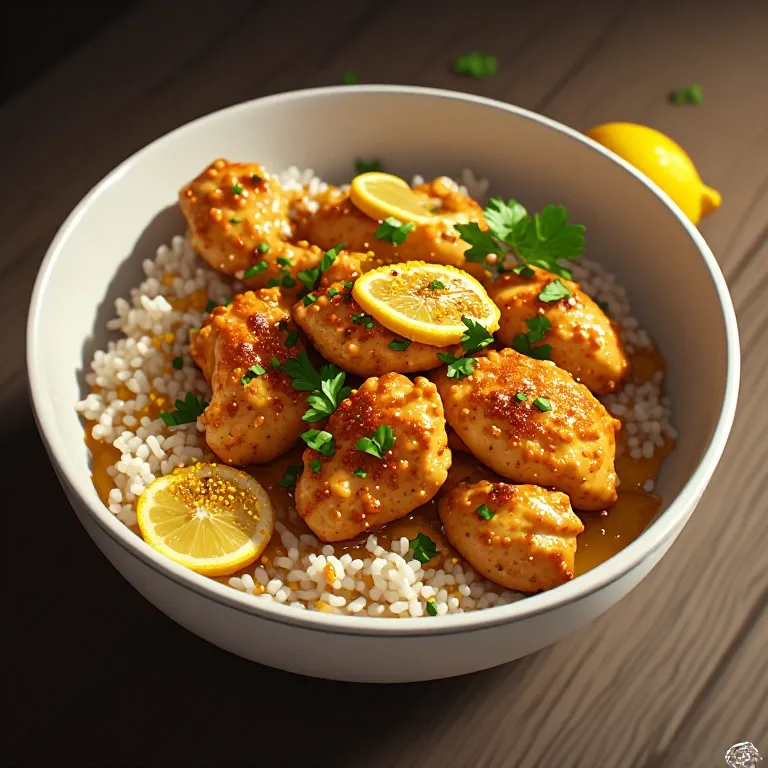
Cowboy butter started as a steak-house dipping and basting sauce — melted butter loaded with Dijon, lemon, garlic, and herbs, served alongside grilled steak. When it hit TikTok around 2022 as a compound butter you spoon over grilled steak, it spread fast — and predictably, people started putting it on everything. Chicken bowls first, then sandwiches, then pasta.
The pasta version clicked because it addresses the main complaint about butter pasta: that it’s flat, rich without being interesting, satisfying but not exciting. The Dijon adds sharpness. The lemon adds brightness. The smoked paprika adds depth. The cayenne adds heat. The result is a butter sauce that actually has contrast — sweet-savory from the butter, sharp from the mustard, fresh from the lemon, herby from the thyme and parsley. It’s the same reason caramelized shallot pasta and Calabrian chili pasta went viral: a few additional ingredients that take a simple sauce somewhere it couldn’t get on its own.
The Sauce, Step by Step
The butter and garlic
Start with 6 tablespoons of unsalted butter. That’s more than it sounds like, but it’s covering a full pound of pasta for four people — it works out to less than a tablespoon and a half per serving. Melt it over medium heat until foamy, then add the garlic and stir constantly for exactly 60 seconds. You want fragrant and just beginning to color at the edges, not brown. Brown garlic goes bitter and will ruin the sauce.
Off the heat: the flavorings
Pull the pan off the burner before adding the Dijon, lemon zest, lemon juice, smoked paprika, and cayenne. Adding cold or room-temperature liquids to hot fat over an active burner can seize and scorch the garlic. Off the heat, the residual warmth is enough to bloom the paprika and incorporate everything. Add the thyme here too.
Pasta water: the emulsifier
This is where most recipes go wrong or skip the explanation. Butter sauce is unstable — fat and water separated into an emulsion that will break under high heat or if left alone. Pasta water contains dissolved starch (about 1–2% by weight by the time pasta has been cooking in it for 10 minutes), and that starch helps hold the emulsion together. Add ¼ cup of the reserved pasta water to the sauce, whisk it in, and you get a cohesive glossy sauce that won’t pool in the bottom of the bowl.
Add the Parmesan after the pasta water, stir until melted, and the sauce is ready for the pasta.
The Pasta Water Rule
Reserve a full cup before you drain. This is not optional advice — it’s the one step that actually matters. Forget it and your sauce will either be too thick and clumping or you’ll try to add tap water (which contains no starch and won’t help). Keep the measuring cup next to the pot as a reminder.
The water should look slightly cloudy from the starch. If you let your pasta overcook until it falls apart, it’ll have more starch in the water. Properly cooked al dente pasta gives you less starch — which is fine, just use more of it.
Searing the Steak Bites
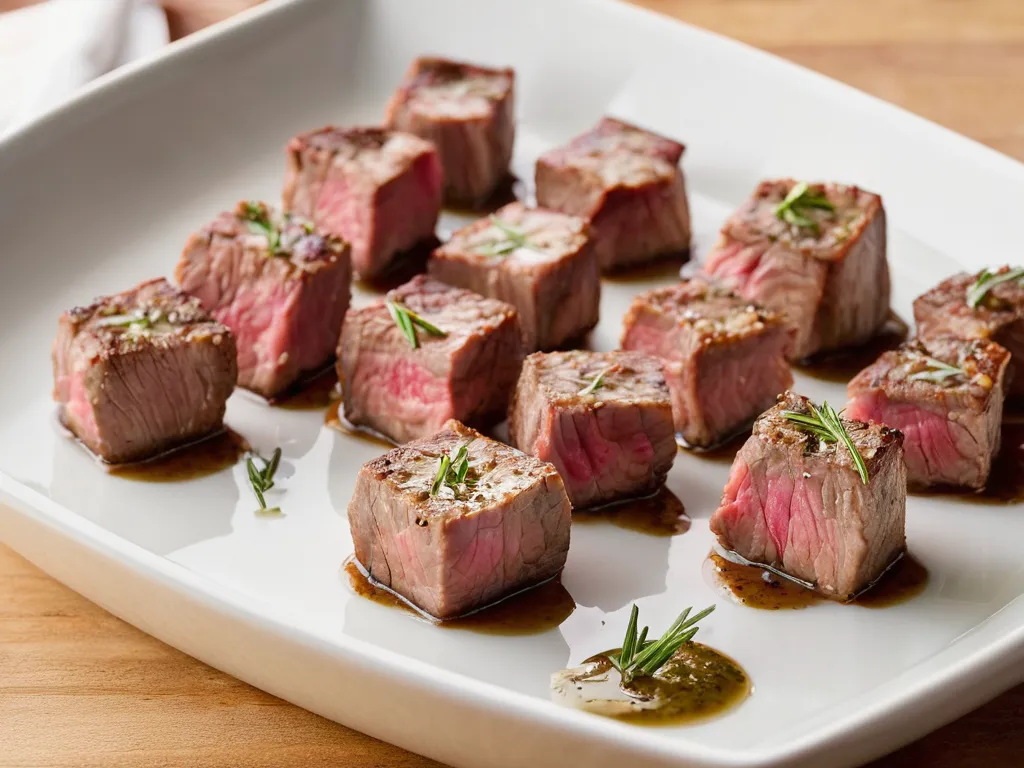
Cut a ribeye or sirloin into ¾-inch cubes. Smaller gets overcooked before a crust forms; larger takes too long and means each bite is too big.
Pat them completely dry. Wet meat steams instead of sears — the water has to evaporate before the surface temperature can get high enough for browning. Dry surface = crust immediately.
Season hard: salt, pepper, garlic powder, smoked paprika. The seasoning builds a crust and flavors the fond that stays in the pan.
Smoke-hot cast iron, neutral oil, single layer, 90 seconds untouched. Flip once, another 60–90 seconds. Pull immediately to a plate. The residual heat carries them to medium-rare. Leave them in the pan and they’re medium-well by the time the pasta is ready.
How to Know the Pasta Is Done
The sauce should coat the rigatoni in a glossy, tight layer — not swimming in butter, not dry. Toss aggressively over medium heat and add pasta water by the tablespoon. The sign you’ve hit it: when you stop tossing and look at the bottom of the pan, you should see very little liquid pooling. The pasta itself should look slightly glossy, not wet.
Taste it. It should be well-salted (from the pasta water you cooked it in and the kosher salt in the sauce), bright from the lemon, warm from the cayenne. If it tastes flat, add more lemon juice. If it tastes one-note, add a pinch more cayenne and a crack of black pepper.
Variations
Shrimp cowboy butter pasta: The most popular non-beef version. Peel and devein 1 lb large shrimp, season with salt, pepper, and paprika. Sear in the same cast iron 2 minutes per side over high heat — they curl and turn pink fast. The shrimp pick up the fond from the pan just like steak bites do.
Creamy cowboy butter pasta: After the garlic, add ½ cup heavy cream before the other flavorings. Let it simmer 2 minutes before adding lemon and Dijon. Richer and colder-weather-appropriate; the Dijon and lemon need to go up slightly to punch through the cream.
Vegetarian (crispy mushrooms): Tear 10 oz cremini or oyster mushrooms into large irregular pieces. Sear in cast iron with high heat and no crowding until deeply golden — 4–5 minutes without stirring. Salt at the end. The mushrooms go on top instead of steak. The umami from the sear fills the role the beef would have.
Extra herb: The original cowboy butter recipe uses thyme, parsley, and chives. Some versions add 1 tablespoon of fresh rosemary (very finely minced — it’s aggressive) or tarragon (bright and anise-like, good with the lemon). Don’t go overboard — this is a butter sauce, not a herb salad.
Make-Ahead: The Cowboy Butter Roll
If you want to use this sauce for pasta again — and you will — make a full compound butter roll now. Bring 2 sticks (1 cup, 16 tablespoons) of unsalted butter to room temperature. Mash in 2 tablespoons Dijon, the zest of 2 lemons, 2 teaspoons smoked paprika, ½–1 teaspoon cayenne, 6 minced garlic cloves, 2 tablespoons each of parsley and chives, 1 tablespoon thyme, and a generous amount of salt and pepper. Roll it into a log in plastic wrap, twist the ends closed, and refrigerate. Slice off rounds as needed — one or two rounds per serving of pasta. It keeps in the fridge for 2 weeks and in the freezer for 3 months.
A roll of cowboy butter in your fridge turns this from a 30-minute recipe into a 15-minute one.