
Pin It

Viral TikTok Roast Beef French Dip Sliders

Viral TikTok Roast Beef French Dip Sliders
Jump to Recipe
Prep 15 min Cook 30 min Serves 6 (2 sliders each)
Quick answer: Viral TikTok roast beef French dip sliders layer thinly sliced deli roast beef and Swiss cheese into a slab of King's Hawaiian sweet rolls, brushed with a Dijon-Worcestershire butter wash and baked at 350°F over ¼ cup of au jus poured into the pan bottom — which steams the roll undersides so they taste half-dipped without going soggy. Bake covered 15 minutes, then uncovered 8–10 minutes until deep golden, and serve with the remaining warm au jus for dipping at the table. Total time about 45 minutes for 12 sliders (serves 6).

Shop the tools

Gear matched to this recipe. These are Amazon affiliate links — we may earn a small commission if you buy, at no extra cost to you.

As an Amazon Associate, Copycat Spices earns from qualifying purchases. Product images are generic illustrations, not the exact item listed.

Viral TikTok Roast Beef French Dip Sliders

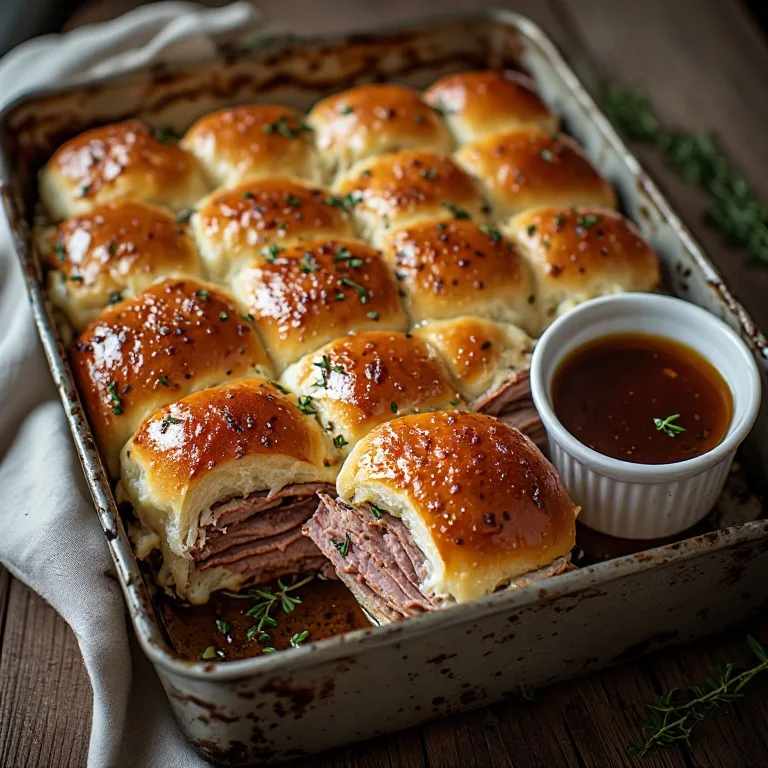
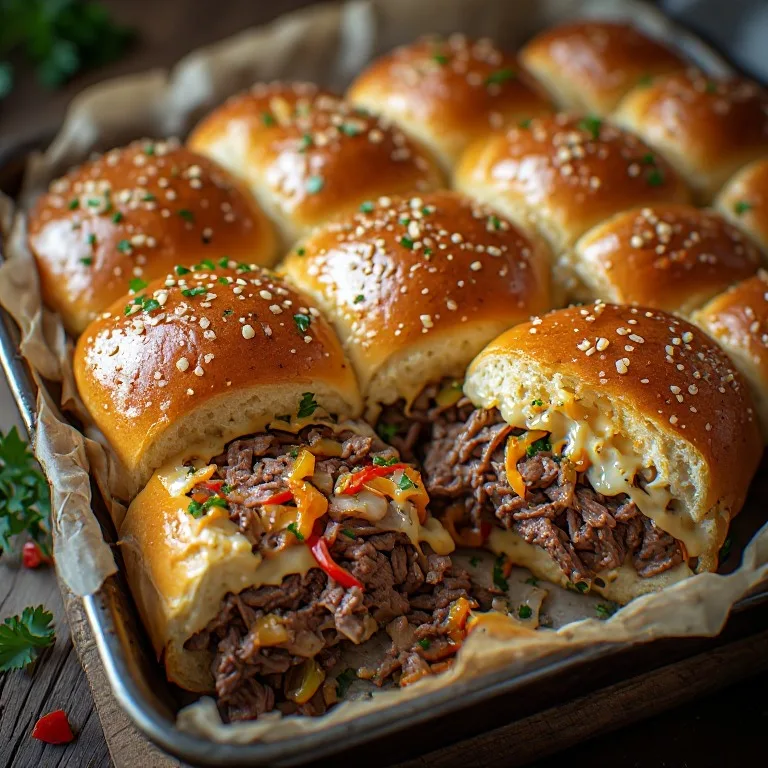
Thinly sliced deli roast beef and melted Swiss packed into King's Hawaiian rolls, baked over a pan of au jus with a Dijon-Worcestershire butter wash until golden and pull-apart ready — then dipped in warm, savory au jus at the table. The party slider TikTok can't stop making.

Easy Prep: 15 min Cook: 30 min Total: 45 min6 (2 sliders each) servings ~$4.50/serving
Prep15 min
Cook30 min
Total45 min
Servings
6
At home~$4.50/serving
vs
Restaurant~$20.25/serving
You save ~78%

The Story Behind the Recipe

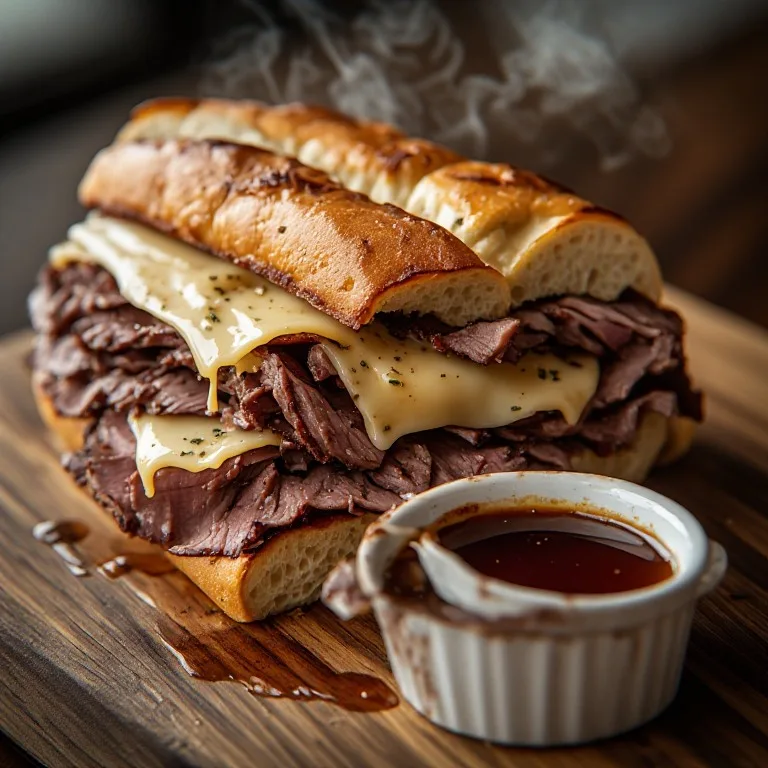
The French dip sandwich has a disputed origin but a clear birthplace: Los Angeles, sometime around 1908–1918. Both Philippe the Original (which opened in 1908) and Cole's (also 1908) claim the invention — the story is that either Philippe Mathieu or a Cole's counterman accidentally dropped a roll into a pan of beef drippings and a customer asked for it that way on purpose. Whether that story is true doesn't matter much. What's true is that the French dip — thinly sliced roast beef on a soft roll, served with a cup of thin beef broth for dipping — became one of the defining sandwiches of the American West Coast and has never stopped being ordered at both restaurants for over a century.

The TikTok slider format arrived around 2025 and solved the French dip's one problem: it's a single-serving sandwich that doesn't scale for parties. The Hawaiian roll slab format scales it to 12 at once, adds a compound butter wash for visual impact, and keeps the defining element — the au jus dip — intact. The viral technique of pouring a small amount of au jus into the bottom of the baking dish before the rolls go in is the detail that makes the slider taste like the original rather than a generic baked slider: the steamed bottoms absorb enough of the broth to taste like the inside of a French dip without going soggy. At Philippe the Original today, the double-dip (both sides of the roll dunked in the jus) costs 35 cents extra. The slider version gives you both sides automatically.

Nutrition Facts

Per serving (6 (2 sliders each) servings)
Calories520
Total Fat25g
Total Carbs37g
Dietary Fiber1g
Sugars10g
Protein36g
Sodium920mg

* Estimated values based on standard recipe preparation. Actual values may vary.

Ingredients

  • Au jus (for baking + dipping)
  • Compound butter wash (the TikTok visual signature)
  • Optional additions (any or all)

Instructions

💡
Pro tip: This recipe tastes even better the next day. The flavors need time to meld together in the fridge.
❄️
Storage: Keeps in an airtight container in the fridge for up to 2 weeks. Freezer-friendly for up to 3 months.
🎃 Free Halloween cookbook — download now The Copycat Halloween Cookbook A ready-made, photo-illustrated PDF of our best halloween copycat recipes — free to download, no building required. Pay what you want to support if you love it.

Free PDF — instant download. We'll also send new seasonal copycat recipes now and then; unsubscribe anytime. Or just download it →

The Pull-Apart Slider That Brings a 100-Year-Old Sandwich to Your Party

A French dip slider is exactly what Philippe the Original has been serving since 1908 — thinly sliced roast beef, melted Swiss, soft roll, savory au jus for dipping — compressed into King’s Hawaiian sweet rolls, baked in a slab until golden, and served pull-apart style with individual cups of warm au jus at the table.

The viral TikTok version works because it solves the original sandwich’s one limitation: it doesn’t scale. A classic French dip is a single-serving, made-to-order sandwich. The Hawaiian roll slab format scales it to 12 servings baked simultaneously, adds a compound Dijon-butter wash for visual impact, and — crucially — uses a small amount of au jus in the bottom of the baking dish so the rolls steam over the broth during baking and come out tasting like they’ve already been half-dipped.

Target the search that brought you here: these viral TikTok roast beef French dip sliders use King’s Hawaiian rolls, quality deli roast beef, Swiss cheese, and an au jus you make in five minutes. The technique is specific and it matters.

Why the Au Jus Belongs in the Pan (Not Just on the Side)

The defining TikTok technique for this slider — and the one detail that separates it from every other baked slider recipe — is pouring ¼ cup of the warm au jus into the bottom of the baking dish before the rolls go in.

This is not pouring au jus over the tops (which would destroy the butter wash before it can caramelize). It’s pouring a shallow layer around the base of the roll slab. During the covered baking phase, that liquid creates steam. The steam rises through the bottoms of the rolls, making them soft, slightly absorbent, and faintly flavored with the beef broth — which is exactly the texture of the bottom of a roll that’s been single-dipped at Philippe the Original.

The result: the top half of each slider has a caramelized, glossy butter-wash crust. The bottom half has a soft, savory, slightly-dipped-in-broth quality. You get both halves of the original French dip experience without manually dipping anything before it hits the table.

The Butter Wash With Dijon — the Visual Signature

Every viral version of this slider shares one visual: a glossy, deeply golden top crust that looks like it came from a serious kitchen. That’s the compound butter wash.

Standard recipes use melted butter alone, which shines the rolls but doesn’t do much else. This version adds Worcestershire (savory depth), garlic powder (aromatic background), dried minced onion (caramelizes into crunchy bits visible in close-up), and — the specific TikTok addition — Dijon mustard. The Dijon emulsifies into the melted butter, giving the wash a slightly thicker consistency that clings to the tops and sides rather than running off, and adds a sharp, tangy note that cuts the richness of the Swiss and butter.

The mustard flavor is not detectable as “mustard” in the final product. It reads as a complexity in the crust that plain butter-washed sliders don’t have.

Cheese: Two Layers, No Exceptions

Swiss cheese goes on twice: a layer below the beef (between the bottom roll and the filling) and a layer above the beef (between the filling and the top roll).

The bottom layer is structural. Deli roast beef releases moisture when it heats. Without a cheese barrier between the beef and the bread, that moisture soaks the bottom rolls and you get a wet, collapsing slider. The bottom layer of Swiss melts into the bread and acts as a waterproof seal.

The top layer is the pull-apart money shot — the cheese that stretches between the filling and the top roll when you lift a slider off the slab.

Don’t skip either layer. Don’t use sharp cheddar (seizes and turns grainy). Don’t use Baby Swiss (too mild, disappears into the beef). Regular Swiss or provolone only.

The Caramelized Onion Upgrade

The base recipe is excellent without caramelized onions. With them, it’s the best version.

One large yellow onion, thinly sliced, in 2 tablespoons of butter over medium heat, 20–22 minutes until deeply golden-amber and jammy. Not just softened — actually caramelized. The sweetness of properly caramelized onions against the salt of the roast beef and the sharpness of the Swiss is the flavor combination that makes the French onion variation the most-shared version of this slider on TikTok. It adds about 25 minutes to the prep but requires no active cooking attention.

Tips for the Best Result

Buy quality deli roast beef. Boar’s Head Top Round or Dietz & Watson Oven Roasted are the consistent winners. Ask for ⅛-inch slices — thin enough to layer but not so thin they turn papery or clump.

Fan the beef in loose layers. The single most common assembly mistake is dropping the deli beef as a clump. Fan each slice individually over the cheese like you’re dealing cards. Loose layers stay in the slider when you pick it up; a beef clump slides out as one mass.

Don’t skip the rest. Three minutes out of the oven lets the cheese set from fully molten to just slightly firm — the difference between a slider that falls apart when cut and one that can be picked up cleanly.

Serve the au jus warm. Cold au jus that’s been sitting out is the one thing that can make the dipping experience feel like an afterthought. Keep it on the stovetop over the lowest possible heat while the sliders bake, and pour it into warm ramekins right before serving.
🥗

Make It Healthier

Love Viral TikTok Roast Beef French Dip Sliders but want a lighter version? Try these simple swaps:

  • ✓Use reduced-sodium deli roast beef and low-sodium broth for the au jus — this alone cuts about 250mg of sodium per serving, a meaningful reduction since deli meat is the biggest sodium source in this recipe.
  • ✓Cut the butter wash to 3 tablespoons instead of 4 and reduce Swiss to 9 slices (1.5 per slider instead of 2) — the rolls still glaze beautifully and the cheese pull is still there, saving roughly 70 calories per serving.
  • ✓Load caramelized onions in place of 4 oz of the roast beef — doubling the vegetable content and reducing the meat slightly keeps the slider filling and flavorful while cutting about 60 calories and 300mg sodium per serving.
  • ✓Serve with the au jus in small individual ramekins (2 tbsp per person) rather than a communal dip bowl — portion control is easier and each dip delivers more concentrated flavor than a full dunk, so you use less.

Frequently Asked Questions

What's the difference between au jus and beef gravy for these viral TikTok roast beef sliders?

Au jus is intentionally thin — it's a light, flavorful broth made from beef drippings (or in this recipe, seasoned beef broth) with no thickener added. Beef gravy is flour- or cornstarch-thickened and coats the back of a spoon. The thin consistency of au jus is what makes the dipping work: you can briefly submerge a slider without soaking it through, and you taste the broth rather than a starchy sauce. If your au jus thickens during baking (because of the Worcestershire and Dijon emulsifying slightly), whisk in a tablespoon of additional warm beef broth before serving.

Can I use leftover roast beef instead of deli roast beef for these sliders?

Yes — leftover roast beef is actually better than deli roast beef for flavor, especially if it was braised or slow-roasted in its own juices. Slice it thin against the grain (about ⅛ inch) and warm it briefly in a skillet with a splash of the au jus before assembling — cold leftover roast beef can make the cheese sluggish to melt. Use the braising liquid (strained and defatted) as your au jus base instead of beef broth: it will be richer and more deeply seasoned than anything store-bought.

Why does the TikTok version pour au jus into the pan instead of over the rolls?

Pouring au jus over the tops would soak the rolls before they bake, destroying the structural integrity and making the butter wash wash off before it can caramelize. The technique is to pour a small amount (¼ cup) into the bottom of the baking dish around the rolls, not on them. During baking, the au jus creates steam that rises up through the bottom of the rolls, making them slightly absorbent and flavorful from the bottom up without wetting the top crust. It mimics the effect of the original Philippe the Original single-dip (one side of the roll in the jus) without anyone having to manually dip each slider.

What's the best cheese for viral TikTok French dip sliders?

Regular Swiss (not Baby Swiss, not aged Swiss) is the classic choice for French dip and the right one here: its sharpness and slight nuttiness cut through the rich beef and butter without disappearing the way mild cheeses do. Provolone is the TikTok-popular swap — it melts more smoothly and photographs better (no holes, pure white melt). American cheese melts most aggressively of all three and is the right choice if you want maximum pull-apart visual, though the flavor leans cheesesteak rather than French dip. Sharp cheddar is the one to avoid: it seizes and turns grainy rather than creamy when it melts, and the flavor conflicts with the au jus.

Can I make these roast beef sliders ahead of time for a party?

Fully assemble the sliders (layers of cheese and beef, top slab on, butter wash applied), cover tightly with plastic wrap, and refrigerate up to 12 hours before baking. Make the au jus and store it separately in the refrigerator. When ready to serve, let the assembled baking dish sit at room temperature for 15 minutes, then warm the au jus on the stovetop. Pour the ¼ cup into the baking dish and bake as directed, adding 3–4 minutes to the covered phase since the filling starts cold. Do not freeze assembled sliders — the rolls become dense and the deli beef releases water that soaks the bread.

What kind of deli roast beef works best for this recipe?

Ask the deli counter for roast beef sliced at ⅛ inch — thin enough to layer without being so thin it turns papery. Quality matters more here than with processed deli meats: Boar's Head Top Round Roast Beef and Dietz & Watson Oven Roasted Eye Round are consistently the best-tasting options at most grocery stores. Avoid pre-packaged 'shaved' roast beef (it turns into a wet mash when layered) and any variety labeled 'roast beef flavor' or 'roast beef style' (these are processed loaves with additives that taste off in a hot slider). If the deli has a genuine medium-rare sliced beef option, even better — it stays more tender and flavorful through the baking process than fully cooked, gray-through deli beef.

What is the viral TikTok roast beef French dip slider vs. a regular roast beef sandwich?

The biggest differences are format, texture, and the au jus dip. A standard roast beef sandwich is a single serving on whatever bread is available, typically served cold or at room temperature. The TikTok slider version is a slab of 12 connected sweet rolls baked in the oven with a compound butter wash — it's hot, slightly caramelized on top, and served as a pull-apart party food that serves 6–12 people at once. The au jus dipping component is the defining element borrowed from the original French dip sandwich: you dip each slider in warm, thin beef broth before eating, which adds a savory moisture that no amount of layered deli beef alone can replicate. The format photographs and shares like a restaurant dish, which is why it took off on TikTok rather than just being a shortcut roast beef sandwich.

Love this recipe? Share it!

Free PDF: our 12 most-wanted copycat recipes — instant download.

Made it? Buy us a coffee

Every recipe here is free, with no paywalls. If this one was a hit at your table, a small tip keeps new copycats coming.

$

Ratings & Reviews

—
No ratings yet

Rate this recipe

Click a star to rate

Leave a Review

0/500

CS

Copycat Spices Editorial

Researched + fact-checked. Every recipe on Copycat Spices is built from published sources — official ingredient lists, brand-published recipes, interviews and food-science references — and fact-checked before it goes live, then written as clear, step-by-step instructions for home cooks of all skill levels.

Learn more about our mission →