
Pin It

White Castle Sliders

White Castle Sliders
Jump to Recipe
Prep 15 min Cook 10 min Serves 8 sliders
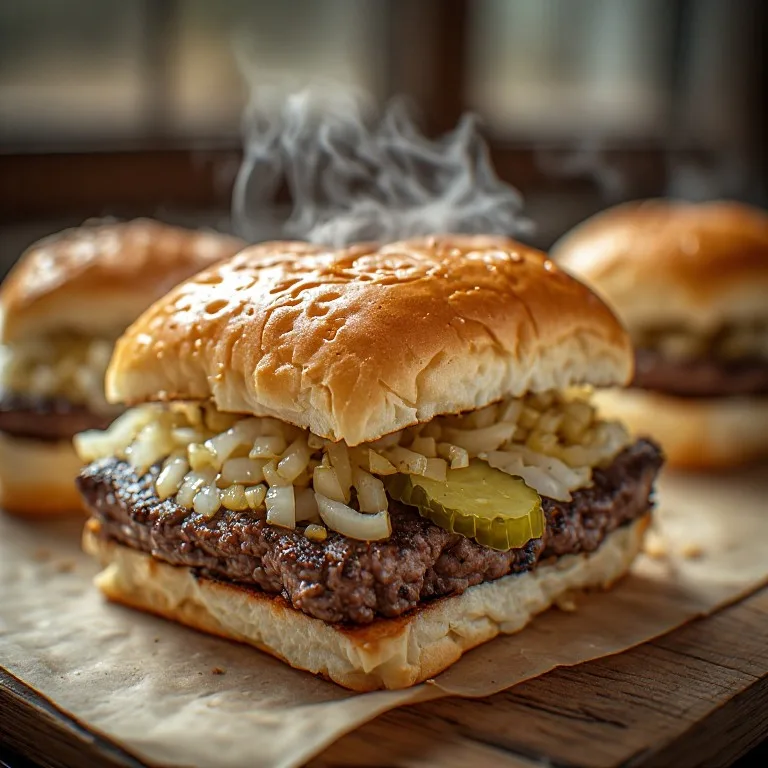
Quick answer: A White Castle slider is a thin square beef patty with 5 holes punched through it, steam-cooked on a bed of sliced yellow onions in a covered skillet with a splash of water — the steam rises through the holes and cooks the top of the patty so you never flip it. The onion-infused steam is what gives White Castle its distinctive flavor. Serve on small soft dinner rolls with dill pickle chips. The classic original has no mustard or ketchup at the restaurant — just pickles. Makes 8 sliders in 20 minutes.

White Castle Sliders

The authentic White Castle slider at home: thin 2-inch square beef patty with 5 holes, steamed over a bed of sliced onions, on a soft dinner roll with dill pickles. This is the actual technique. Ready in 20 minutes; makes 8 sliders.

Easy Prep: 15 min Cook: 10 min Total: 25 min8 sliders servings ~$4.50/serving
Prep15 min
Cook10 min
Total25 min
Servings
8
At home~$4.50/serving
vs
Restaurant~$20.25/serving
You save ~78%

The Story Behind the Recipe

The authentic White Castle slider at home: thin 2-inch square beef patty with 5 holes, steamed over a bed of sliced onions, on a soft dinner roll with dill pickles. This is the actual technique. Ready in 20 minutes; makes 8 sliders.

Ingredients

  • For the patties
  • For cooking
  • For assembly

Instructions

💡
Pro tip: This recipe tastes even better the next day. The flavors need time to meld together in the fridge.
❄️
Storage: Keeps in an airtight container in the fridge for up to 2 weeks. Freezer-friendly for up to 3 months.
~350-550 cal/serving · Rich & Indulgent🔥
🎃 Free Halloween cookbook — download now The Copycat Halloween Cookbook A ready-made, photo-illustrated PDF of our best halloween copycat recipes — free to download, no building required. Pay what you want to support if you love it.

Free PDF — instant download. We'll also send new seasonal copycat recipes now and then; unsubscribe anytime. Or just download it →

Why Most Copycat Recipes Get It Wrong

The most common mistake in White Castle copycat recipes is cooking the patties like a regular burger — either grilling, smash-frying, or pan-searing. That produces a browned, caramelized crust that is nothing like the soft, steam-cooked, onion-infused patty in an actual slider.

White Castle’s steam-grill method has barely changed in decades (the five holes were added in 1954 to speed the cook): the raw square patty sits on a bed of steaming onions, steam rises through the 5 holes in the patty and cooks the top, and the bun tops are placed directly on the cooking patties to steam-soften them in the last minute. No oil. No flip. The result is a tender, yielding patty that pulls apart easily — not a seared burger.

The Key Technique Details

The Holes

Five holes per patty, punched all the way through the raw meat before cooking. The pattern is simple: one center hole, four corners. A chopstick is ideal. The holes must go through cleanly — if you press rather than punch, they close back up during cooking. The holes are what make the single-side steam cook work.

The Onion Bed

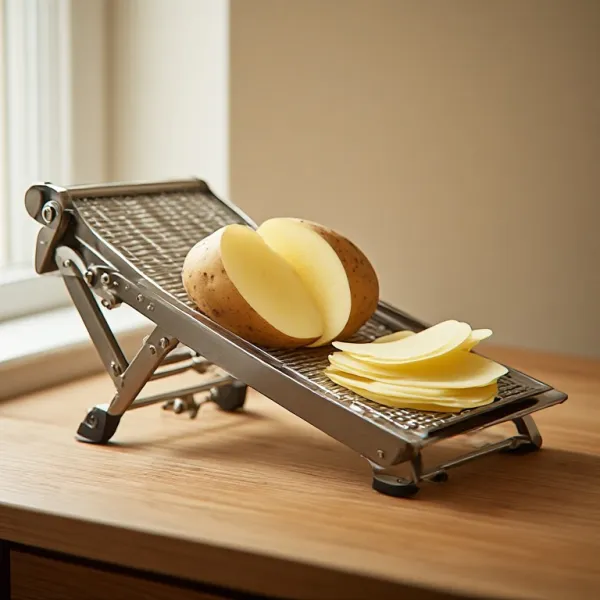
Slice the onion paper-thin — a mandoline gives the most even steam. Pack the sliced onion across the entire cooking surface before you add the patties. The onion is not a topping or a flavor accent; it is the cooking medium. It releases moisture as it heats, generating the steam that cooks the burger from below and through the holes from above. The onion flavor permeates the patty from both sides.

The Water

Add 1/4 cup of water to the onion layer before heating. This jump-starts the steam before the onion has softened enough to release its own moisture. Without it, the onion can brown and scorch before enough steam builds up.

The Covered Skillet

A tight lid is not optional. The steam has to stay in the pan. Heavy foil tented and sealed at the edges works if you lack a well-fitting lid. Do not lift the lid during cooking — every time you do, you lose the built-up steam environment and extend cook time.

Scaling Up

This recipe makes 8 sliders. For a Crave-Case-style batch (12 or more), work in batches in the same pan rather than crowding — too many patties reduce airflow and extend the steam cook time unevenly. The onion bed for each batch should be fresh (or at minimum refreshed with a tablespoon of water to restore moisture). The cooked sliders hold well for 10–15 minutes loosely covered on a warm plate.

Classic vs. Cheese vs. Jalapeno Slider

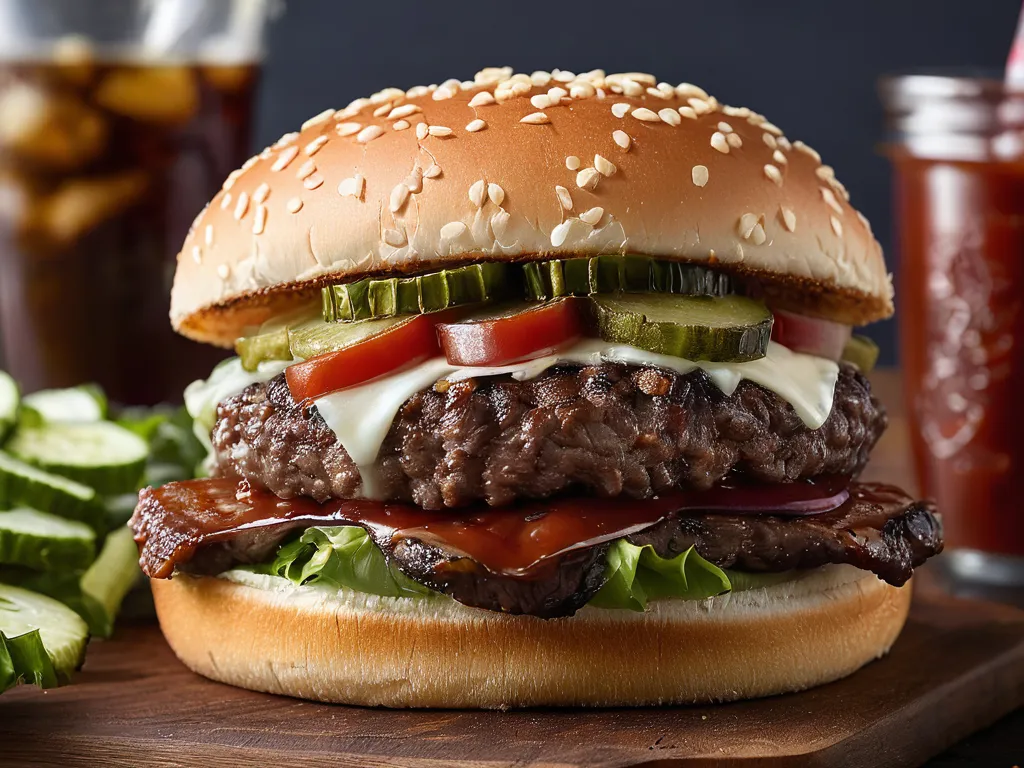
Original Slider: Pickles only. Patty, 2 dill pickle chips, top bun. No mustard, no ketchup, no sauce at the restaurant — though many people add yellow mustard at home.

Cheese Slider: Add one slice of American cheese in the final 45 seconds, lid on. Do not use cheddar or Swiss; American cheese melts at lower temperature and matches the gentle steam heat.

Jalapeno Cheese Slider: Substitute Pepper Jack for American cheese, add 2–3 pickled jalapeno slices with the pickle chips.

Chicken Ring Slider: White Castle’s other famous item — a separate recipe entirely (breaded, fried onion ring-shaped chicken fillet). The beef slider recipe above does not apply to the chicken ring.

More Fast-Food Burger Copycats

Looking for more fast-food burger copycats? See the Shake Shack ShackBurger for the smash technique, the McDonald’s Big Mac for the two-patty stacked build, and the Five Guys Burger for the loosely-packed style with toppings loaded under the patty.
Frequently Asked Questions

Why does the White Castle patty have holes in it?

The 5 holes in a White Castle slider patty are not decorative — they are functional. The patty sits on a bed of steaming onions and is never flipped. Steam rises through the holes, cooking the top of the patty from the inside out while the bottom sears on the griddle above the onions. Without the holes, the top of the thin patty would be raw when the bottom is done. White Castle added the five holes in 1954 — a Cincinnati employee suggested that piercing the patties would let them cook faster without flipping, and within a year every restaurant had thrown out its spatulas. The steam-on-onions grilling itself is even older. At home, punch 5 holes with a chopstick, skewer, or the butt of a wooden spoon before cooking.

What kind of rolls does White Castle use for sliders?

White Castle uses a proprietary 2-inch square dinner roll that is steamed alongside the patty — bun tops are placed directly on the cooking patties in the last 90 seconds so the steam softens them. At home, King's Hawaiian Original Sweet Rolls (the 12-count square pack) are the closest available substitute — same soft, lightly sweet texture and nearly identical size. Martin's Potato Dinner Rolls (split, not hot dog style) also work. Avoid brioche or pretzel buns: they are too structured and compete with the delicate steam-cooked patty.

What is the original White Castle slider topping?

The original White Castle slider from 1921 comes with two dill pickle chips only — no ketchup, no mustard, no onion (the onion is cooked under the patty, not placed on top). Many people add yellow mustard, ketchup, or American cheese, all of which White Castle offers, but the baseline 'Original Slider' is pickles only. The yellow mustard version is common in the Midwest; cheese is a 30-cent upcharge at the restaurant and can be replicated by laying a slice of American cheese on the patty in the final 45 seconds of covered cooking.

What cut of beef makes the best White Castle sliders?

80/20 ground chuck — the same fat ratio White Castle uses. The 20% fat keeps the thin patty from drying out during the steam cook, and the fat drips into the onion layer and adds flavor to the rising steam. Do not use 90/10 or leaner — the patties will be dry and rubbery. Some cooks add a very small amount of onion powder (1/8 teaspoon per pound) to the meat; this is optional but does deepen the onion flavor. Do not use pre-seasoned ground beef blends.

How thin should the patties be?

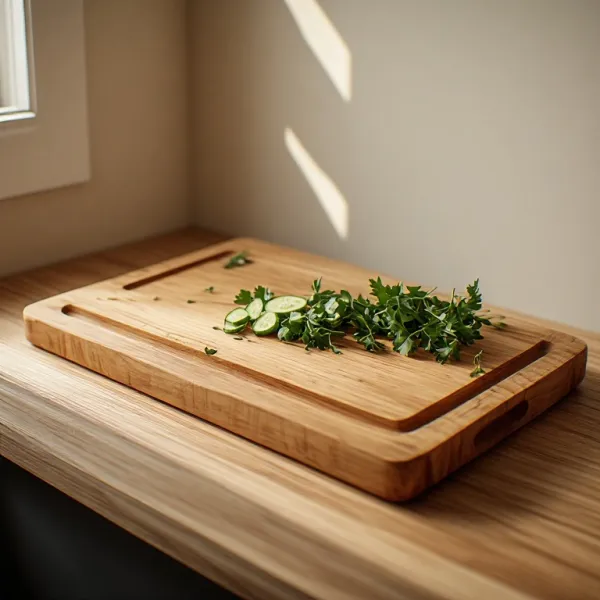
Very thin — about 1/4 inch, pressed flat before cooking. At 2 ounces raw, they shrink to about 1/8 inch during steaming. Press the beef into a rectangle roughly 3 inches square (it shrinks to the classic 2-inch square after cooking). A food-safe zip-top bag helps: place a beef ball inside, flatten it with a small cutting board, then open the bag and punch the holes. Refrigerating the formed patties for 15–20 minutes before cooking helps them hold their shape.

How many sliders does a typical White Castle order contain?

White Castle sells sliders in a Sack (6 sliders), a Double Sack (12), and the famous Crave Case (30 sliders). In 2026, a single slider runs approximately $1.89–$2.59 depending on location; a Crave Case is roughly $42–55. Making 8 sliders at home costs approximately $6–9 in ingredients — about $0.75–1.10 per slider, versus $1.89–$2.59 at the restaurant. The flavor difference is minimal when you use the correct steam method.

Can I make White Castle sliders ahead of time?

Yes — White Castle sells frozen sliders nationally in grocery stores (Frozen Food aisle, labeled 'White Castle Microwavable Sliders'). But making them fresh takes only 20 minutes and tastes noticeably better. You can form and refrigerate the raw patties up to 24 hours in advance. Cooked sliders reheat reasonably well: wrap in a damp paper towel and microwave for 20–25 seconds each, or place in a covered skillet with a tiny splash of water and steam briefly over low heat.

When did White Castle open, and why is it called the original fast-food burger?

White Castle opened in Wichita, Kansas in 1921, founded by Billy Ingram and Walter Anderson. It is the oldest fast-food hamburger chain in the United States — the McDonald brothers did not open their first restaurant until 1940, nearly two decades later. Ingram chose the 'White Castle' name deliberately: 'white' to signal cleanliness (a novel concept for cheap food in 1921, when ground beef was widely distrusted) and 'castle' to project permanence and strength. The chain introduced the concept of systemized fast-food production, standardized portions, and the first paper hats for employees. White Castle operates more than 350 restaurants today, mostly in the Midwest and East Coast.

Love this recipe? Share it!

Free PDF: our 12 most-wanted copycat recipes — instant download.

Made it? Buy us a coffee

Every recipe here is free, with no paywalls. If this one was a hit at your table, a small tip keeps new copycats coming.

$

White Castle is a trademark of its owner, used here only to describe the dish this recipe recreates. This is an independent copycat written in our own words — Copycat Spices is not affiliated with, endorsed by or sponsored by White Castle.

Ratings & Reviews

—
No ratings yet

Rate this recipe

Click a star to rate

Leave a Review

0/500

CS

Copycat Spices Editorial

Researched + fact-checked. Every recipe on Copycat Spices is built from published sources — official ingredient lists, brand-published recipes, interviews and food-science references — and fact-checked before it goes live, then written as clear, step-by-step instructions for home cooks of all skill levels.

Learn more about our mission →