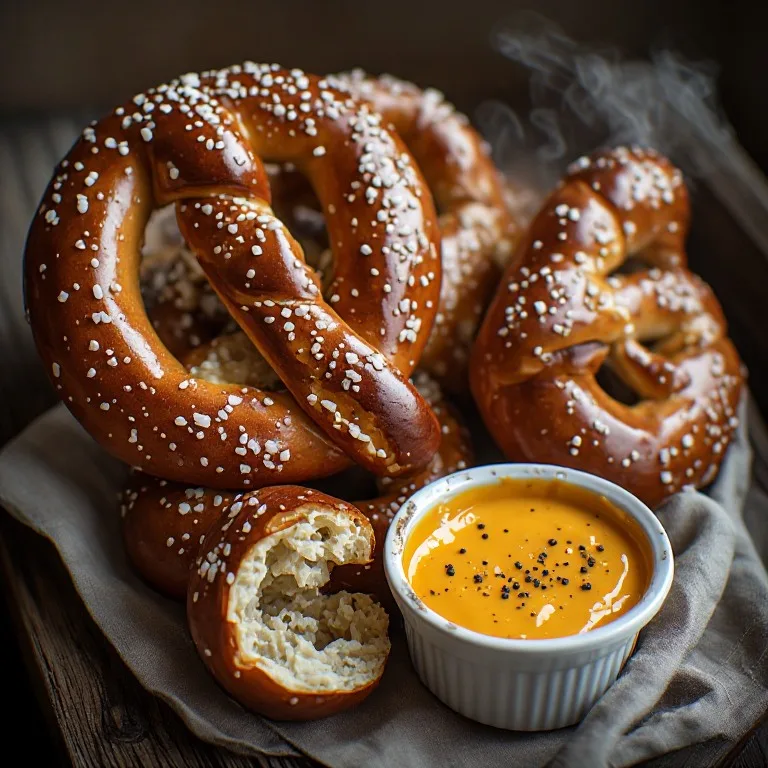



The viral TikTok soft pretzel recipe: chewy, deeply browned Bavarian-style pretzels made at home without lye, plus the 4-ingredient beer cheese dip that’s taken over game-day and Oktoberfest content. The baking soda bath is the one step you can’t skip — it’s what turns a bread roll into an actual pretzel.
Why This Keeps Going Viral
Homemade soft pretzels are a perennial TikTok category because the baking soda bath step looks strange and produces a dramatic result. Creators film the pale dough going into the foamy alkaline water, coming out looking slightly gummy and misshapen, then 13 minutes later pulling out of the oven as a deep mahogany pretzel that looks like it came from a street cart in Munich. The comment sections on pretzel videos run the same way every time: “it actually works,” “I thought I ruined them,” “the color is insane.”
The real reason it works: the baking soda bath raises the pH of the dough surface to around 12, which triggers a different browning reaction in the oven than regular bread experiences. Standard bread browns because of caramelization of sugars. Pretzel crust browns because of a faster, more complex alkaline browning reaction that produces deeper color at the same oven temperature — which is why pretzels baked at 450°F are visibly darker than a baguette baked at 450°F.
The Baking Soda Bath: The One Step That Matters
Every home baker who avoids homemade pretzels does so because of the lye step. Traditional German pretzels use sodium hydroxide (lye) solution, which is dangerous to handle and difficult to source. The baking soda substitute is a genuine discovery: it works because baking soda’s sodium bicarbonate partially converts to sodium carbonate when dissolved in boiling water, producing a solution alkaline enough to create authentic pretzel characteristics without the hazard.
Two things to get right:
- Use ⅔ cup, not 2 tablespoons. Many recipes call for a small amount of baking soda and produce pale, sad pretzels. The water should look and smell distinctly alkaline — slightly soapy, with a faint chemical edge. That’s correct.
- Full 30-second boil per pretzel. Less than 20 seconds produces light color. More than 45 seconds makes the surface gummy and prone to sticking.
The Beer Cheese Dip: What Goes Wrong and How to Fix It
The dip has two failure points. Both are recoverable.
Grainy sauce: almost always pre-shredded cheese. The anti-caking agents in bagged shredded cheddar coat the protein strands and prevent smooth melting. Buy a block, grate it yourself, add it off the heat.
Broken or oily dip: the heat was too high when the cheese went in. The roux base needs to come completely off the burner before any cheese is added. Residual heat is enough. If it breaks (looks separated and oily), whisk in 1–2 tablespoons of warm milk — the starch in the roux usually brings it back.
For the beer: use a lager or amber ale. Avoid IPAs — hop bitterness concentrates when cooked and makes the dip taste bitter rather than malty. A simple American lager produces the clearest beer flavor in the finished dip.
Shaping, Scoring, and Why Bavarian Pretzels Have That Ridge
The score across the top of the pretzel isn’t just aesthetic — it’s a functional vent. The thick part of the pretzel has the most interior dough, which generates the most steam. The score lets that steam escape in a controlled way and creates the raised ridge that’s the signature of a properly baked Bavarian Brezn. Without the score, the thick section sometimes puffs unevenly or creates an irregular crack.
The score should be about ½ inch deep, made with a single clean motion using a sharp knife or razor blade, angled slightly (not perfectly vertical). Make it after the egg wash so the cut edges get coated too — this is what produces the pale, cracked-open look of the scored section against the dark crust.
What to Serve With Them
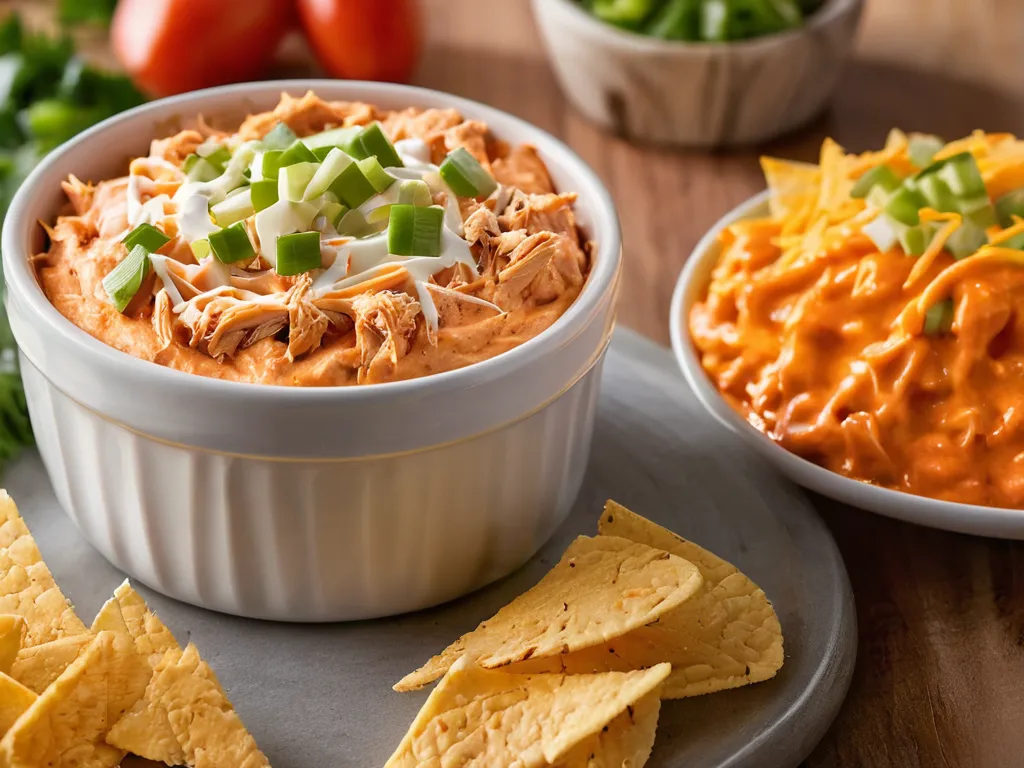
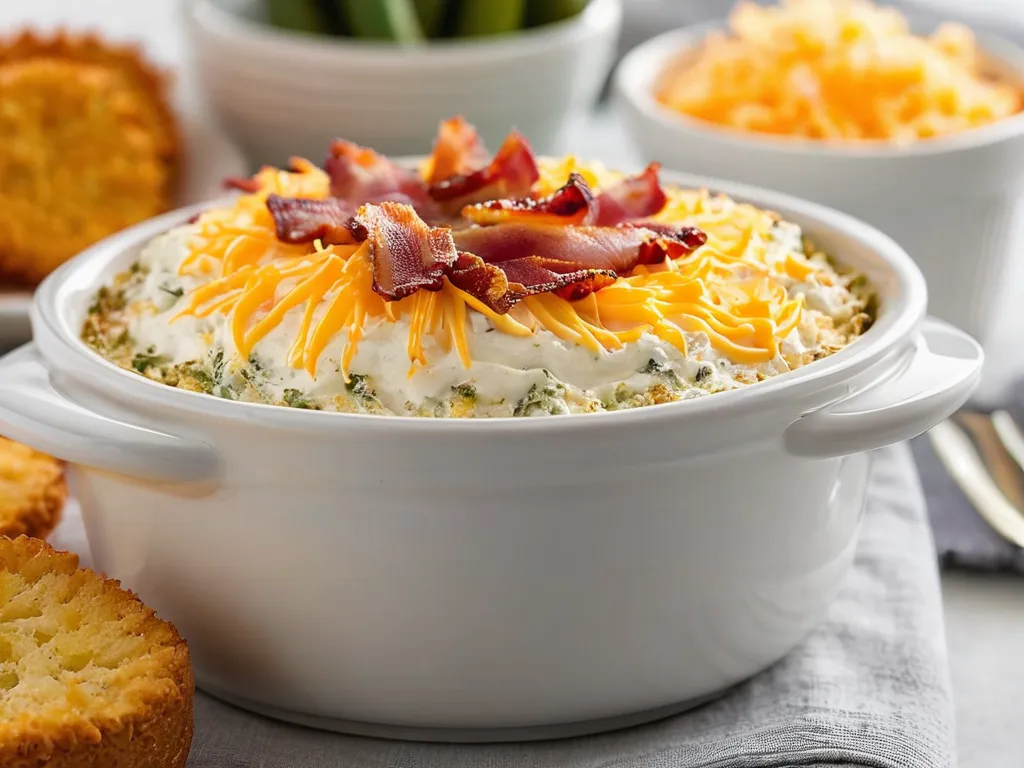
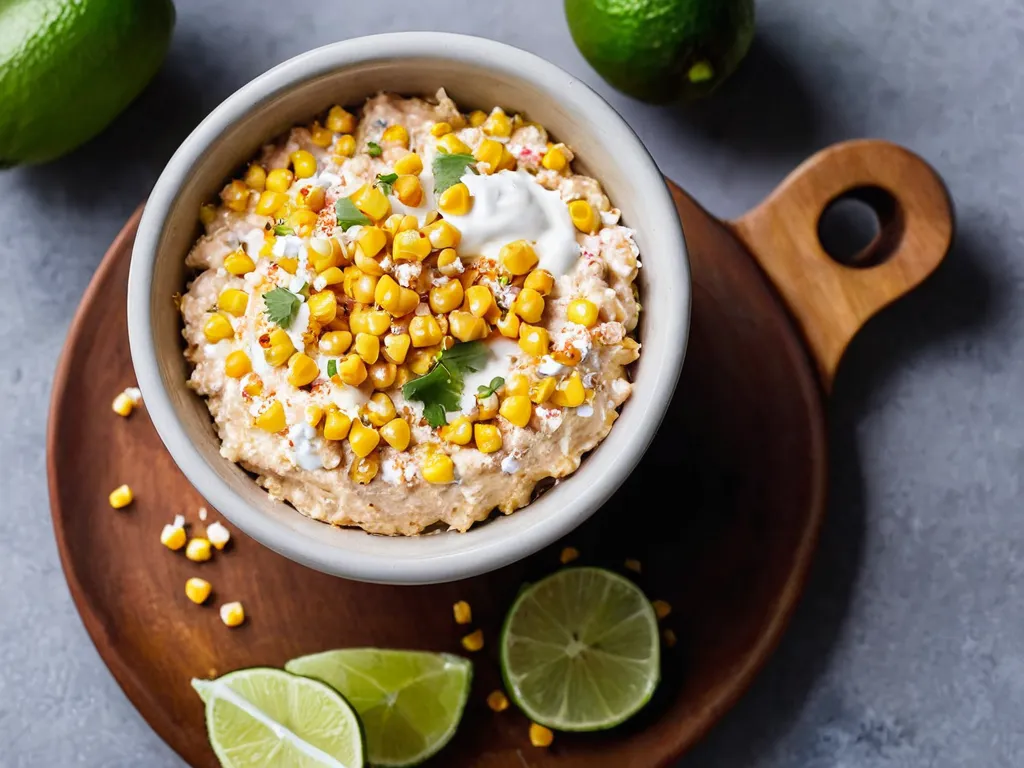
Beer cheese is the classic pairing, but the pretzels work equally well with Buffalo Chicken Dip, Jalapeño Popper Dip, or the Elote Corn Dip that took over TikTok last summer. Mustard — specifically a stone-ground German-style mustard or a good spicy brown — is the traditional Bavarian accompaniment if you’re keeping it simple.
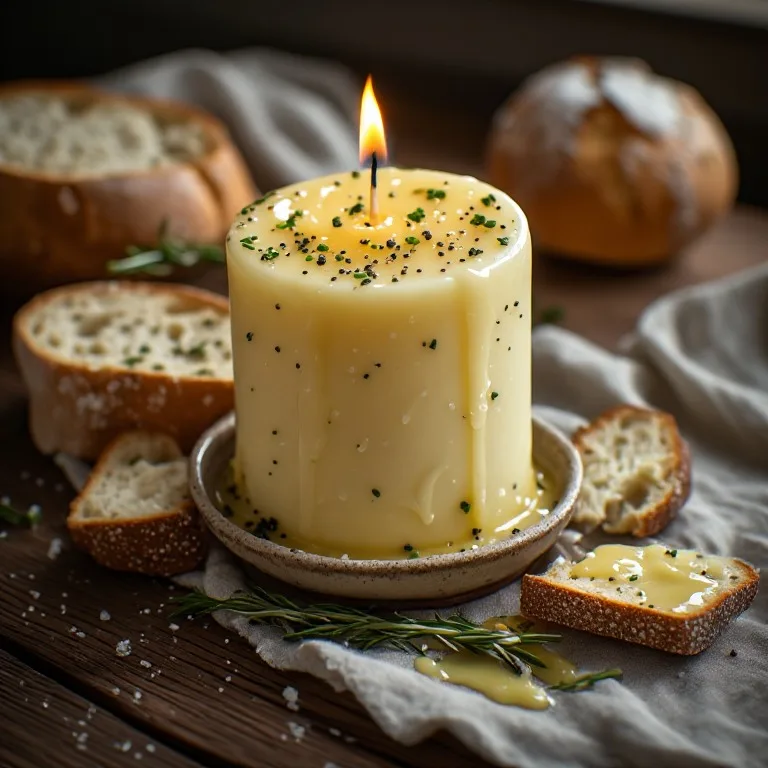
For a composed spread, consider the Butter Candle presentation: shaped butter with herbs, surrounded by pretzel bites for dipping directly into softened butter. The baking soda bath pretzel bites and soft butter combination is one of those results that’s so simple it shouldn’t work as well as it does.