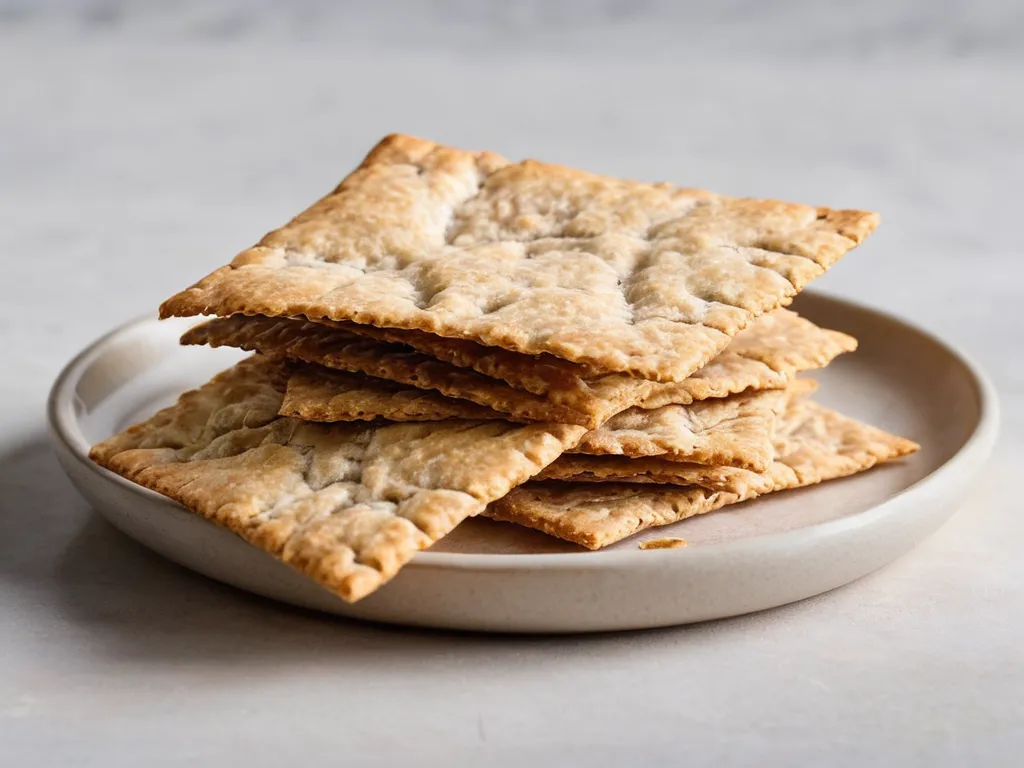
Sourdough discard crackers grew out of one of the more practical problems in the sourdough world: what to do with the starter you have to throw away every time you feed it. During the 2020–2021 lockdown sourdough boom, millions of new starters were born — and millions of people quickly discovered that maintaining one means discarding a significant portion every few days. Discard crackers were the answer the TikTok sourdough community landed on, and they stuck because the result is genuinely better than the premise suggests. These aren’t use-it-up crackers that are “okay for what they are.” Made right, they’re tangy, shatteringly crispy, and more interesting than most crackers you can buy.
The key word is made right. The difference between a cracker and a chewy flatbread comes down to two variables: thickness and time. Get both right and you have something worth making on purpose, not just as a way to feel better about your discard.
TL;DR
Whisk 1 cup of 100% hydration discard with 2 tablespoons olive oil and ½ teaspoon salt. Mix in any seasonings (see variations below). Spread paper-thin on parchment-lined sheet pans. Bake at 325°F for 5–8 minutes until set, score into cracker shapes with a pizza cutter, then return to the oven for 15–20 more minutes until dry and golden at the edges. Cool completely on the pan — they crisp further as they cool. That’s the whole recipe.
What Is Sourdough Discard?
Sourdough starters need to be fed regularly — typically you remove (“discard”) half or more of the starter and add fresh flour and water to keep the culture healthy. The discarded portion is called discard. It’s not dead or useless; it’s live, fermented flour and water that’s past its peak rise window. What it has that fresh starter doesn’t: a significant buildup of lactic and acetic acids from fermentation. Those acids are what give discard crackers their signature tang, their layered structure, and their complexity. A cracker made from plain flour and water cannot replicate this.
Fresh discard (same-day feeding) is milder. Refrigerator discard stored for days or weeks is more acidic and produces a noticeably tangier cracker. Both are correct choices depending on how pronounced you want the sourdough flavor.
The One Thing That Determines Crispiness
Thickness. That’s it.
The target is 1/16 inch — roughly 1.5mm, thin enough that you can nearly see through the wet batter when held up to light. Any thicker and the oven can’t fully dehydrate the center before the edges are done. You end up with golden edges and a chewy, underdone middle that stays that way even after cooling.
The two-sheet parchment method is the most reliable approach: pour the batter onto parchment, lay another sheet on top, and roll with a rolling pin. The parchment prevents sticking and gives you even pressure across the whole surface. An offset spatula gets you to about 1/8 inch; the rolling pin between parchment gets you to 1/16 inch and below. The extra step is worth it.
Uneven thickness is also a problem. Thick spots in an otherwise thin spread stay chewy while the rest of the cracker browns and crisps. Take a moment to look for thick puddles of batter and push them out toward the edges before baking.
How Starter Hydration Affects Your Discard
This recipe is written for 100% hydration starter — equal parts flour and water by weight — which is the most common home-baker setup and produces a pourable batter. If you feed at a different ratio, your discard will behave differently.
Thicker discard (50–75% hydration, stiff starter): The batter will be too thick to pour and spread. Options: add warm water a tablespoon at a time until you reach a pourable consistency, or switch to a rolling method — ball the discard, place between two sheets of parchment, and roll with a rolling pin to 1/16 inch.
Thinner discard (150%+ hydration, very loose starter): The batter will be watery and spread too thin, making it hard to control thickness. Add a teaspoon or two of flour to bring it to a thicker batter consistency, or reduce olive oil by half a tablespoon.
The Partial-Bake Score Method
Scoring after a partial bake — not before, and not after full baking — is what gives you clean, uniform crackers instead of shards.
Here’s why it works: raw batter tears when you try to cut it and the parchment bunches up. Fully-baked crackers break irregularly along stress lines. Partially baked (5–8 minutes, just set), the cracker is firm enough to hold a cut cleanly but still pliable enough that the pizza cutter doesn’t skitter. Pressing the cutter all the way through to the parchment ensures a clean break point when the cracker is fully baked.
For rustic snacking crackers, skip scoring entirely and break the fully-baked sheet into irregular pieces. The taste is identical; the look is different.
The Everything Bagel Seasoning Mistake
The most popular variation — by far — is everything bagel seasoning. But there’s a right and wrong way to use it.
Wrong: Sprinkle on top of raw batter before baking. The dried garlic and onion bits sit exposed on the surface and brown past caramelized into bitter and acrid before the cracker is fully done. The seeds (sesame, poppy) are fine on top, but the dried alliums are not.
Right: Mix the everything bagel seasoning directly into the batter — 1 tablespoon per cup of discard. The batter encases the garlic and onion, protecting them from direct heat and allowing them to toast evenly as the cracker dries out. Seeds mixed into the batter also distribute more evenly through the cracker, giving you flavor in every bite rather than just on the surface. Add ½ teaspoon extra on top after mixing-in for visual appeal and seed crunch.
Six Seasoning Variations
All amounts are per cup of discard (one full batch). Mix into the batter unless noted.
1. Parmesan Rosemary — 3 tablespoons finely grated parmesan (mix in) + 1 teaspoon dried rosemary crumbled fine (mix in) + flaky sea salt on top after spreading. The parm melts slightly during baking and adds a savory, almost browned-butter note. This is the “put it on a cheese board” version.
2. Za’atar — 1½ tablespoons za’atar blend mixed into the batter. Za’atar (thyme, sumac, sesame, oregano) hits the same tangy-earthy notes as the discard itself, which makes the flavor unusually cohesive. Drizzle a thin line of olive oil on top before baking for extra fragrance.
3. Sesame — 2 tablespoons sesame seeds (white, black, or mixed) + replace 1 teaspoon of olive oil with toasted sesame oil. The toasted sesame oil flavor is dramatically more present than raw, and it handles the 325°F oven without burning. This pairs well with dips that have some sweetness (honey, sweet chili sauce).
4. Rosemary Sea Salt — 1 teaspoon dried rosemary (mix in) + flaky sea salt pressed gently into the surface after spreading. The simplest version and the one closest to an expensive artisan cracker. Works with everything.
5. Cracked Black Pepper + Lemon Zest — ½ teaspoon coarse black pepper + zest of 1 lemon mixed into batter. The lemon brightens the discard’s existing acidity without adding liquid. Pairs very well with smoked salmon and crème fraîche.
6. Cinnamon Sugar (Sweet) — 1½ teaspoons cinnamon + 1 tablespoon brown sugar + pinch of cardamom mixed into batter. The sweet version for snacking, not cheese boards. These are slightly more fragile because sugar caramelizes quickly — watch them at the 15-minute mark.
Storage and Re-Crisping
Once fully baked and cooled, sourdough discard crackers go into an airtight container at room temperature — unlike roasted chickpeas, which need airflow, fully dehydrated crackers are shelf-stable and airtight keeps ambient moisture out. They keep for up to 1 week at room temperature. For longer storage, freeze in a zip-lock bag for up to 3 months; thaw at room temperature and re-crisp as needed.
If your crackers soften after a day or two (a common occurrence in humid climates), spread them on a sheet pan and bake at 300°F for 5 minutes. They come back to nearly full crunch. This works for frozen-then-thawed crackers too.
Beyond the Snack Bowl
Sourdough discard crackers have a texture advantage over most store-bought crackers: they stay crispy under damp toppings longer than water crackers or rice crackers. This makes them well-suited for:
Charcuterie and cheese boards — the tang plays off aged cheeses (sharp cheddar, aged gouda, manchego) better than a neutral cracker, and brie or goat cheese on a sourdough discard cracker is its own argument for keeping a starter.
Scooping hot, wet dips — broken into large shards, they stay rigid in a spinach artichoke dip or jalapeño popper dip far longer than a thin water cracker, which goes soggy on contact. If you’re making them specifically as dippers for something thick and heavy like buffalo chicken dip, roll the batter slightly thicker (1/8 inch) and cut into wider pieces so they don’t snap mid-scoop.
Salad topping — broken into small pieces and used like croutons in a Caesar or grain salad. The acidity of the cracker acts like a subtle dressing component.
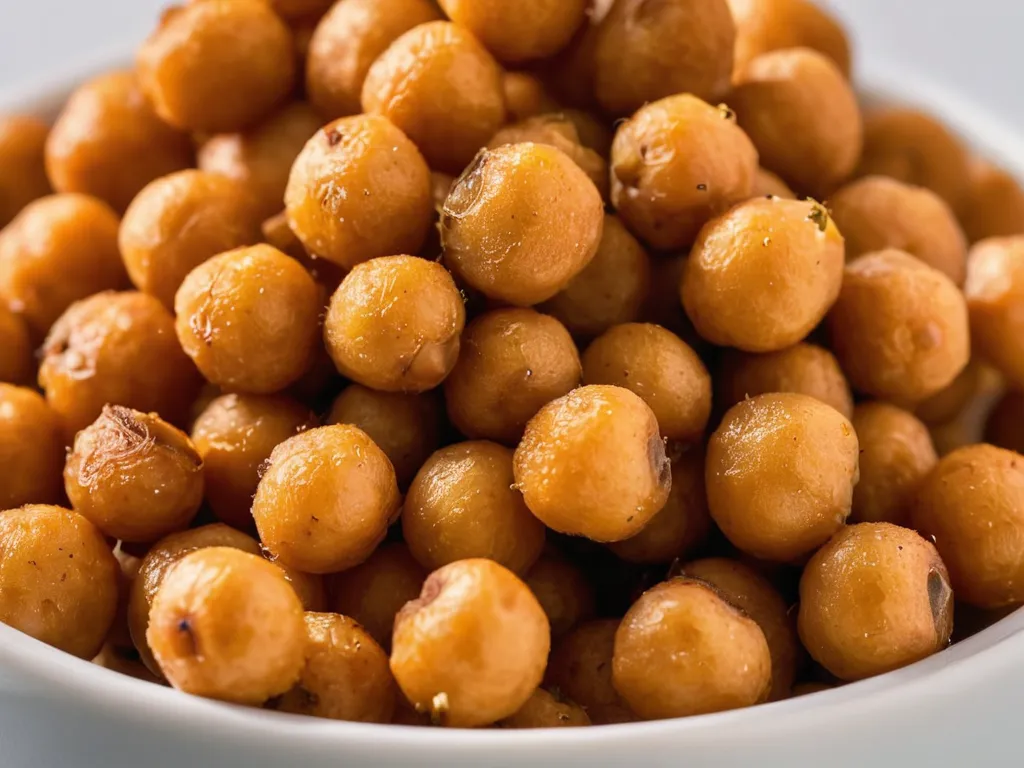
If you’re building a sourdough snack lineup, crispy air fryer chickpeas are the natural partner — similar snack category, both high-protein, both better homemade than store-bought, and they can be seasoned identically for a coordinated spread.