


Pin It

Stovetop Mac and Cheese (TikTok's 25-Minute Cream Cheese Method)

Stovetop Mac and Cheese (TikTok's 25-Minute Cream Cheese Method)
Jump to Recipe
Prep 5 min Cook 20 min Serves 6
Quick answer: Boil 1 lb elbow macaroni in well-salted water until al dente, then drain and set aside (reserve ½ cup pasta water). In the same pot over medium-low heat, melt 2 tablespoons butter. Add 4 oz (half a block) cream cheese, cut into chunks, and stir until fully melted and smooth — about 2 minutes. Pour in one 12 oz can of evaporated milk and whisk until the cream cheese is fully incorporated with no lumps. Add 1 tsp dry mustard powder, 1 tsp garlic powder, ½ tsp smoked paprika, ½ tsp black pepper, and salt to taste. Keep on medium-low heat and stir until the sauce is warm and smooth. Remove the pot from heat. Immediately add 2 cups freshly shredded sharp cheddar in two batches, stirring each addition until fully melted before adding the next. Add the drained pasta and toss to coat. Use the reserved pasta water a splash at a time to thin the sauce to the consistency you want. Serve immediately.

Shop the tools

Gear matched to this recipe. These are Amazon affiliate links — we may earn a small commission if you buy, at no extra cost to you.

As an Amazon Associate, Copycat Spices earns from qualifying purchases. Product images are generic illustrations, not the exact item listed.

Stovetop Mac and Cheese (TikTok's 25-Minute Cream Cheese Method)

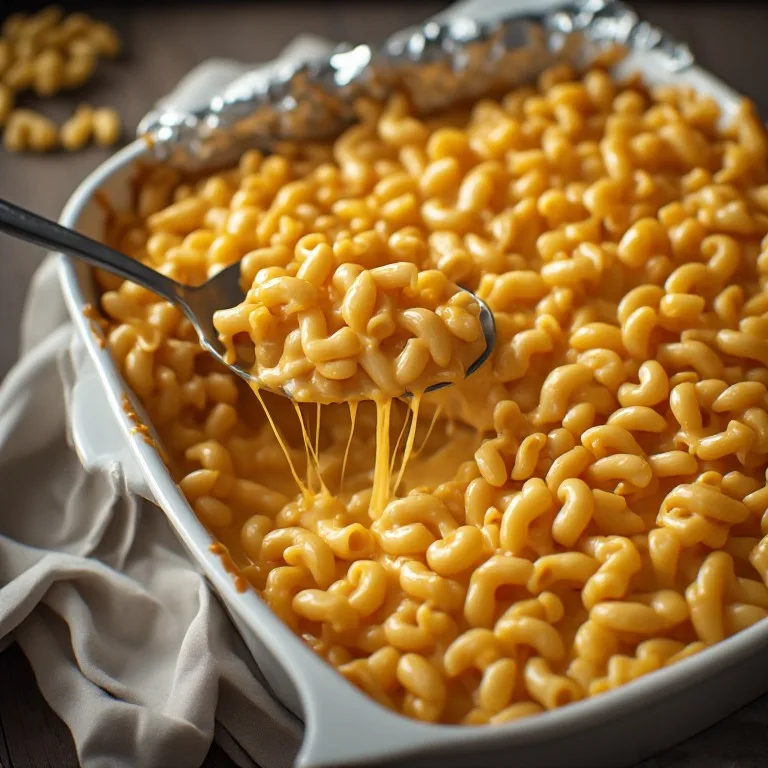
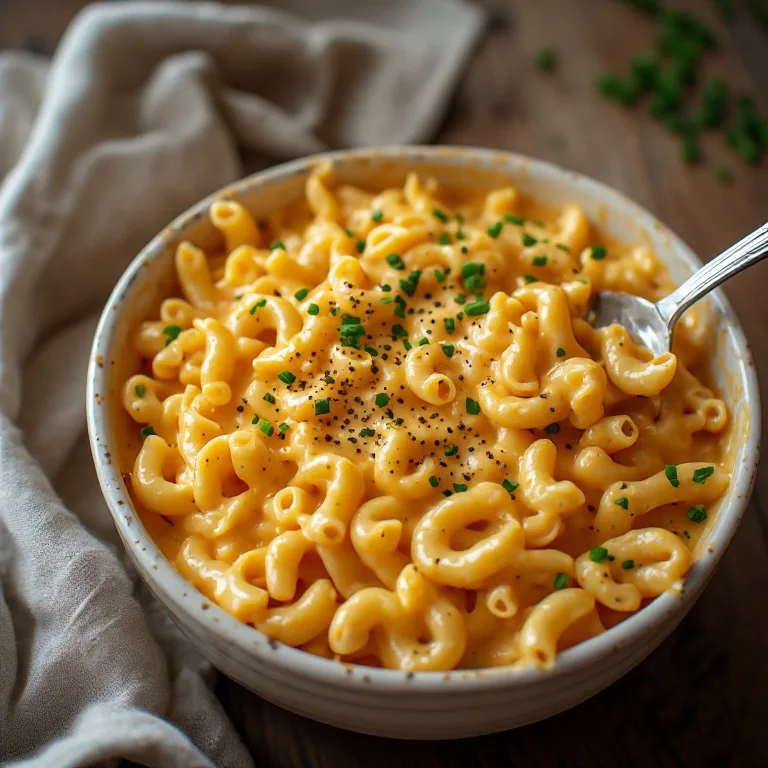
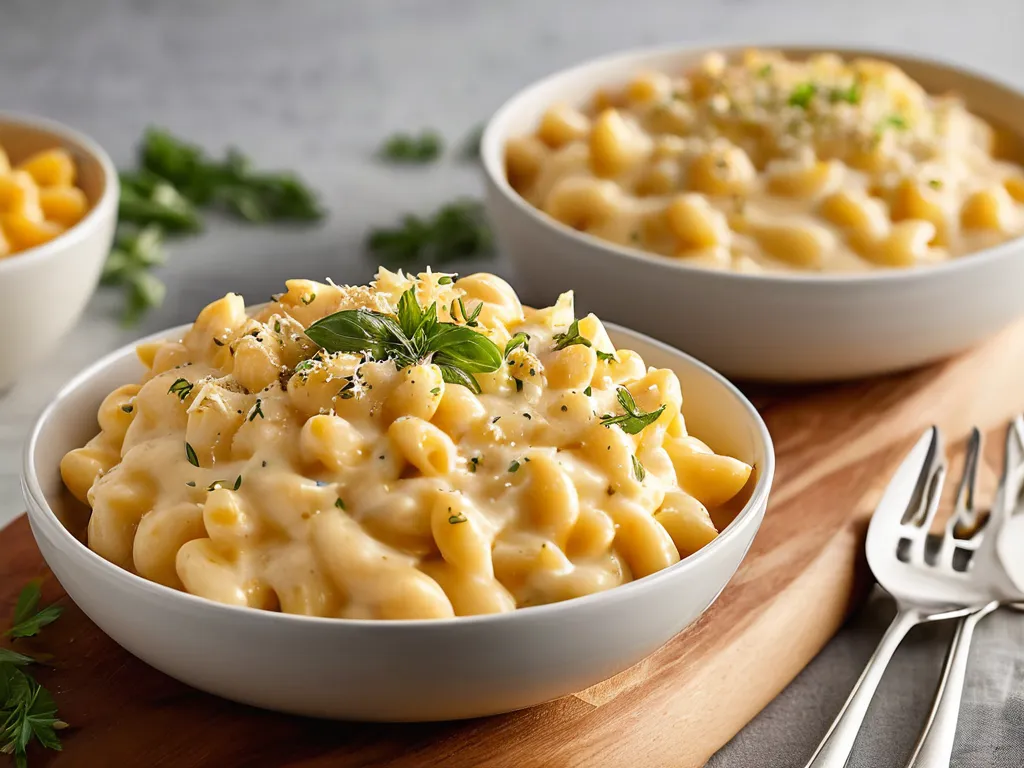
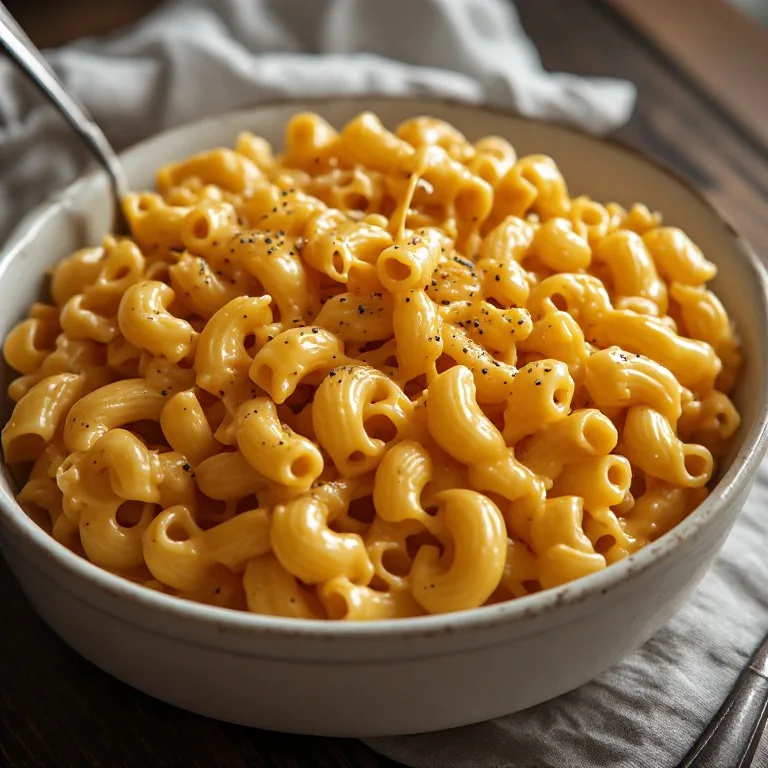
The viral TikTok stovetop mac and cheese recipe: cream cheese + evaporated milk + sharp cheddar in one pot, ready in 25 minutes. Cream cheese acts as an emulsifier so the sauce never breaks, never goes grainy, never separates — the home-cook hack that changed how people make mac.

Easy Prep: 5 min Cook: 20 min Total: 25 min6 servings ~$4.50/serving
Prep5 min
Cook20 min
Total25 min
Servings
6
At home~$4.50/serving
vs
Restaurant~$20.25/serving
You save ~78%

The Story Behind the Recipe

The single complaint about homemade stovetop mac and cheese is that the sauce breaks: the cheese goes grainy, the fat pools separately on top, and the pot smells more like the inside of a fondue burner than dinner. TikTok's fix — adding a block of cream cheese to the sauce — spread because it solves that exact problem. Cream cheese contains stabilized proteins and a higher moisture content that prevent the milk proteins in cheddar from clumping together under heat. The result is a sauce with the silky, coating consistency you get at restaurants, not the gritty or oily versions most people grew up eating. Home cooks filmed the before-and-after of the cream cheese method and the difference was obvious on video: sauce that poured like honey versus the grainy, separated baseline.

The chemistry is borrowed from professional kitchens, where the emulsifying salt sodium citrate (added to dishes like Modernist mac or gourmet queso) holds fat and protein in suspension at high temperatures. Cream cheese contains similar casein structures and emulsifying agents that do the same job without buying specialty ingredients. At its core it is a roux-free stovetop mac: cook the pasta, make a quick sauce from cream cheese + evaporated milk + butter + seasoning in the same pot, melt in the shredded cheddar off heat, toss the pasta back in. Total active time is about 10 minutes. A full pound of pasta feeds six in under 25 minutes from start to table, for about $3 per serving.

Nutrition Facts

Per serving (6 servings)
Calories580
Total Fat26g
Total Carbs64g
Dietary Fiber2g
Sugars9g
Protein22g
Sodium620mg

* Estimated values based on standard recipe preparation. Actual values may vary.

Ingredients

  • The pasta
  • The cream cheese sauce
  • The cheese
  • To finish

Instructions

💡
Pro tip: This recipe tastes even better the next day. The flavors need time to meld together in the fridge.
❄️
Storage: Keeps in an airtight container in the fridge for up to 2 weeks. Freezer-friendly for up to 3 months.
🎃 Free Halloween cookbook — download now The Copycat Halloween Cookbook A ready-made, photo-illustrated PDF of our best halloween copycat recipes — free to download, no building required. Pay what you want to support if you love it.

Free PDF — instant download. We'll also send new seasonal copycat recipes now and then; unsubscribe anytime. Or just download it →

In a home kitchen, making stovetop mac and cheese that actually has a smooth, coating sauce is harder than it looks. The usual failure mode: the cheese breaks — fat separates out, the sauce goes grainy and thick, and the whole pot tastes like reheated Velveeta leftovers rather than the glossy, silky mac you were aiming for.

TikTok’s fix is simple and it works: add cream cheese to the sauce before adding the shredded cheddar. The cream cheese acts as an emulsifier — its proteins and stabilizers hold the sauce together at temperatures that would normally cause natural cheese to curdle. You get a stovetop mac with a velvety, restaurant-quality sauce in 25 minutes, one pot, no roux, no oven.

Why This Works When Regular Stovetop Mac Doesn’t

The problem with standard stovetop mac and cheese is heat. To melt cheddar, you need the sauce hot. But once the sauce is hot enough to melt the cheese, the heat causes the casein proteins in the cheddar to tighten and squeeze out the fat — that is the graininess and pooling oil you see in the pot.

Professional kitchens solve this with sodium citrate, an emulsifying salt that keeps fat and protein suspended in liquid regardless of temperature. One teaspoon added to any cheese sauce makes it virtually break-proof.

Cream cheese is the home-cook equivalent. It contains casein proteins already in a partially modified state (from the cream cheese making process) plus natural emulsifiers that prevent the fat-protein separation problem. When you melt cream cheese into a hot sauce first and then add shredded cheddar off heat, the cream cheese base holds the cheddar in stable suspension. The sauce doesn’t break.

The result is a mac that looks and behaves like the restaurant version: sauce that pours and coats, rather than seizes up in the pot.

The Three Rules That Actually Matter

One: shred the cheese yourself. Pre-shredded bags from the grocery store are coated with cellulose, potato starch, and anti-caking agents that prevent the shreds from clumping in the bag — and prevent them from melting smoothly in a sauce. The coating keeps the cheese particles from fully incorporating, and you get a sauce with tiny grains of unmelted cheese rather than a cohesive, smooth emulsion. A block of aged sharp cheddar plus 30 seconds on a box grater is the difference between a silky sauce and a lumpy one.

Two: add the cheddar off heat, in batches. Remove the pot from the burner before any shredded cheese goes in. Residual heat is enough to melt it completely. Working off heat keeps the temperature below the curdling threshold, and working in two batches lets each addition fully incorporate before the next goes in. This is the single most frequently skipped step in stovetop mac recipes — and the one that determines whether the sauce comes out silky or grainy.

Three: use the pasta water. The cloudy, starchy water left from boiling the pasta is the best sauce adjuster you have. It thins the sauce without watering it down, because the dissolved starch acts as a mild emulsifier and thickener. Add it a splash at a time after the pasta goes back in the pot, until the sauce coats everything in a flowing, cohesive layer.

The Cream Cheese Quantity

Four ounces — half of a standard 8 oz block — is the right amount for a full pound of pasta. This amount is enough to stabilize two cups of shredded cheddar without making the sauce taste noticeably like cream cheese. If you use the full 8 oz block, the sauce takes on a cream-cheese-forward flavor that competes with the cheddar; some people prefer this, but it changes the character of the dish from “classic mac” to “cream cheese pasta.” Four ounces is the stabilizer amount, not the flavor amount.

Cheese Blend Options

Sharp cheddar alone is the classic and it is excellent. The best upgrade: replace ½ cup of the cheddar with Gruyère. Gruyère adds a nutty sweetness that makes the sauce taste more complex and rounds the sharpness of aged cheddar without changing the technique. The second-best upgrade: use a 50/50 blend of sharp cheddar and Colby-Jack, which produces a milder, crowd-friendly mac with a slightly more fluid sauce that stays coating and loose longer before it sets.

Avoid Parmesan, aged Romano, or any hard dry cheese as the primary — they don’t melt smoothly in cream-based sauces. Smoked cheddar swapped in for one cup of the regular cheddar adds a subtle smoky depth if you want to skip the smoked paprika.

Variations and Add-Ins

Spicy: Add 1 tablespoon of Frank’s RedHot sauce and ½ teaspoon of cayenne to the sauce, or stir in 2 tablespoons of chili crisp at the pasta-tossing stage for a Sichuan-inflected version.

Bacon: Cook 6 strips of bacon until crispy, crumble, and scatter on top when serving rather than stirring in — the crunch is better as a topping than distributed through the sauce.

Protein boost: Stir in 1.5 cups of shredded rotisserie chicken at the pasta-tossing stage. The residual heat warms it through without drying it out.

Truffle: A drizzle of truffle oil at the table (never in the sauce — it tastes synthetic when cooked) plus shaved Parmesan on top turns this into a plausible restaurant appetizer.

Kid-friendly: Use Colby-Jack for the full 2 cups and omit the smoked paprika and dry mustard. Mild, very creamy, no sharp notes.

Storage and Reheating

Fridge: Store in an airtight container for up to 4 days. The sauce will thicken significantly — the pasta absorbs almost all the liquid as it sits.

Reheating: Add 2–3 tablespoons of milk per serving before reheating. Warm over low heat on the stovetop (stirring frequently) or microwave in 45-second intervals (stirring between each). The cream cheese base re-emulsifies cleanly with warm liquid — the sauce comes back to its original consistency without any graininess. Never reheat without adding liquid; the stuck-on cream cheese will burn before the center is warm.

Freezing: Not recommended. The pasta absorbs all the sauce and turns mushy, and the cream cheese can separate on thawing. This dish costs under $12 for six servings and takes 25 minutes — making it fresh is the better call.

More Mac and Cheese to Try

If this is the method you’ve been missing, these are the other recipes worth knowing:

🥗

Make It Healthier

Love Stovetop Mac and Cheese (TikTok's 25-Minute Cream Cheese Method) but want a lighter version? Try these simple swaps:

  • ✓Use reduced-fat cream cheese (Neufchâtel) instead of full-fat — the sauce stays smooth because the emulsifying proteins are intact, and you cut about 40 calories and 5g fat per serving.
  • ✓Swap elbow macaroni for chickpea pasta or a high-protein pasta blend (Barilla Protein+, etc.) to boost protein to roughly 30g per serving without changing the recipe at all — the sauce coats it identically.
  • ✓Replace half the shredded cheddar with shredded Gruyère or Swiss — lower in fat than cheddar by weight, richer in flavor, so you use less and the sauce stays just as satisfying.
  • ✓Add 2 cups of finely chopped broccoli florets (blanched 2 minutes and well-drained) or baby spinach (stirred in right after adding the pasta) to get vegetables in without altering the texture.

Frequently Asked Questions

Why does cream cheese prevent the sauce from going grainy?

When you melt natural cheddar in hot liquid, the casein (milk protein) bonds tighten and squeeze out the milkfat — this produces the grainy, oily separation that plagues homemade cheese sauce. Cream cheese contains two things that interrupt that process. First, its casein proteins are already in a partially denatured state from the cream cheese making process, so they don't have as strong a tendency to clump together when reheated. Second, cream cheese contains emulsifying compounds that help keep fat and protein suspended in the same liquid phase even under heat stress. The net effect is a sauce that stays smooth, silky, and cohesive even after the cheddar is added. Professional kitchens use sodium citrate (a single teaspoon added to any cheese sauce) to achieve the same result. Cream cheese is the home-cook version of that trick — widely available, cheap, and it adds a subtle tang that actually improves the flavor.

Do I have to use evaporated milk? Can I use regular whole milk or heavy cream?

Evaporated milk is the right choice here for a specific reason: it is already cooked during manufacturing, which removes most of its water content and concentrates the proteins. This means it behaves more stably when heated with melted cream cheese than fresh whole milk does. Fresh whole milk can separate or become watery in a stovetop sauce, especially if the heat is uneven. Heavy cream works as a substitute and produces a richer, more indulgent sauce — use 1 cup of heavy cream in place of the 12 oz can. The sauce will be noticeably heavier. If you only have whole milk, use it (1.5 cups), but keep the heat especially low and stir continuously — it's more finicky. Half-and-half is a good middle-ground substitute (use 1.25 cups). The key in all cases: melt the cream cheese fully before adding any dairy, and keep the heat low.

Is this different from Tini's TikTok mac and cheese?

Yes — these are two different recipes for two different occasions. Tini's mac (the 100-million-view version by Tineke Younger) is a baked mac: a roux-based sauce with evaporated milk and heavy cream, three cheeses layered with cavatappi, baked at 375°F for 20 minutes and broiled golden on top. It serves 8–10 and takes about 90 minutes start to finish. The cream cheese stovetop version is a one-pot weeknight recipe: no roux, no oven, ready in 25 minutes, serves 6. Tini's is the impressive holiday showstopper with the dramatic cheese pull and golden top. This stovetop version is the Tuesday-night dinner that takes less time than ordering delivery. Both use the same 'never-break' principle (Tini uses two liquid dairy products; this one uses cream cheese), but they are different dishes.

Can I make this ahead or does it have to be served immediately?

Stovetop mac and cheese is best the moment it is made — the pasta continues to absorb sauce as it sits, and the sauce thickens noticeably after 15–20 minutes. That said, reheating works well with a small adjustment: reheat in a saucepan over low heat and stir in a splash of milk (2–3 tablespoons per serving) as you warm it. The cream cheese base re-melts smoothly and the sauce regains its original consistency without graininess. Microwaving also works — add the milk splash before microwaving, stir halfway through, and stir again when done. Do not reheat without adding liquid; dry-heated cream-cheese sauce can stick to the pan and develop hot spots that break the emulsion. For a make-ahead plan: make the sauce separately and refrigerate it without the pasta for up to 2 days; cook fresh pasta when ready to serve, then rewarm and combine.

What shredded cheese blend works best beyond plain cheddar?

Sharp cheddar is the baseline and it works excellently on its own. The best upgrade is a two-cheese blend: 1.5 cups sharp cheddar + ½ cup Gruyère. Gruyère adds a nutty, slightly sweet depth that makes the sauce taste more complex without any extra work, and it melts into cream cheese sauces cleanly. Another strong option: 1 cup sharp cheddar + 1 cup Colby-Jack, which produces a milder, more crowd-pleasing flavor with a slightly more fluid melt (Colby-Jack is a lower-moisture cheese blend that stays saucier than aged cheddar). Avoid Parmesan, Romano, or other aged hard cheeses as the primary cheese — they don't melt smoothly in cream sauces and add grittiness. Avoid fresh mozzarella — it turns stringy and pools rather than emulsifying into the cream cheese base. Smoked cheddar is a great swap for one cup of the regular cheddar if you want a smoky depth without smoked paprika.

Can I add protein — chicken, bacon, lobster — to this stovetop mac?

Yes, and the cream cheese base handles additions without any technique change. The best approach for all protein additions: cook the protein separately, then stir it in after the pasta and sauce are combined. Stirring in cold or room-temperature shredded rotisserie chicken (1.5 cups for a full pound of pasta) works perfectly — the residual heat from the mac warms it through without drying it out. Crispy bacon (6 strips, crumbled) is a classic topping; scatter it on top rather than stirring it in to keep it crunchy. For lobster mac: fold in cooked lobster meat (roughly 8 oz, chopped) the same way as rotisserie chicken — gently, after the sauce and pasta are combined, just enough to warm it. For jalapeños or add-ins that release liquid (caramelized onions, sautéed mushrooms), make sure they are fully cooked and drained before adding; extra liquid thins the sauce more than the pasta water you already added and can make it too loose.

Why does the recipe say to remove the pot from heat before adding the cheddar?

This is the most important technique rule and the one most frequently skipped. Adding shredded cheddar to a simmering or boiling cream sauce triggers the curdling problem the cream cheese was brought in to prevent: the combination of high heat and agitation causes the fat to separate from the protein in the cheddar, producing a greasy, grainy result. The cream cheese base is stable under heat, but natural cheddar is not — it needs the gentlest possible introduction. Residual heat from a hot sauce (around 170–180°F) is enough to melt shredded cheddar completely if the pieces are small and the stirring is continuous. Moving the pot off the burner drops the cooking temperature immediately and gives you precise control. The stir-in process takes only 60–90 seconds; the sauce stays hot enough to melt the cheese while staying well below the curdling threshold. Put the pot back on low heat only after all the cheese is in, only if the sauce seems too cool, and stir continuously.

Love this recipe? Share it!

Free PDF: our 12 most-wanted copycat recipes — instant download.

Made it? Buy us a coffee

Every recipe here is free, with no paywalls. If this one was a hit at your table, a small tip keeps new copycats coming.

$

Ratings & Reviews

—
No ratings yet

Rate this recipe

Click a star to rate

Leave a Review

0/500

CS

Copycat Spices Editorial

Researched + fact-checked. Every recipe on Copycat Spices is built from published sources — official ingredient lists, brand-published recipes, interviews and food-science references — and fact-checked before it goes live, then written as clear, step-by-step instructions for home cooks of all skill levels.

Learn more about our mission →