

Pin It

Viral TikTok Velveeta Mac and Cheese — The No-Boil Dump-and-Bake Method

Viral TikTok Velveeta Mac and Cheese — The No-Boil Dump-and-Bake Method
Jump to Recipe
Prep 10 min Cook 50 min Serves 8
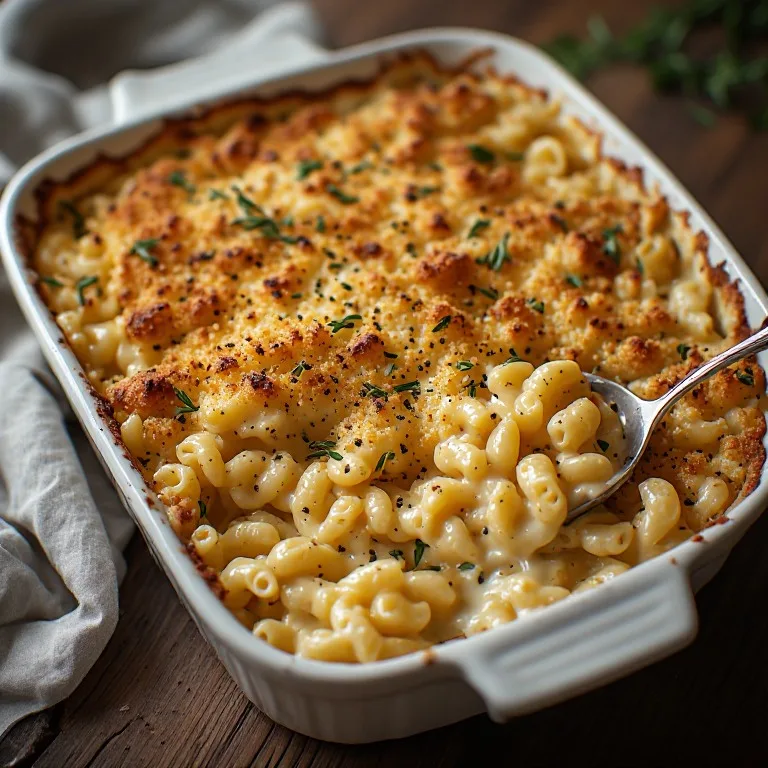
Quick answer: In a 9x13 baking dish, arrange 1 lb (16 oz) dry elbow macaroni in an even layer. Scatter 16 oz Velveeta (a whole block), cut into 1-inch cubes, across the top. Pour 3 cups heavy cream and 1 cup water evenly over everything. Dot 4 tablespoons butter (in pats) over the surface. Season with 1 tsp garlic powder, 1/2 tsp onion powder, 1/2 tsp smoked paprika, 1/2 tsp black pepper, and 1 tsp kosher salt. Cover tightly with foil — no gaps — and bake at 375°F for 45–50 minutes. The pasta will absorb most of the liquid and the Velveeta will melt completely. Carefully remove the foil (steam will escape), and stir everything together thoroughly — the pasta, the melted Velveeta, and the remaining liquid combine into a creamy, cohesive sauce. Immediately scatter 2 cups freshly shredded sharp cheddar over the top, stir it in, and taste for seasoning. Serve directly from the dish.

Shop the tools

Gear matched to this recipe. These are Amazon affiliate links — we may earn a small commission if you buy, at no extra cost to you.

As an Amazon Associate, Copycat Spices earns from qualifying purchases. Product images are generic illustrations, not the exact item listed.

Viral TikTok Velveeta Mac and Cheese — The No-Boil Dump-and-Bake Method

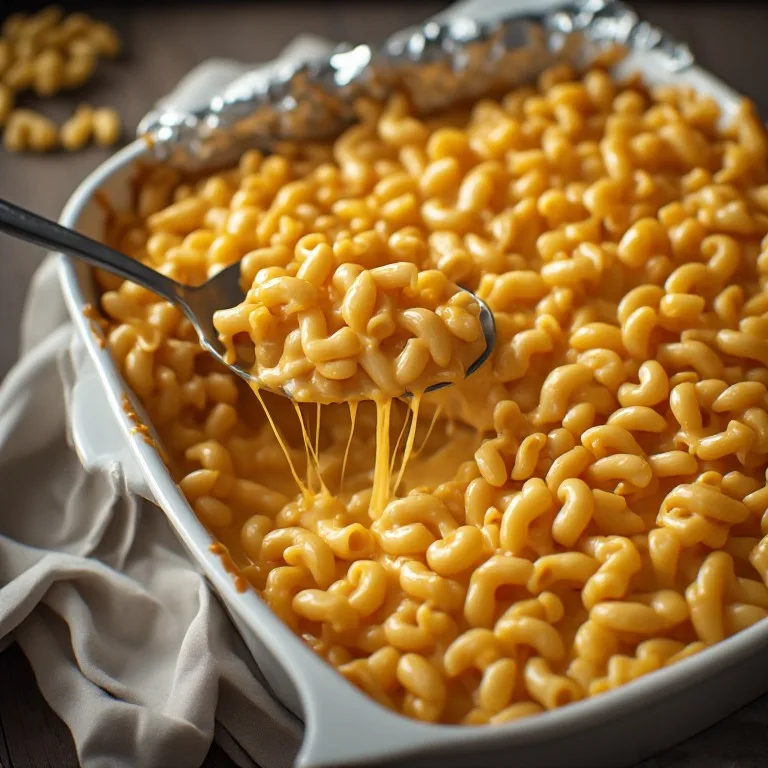
The viral TikTok Velveeta mac and cheese recipe that skips boiling pasta entirely: dry macaroni, Velveeta, heavy cream, and butter go straight into the baking dish. The pasta cooks in the cream as the Velveeta melts into a sauce with zero risk of graininess.

Easy Prep: 10 min Cook: 50 min Total: 1h 0m8 servings ~$3.85/serving
Prep10 min
Cook50 min
Total1h 0m
Servings
8
At home~$3.85/serving
vs
Restaurant~$17.32/serving
You save ~78%

The Story Behind the Recipe

The reason this mac and cheese went viral is the technique, not the ingredients: you skip boiling the pasta entirely. Raw dry macaroni goes directly into the baking dish with cubed Velveeta, heavy cream, water, and butter — no sauce pot, no pasta water, no roux, no pre-cooking anything. Cover the dish tightly with foil and bake at 375°F for 45–50 minutes. The pasta absorbs the cream and water as it bakes, and the Velveeta melts into a seamless, glossy sauce with zero effort. You stir in shredded sharp cheddar at the end while everything is still hot, and the residual heat from the dish melts it in. Total active time: about 10 minutes. Baking time: passive. The result is a baked mac with an ultra-creamy, elastic sauce that never goes grainy — because Velveeta contains sodium citrate emulsifying salts that keep fat and protein in stable suspension no matter how hot it gets.

Velveeta was invented in 1918 in Monroe, New York, as a way to use cheese factory scraps without waste, then bought by Kraft in 1927 and built into a pantry staple. The dump-and-bake technique specifically spread on TikTok in 2022–2023, driven by the visual of creators opening the foil to reveal a perfectly smooth, glistening sauce — not the broken, oily separation you get if you bake a mac made with natural cheese without a stabilized béchamel base. The tag #velveetamac accumulated millions of views specifically because of that reveal. Natural cheddar at 375°F for 50 minutes separates and curdles; Velveeta holds. The sodium citrate in it does the work.

Nutrition Facts

Per serving (8 servings)
Calories820
Total Fat61g
Total Carbs52g
Dietary Fiber2g
Sugars7g
Protein22g
Sodium1150mg

* Estimated values based on standard recipe preparation. Actual values may vary.

Ingredients

Instructions

💡
Pro tip: This recipe tastes even better the next day. The flavors need time to meld together in the fridge.
❄️
Storage: Keeps in an airtight container in the fridge for up to 2 weeks. Freezer-friendly for up to 3 months.
🎃 Free Halloween cookbook — download now The Copycat Halloween Cookbook A ready-made, photo-illustrated PDF of our best halloween copycat recipes — free to download, no building required. Pay what you want to support if you love it.

Free PDF — instant download. We'll also send new seasonal copycat recipes now and then; unsubscribe anytime. Or just download it →

Viral TikTok Velveeta Mac and Cheese — The No-Boil Dump-and-Bake Method

Prep time: 10 min | Cook time: 50 min | Serves: 8

The technique is counterintuitive enough that it’s worth stating plainly up front: you do not boil the pasta. You do not make a sauce. You put raw dry macaroni, cubed Velveeta, heavy cream, water, and butter into a baking dish, seal it tightly with foil, and put it in a 375°F oven for 45 minutes. The pasta absorbs the cream and cooks through. The Velveeta melts completely into a smooth, glossy sauce. You open the foil, stir everything together, add shredded sharp cheddar, and serve.

This is what TikTok was actually sharing: not a new ingredient combination, but a dump-and-bake technique that eliminates every intermediate step in classic mac and cheese preparation.

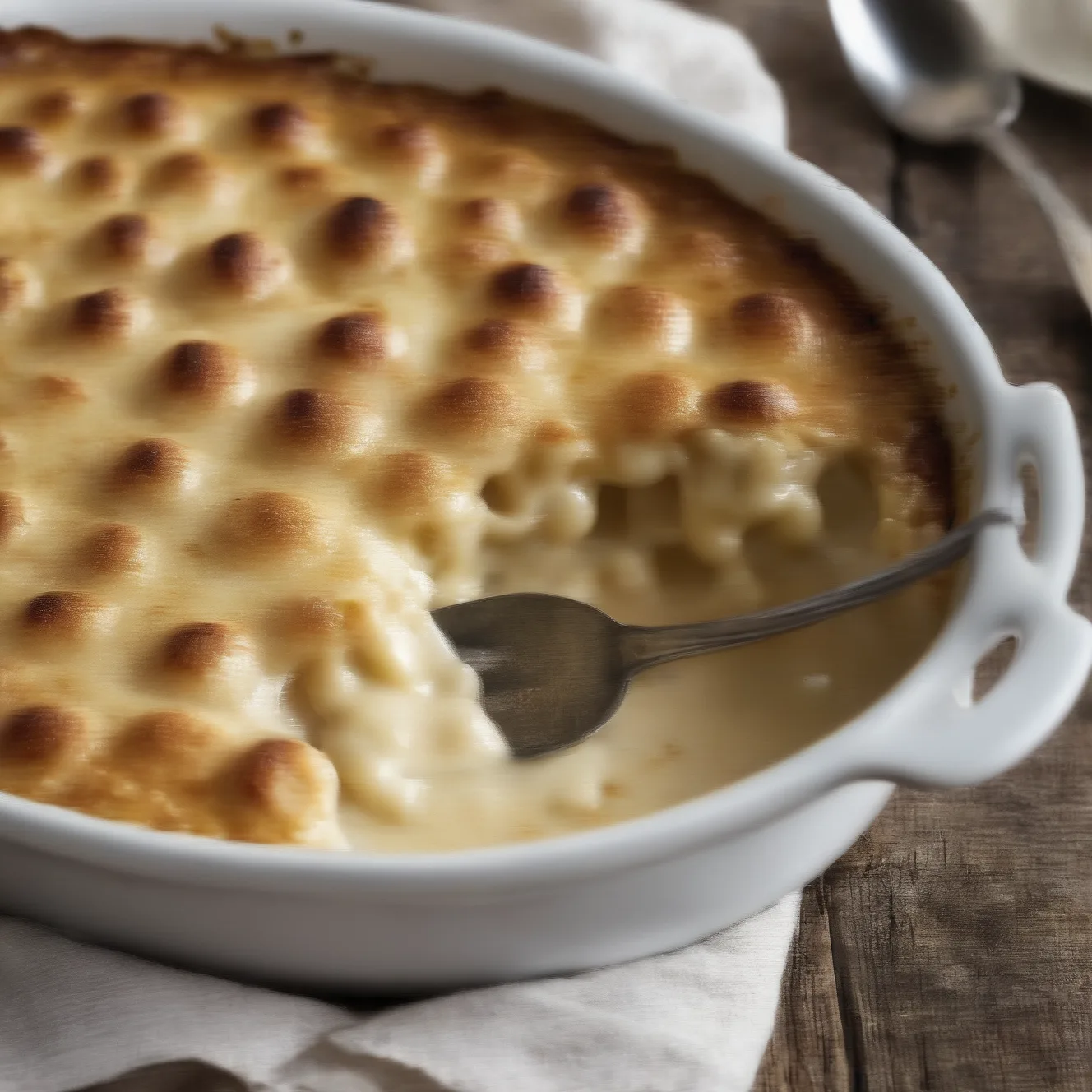
The reason it works — and specifically the reason it works with Velveeta and not with natural cheese — is sodium citrate. Velveeta is a processed cheese product made with emulsifying salts that keep fat and protein in stable suspension even at the temperatures inside a sealed baking dish. Natural cheddar or gruyère baked this way, without a stabilizing béchamel or starch, would separate into a greasy, broken sauce by the 30-minute mark. Velveeta holds. When you stir in fresh-shredded sharp cheddar at the end — off heat, using the Velveeta base as a stabilizer — you get both the smooth, elastic texture of the Velveeta sauce and the real-cheese sharpness of aged cheddar. Neither alone does what they do together.

The only technical requirement is the foil seal. Steam is doing real cooking work in this recipe, and if it escapes through gaps at the edges, the pasta near the rim stays crunchy while the center overcooks. Press the foil firmly around every edge. Every other step is genuinely just dumping things into a dish.
🥗

Make It Healthier

Love Viral TikTok Velveeta Mac and Cheese — The No-Boil Dump-and-Bake Method but want a lighter version? Try these simple swaps:

  • ✓Substitute 1.5 cups of the heavy cream with one 12-oz can of evaporated milk — same creamy texture, significantly less saturated fat per serving.
  • ✓Use reduced-fat Velveeta — it melts identically to the original with about 30% less fat, and the dump-and-bake technique works exactly the same.
  • ✓Stir 2 cups of frozen peas or 1 cup of finely diced broccoli (pre-steamed 2 minutes) into the finished mac right after the cheddar — they fold in without changing the sauce and turn it into a one-dish meal.
  • ✓Serve in smaller 3/4-cup portions alongside a big green salad — this recipe is rich, and a smaller serving next to vegetables is a more balanced meal than a full bowl of pasta.

Frequently Asked Questions

Why does the pasta cook without boiling? Doesn't it come out undercooked or crunchy?

Pasta cooks by absorbing hot water and hydrating the starch granules inside — the actual boiling action is just a mechanism for keeping the water hot enough and moving the pasta around. In the dump-and-bake method, the pasta sits in a sealed foil-covered dish with 4 full cups of liquid (3 cream + 1 water) at 375°F. The oven heat raises the liquid to a gentle simmer inside the sealed dish, the pasta absorbs the liquid, and the starch cooks fully over 45–50 minutes. The sealed foil creates a steam environment that behaves similarly to a covered pot on the stove. The result is tender, fully cooked pasta — not al dente, not crunchy, but the softer, yielding style typical of classic baked mac. If you prefer firmer pasta, check it at 40 minutes; if you want it even softer and more saucy, pull it at 50. One important caveat: the dish must be tightly sealed with foil. Any significant gap lets steam escape, and the pasta on the edges can come out drier and less cooked than the center.

Why Velveeta instead of cheddar, gruyère, or a béchamel with natural cheese?

Velveeta contains sodium citrate, an emulsifying salt that keeps fat and protein in stable suspension at high temperatures. In natural cheese — cheddar, gruyère, fontina — the casein proteins bind together when heated and squeeze out the milkfat, producing the greasy separation and grainy texture that ruins baked mac made without a stabilizing sauce. A properly made béchamel (flour-butter roux + milk) works around this by dispersing the cheese into a starch-thickened base that holds the fat in place. Velveeta bypasses both problems: you don't need a béchamel because the sodium citrate in Velveeta does the job of keeping the sauce stable and smooth at 375°F. The dump-and-bake technique works because of this property specifically — any natural-cheese-only version would separate badly after 50 minutes in a hot oven. The approach of adding freshly shredded sharp cheddar at the very end (off heat) uses the Velveeta base as a stabilizer, letting you get real cheese flavor from the cheddar without exposing it to high-temperature baking.

Can I use evaporated milk instead of heavy cream?

Yes, and many TikTok versions do this — evaporated milk produces a lighter, slightly sweeter sauce compared to the richer, heavier cream version. Substitute one 12-oz can of evaporated milk for 1.5 cups of the heavy cream, then keep the remaining 1.5 cups heavy cream and 1 cup water. The sauce will be creamy and smooth but less rich. Using all evaporated milk (two 12-oz cans, no heavy cream) produces a noticeably lighter result — still fully creamy because of the Velveeta emulsifiers, but thinner and less coating than the cream version. For the maximum-creaminess version that gets the most reaction in videos, heavy cream is correct. For a lighter everyday version, the evaporated milk swap is solid. Do not substitute regular whole milk for the full cream amount — the lower fat content produces a watery sauce that doesn't thicken properly during baking.

What happens if I don't seal the foil tightly?

Steam escapes and the pasta on the edges of the dish doesn't get enough moisture to cook fully. The center, where liquid pools and steam concentrates, will cook fine. The outer edges may be undercooked (crunchy in the worst case) or dried out, and the overall sauce will be thicker and less uniform because more liquid evaporated than intended. To avoid this: use a wide sheet of foil (or two overlapping sheets) and press the edges firmly around the rim of the baking dish, crimping tightly. The foil should be domed over the dish, not touching the pasta surface — if it's pressed down tight against the ingredients, the sauce in the middle won't have room to bubble. If your baking dish has a tight-fitting lid, use that instead. The seal matters more in this recipe than in almost any other baked dish because the steam is doing real cooking work, not just keeping the top from drying out.

Can I make this ahead and reheat it?

The dump-and-bake method is best served within 20 minutes of coming out of the oven — the sauce is glossy and pourable right after baking and stiffens significantly as it cools. To make ahead, there are two good approaches. First: assemble the raw dish (pasta, Velveeta, cream, water, butter, seasoning) covered with foil and refrigerate up to 24 hours before baking — pull it from the fridge 30 minutes before baking to take the chill off, then bake as directed (you may need an extra 5–10 minutes since the dish starts cold). Second: bake it fully, then reheat portions in a saucepan or microwave with 2–3 tablespoons of milk stirred in — the Velveeta base reloosens smoothly when warm liquid is added and the mixture is stirred. The one thing that doesn't reheat well: the fresh cheddar can get a slightly grainy texture the second day. Either skip the fresh cheddar if you're making ahead, or stir it in fresh when reheating.

Do I need to stir the dish mid-bake, or just leave it sealed the whole time?

Leave it sealed the entire bake. Opening the foil mid-bake lets the steam escape, lowers the internal temperature, and extends the cooking time by 10–15 minutes while potentially leaving the pasta unevenly cooked. The Velveeta melts completely on its own without stirring — its low melting point and liquid content mean it disperses into the cream and water as the dish heats. The moment for stirring is after you open the foil at the end: stir immediately and thoroughly, because the Velveeta and liquid and pasta need to be combined into a unified sauce before they cool and stiffen. Stir until there are no remaining white Velveeta chunks visible and the sauce coats every piece of pasta, then immediately scatter in the shredded cheddar and stir again. The window between opening the foil and the sauce starting to stiffen is only a few minutes, so don't photograph it before you stir.

What pasta shape works best — only elbow macaroni, or can I use something else?

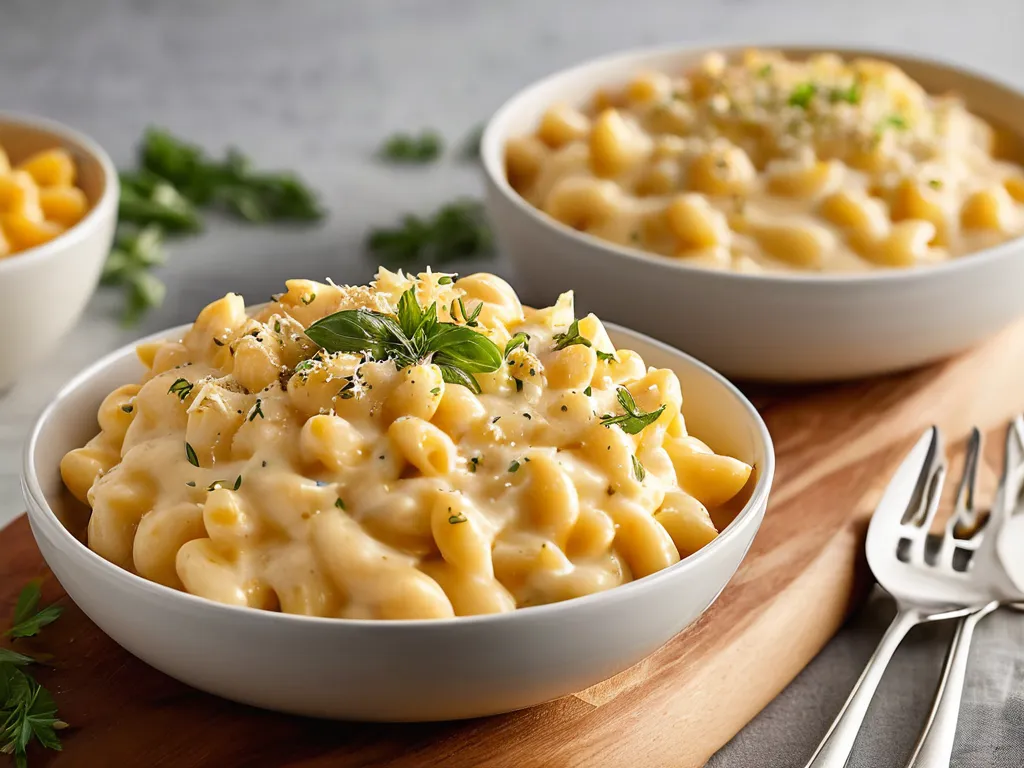
Elbow macaroni is traditional and works perfectly for the dump-and-bake method: its size means it cooks through fully in 45–50 minutes and its shape holds the sauce well. Cavatappi (corkscrew shape) is an upgrade in texture and appearance — larger and ridged, with more sauce capacity, and it looks better in photos. Shell pasta (medium conchiglie) also works. The rules for shape choice in this specific recipe: avoid very thin pasta (angel hair, thin spaghetti) because it will overcook to mush; avoid very large pasta (rigatoni, penne rigate) because it may not cook through fully in the sealed-dish time without being undercooked in the center; avoid fresh pasta entirely because it absorbs liquid far faster than dried pasta and will turn to paste. Stick to small-to-medium dried pasta shapes with some interior volume. Cooking times assume standard dried pasta, not quick-cook or 'ready in 5 minutes' varieties — those will overcook badly.

Love this recipe? Share it!

Free PDF: our 12 most-wanted copycat recipes — instant download.

Made it? Buy us a coffee

Every recipe here is free, with no paywalls. If this one was a hit at your table, a small tip keeps new copycats coming.

$

Ratings & Reviews

—
No ratings yet

Rate this recipe

Click a star to rate

Leave a Review

0/500

CS

Copycat Spices Editorial

Researched + fact-checked. Every recipe on Copycat Spices is built from published sources — official ingredient lists, brand-published recipes, interviews and food-science references — and fact-checked before it goes live, then written as clear, step-by-step instructions for home cooks of all skill levels.

Learn more about our mission →