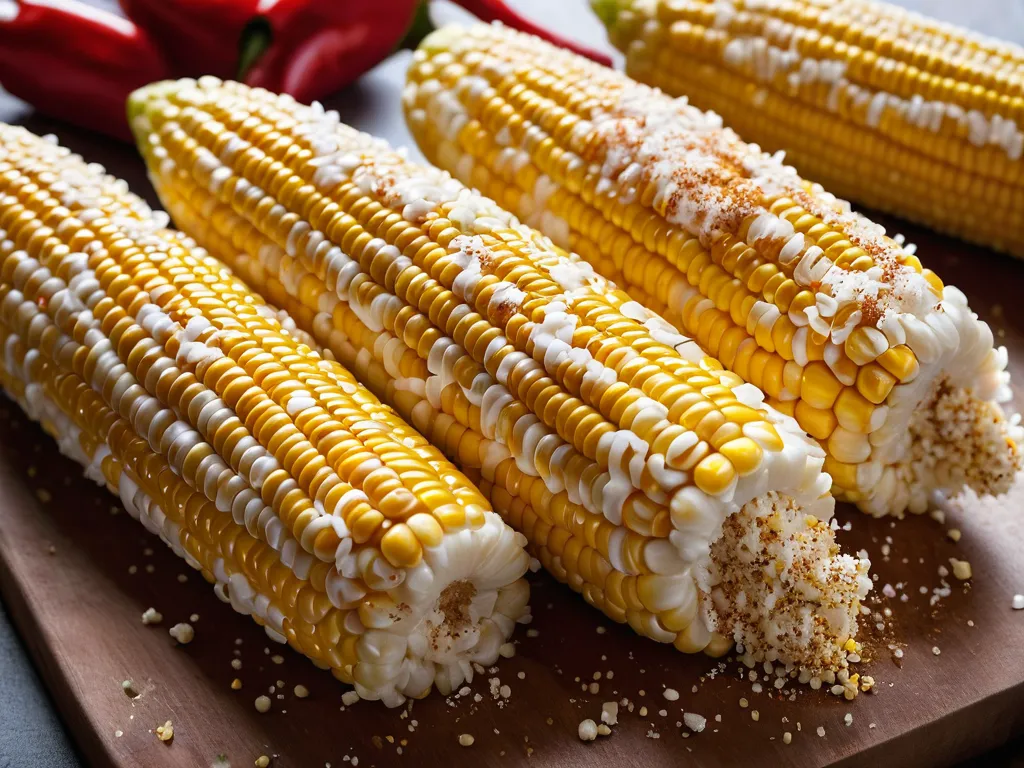
Street Corn Ribs (TikTok’s Curly Corn That Tastes Like Elote)
Prep: 15 min | Cook: 12–15 min (air fryer) | Serves: 4 | Cost: ~$5–7 total vs. $3–5 per ear at a street cart
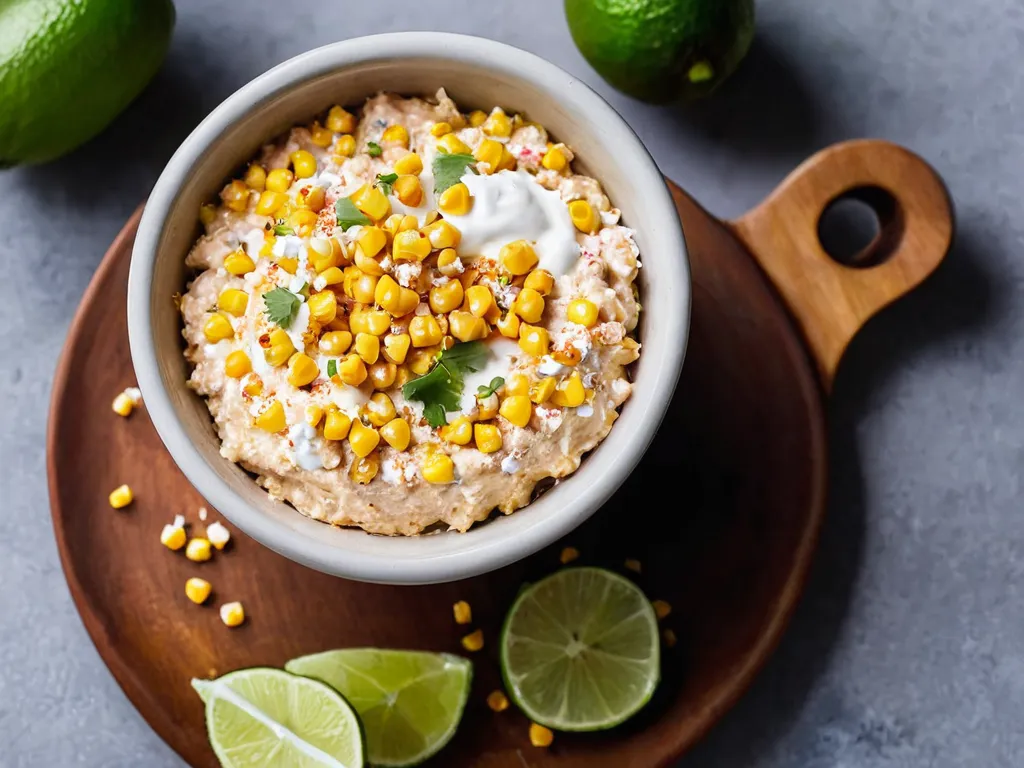
Corn ribs are one of those recipes where the visual hook and the actual flavor are both fully justified. When corn is quartered lengthwise and air fried at high heat, the pieces curl dramatically — the cut faces dry out, the cob bows, and you end up with something that genuinely looks like a rack of tiny ribs. Load them with chili mayo, cotija cheese, and lime and you have the best version of Mexican street corn (elote) you can make without standing over a grill cart.
The concept took off on TikTok in February 2021 when Farrah Jalanbo (@spicednice) posted an air fryer version she developed after seeing “Cajun corn ribs” on an Australian restaurant menu. The video hit 12 million views and launched a food trend — by summer 2021 the hashtag had topped 100 million views. It worked because of what video does for this particular recipe: you watch corn transform on screen in real time, and by the time the toppings go on, you need to make it immediately.
The Cutting Technique — The One Part That Matters
The single reason corn rib recipes fail is the cut. Get this right and everything else is easy.
What you need: A sharp, heavy knife. A chef’s knife works; a cleaver works better. The weight of the blade does the work — a dull or light knife requires pressing hard at an awkward angle, and that’s how accidents happen.
Method 1: Standing cut (most controlled). Stand the husked ear upright on a wet-towel-stabilized board — the damp towel under the board is not optional, it prevents the board from sliding. Trim a thin slice off the bottom if the ear won’t stand flat. Position your knife at the center of the cob with one hand on the handle and the other palm pressing firmly on the top spine of the blade (not below the blade path — never put fingers under the path of the knife). Press straight down in a single decisive motion — do not saw. Once you have two halves, lay each half flat with the cut side down and slice each half in half again through the center. Result: four quarters per ear, roughly 90° each.
Method 2: Flat cut (easier for shorter ears). Lay the ear on its side. Hold it steady at one end. Cut from one end to the other with a single downward rocking motion — the knife tip stays on the board and the heel of the blade presses through. Rotate the halved ear flat and repeat. This works particularly well for shorter, rounder ears.
The cleaver method: If you have one, a heavy cleaver with a mallet tap on the spine (the dull top edge) makes this trivially easy. Position the cleaver at the center, tap once or twice with your palm or a mallet handle, and the cob splits cleanly. Use a damp towel under the cutting board so it doesn’t slip.
How thick? Each quarter should be about a quarter of the cob — roughly a 90° segment. If you try to get 5 or 6 slices from a single ear, the pieces are too thin to hold their shape and too small to develop a good char.
Why Corn Ribs Curl
When a corn quarter hits high heat, the dense cob core loses moisture faster than the kernel side. The cob contracts and bows, while the kernel side (which is higher in moisture and starch) stays slightly more rigid by comparison. The result is the riblet curves: the cut cob faces become the concave inside of the curve, and the kernels arch outward into the distinctive rib shape.
The curl is more dramatic in an air fryer (dry circulating heat accelerates moisture loss from the cob) than in a conventional oven. A grill curls them too, but uneven heat means some pieces curl more than others. The size of the curl depends on how fresh the corn is — fresh summer corn has higher initial moisture content, which drives more differential drying and a more pronounced curve.
Cooking Method Comparison
Air Fryer (Best Results)
400°F for 12–15 minutes, shaking once at the halfway mark (6–7 minutes). Most air fryers land at 12 minutes for standard-sized ears; cook for 14–15 if the ribs are thick or your machine runs cool. The circulating heat removes moisture evenly from all surfaces, which produces better curl, crispier kernel tips, and more char in less time than any other method.
Key rules: put the ribs in kernel-side up (the kernels get direct airflow); cook in a single layer with space between pieces (crowding steams them instead of roasting and kills the curl); and pre-heat the air fryer before the ribs go in.
Oven (Good Alternative)
425°F for 25–30 minutes on a parchment-lined sheet pan, flipping once at 15 minutes. The oven takes longer and curls slightly less because the heat isn’t circulating as aggressively. Compensate by placing the pan on the highest rack, preheating fully, and not crowding the pan. Convection oven shortens the time by about 5 minutes and improves curl.
Position ribs kernel-side up to start. After flipping, they’ll be kernel-side down for the last 10–12 minutes — this is fine, the bottom kernels char and the cob side gets its own roast.
Grill (Best Flavor)
Direct medium-high heat, turning every 3–4 minutes, for 12–15 minutes total. The char from real fire is something the oven and air fryer can’t fully replicate — you’ll see some kernels blister black at the tips and the cob side will pick up grill marks.
Add the toppings off the grill while the ribs are still hot. For a cookout presentation: pile them on a sheet of heavy foil and set out small bowls of toppings so guests finish their own.
The Elote Toppings — What Each Component Does
Mayo vs. Mexican crema: Both work. Mayo is richer (90 cal/tbsp vs. ~30 cal/tbsp for crema) and sticks more assertively to the corn. Mexican crema is thinner and tangier — it spreads more like a glaze and is more traditional on actual elote. If you can’t find Mexican crema, sour cream thinned with a little lime juice is a close substitute. Greek yogurt works too, adding protein and a slightly sharper tang.
Tajín vs. chili powder + lime: Tajín is already a blend of chili powder, lime salt, and dehydrated lime — it simplifies the elote topping to a single ingredient. Plain chili powder gives you a darker, earthier heat without the citrus; you balance it with more fresh lime juice at the end. Both are correct. Don’t use both at once — Tajín already contains lime salt and adding extra salt tips the seasoning over.
Cotija cheese: The non-negotiable component for the classic version. It comes from Cotija, Michoacán — young cotija is crumbly and moist (similar to feta); aged cotija is drier and sharper (closer to Parmesan). Either works for corn ribs. It’s dry enough to press into the mayo surface, where it sticks and stays. Best substitutes in order: Pecorino Romano (closest in saltiness and sharpness, just grate it fine), feta (crumbly, salty, slightly more tangy), queso fresco (more traditional but much milder — use more of it), or finely grated Parmesan (nuttier, less salty, but works). Skip pre-shredded “Mexican blend” — it’s too soft and too mild.
Lime: Squeeze over everything at the very end, after the cheese is on. The acid brightens every other flavor. Don’t skip it.
Cilantro: Optional. Adds freshness and herbal contrast but is polarizing. Leave it on the side if you’re serving a group.
5 Topping Variations
1. Classic Elote (the base recipe)
Mayo or Mexican crema + chili powder or Tajín + cotija + lime + cilantro. The reference point for all other variations.
2. Parmesan-Herb
Brush with garlic butter (2 tbsp melted butter + 1 small clove garlic, grated). Press on finely grated Parmesan. Finish with chopped fresh basil and a squeeze of lemon instead of lime. Pairs well with grilled chicken or fish. Leave out the chili component entirely — this variation goes Italian, not Mexican.
3. BBQ Ranch
Toss the cooked ribs in ½ teaspoon smoked paprika + ½ teaspoon brown sugar + a drizzle of melted butter. Finish with ranch dressing and a few dashes of hot sauce. Serve with extra pickled jalapeños. Works especially well off the grill where the smoke amplifies the BBQ profile.
4. Korean-Style
Mix 2 tablespoons gochujang with 2 tablespoons mayo and ½ teaspoon toasted sesame oil for the sauce. Top with thinly sliced scallions, toasted sesame seeds, and a few drops of rice vinegar. Skip the cotija — finish with a small amount of crumbled feta if you want a cheese component.
5. Nashville Hot
Melt 2 tablespoons butter with 1–2 teaspoons cayenne (adjust to your heat preference), ½ teaspoon smoked paprika, and ½ teaspoon garlic powder. Brush over the hot ribs. Top with pickle slices and a drizzle of honey. Omit the crema and cheese — the butter sauce is rich enough.
Corn Selection and Timing
Fresh summer corn is significantly better than frozen for this recipe. Peak sweet corn season in most of the US runs from July through September, when sugar content is highest before converting to starch. Fresh summer corn will give you the most pronounced curl, sweetest kernels, and best char.
If you’re making these in cooler months with fresh corn from a grocery store (which is typically imported or from a greenhouse), it will still work — just expect slightly less sweetness and curl. Frozen corn on the cob can be used when thawed completely and patted very dry; expect less curl and slightly mushier texture once cooked.
Picking ears: Look for bright green, tightly wrapped husks and silk that’s slightly damp (not dried or black). Peel back the top inch — kernels should be plump and tightly packed with no gaps. Smaller gaps between kernels = the corn was picked too early; large gaps = past its prime.
Make-Ahead
The corn can be cut into ribs and stored in the refrigerator (uncovered on a tray) for up to 8 hours before cooking. Letting the cut surface dry out slightly in the fridge can actually improve curl and charring by removing surface moisture before the ribs hit the heat.
Toppings can all be prepped in advance: mayo/crema sauce mixed and refrigerated, cotija crumbled and kept covered. Apply toppings only after cooking — they don’t hold up to heat.
Cooked corn ribs do not reheat well. The curl relaxes, the cheese melts strangely, and the texture goes soft. Make them fresh.
What to Serve With Corn Ribs
Corn ribs work as a standalone snack or as a side. For a full elote-inspired meal, serve alongside Chipotle’s roasted chili corn salsa as a complementary corn dish. If you’re building an air fryer snack spread, viral crack broccoli uses the same high-heat charring method and pairs well as a contrasting green veggie. For a full vegetable-forward appetizer board, add bang bang cauliflower — same spicy-creamy sauce logic as the elote mayo.
Cost and Serving
Four ears of corn feed four people as a snack or appetizer, or two as a generous side dish. Cost breakdown:
- 4 ears corn: $2–4 (summer farmers markets) to $4–6 (grocery store)
- Mayo, lime, chili powder: ~$0.50 worth of pantry staples
- Cotija (~¼ cup): $1–2 depending on brand and store
Total: roughly $4–8 for four people. A single elote from a street cart or food truck runs $3–5. You’re making four equivalent servings for less than the price of two.