

Pin It

Spatchcock Turkey

Spatchcock Turkey
Jump to Recipe
Prep 20 min (+ optional 24-hr dry brine) Cook 85 min Serves 10-12
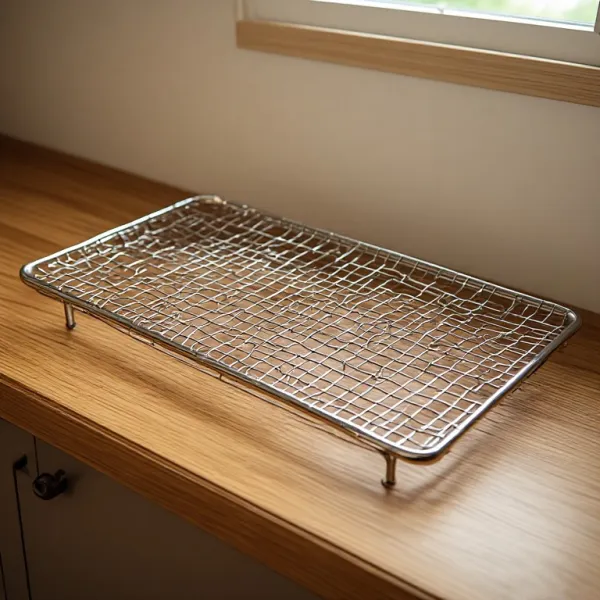
Quick answer: To spatchcock a 12–14 lb turkey: set it breast-side down on a cutting board. Using heavy-duty kitchen shears, cut firmly along both sides of the backbone (one cut each side, from tail to neck) and remove the backbone in one piece — save it for stock. Flip the turkey breast-side up. Use a short knife to make a 1-inch shallow cut into the white cartilage at the top of the breastbone. Press both hands firmly down the center of the breast until you feel a crack and the bird lies completely flat, thighs splayed out. Slide compound butter (4 tablespoons softened butter with garlic, thyme, rosemary, sage, and lemon zest) under the breast and thigh skin. Brush olive oil over all exterior surfaces and season generously with kosher salt, pepper, and smoked paprika. Place breast-side up on a wire rack set over a rimmed half-sheet pan. Roast at 425°F for 75–90 minutes until the breast reads 165°F and the thigh reads 175°F. Rest uncovered 30 minutes before carving.

Shop the tools

Gear matched to this recipe. These are Amazon affiliate links — we may earn a small commission if you buy, at no extra cost to you.

As an Amazon Associate, Copycat Spices earns from qualifying purchases. Product images are generic illustrations, not the exact item listed.

Spatchcock Turkey

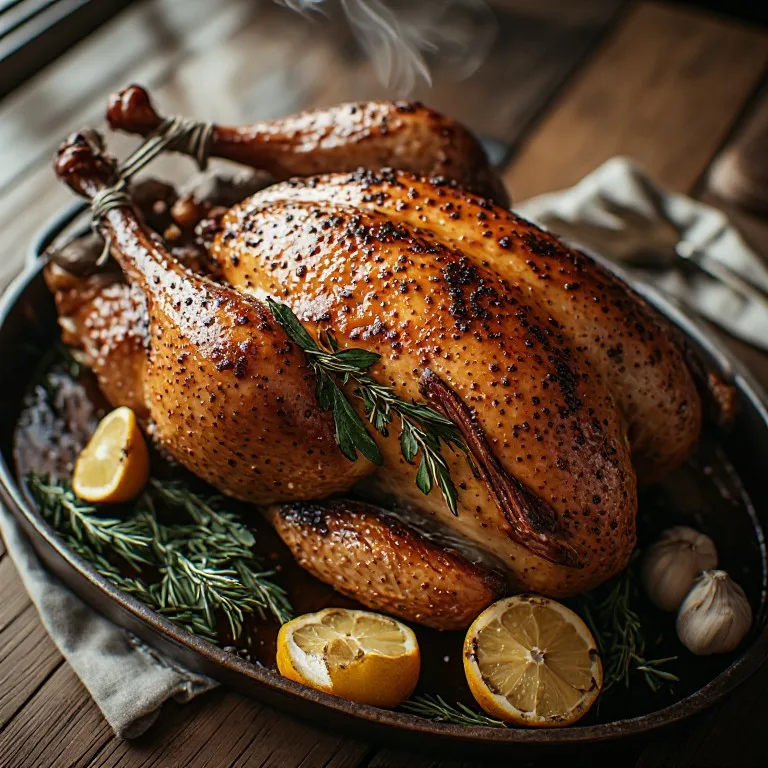
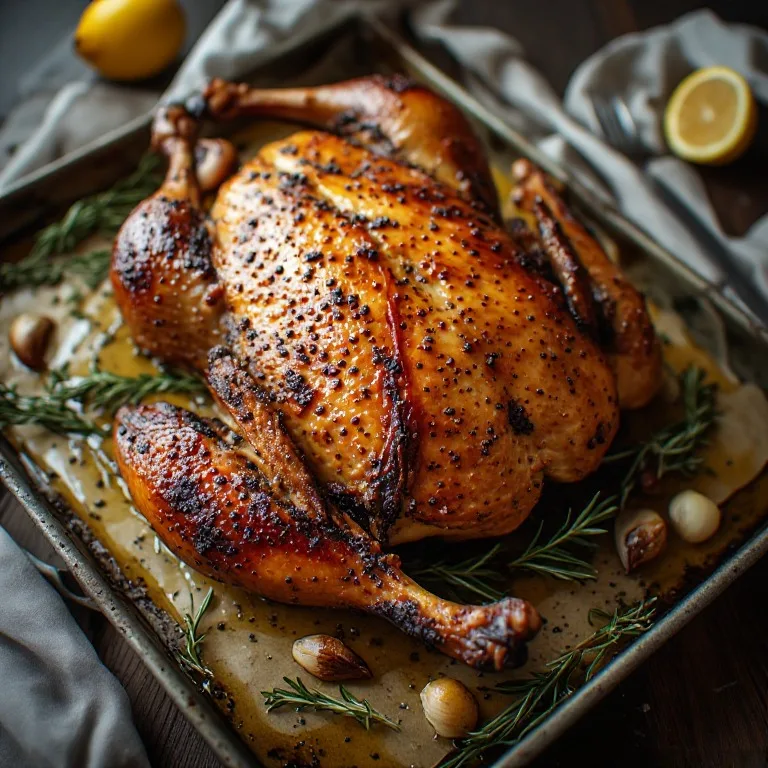
The viral TikTok spatchcock turkey technique that cuts Thanksgiving cooking time from 3.5 hours to 85 minutes: remove the backbone, flatten the bird, roast at 425°F. Every piece finishes at the same time and every surface gets crispy skin.

Intermediate Prep: 20 min (+ optional 24-hr dry brine) Cook: 85 min Total: 1h 45m10-12 servings ~$4.50/serving
Prep20 min (+ optional 24-hr dry brine)
Cook85 min
Total1h 45m
Servings
10
At home~$4.50/serving
vs
Restaurant~$20.25/serving
You save ~78%

The Story Behind the Recipe

The spatchcock technique — removing the backbone and pressing the bird completely flat — has existed in professional kitchens for decades. Restaurant cooks use it for chickens because it cuts cooking time in half and guarantees even cooking. The technique migrated slowly to home kitchens, hampered by one psychological barrier: using kitchen shears to cut out a turkey backbone sounds violent and irreversible. What changed was TikTok. Once creators showed the actual footage — 60 seconds of cutting, a satisfying crack of the breastbone pressing flat, and a bird that looks immediately better organized than any whole trussed turkey — the technique went mainstream. The #spatchcockturkey hashtag generated tens of millions of views in the lead-up to Thanksgiving, and comment sections filled with people who had cooked a flat turkey once and swore they would never go back. The physics argument is simple: a whole trussed turkey is a geometry problem. The breast sits high and exposed, receiving intense direct heat, while the thighs hide underneath in the bird's own shadow. The breast hits 165°F a full 30 to 45 minutes before the thighs do. Every home cook has felt this as overcooked white meat. Flattening eliminates the geometry problem: everything is now the same distance from the heat source and the same approximate thickness. The breast and thigh finish within 10 minutes of each other instead of 45.

The skin improvement is equally dramatic. A whole trussed turkey has only two strips of exposed skin: the top of the breast and a patch of each thigh. Everything else is folded underneath, steaming in the roasting pan's moisture. Spatchcocked, the entire dorsal surface of the bird faces the oven — both breast halves, both thighs, both drumstick tops — all under direct dry heat simultaneously. The result is uniform mahogany-brown, shattering-crispy skin on every piece. The cooking time savings are real: a 14-pound bird that takes 3 hours 30 minutes trussed takes 85 minutes flat. That's two hours of oven time reclaimed on a day when the oven is in constant demand. Restaurant carved turkey platters at Thanksgiving dinners run $35–55 per person. A 14-pound bird at $1.50–$2.50 per pound costs $21–35 total and serves 10–12 people. This recipe adds under $4 in butter and herbs.

Nutrition Facts

Per serving (10-12 servings)
Calories340
Total Fat17g
Total Carbs1g
Dietary Fiber0g
Sugars0g
Protein44g
Sodium580mg

* Estimated values based on standard recipe preparation. Actual values may vary.

Ingredients

  • Turkey
  • Compound butter (goes under the skin)
  • Pan aromatics (optional — generates drippings for gravy)

Instructions

💡
Pro tip: This recipe tastes even better the next day. The flavors need time to meld together in the fridge.
❄️
Storage: Keeps in an airtight container in the fridge for up to 2 weeks. Freezer-friendly for up to 3 months.
🦃 Free Thanksgiving cookbook — download now The Copycat Thanksgiving Cookbook A ready-made, photo-illustrated PDF of our best thanksgiving copycat recipes — free to download, no building required. Pay what you want to support if you love it.

Free PDF — instant download. We'll also send new seasonal copycat recipes now and then; unsubscribe anytime. Or just download it →

The viral TikTok spatchcock turkey earns its millions of views on one promise: a 14-pound bird roasts in about 85 minutes instead of 3½ hours, and every piece — breast, thigh, drumstick — finishes crispy at the same moment. Cut out the backbone, press the bird flat, and roast it hard at 425°F. That’s the whole trick, and it fixes the single most common Thanksgiving failure: dried-out breast meat that overcooks while the thighs catch up.

Spatchcock vs. Whole Roasted Turkey
Whole trussed turkeySpatchcocked turkey
Cook time (14 lb)3 hr 30 min85 min
Oven temperature325°F425°F
Breast vs. thigh finish30–45 min apartwithin 10 min
Crispy skin coveragetop of breast + thigh patchesentire top surface
Carvinglift whole, navigate cavityflat board, joints exposed
Oven footprinttall roasting panone half-sheet pan

The reason is geometry. A trussed bird is tall and lumpy: the breast sits high and exposed while the thighs hide in its shadow, so they cook at wildly different rates. Flattening makes every part the same distance from the heat and roughly the same thickness — which is also why you can safely crank the oven to 425°F for skin that other methods never achieve.

How Long to Roast a Spatchcock Turkey (by Weight)

Roast on the lower-third rack at 425°F. Start checking temperature at the earlier end of each range.

Turkey weightServesRoast time at 425°F
10 lb6–8~65 min
12 lb8–1075 min
14 lb10–1285 min
16 lb12–1495 min

Pull the bird when the thickest part of the breast reads 165°F and the thickest part of the thigh reads 175°F on an instant-read thermometer. Rest it uncovered for 30 minutes — foil would trap steam and undo the crisp skin you just worked for.

The Three Mistakes That Ruin a Spatchcock Turkey
  • Roasting it wet. Moisture is the enemy of crisp skin. Pat the bird bone-dry before it goes in, and never tent it with foil afterward.
  • Opening the oven early. Every door opening drops the temperature and stalls the browning. Leave it shut for the first 60 minutes.
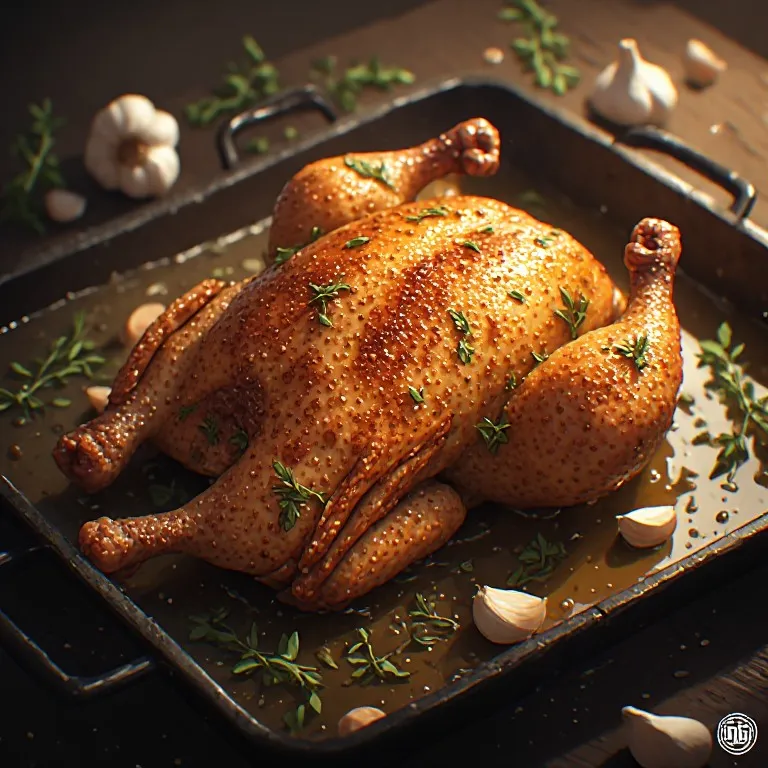
  • Trusting the color instead of the thermometer. Spatchcock skin goes deep mahogany well before the meat is done — that’s the Maillard reaction, not burning. Judge by internal temperature, every time.
🥗

Make It Healthier

Love Spatchcock Turkey but want a lighter version? Try these simple swaps:

  • ✓Eat the white meat without skin: a 4-oz skinless breast serving is about 150 calories and 32g protein — one of the leanest proteins on the Thanksgiving table. The butter under the skin flavors the meat itself, so skinless slices are still well-seasoned, unlike a turkey seasoned only on the surface where removing the skin removes all the flavor.
  • ✓Use 2 tablespoons of compound butter instead of 4. You'll still get herb flavor under the skin and the skin will still crisp with the olive oil. The reduction saves about 60 calories distributed across 12 servings.
  • ✓Portion by weight at the table: a realistic serving is 4–6 oz cooked turkey (about the size of a deck of cards). At a Thanksgiving spread with multiple sides it's easy to unintentionally plate 10–12 oz, doubling your protein calories without noticing.
  • ✓The roasted pan aromatics — onion, celery, carrot, garlic — have absorbed turkey drippings and are deeply savory. Eat them as a vegetable alongside the turkey instead of or in addition to starchy sides.

Frequently Asked Questions

What is spatchcocking and why does it make the turkey cook so much faster?

Spatchcocking (also called butterflying) means cutting out the backbone and pressing the bird flat so it lies in a single even plane. A whole trussed turkey has a fundamental heat-transfer problem: the breast sits high at the top of the bird, fully exposed to the oven's heat, while the thighs are tucked underneath in the bird's own shadow. The breast hits 165°F a full 30–45 minutes before the thighs do — this is why so many Thanksgiving turkeys have overcooked, dried-out white meat. Flattening eliminates this: every part of the bird is now the same distance from the heat source and approximately the same thickness. The breast and thigh finish within 10 minutes of each other. The flat shape also allows the oven to run at 425°F instead of 325°F — low temperatures were necessary for whole birds to prevent the exposed breast from charring before the hidden thigh finished. A flat bird needs no such accommodation and benefits from the aggressive Maillard browning that high heat produces.

Do I need special equipment to cut out the backbone?

Heavy-duty kitchen shears make it easy — about 60 seconds of steady cutting, two cuts total. Standard kitchen scissors slip or require excessive force and may bend. Look for shears with thick, serrated or micro-serrated blades and a spring-loaded hinge (often called 'poultry shears'). A sharp, heavy chef's knife is a usable alternative: set the turkey backbone-side up, align the knife alongside the backbone, and press straight down with a rocking motion, repositioning every 2 inches. A cleaver also works. You're cutting through cartilage and the thin bony connections of the spine — not through solid bone. The only real resistance points are the joints at the very top (near the neck) and bottom (near the tail).

What size turkey works best for spatchcocking?

12 to 14 lbs is the sweet spot: large enough to serve 10–12 people, small enough to lie flat on a standard half-sheet pan with the thighs splayed wide. A 16-lb bird works but may require a roasting pan for width. Anything over 18 lbs is unwieldy — at that size, consider roasting two 10-lb birds side by side, which has the additional advantage of doubling the crispy skin surface and reducing cook time further (two 10-lb birds roast faster than one 18-lb bird). For 6 to 8 people, a 10-lb bird takes about 65 minutes at 425°F.

Can I combine spatchcocking with dry brining for best results?

Yes — this combination produces the single best Thanksgiving turkey. Dry-brine the whole (not yet spatchcocked) turkey: rub 1 tablespoon Diamond Crystal kosher salt plus 1 teaspoon baking powder over every surface, then refrigerate uncovered on a rack for 12 to 24 hours. The salt penetrates the muscle tissue and seasons the meat from the inside; the baking powder raises the skin's pH, accelerating browning and making the surface more porous so moisture escapes faster. On cook day, spatchcock the pre-brined bird and proceed with the recipe, reducing the exterior kosher salt to ½ tablespoon since the bird is already salted. For timing: if brining for 24 hours and your turkey needs 85 minutes of roasting plus 30 minutes of rest, start the brine by 6 PM the night before a 1 PM Thanksgiving dinner.

The skin is very dark — is it burned?

Almost certainly not. Spatchcocked turkey skin at 425°F turns deep amber-to-mahogany brown that looks dramatic and, to anyone accustomed to 325°F whole-bird roasting, might appear overdone. This is the Maillard reaction — the same browning on bread crust and seared steak — fully expressed on the turkey's skin. Actually burned skin smells bitter and acrid; mahogany-brown Maillard skin smells rich and savory. Judge doneness by the thermometer in the meat, not the skin's color. If the wing tips or drumstick ends are getting very dark before the thighs are done, cover only those spots with small squares of foil while leaving the rest of the bird exposed.

How far ahead can I prepare this?

The turkey can be spatchcocked up to 2 days ahead and refrigerated covered. The compound butter can be made 1 week ahead (refrigerated) or 3 months ahead (frozen, wrapped tightly). Apply the butter under the skin no earlier than the morning of cook day — left in contact overnight, the salt in the butter begins drawing moisture to the surface, which can cause uneven browning. The backbone and giblets can be simmered into stock at any point after removing them, up to 3 days before the feast. Do not freeze and re-thaw a previously fresh turkey after spatchcocking.

Love this recipe? Share it!

Free PDF: our 12 most-wanted copycat recipes — instant download.

Made it? Buy us a coffee

Every recipe here is free, with no paywalls. If this one was a hit at your table, a small tip keeps new copycats coming.

$

Ratings & Reviews

—
No ratings yet

Rate this recipe

Click a star to rate

Leave a Review

0/500

CS

Copycat Spices Editorial

Researched + fact-checked. Every recipe on Copycat Spices is built from published sources — official ingredient lists, brand-published recipes, interviews and food-science references — and fact-checked before it goes live, then written as clear, step-by-step instructions for home cooks of all skill levels.

Learn more about our mission →