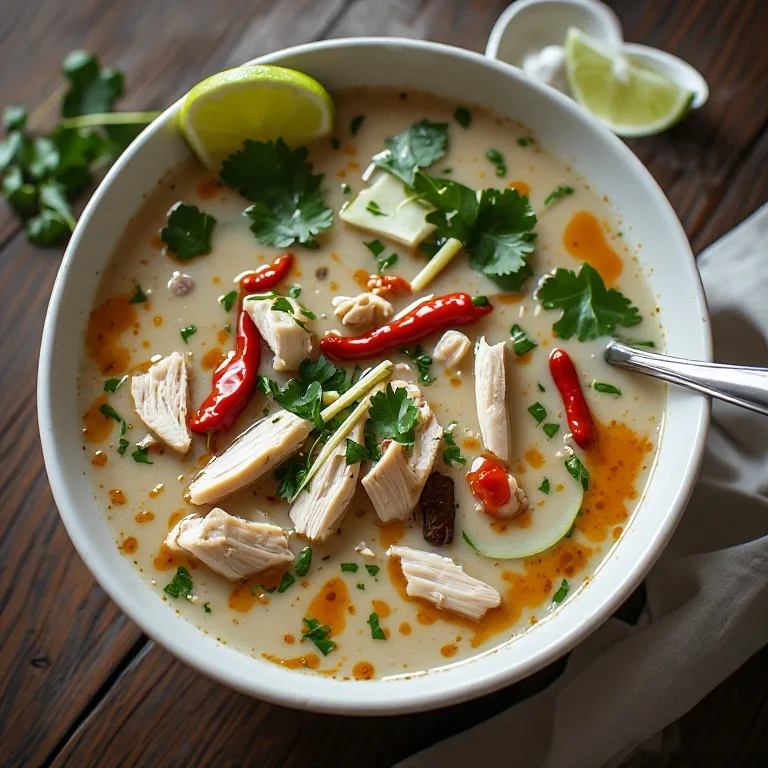



Tom Kha Soup is a Thai coconut chicken soup built on galangal, lemongrass, makrut lime leaves, and full-fat coconut milk — aromatic, creamy, mildly spiced, and ready in 35 minutes. The TikTok version went viral because it looks and smells like a dish that took hours and costs $16 at a restaurant, but is genuinely straightforward to make at home with ingredients from any Asian grocery store (and substitutions for everything if you can’t find them). This recipe covers the authentic technique, why each ingredient matters, and exactly how to nail the flavor balance the first time.
Where Tom Kha Comes From
Tom Kha Gai originated in Central Thailand, where coconut plantations made coconut milk a daily kitchen staple. The earliest recorded version dates to around 1890, when it appeared in a Thai recipe book as Tom Kha Pet — made with duck. Chicken replaced duck as the standard protein over time and became the version the world knows. The dish went viral on TikTok not because someone invented a new trick, but because video gave a global audience a reason to try something Southeast Asian home cooks have been making for over a century: the fragrant steam off the pot, the ivory-gold broth, and the ASMR of lemongrass cracking against the cutting board all earn their views.
Why Galangal Is Not Ginger (and Why It Matters)
Galangal looks like a younger, knobby version of ginger — same family, same general shape — but tastes almost nothing like it. Ginger is spicy and warm. Galangal is citrusy, slightly piney, and has a medicinal edge that some people describe as camphor-adjacent. It does not make your mouth burn the way ginger does; it makes the broth smell like a Thai kitchen.
In Tom Kha, galangal’s job is to provide the aromatic backbone. It’s never eaten — it’s too fibrous to chew — but after 8 minutes of simmering in the chicken broth, it has given the liquid something that no other ingredient replicates. The soup is named after it for a reason.
Where to find it: Asian grocery stores reliably carry galangal, often in the freezer section (frozen galangal works perfectly — slice it while partially frozen). Some Whole Foods carry it fresh. Online mail-order is also easy.
The substitute: Fresh ginger at about ⅔ the amount — galangal’s flavor is stronger and more assertive, so ginger needs to be slightly dialed back. For this recipe’s 2 oz of galangal, use about 1⅓ oz of ginger. Add ¼ teaspoon of lime zest alongside it to partially approximate galangal’s pine-citrus note. The soup will be warm and gingery rather than citrusy and piney — still excellent, just a different character.
The Three-Aromatic Rule: Bruise Everything
The galangal, lemongrass, and makrut lime leaves all release their aromatic oils through physical damage, not just heat.
Galangal: slice thin (⅛ inch) — surface area is how it infuses.
Lemongrass: peel back the dry outer layers, then bruise each stalk hard with the side of a heavy knife along the bottom third. Hit it until it cracks and bends. Cut into 2-inch pieces. An unbruised lemongrass stalk releases maybe 20% of the flavor of a properly bruised one.
Makrut lime leaves: tear each leaf in half along the central rib. The tear ruptures the oil glands on the leaf surface and releases the floral-citrus compounds into the broth. Whole untorn leaves contribute much less.
This prep takes 5 minutes. The 8-minute broth infusion that follows is where most of the flavor in the soup is built.
Adding Coconut Milk: The One Rule You Cannot Break
Coconut milk is an emulsion. At a gentle simmer it is stable and silky. At a hard rolling boil it breaks — the fat separates from the liquid, rising as oil on top while the broth turns thin and slightly grainy below. Once broken, it cannot be fixed.
The protocol:
- Cook the chicken all the way through before the coconut milk goes in — use the broth heat to do that work.
- Add both cans of coconut milk and reduce to medium-low.
- Warm until steaming and very gently bubbling at the edges — 3 to 4 minutes.
- Season and serve immediately.
Do not walk away from the pot after step 2. It does not need to simmer for ten minutes with the coconut milk in it. It just needs to be hot.
The Flavor Balance: Fish Sauce, Lime, Sugar
Thai soups are balanced across four elements: salty (fish sauce), sour (lime juice), sweet (palm sugar), and spicy (chilies). Tom Kha is mild on spice and leans toward salty-sour-sweet.
Fish sauce is the salt. Two tablespoons is the starting point — it provides sodium plus umami depth that plain salt cannot replicate. Add more in small increments at the end; it is easier to add than remove.
Lime juice is the brightness. It must go in off heat — lime juice becomes flat and bitter when cooked. Add it at the very end, after the pot comes off the flame. Three tablespoons is the baseline; adjust to your taste.
Palm sugar (or brown sugar) is the anchor. One teaspoon cuts the sharpness of the lime without making the soup sweet — you will not taste “sugar,” you will taste balance. Leave it out and the soup can feel one-dimensional.
Taste the broth after seasoning and adjust one element at a time. If it tastes flat, add lime. If it tastes sharp, add a pinch more sugar. If it lacks depth, add a few drops more fish sauce.
What to Do with the Aromatics in the Bowl
In Thailand, the galangal coins, lemongrass pieces, and lime leaves are traditionally left in the soup when it’s served — you encounter them in the bowl and move them aside as you eat. They are not a garnish to remove before serving; they are part of the visual identity of the dish.
If you’re serving guests unfamiliar with Thai soups, a simple heads-up helps: “The lemongrass pieces, galangal coins, and dark green leaves are aromatic — they’re not meant to be eaten, just push them to the edge of the bowl.” That’s all anyone needs to know.
Serving and Variations
With jasmine rice: the traditional pairing. The rice absorbs the coconut broth and makes it a full meal. Cook it while the broth infuses.
Tom Kha with shrimp (Tom Kha Goong): skip the chicken entirely and add 1½ lbs of large peeled shrimp in the last 2 minutes of simmering before the coconut milk. Shrimp cook very fast — 2 minutes is enough; they will continue cooking from residual heat.
Vegetarian Tom Kha: press and cube 14 oz of extra-firm tofu, double the mushrooms, swap chicken broth for vegetable broth, and replace fish sauce with soy sauce (1½ tbsp) plus ½ tsp rice vinegar. All of the aromatic character stays — the galangal and lemongrass are what define this soup.
Leftovers: the broth actually improves overnight in the fridge as the aromatics continue to infuse. Reheat gently over medium-low heat; never boil. Add the lime juice fresh each time — don’t carry over lime-seasoned leftovers, as the juice turns flat and slightly bitter after sitting.
Cost Breakdown
Two cans of full-fat coconut milk ($4), 1½ lbs of chicken thighs ($6), mushrooms ($3), and the aromatics — lemongrass, galangal, makrut lime leaves, chilies ($4 total at an Asian grocery) — brings the whole pot to about $17, or just over $4 per bowl. At a Thai restaurant in New York, the same bowl runs $15–18.
Related Recipes
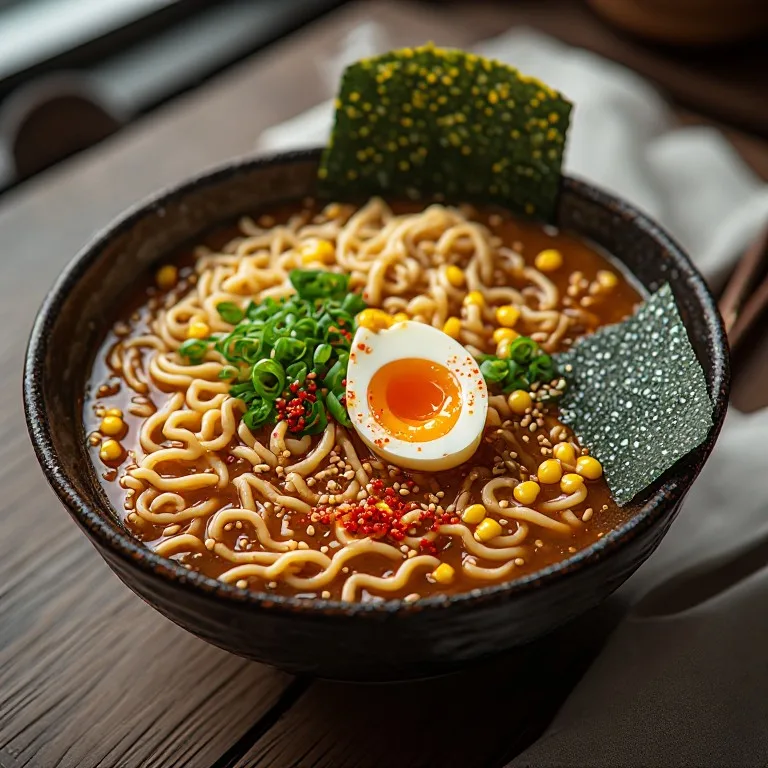
- Viral TikTok Spicy Miso Ramen — the Japanese comfort soup equivalent: deeply savory, warming, and under 40 minutes at home
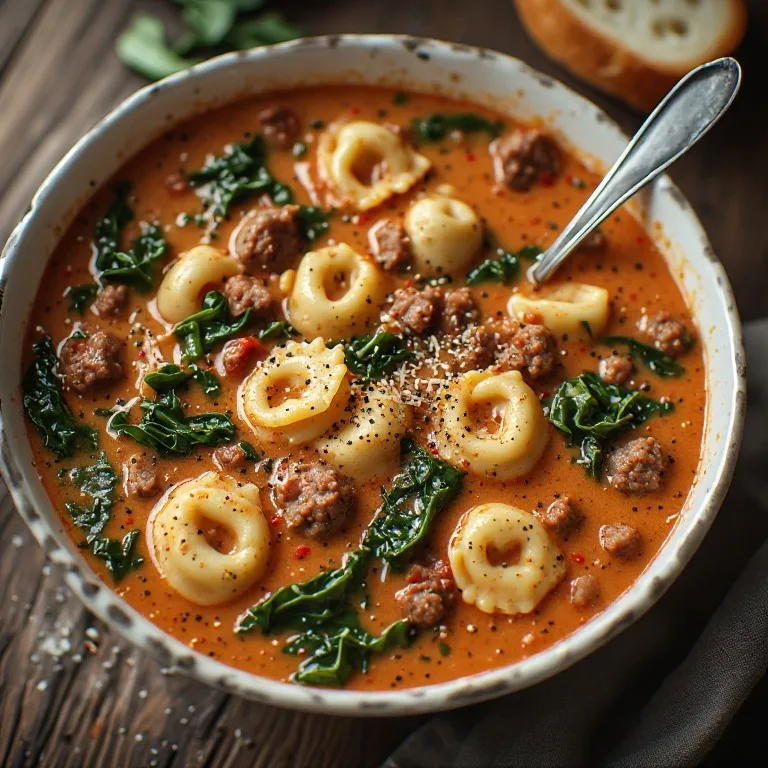
- Viral TikTok Sausage Tortellini Soup — a rich, hearty Italian-American take on the same creamy-broth-with-protein format
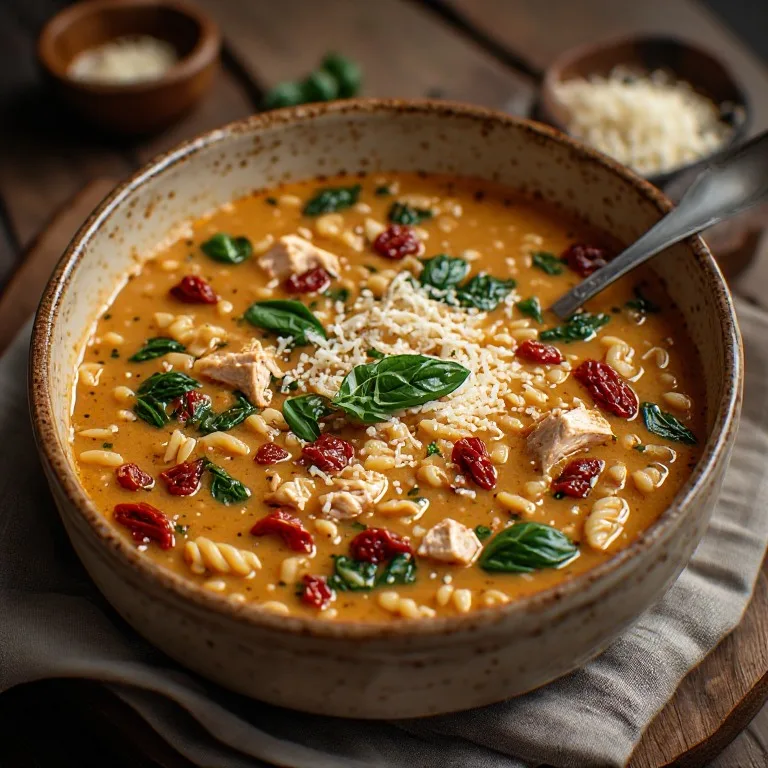
- Viral TikTok Marry Me Chicken Soup — the sun-dried tomato cream soup version of the marry-me formula, with the same weeknight ease
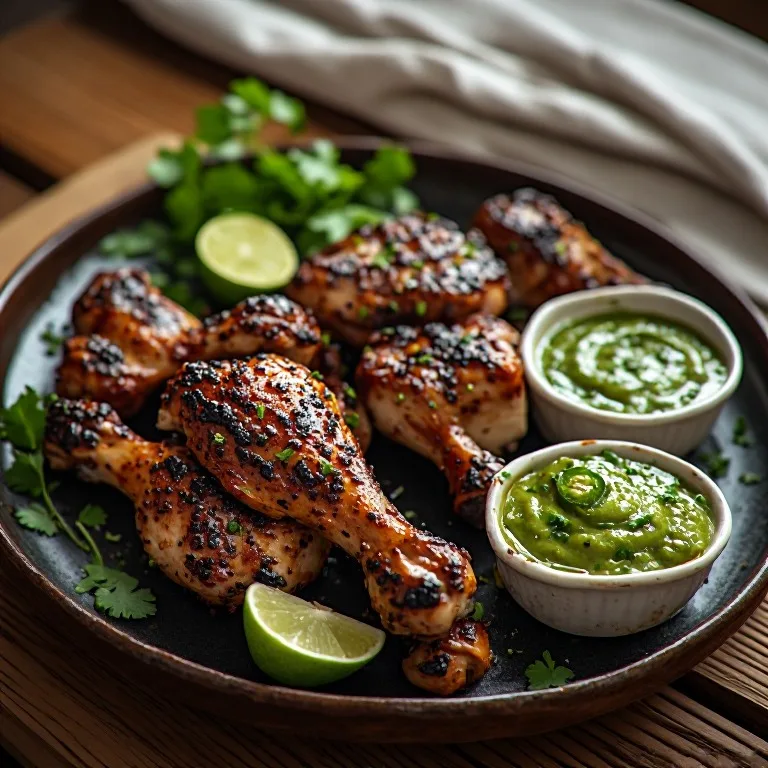
- Viral TikTok Peruvian Chicken — another deeply-spiced, fragrant poultry dish that went viral for delivering restaurant flavor at home
- Viral TikTok Sausage Gnocchi Soup — pillowy gnocchi in a spiced, creamy broth; the Italian-American comfort food pick for the same cold-night occasion