

Pin It

Viral TikTok Peruvian Chicken (Pollo a la Brasa at Home, with Aji Verde)

Viral TikTok Peruvian Chicken (Pollo a la Brasa at Home, with Aji Verde)
Jump to Recipe
Prep 15 min (plus overnight marinade) Cook 45 min Serves 4
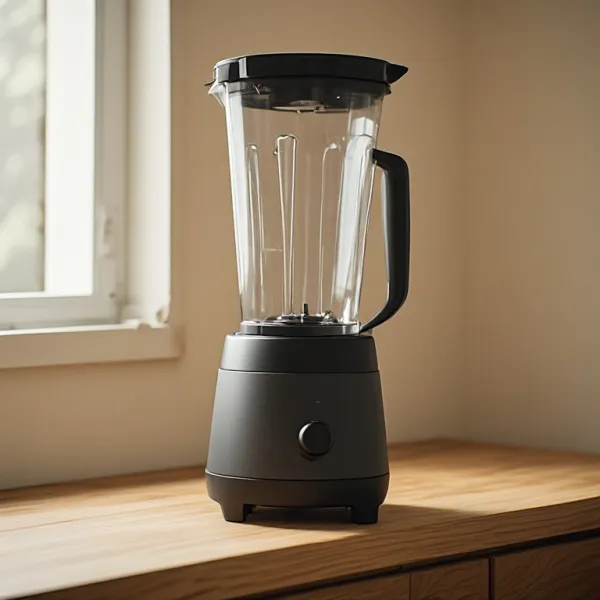
Quick answer: Blend 2 tablespoons aji panca paste, 1 tablespoon aji amarillo paste, 4 cloves garlic, 2 tablespoons soy sauce, 2 tablespoons lime juice, 1 tablespoon olive oil, 1 teaspoon cumin, 1 teaspoon smoked paprika, 1 teaspoon oregano, and 1 teaspoon salt until smooth. Coat 3 to 4 pounds of bone-in, skin-on chicken pieces thoroughly, cover, and refrigerate at least 4 hours — overnight is better. When ready to cook, pull the chicken from the fridge 30 minutes ahead. Roast skin-side up on a rack at 425°F for 40 to 45 minutes, until the skin is mahogany-brown and the thickest part reads 165°F. While it roasts, blend 1 cup cilantro, 2 jalapeños, 2 cloves garlic, 3 tablespoons mayo, 2 tablespoons lime juice, 1 tablespoon aji amarillo paste, and a pinch of salt until smooth — this is the aji verde. Rest the chicken 5 minutes and serve with the green sauce alongside.

Viral TikTok Peruvian Chicken (Pollo a la Brasa at Home, with Aji Verde)

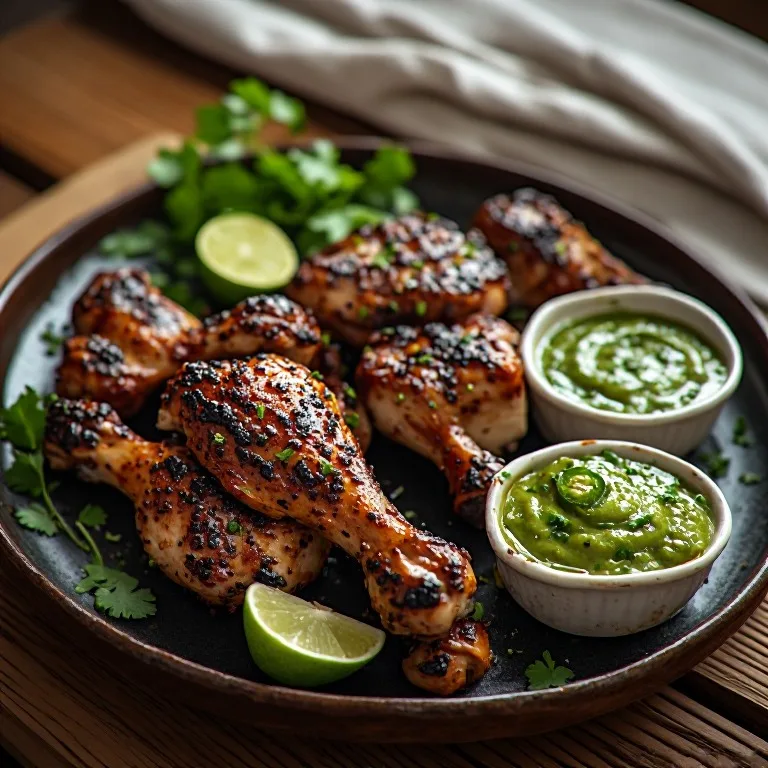
The Peruvian rotisserie chicken taking over FoodTok — deeply marinated overnight in aji panca, aji amarillo, soy sauce, cumin, and garlic, then roasted until the skin goes mahogany-dark and the meat stays impossibly juicy. Served with a five-minute creamy green sauce (aji verde) that makes the whole thing. Oven or grill, bone-in pieces or whole bird.

Easy Prep: 15 min (plus overnight marinade) Cook: 45 min Total: 1h 0m4 servings ~$4.50/serving
Prep15 min (plus overnight marinade)
Cook45 min
Total1h 0m
Servings
4
At home~$4.50/serving
vs
Restaurant~$20.25/serving
You save ~78%

The Story Behind the Recipe

The Peruvian rotisserie chicken taking over FoodTok — deeply marinated overnight in aji panca, aji amarillo, soy sauce, cumin, and garlic, then roasted until the skin goes mahogany-dark and the meat stays impossibly juicy. Served with a five-minute creamy green sauce (aji verde) that makes the whole thing. Oven or grill, bone-in pieces or whole bird.

Nutrition Facts

Per serving (4 servings)
Calories420
Total Fat28g
Total Carbs5g
Dietary Fiber1g
Sugars1g
Protein36g
Sodium780mg

* Estimated values based on standard recipe preparation. Actual values may vary.

Ingredients

  • For the chicken
  • Marinade
  • Aji verde (green sauce)

Instructions

💡
Pro tip: This recipe tastes even better the next day. The flavors need time to meld together in the fridge.
❄️
Storage: Keeps in an airtight container in the fridge for up to 2 weeks. Freezer-friendly for up to 3 months.
🎃 Free Halloween cookbook — download now The Copycat Halloween Cookbook A ready-made, photo-illustrated PDF of our best halloween copycat recipes — free to download, no building required. Pay what you want to support if you love it.

Free PDF — instant download. We'll also send new seasonal copycat recipes now and then; unsubscribe anytime. Or just download it →

Peruvian chicken — pollo a la brasa — has spent the better part of the last year cascading through FoodTok, and the reason is simple: it is deeply, specifically flavored in a way that plain roast chicken is not, it requires minimal active effort, and the aji verde green sauce that goes with it is one of those condiments people immediately start putting on everything else in their refrigerator.

The dish dates to 1950, when Swiss immigrant Roger Schuler developed it at the Granja Azul restaurant in Chaclacayo, outside Lima. It became so central to Peruvian culture that in 2010 the government declared the third Sunday of July the official Día del Pollo a la Brasa (National Rotisserie Chicken Day). The TikTok versions are real cooking, not a trend-driven distortion: the combination of aji panca, aji amarillo, garlic, soy sauce, cumin, and lime is genuinely what goes into the marinade at any pollería in Lima.

The TL;DR: blend the marinade, coat the chicken, leave it overnight, roast at high heat until the skin goes dark and the meat pulls from the bone, blend five ingredients into the green sauce. That is it.

The Two Aji Pastes and Why Both Matter

Most Western copycat recipes either skip aji panca (harder to find, less familiar) or treat the two pastes as interchangeable. They are not, and using only one produces a recognizably incomplete version of the dish.

Aji panca is a deep red-brown dried chile with a low heat level, a smoky quality, and a fruity richness that is closer to ancho or guajillo than to anything hot. It is responsible for the dark mahogany color of the finished skin and contributes the smoky backdrop that makes the chicken taste like it came off a charcoal rotisserie even when made in an oven.

Aji amarillo is the other essential Peruvian chile — bright orange-yellow, with noticeably more heat and a very distinctive fruity, slightly tropical flavor. It appears in both the marinade and the aji verde. It is what gives the dish brightness and the sauce its characteristic heat.

Together, they create the flavor profile that people mean when they describe pollo a la brasa as tasting “unlike any other roast chicken.” Use both.

Soy Sauce Is Not a Shortcut — It Is the Dish

The first objection people raise when they see soy sauce in a Peruvian chicken recipe: “Is this authentic, or is someone doing a fusion thing?”

It is authentic. Peru received large waves of Chinese immigration starting in the 1850s, when laborers came to work coastal sugar and cotton plantations, followed by significant Japanese immigration beginning in the 1890s. The culinary integration was deep and lasting. Peruvian-Chinese cooking (Chifa) is a recognized national cuisine — there are more Chifa restaurants in Peru than any other food category. Peruvian-Japanese cooking (Nikkei) is celebrated internationally. Soy sauce has been part of Peruvian cooking for well over a century. It is in the marinade because it belongs there, not because someone thought it would be clever.

What soy sauce does in this recipe: it adds salt that penetrates muscle faster than table salt does, it contributes umami that amplifies the savory qualities of the aji pastes, and it contains sugars that help the skin caramelize and go dark during roasting. Recipes that omit it in the name of “keeping it traditional” are, ironically, less traditional.

The Overnight Marinade Is Not Optional

Four hours produces decent results. Overnight produces what the dish is supposed to taste like.

The reason is geometry: bone-in chicken thighs and drumsticks are thick, and marinade moves slowly through muscle. At one hour, the flavor is on the surface and barely into the outer layer. At four hours, you have reached the outer meat. At twelve hours, the marinade has penetrated near the bone, and the meat changes color — a faint pink from the aji pigments reaching the center of the thigh. That interior flavor is what makes someone try this recipe and immediately understand why Peru gives this chicken its own day on the calendar.

Practical fix if you are short on time: score the pieces aggressively with a sharp knife (3 to 4 deep slashes per piece, all the way to the bone). The additional surface area lets the marinade move in from multiple directions rather than just from the outside. Four hours with scored pieces does most of what overnight does with unscored pieces.

High Heat and Dark Skin

The temptation with a marinade this dark is to assume the skin is burning when the oven does its job. It is not.

The mahogany-to-near-black color on authentic pollo a la brasa skin is caused by the sugars in the aji pastes caramelizing and the proteins in the soy sauce browning under high heat — the same Maillard reactions that make browned meat taste better than gray meat. This is not charring; it is concentration of flavor into the skin. The interior stays juicy because the leg and thigh are among the most forgiving cuts of chicken — they tolerate heat that would dry out a breast.

Roast at 425°F. If the skin is browning significantly in the first 20 minutes (not darkening slowly — actively going very dark), the marinade had extra sugar from a particular brand of paste; tent loosely with foil and continue. The internal temperature at the thickest point of the thigh is 165°F. That is done.

The Four Failure Modes

1. Chicken tastes flat or one-dimensional. Likely cause: marinated for under 2 hours without scoring, or one of the aji pastes was skipped. The marinade needs time to work, and both chiles serve distinct roles that cannot be replicated by using extra amounts of one.

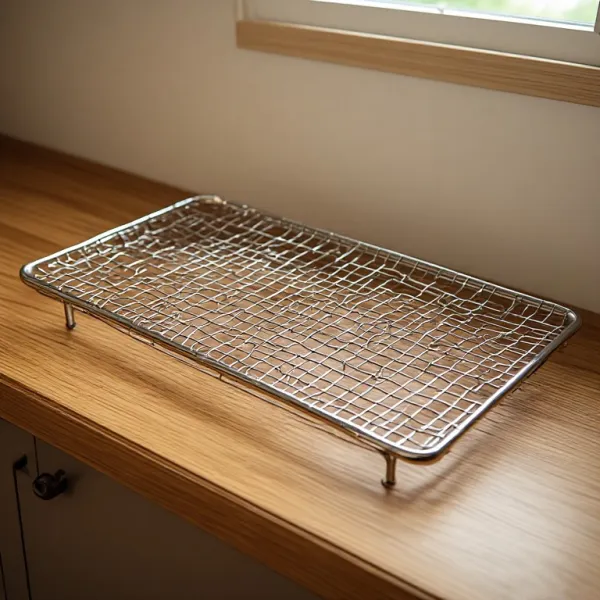
2. Skin is pale and soft, not dark and crisp. The chicken went into the oven cold (directly from the refrigerator), or it was placed in a dish rather than on a rack. Cold chicken lowers the oven temperature and slows browning. A baking dish traps steam under the pieces. Rest the chicken at room temperature for 30 minutes and use a rack.

3. Aji verde is too thin. Add one more tablespoon of mayonnaise and blend again. Alternatively, add a small piece of avocado — half a small ripe avocado will thicken and richly enrich the sauce, which is a common variation.

4. The green sauce tastes bitter. Cilantro stems (use only the leaves and tender tops) or over-blended jalapeño seeds. Add more lime juice and salt, which suppress bitterness.

What to Serve With It

The traditional plate at a Peruvian pollería: french fries (crispy, unseasoned — a plain vehicle for the aji verde), a simple salad of tomato slices, avocado, and raw onion dressed with red wine vinegar and salt, and extra green sauce on the side.

The combination is not accidental: the cold salad and acidic dressing balance the warm, rich chicken; the fries give you something to drag through the sauce. The aji verde is the connective tissue of the plate — it goes on everything.

Leftover aji verde is exceptional on scrambled eggs, grilled corn, roasted sweet potato, and as a spread on sandwiches. It keeps 4 days refrigerated and the flavor actually improves by day two.

How This Compares to Other Marinated Chicken Recipes on FoodTok

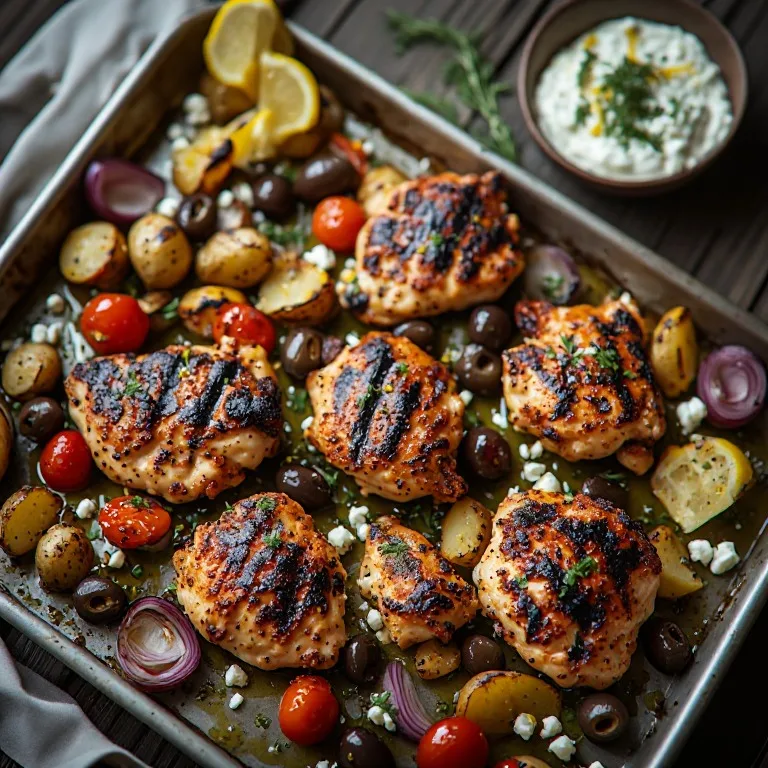
This is not Greek Chicken — that uses lemon, olive oil, and herbs for a bright, Mediterranean flavor without any chile heat. The cooking method is similar (bone-in, high heat) but the flavor profiles are completely different.

Marry Me Chicken is a cream sauce dish cooked entirely on the stovetop — different category entirely. Honey Garlic Chicken is sweet and mild where this is smoky and complex. Air Fryer Chicken Thighs produces crispier skin faster but cannot replicate the specific coloring and crust that the aji sugars build in a high oven.

The closest comparison in technique is any other overnight-marinated bone-in chicken recipe, but the flavor destination is entirely specific to Peruvian cooking — nothing else in the FoodTok canon tastes like this.

Storage

Cooked chicken keeps refrigerated up to 4 days. It reheats well in a 375°F oven for 10 to 12 minutes until warmed through — the skin re-crisps partially, better than microwave reheating which steams the skin soft. The marinade can be made up to 3 days ahead and stored in the refrigerator; it holds well.

Aji verde keeps 4 days refrigerated. It does not freeze well — the cilantro blackens and the mayo separates. Make it fresh.
🥗

Make It Healthier

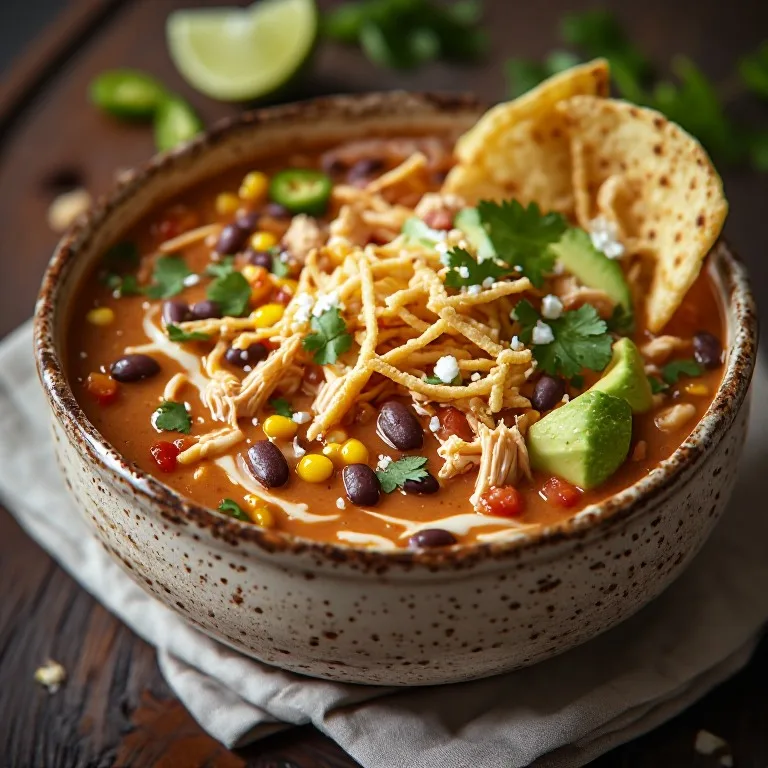
Love Viral TikTok Peruvian Chicken (Pollo a la Brasa at Home, with Aji Verde) but want a lighter version? Try these simple swaps:

  • ✓Remove the skin before eating — the marinade penetrates the meat during the overnight soak, so much of the flavor is in the muscle, not just the skin. Removing skin after cooking eliminates roughly 100 calories and 10g of fat per piece without losing the seasoning.
  • ✓Make the aji verde with Greek yogurt instead of mayonnaise for significantly lower fat — 3 tablespoons of full-fat Greek yogurt replaces the mayo and the sauce stays creamy. Add an extra teaspoon of olive oil to preserve the emulsified texture.
  • ✓Serve over cauliflower rice or alongside roasted vegetables instead of french fries for a complete lower-carb plate. The aji verde is especially good as a dipping sauce for roasted broccoli or zucchini.

Frequently Asked Questions

Where do I find aji panca and aji amarillo paste?

Most Latin grocery stores carry both — they are staples of Peruvian and broader South American cooking. Look for them in small jars or cans in the international aisle. Amazon carries several reliable brands (Goya and Inca's Food are widely available). In a pinch, aji amarillo paste is more commonly stocked than aji panca, which may take a trip to a specialized store. If you absolutely cannot find aji panca: substitute 1.5 tablespoons of ancho chile paste (blend dried ancho chiles soaked in hot water) plus 1/2 teaspoon smoked paprika. The flavor is not identical but the smoky-fruity profile is in the same neighborhood. Do not substitute chipotle — it is too smoky and adds a wrong flavor profile. Skip the panca entirely and double the amarillo only as a last resort.

Why does the recipe use soy sauce? Is that authentic?

Yes — entirely. Soy sauce has been an ingredient in Peruvian cooking for well over a century, not a modern shortcut. Peru received significant waves of Chinese immigration starting in the 1850s (Chinese coolies who came to work on coastal plantations) and Japanese immigration in the 1890s, and the culinary integration was deep and lasting. Peruvian-Chinese cooking (Chifa) and Peruvian-Japanese cooking (Nikkei cuisine) are now recognized as distinct culinary traditions, not fusion novelties. Soy sauce in pollo a la brasa marinade is Peruvian — recipes that leave it out in the name of authenticity are actually less authentic.

Do I really need to marinate overnight? Can I do 1 hour?

One hour gives you soy sauce on the surface and some penetration into the outer layer. Overnight gives you seasoning near the bone, a noticeably different interior color, and more deeply seasoned meat even after the skin is removed. The critical variable is that bone-in chicken is thick — the marinade diffuses slowly through the muscle. If you only have 2 to 3 hours, score the chicken more aggressively (4 to 5 slashes per piece, deep to the bone) to increase surface area and get the marinade further in. For a whole chicken, butterfly (spatchcock) it: the flattened bird exposes more meat surface and 4 hours then does roughly what overnight does for intact pieces.

What is huacatay and is it worth finding?

Huacatay (Tagetes minuta, sometimes called black mint or Andean mint) is a flowering herb native to the Andes with a flavor that sits between spearmint, basil, and tarragon — slightly minty, slightly anise-like, with a cooling finish. It is used widely in Peruvian cooking and is one of the two things (along with aji amarillo) that make pollería-style aji verde taste distinctly Peruvian rather than just a jalapeño-cilantro sauce. Most Latin grocery stores carry it as a paste (the paste form is the same ingredient, just easier to find in the US). If you get it, use 1 tablespoon in the aji verde. It is genuinely worth tracking down once — the difference is noticeable.

Can I grill instead of roast?

Yes — grilling is actually closer to the original rotisserie method. Set up a two-zone fire: high heat on one side, no coals or turned-off burner on the other. Sear the chicken skin-side down over direct heat for 4 to 5 minutes until it releases and has some char marks, then move to indirect heat, cover the grill, and cook at 375 to 400°F until the thickest part reads 165°F — about 30 to 35 more minutes for thighs and drumsticks. The grill adds char notes that the oven cannot replicate and produces noticeably better skin texture. Baste with any remaining marinade during the indirect phase.

My aji verde is bitter. What went wrong?

Cilantro stems or over-blended jalapeño seeds are the most common causes. Use only the leaves and very tender stems of the cilantro — the thick lower stems are bitter. If your jalapeños are large or older, remove the seeds and white pith (where most of the capsaicin and some bitterness concentrates) before blending. If the sauce is already made and tastes bitter, add an extra tablespoon of lime juice and a pinch of salt — acid and salt suppress perceived bitterness. A small amount of honey (1/2 teaspoon) also helps if it is very pronounced.

How is this different from Greek chicken or other marinated roast chicken recipes?

The flavor profile is entirely different. Greek chicken gets its character from lemon, oregano, garlic, and olive oil — bright, Mediterranean, no heat. Peruvian chicken is built around the fruity-smoky heat of dried aji chiles and the soy umami that makes the marinade penetrate differently. The skin color is also characteristic — Greek chicken roasts golden-brown, Peruvian chicken goes mahogany to nearly black in spots from the sugars in the aji pastes caramelizing against high heat. The aji verde is also unlike any Mediterranean sauce — it is creamy, spicy, and has a cooling herb note that exists specifically to balance the chile heat in the chicken.

Love this recipe? Share it!

Free PDF: our 12 most-wanted copycat recipes — instant download.

Made it? Buy us a coffee

Every recipe here is free, with no paywalls. If this one was a hit at your table, a small tip keeps new copycats coming.

$

Ratings & Reviews

—
No ratings yet

Rate this recipe

Click a star to rate

Leave a Review

0/500

CS

Copycat Spices Editorial

Researched + fact-checked. Every recipe on Copycat Spices is built from published sources — official ingredient lists, brand-published recipes, interviews and food-science references — and fact-checked before it goes live, then written as clear, step-by-step instructions for home cooks of all skill levels.

Learn more about our mission →