

Viral TikTok Tortilla Quiche Bake — High-Protein Breakfast You Can Hold Like a Slice
Prep: 10 min | Cook: 30 min | Serves: 2 | Protein per serving: ~30g
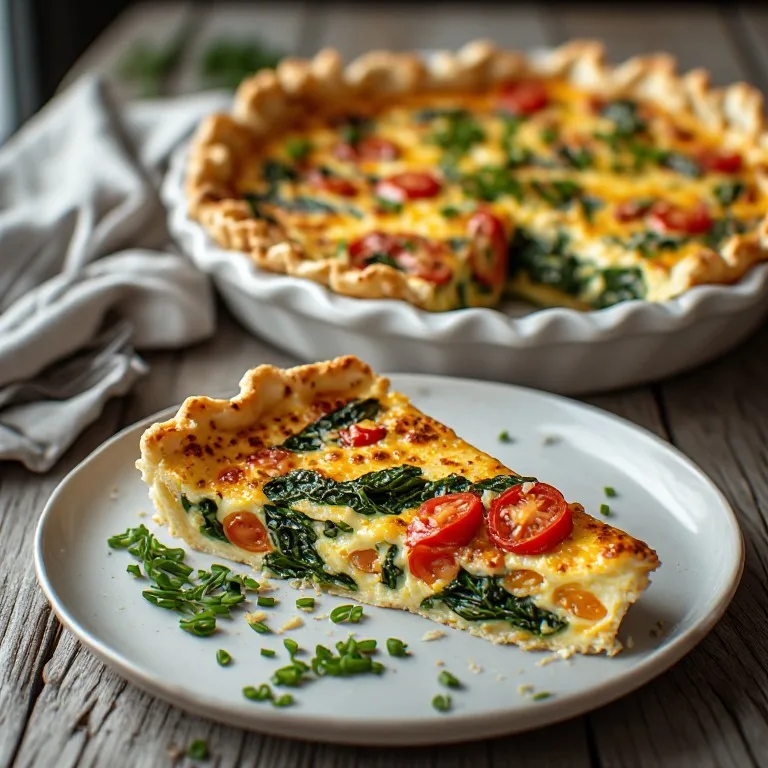
The tortilla quiche bake is exactly what it sounds like: one large flour tortilla pressed into a shallow pie pan, pre-baked until just set, then filled with a whisked egg-and-cottage-cheese custard and your choice of vegetables and cheese, baked until puffed and golden.
What makes it work — and why it keeps circulating on TikTok — is that the tortilla bakes into a crispy, sliceable crust. You get the silky set egg and melted cheese of a proper quiche, but you can hold it in one hand like a slice of pizza. It takes 10 minutes of actual effort. And because it uses eggs and cottage cheese together, it lands around 30 grams of protein per serving, which is why it caught on so hard in the high-protein breakfast wave.
Why It Went Viral
The recipe checks the specific boxes TikTok food content rewards: it looks impressive on a plate, takes almost no technique, uses ingredients most people already have, and delivers a legitimately satisfying result. The cottage-cheese-in-egg-custard angle gave it a second burst in 2025–2026 as the high-protein breakfast trend kept growing — it’s a genuinely decent vehicle for getting close to 30g of protein in a meal that feels like brunch, not a supplement shake.
Multiple versions circulated, but the most widely referenced come from @graceelkus (who credited @FoodDolls) and the UK nutrition creator @leanne_ward_nutrition. The recipe spread to mainstream recipe sites with only minor variations.
The Pan Matters More Than Most Tutorials Admit
The single biggest variable in whether your tortilla quiche turns out crispy or soggy is the pan depth.
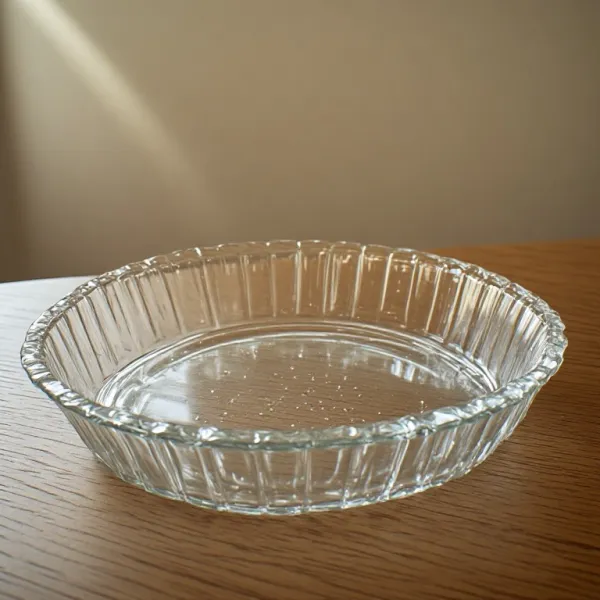
A standard 9-inch shallow pie plate (the kind that tapers from a flat base to low, gently sloped sides) lets steam escape as the quiche bakes. The tortilla base dries out and crisps. The bottom of the quiche is firm enough to hold up a wedge.
A deep-dish pie plate (the kind you use for apple pie) traps steam under the tortilla crust. Even if you pre-bake, the depth insulates the base and prevents the moisture from venting. The crust goes soft.
If all you have is a deep-dish, use a 9-inch round cake pan instead — it’s shallower and vents better. A ceramic quiche dish (the flat, fluted kind) is actually ideal if you have one.
The Pre-Bake Step — Don’t Skip It
Press the tortilla into the pan, scatter half the shredded cheese over the base, and bake it at 350°F for 5 minutes before any filling goes in.
What this does: the cheese melts and fuses to the tortilla, and the dry oven heat starts driving moisture out of the dough. When the wet egg filling goes in afterward, it’s landing on a partially-crisped surface that can resist soaking rather than a raw tortilla that absorbs immediately.
Most tutorials skip this step and call it optional. It’s not. The base texture difference is significant.
Making the Egg Custard
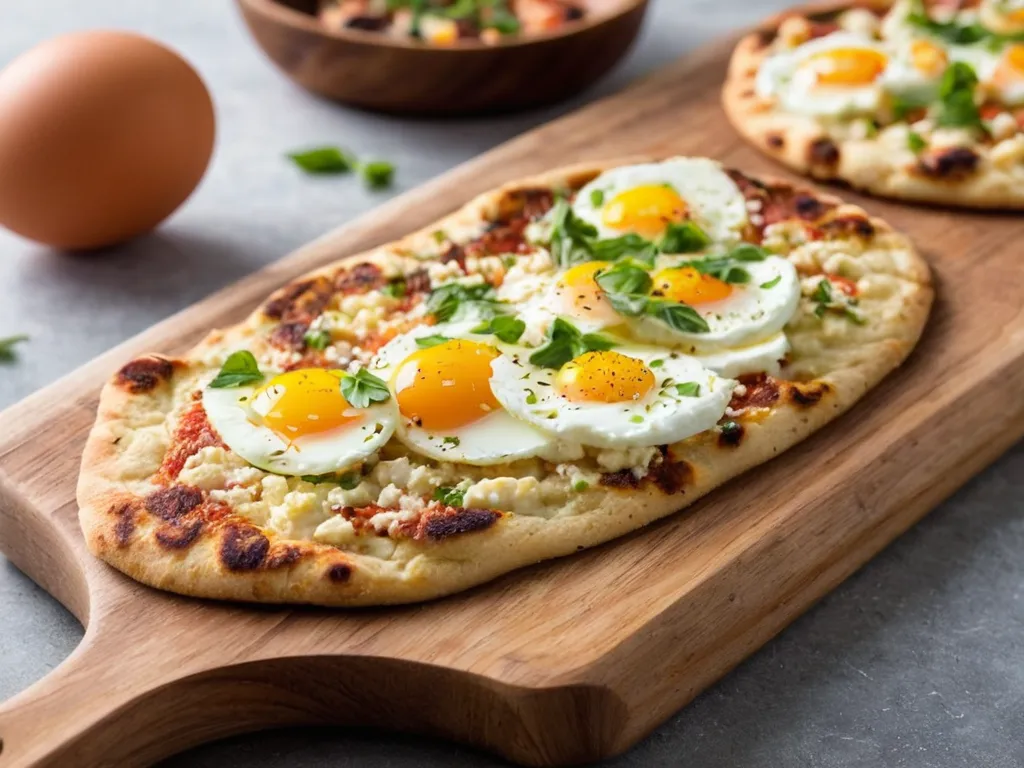
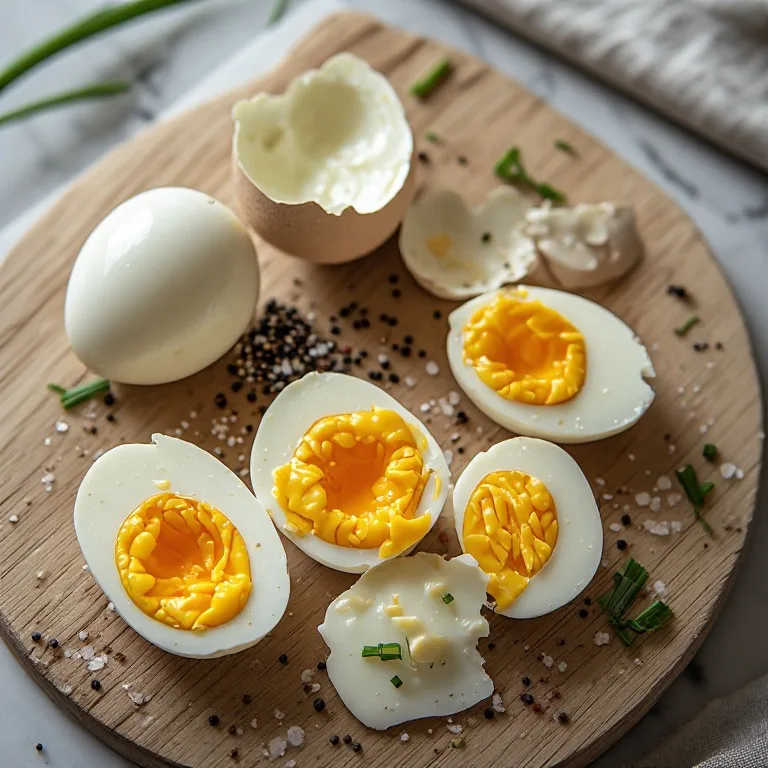
Whisk 4 eggs with ½ cup full-fat cottage cheese, ½ teaspoon Dijon mustard, salt, pepper, and garlic powder. The Dijon is a classic quiche Lorraine move — just enough to add savory depth without tasting like mustard. The cottage cheese integrates into the egg mixture during baking, giving the custard a slightly creamier texture and boosting the protein by roughly 14 grams. It’s the same protein trick behind the viral cottage cheese flatbread — cottage cheese carrying the load without a scoop of protein powder in sight.
You don’t need to blend it smooth. Firm whisking for 30 seconds breaks the cottage cheese curds enough. Some small curds are fine — they’ll melt into the custard as it bakes.
Vegetables: What to Sauté, What to Use Raw
Use raw (no sauté needed): halved cherry tomatoes, sliced olives, roasted red peppers from a jar (drained and dried well), sun-dried tomatoes, thinly sliced red onion or shallot, sliced asparagus.
Sauté first (2–3 minutes in a hot pan): spinach, kale, mushrooms, zucchini, fresh bell pepper. These are high-moisture vegetables that will dump water into your egg custard if they go in raw, creating a wet, sunken center. A quick sauté drives off the excess water before they go into the filling.
The combination that photographs best and tastes most balanced: sautéed spinach and shallot as the base layer, cherry tomatoes and cheese on top. The tomatoes blister and concentrate as they roast — they’re the best-tasting part.
Baking and the 5-Minute Rest
Bake at 350°F for 25–30 minutes. Done when the center is puffed and just barely set — a slight jiggle when you tap the pan is fine, a liquid ripple means it needs more time.
The 5-minute rest before cutting is real: egg custard firms up as it cools. If you cut immediately out of the oven, the center is still slightly soft and wedges will slump. After 5 minutes, the slices hold cleanly and you can pick them up.
Variations Worth Trying
Ham and Gruyère: Add ¼ cup finely diced cooked ham and swap the cheddar for Gruyère. This is closer to classic quiche Lorraine territory. Add a pinch of nutmeg to the egg mixture.
Roasted tomato and basil: Roast the cherry tomatoes for 15 minutes at 350°F before they go in (they wrinkle and concentrate). Add torn fresh basil after baking, not before — it burns in the oven.
Tex-Mex style: Swap Dijon for ½ teaspoon cumin and ¼ teaspoon chili powder. Add ¼ cup black beans (drained, dried), pickled jalapeños, and pepper jack instead of cheddar. Serve with hot sauce.
Dairy-free: Omit the cottage cheese and cheese entirely. Add 2 tablespoons of nutritional yeast to the egg mixture for savory depth, and use 2 tablespoons of oat milk to loosen the texture slightly. The protein drops but the structure holds.
Meal Prep Notes
The baked quiche keeps covered in the refrigerator for up to 3 days. Reheat wedges in a 325°F oven for 10–12 minutes or in an air fryer at 325°F for 5–6 minutes — both methods restore the crispy tortilla base. The microwave works in 90 seconds but softens the crust.
You can also assemble the filling ingredients the night before — whisked eggs + cottage cheese in one container, sautéed vegetables in another — and just pour and bake in the morning. Total active time the next morning drops to about 3 minutes.