

Green Smoothie — The TikTok Spinach Blend That Tastes Like Mango
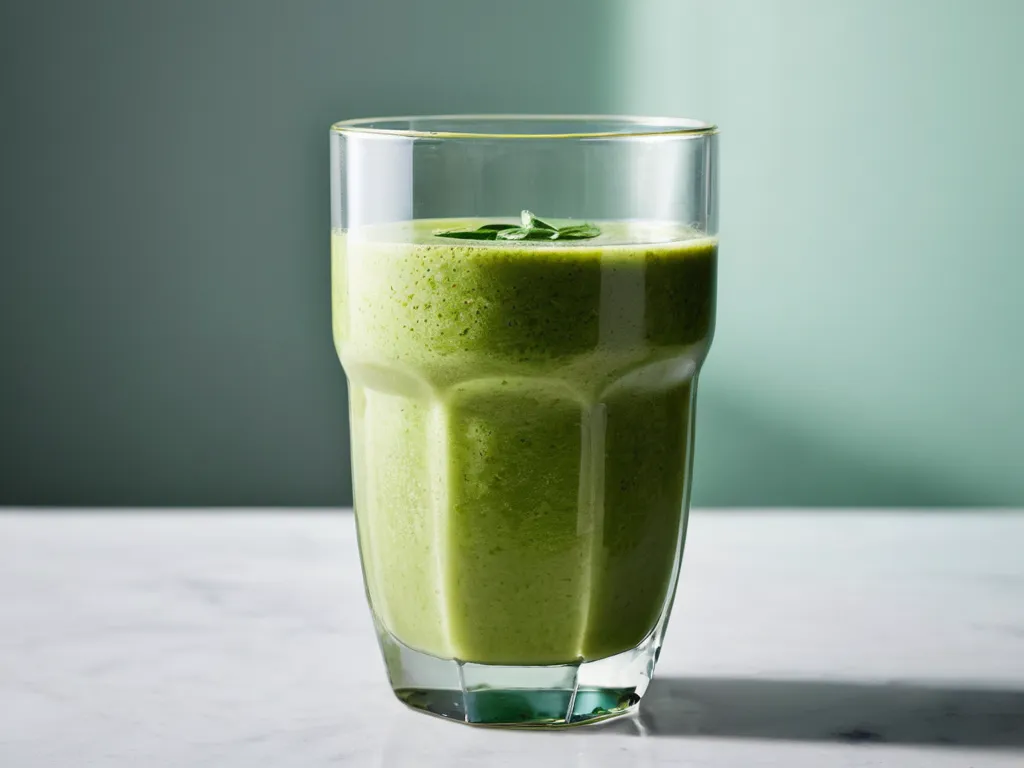
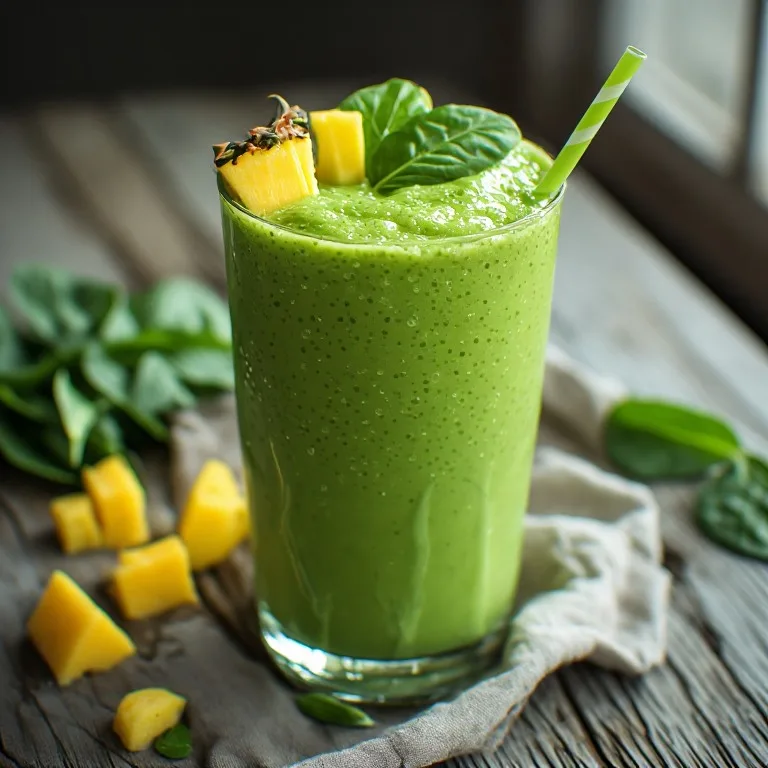
The green smoothie has been around since the early health food days, but TikTok’s version — specifically the “I can’t believe there’s spinach in this” format — went viral for a different reason: it actually tastes good. Not “good for a vegetable drink” good. Just good.
The revelation for most people is baby spinach. Unlike mature spinach, kale, or Swiss chard (all of which have assertive, bitter flavors that fight the fruit), baby spinach has such a mild flavor that 2 packed cups blend completely invisible into mango and pineapple. The chlorophyll turns the drink vivid green. The flavor stays tropical. This specific combination — blending spinach with sweet frozen fruit until you genuinely cannot taste the vegetables — is the format that made the green smoothie trend genuinely accessible to people who previously avoided anything labeled “healthy.”
Why Baby Spinach Is Non-Negotiable
The specific choice of baby spinach is what makes this work. A comparison:
| Greens | Flavor When Blended | Bitterness | Texture |
|---|---|---|---|
| Baby spinach | Essentially neutral | Almost none | Silky when fully blended |
| Mature spinach | Mild, slightly mineral | Low | Can leave texture |
| Kale | Strong, assertive | High | Fibrous; needs powerful blender |
| Swiss chard | Earthy, beet-like | Medium | Variable |
| Romaine | Neutral | Very low | Watery |
Baby spinach is the only choice that fully disappears into a sweet fruit base. Its neutral flavor, high water content, and tender leaves blend completely smooth in any blender with enough liquid.
The Blend Order Matters
The step that separates a great green smoothie from one with floating spinach chunks is blending the spinach with the liquid before adding frozen fruit.
Pour the almond milk into the blender first. Add the baby spinach on top. Run the blender for 30–45 seconds until you have a completely smooth, uniformly green liquid with no visible leaf pieces. Then add the frozen fruit. By the time you blend again, you’re starting with a liquid base that will integrate seamlessly with the fruit — no spinach chunks can survive this process.
Skipping this step and throwing everything in at once typically results in small green flecks distributed through the smoothie — not unpleasant to eat, but not the silky smooth texture that makes the viral green smoothie photographs look so appealing.
The Sweetness Calibration
The goal is a smoothie that tastes obviously sweet and tropical, not virtuous and “health-foody.” The mango + banana + pineapple combination is naturally very sweet when the fruit is ripe. Taste before adding honey — most of the time, with fully ripe frozen fruit, you don’t need any. Signs you need more sweetness:
- The pineapple was underripe (more acidic)
- The mango had no visible ripeness before freezing
- You used a very tart lime rather than lemon
The quickest fix is always more frozen banana — it adds sweetness and thickness simultaneously.
Three Variations
Tropical Green Protein Smoothie
Add 1 scoop of vanilla protein powder to the spinach-milk blend before adding frozen fruit. Blend protein powder with liquid first to prevent clumps. Replace Greek yogurt with 1/4 cup silken tofu for a fully dairy-free high-protein version. Total protein approximately 28–32g per serving depending on protein powder brand.
Avocado Green Smoothie
Add 1/2 a ripe avocado (frozen or fresh) to the blender. Avocado adds healthy fats that create an almost milkshake-like richness and keep you full significantly longer. The flavor contribution is mild — avocado lets the mango and pineapple stay dominant. This version is closer in texture to a smoothie bowl filling.
Green Smoothie with Spirulina
Add 1/2 teaspoon of spirulina powder to the spinach-milk blend. Spirulina intensifies the green color dramatically (it turns the smoothie nearly electric blue-green, which is the basis of the viral blue spirulina latte trend). It also adds plant-based protein, B12, and iron. The flavor is slightly ocean-like but is almost completely masked at this small quantity by the fruit. Start with 1/4 teaspoon if you’re sensitive to flavor — 1/2 teaspoon is near the limit before you start tasting it.