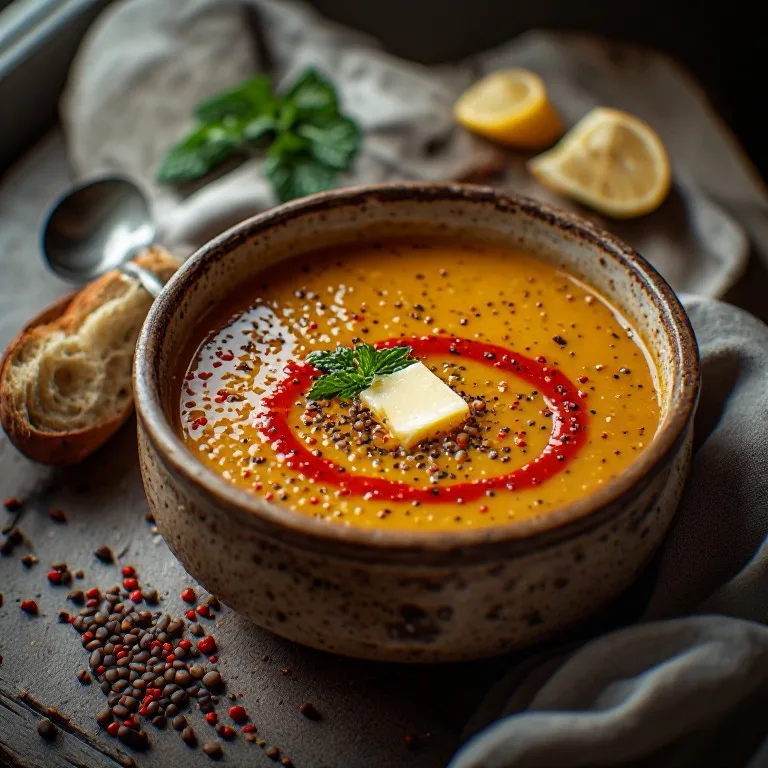



The Turkish red lentil soup that FoodTok calls Mercimek Çorbası (mer-jih-MEK chor-BAH-suh) has one visual moment that makes every video stop the scroll: the sizzled butter drizzle. The moment 2 tablespoons of butter hit the hot skillet with pul biber, the fat turns vivid crimson red, and the moment it hits the surface of the golden soup, it spreads in a swirl of red over gold that looks like it took skill. It takes 45 seconds.
The soup itself is one of the more genuinely useful TikTok food trends of 2026: one pot, 35 minutes, no soaking the lentils, no complicated technique, no peeling anything. Red lentils dissolve into the broth as they cook — by the time 25 minutes have passed, the soup is already thick and golden. You blend it smooth, squeeze in lemon, make the drizzle, and serve.
The #ProteinTok angle is real: a bowl lands about 14 grams of plant protein from the lentils, and the soup is fully vegan as written with olive oil in place of butter. Stir in a can of white beans (see the tips below) and you clear 20 grams.
The TL;DR: sauté onion and carrot, bloom spices, add lentils and broth, simmer 20 to 25 minutes, blend, season with lemon, make the crimson pul biber butter drizzle, serve with dried mint and yogurt.
Why Red Lentils Are Different
Most legumes need soaking because they contain complex starches that take time to hydrate and enzymes that need neutralizing before they are digestible. Red lentils are different in two ways. First, they are sold hulled and split — the protective hull has been removed and the lentil has been halved. The inner starch is already exposed to cooking liquid from the first minute. Second, red lentil starch gelatinizes quickly and thoroughly in hot water, which means individual lentils break down and dissolve into the broth rather than holding their shape the way brown lentils or chickpeas do. At 20 minutes, red lentils in a simmer are already mostly dissolved. At 25 minutes, they have become the broth.
This is what makes Mercimek Çorbası fast compared to every other legume soup: you are not cooking lentils in soup, you are using lentils to make the soup thick and creamy from the inside.
The Spice Sequence That Matters
Turkish lentil soup uses cumin, paprika, and mint — but the order these are added changes the flavor of the finished bowl more than doubling the quantities would.
Cumin and paprika go into the hot fat with the garlic during the 60-second bloom. At this temperature, the fat-soluble flavor compounds in the spices dissolve into the oil and are carried throughout the entire pot when the lentils and broth are added. Spices added directly to water or broth distribute poorly — they float as a film or sink as sediment, and the flavor they deliver is flat and uneven.
Dried mint goes on last, at serving — crumbled over the top of each bowl rather than cooked in. Dried mint’s volatile oils are mostly monoterpenes (menthol, pulegone, carvone) that evaporate quickly when heated. Cooking it in the soup for 25 minutes cooks most of them away. Crumbling it fresh over a hot bowl releases those volatile oils directly into your nose before the first spoonful reaches your mouth — that aromatics-before-taste sequence is a significant part of why the soup smells more complex than it tastes when properly finished.
The Pul Biber Drizzle
Pul biber is Turkish red pepper flakes — coarser, oilier, and milder than the Italian-style crushed red pepper sold in pizza shops. The heat level is moderate. The flavor is fruity and slightly sweet in the way Aleppo pepper is fruity and slightly sweet — it has more dimension than pure cayenne and less raw sharpness than standard chili flakes.
In hot butter, pul biber does two things in 45 seconds: it releases its fat-soluble red carotenoid pigments into the butter (turning it vivid crimson), and the residual moisture in the pepper flakes evaporates in the hot fat, producing the audible sizzle and driving off the raw edge of the pepper flavor. The result is a flavored butter that is simultaneously a condiment and a garnish — red, aromatic, slightly spicy, and visually striking against the golden soup.
The fat does matter here: butter has milk solids that brown during the 45-second cook and add a nutty undertone to the drizzle. Olive oil has no milk solids and does not brown — the olive oil version is equally red and equally fragrant, but the flavor is cleaner and lighter. Neither is wrong; both are made in Turkish households daily. The butter version is what goes viral.
The Lemon Is Not Optional
Mercimek Çorbası without lemon tastes exactly like what it is: spiced lentil broth. With lemon, it tastes like a restaurant soup. This is not poetic license — the lemon juice performs a specific function in this soup that salt alone cannot. The lentil starch absorbs spice flavors and distributes them through the bowl, but it also has a tendency to flatten the flavor profile of everything it coats. Acid (lemon juice) cuts through that starch-coating effect, sharpening the cumin, brightening the paprika, and making the soup taste like its parts rather than a blended whole. One and a half tablespoons of lemon juice is a starting point — most batches benefit from two tablespoons, and some from more.
The traditional way to serve Mercimek Çorbası is with a separate lemon wedge at the table. This lets each person adjust the brightness to their own preference. Start with the recipe amount in the pot, taste, add more if you want, and still put lemon wedges on the side.
More One-Pot Blended Soups
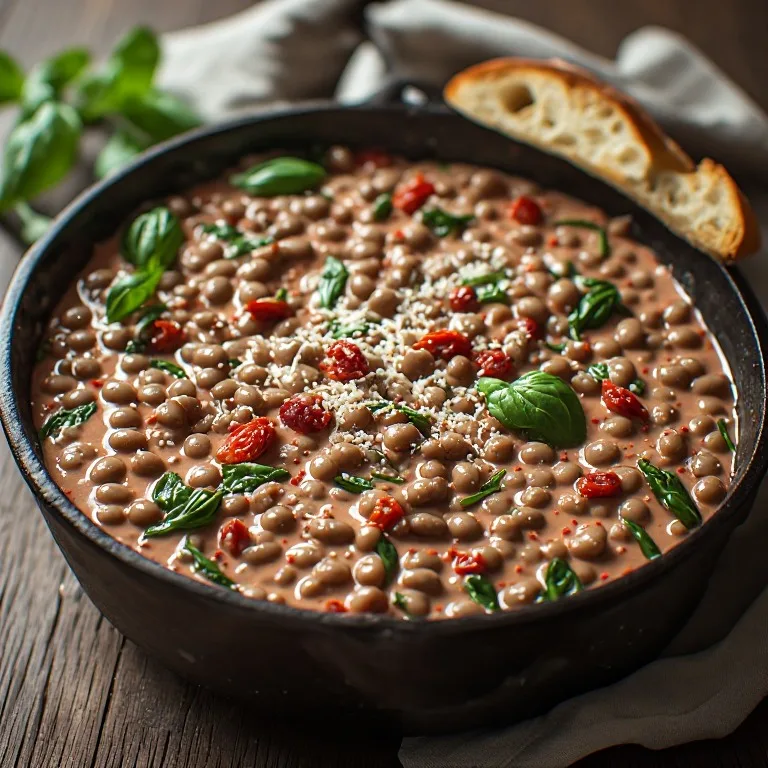
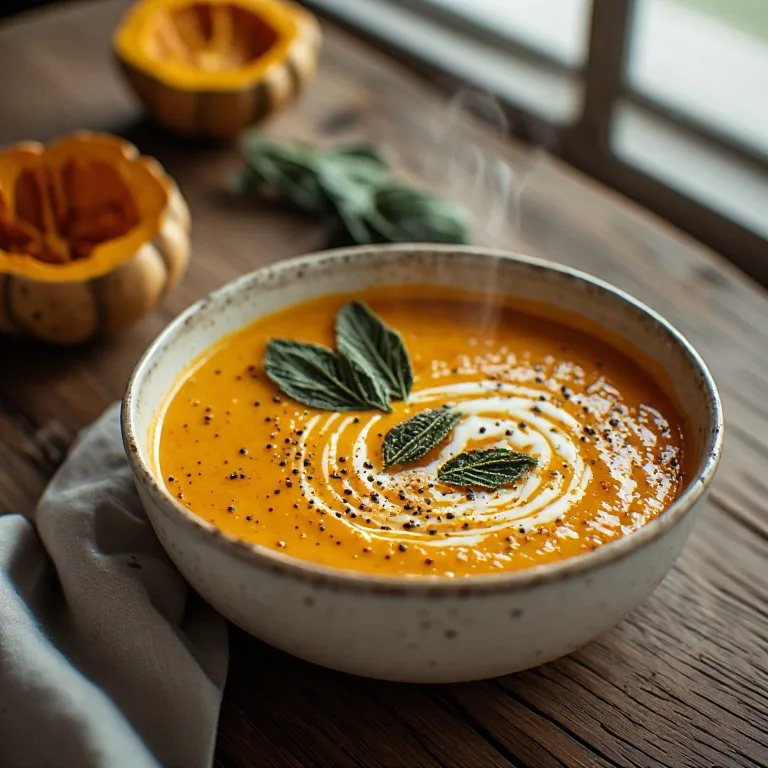
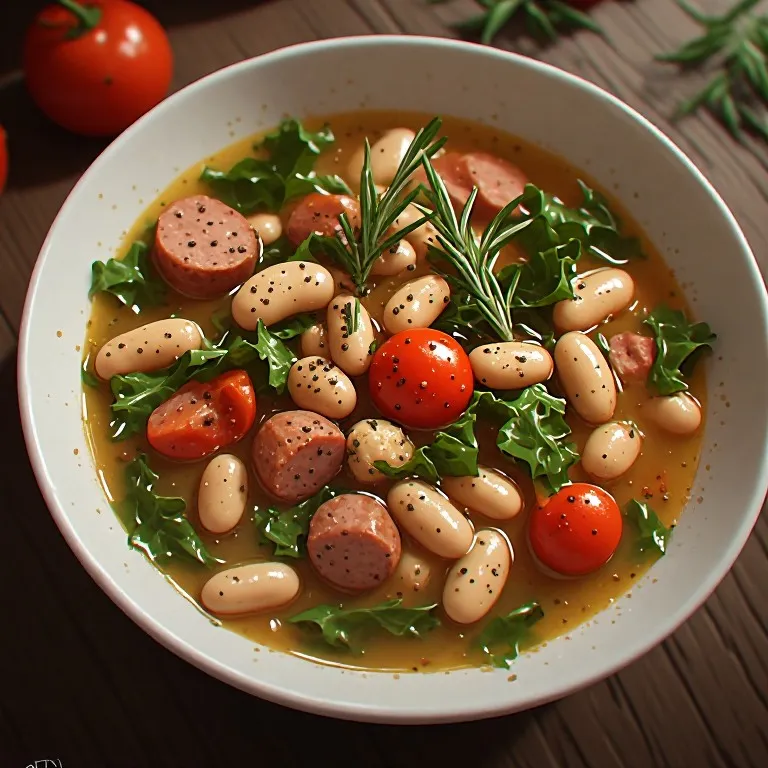
If this soup earns a spot in your rotation, the same one-pot-then-blend structure powers a few other trending bowls worth keeping on hand. Marry Me Lentils is the richer, creamier cousin — sun-dried tomato and cream instead of a lemon-and-pepper finish. Tuscan White Bean Soup swaps lentils for cannellini beans and leans on rosemary and garlic. And if it’s squash season, Roasted Butternut Squash Soup uses the same blend-until-silky move with a caramelized, roasted base. All three are vegan-friendly with a single swap, and all three reheat well for the week.