How to Tell If Celery Is Bad
Quick answer
Bad celery goes soft, slimy, and brown or black, with a sour smell. Limp celery that’s otherwise clean just needs a soak in ice water, but slime or mold means toss.
Signs Celery has gone bad
- Slimy stalks. A slick film, usually near the base, shows bacterial growth. Discard it rather than rinsing.
- Brown or black soft spots. Water-soaked or sunken dark patches at the base or along ribs mean rot. Trim small dry brown bits, but toss if wet and spreading.
- Mold or fuzzy growth. White or gray fuzz in the crevices of the base means mold. Because stalks are tightly packed, discard the whole bunch.
- Sour or ammonia-like smell. Fresh celery smells clean and herbal. A sour or sharp odor means it’s gone off.
- Mushy, bendy stalks that don’t snap. If stalks bend like rubber and the inside is wet and floppy rather than just dry, they’re breaking down.
- Brown, hollow, or black-streaked interior. Slice into a stalk. Dark, soft strings and a rotten smell inside mean you should discard it.
Looks weird, but it's fine
- Limp, floppy stalks. The celery has lost water. Stand it in ice water for an hour or two and it should crisp up.
- Yellowing or wilted leaves. Leaves go first. Trim them or use them in stock if they’re still green.
- Stringy or tough outer stalks. Outer ribs are fibrous by nature. Peel the strings or use them in stock.
How long does Celery last?
| Where | How long | Note |
|---|---|---|
| Fridge | 2–4 weeks | whole bunch, wrapped |
| Fridge | 3–5 days | cut sticks, in water or sealed |
| Freezer | 10–12 months | chopped, best for cooking |
How to store it
- Wrap the whole bunch snugly in aluminum foil. It lets ethylene escape and keeps celery crisp for weeks.
- Store cut sticks in a sealed container with a little water in the fridge, and change the water every few days.
- Freeze chopped celery for soups and stews, since it loses crunch when thawed.
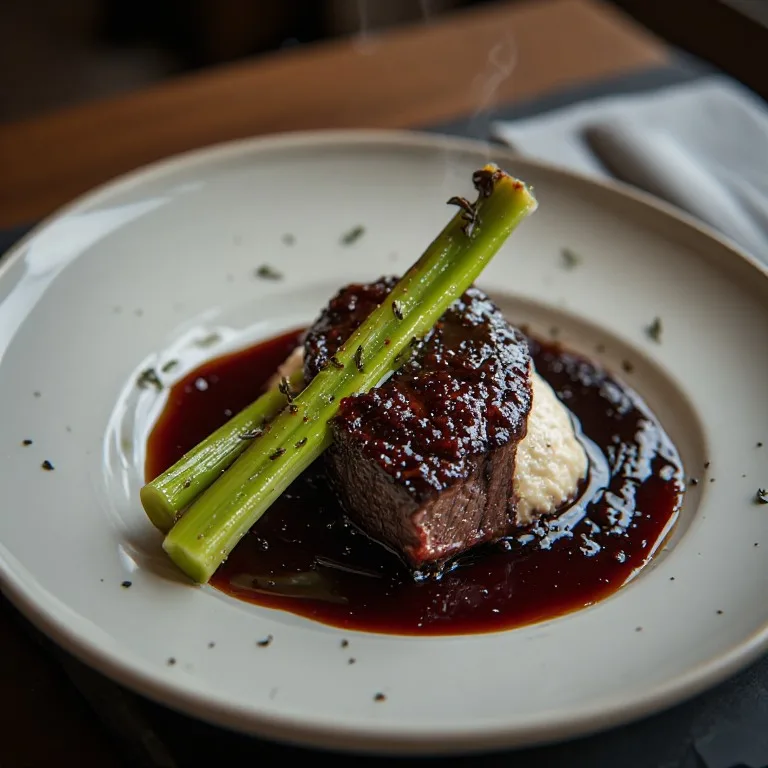
Use it up before it turns
Frequently asked questions
Can you eat limp celery?
Yes, if it doesn’t smell sour and isn’t slimy. Soak it in cold water to crisp it, or use it in cooked dishes.
Why is my celery turning brown?
Browning at the cut ends is oxidation, and thin brown spots are often dryness. Deep, wet, or foul-smelling brown means rot and the stalk should go.
Is yellow celery safe?
Pale yellow inner stalks are normal in some varieties. Yellow, slimy, or soft outer stalks are aging and should be discarded if they’re mushy.
More food freshness guides
General guidance based on USDA FoodKeeper. Storage times are estimates and conditions vary. When in doubt, throw it out.