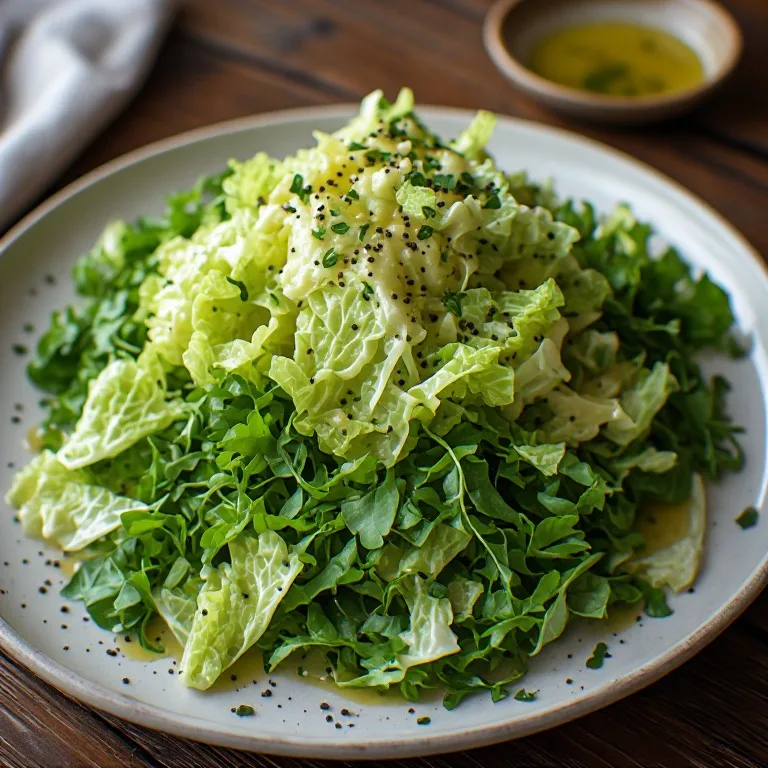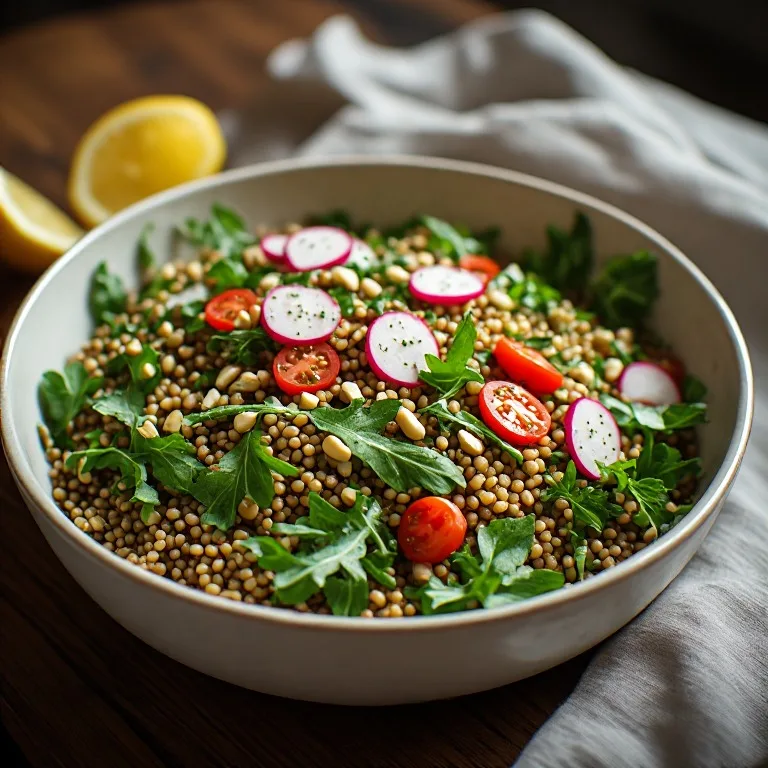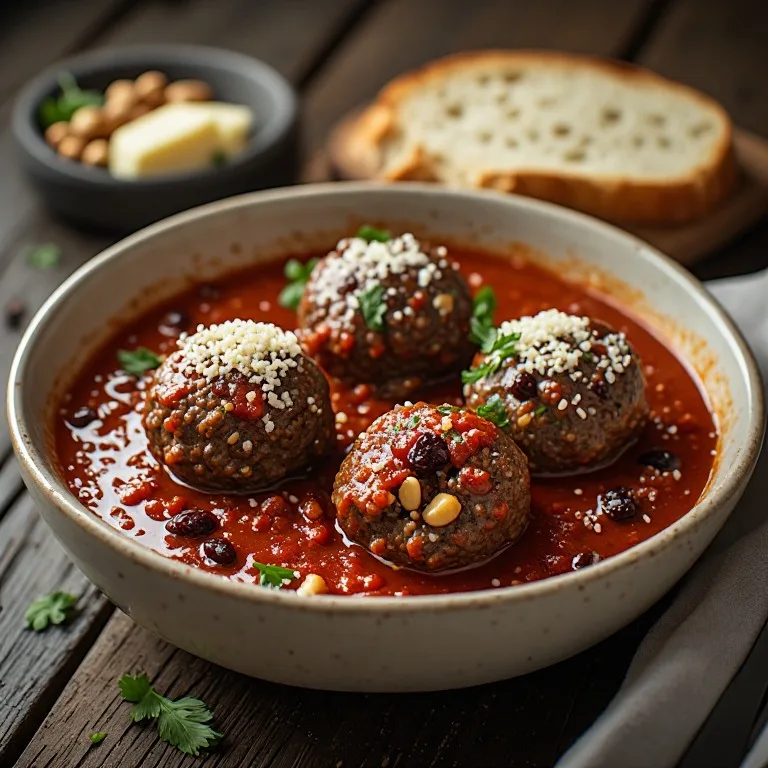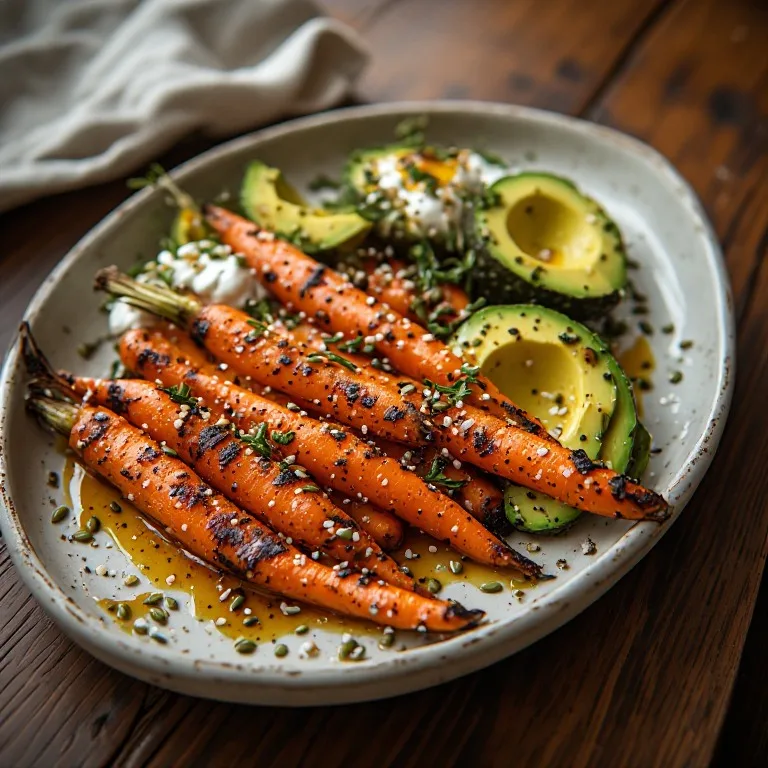

Estela is an 80-seat restaurant on East Houston Street in NoLita that has been one of the hardest tables to book in New York since roughly its second year open. Chef Ignacio Mattos was born in Uruguay, spent six years with Francis Mallmann in South America, cooked at Zuni Café and Chez Panisse in San Francisco, and ran the kitchen at Il Buco in New York for five years before opening his own place — a culinary biography that explains why the restaurant’s food is so difficult to place. The menu is not Italian, not Mediterranean, not New American in any conventional sense. It has been described as all three and as none of them. The James Beard Award and the Michelin star came quickly. The burrata dish came first: it was on the opening menu in 2013 and has never left.
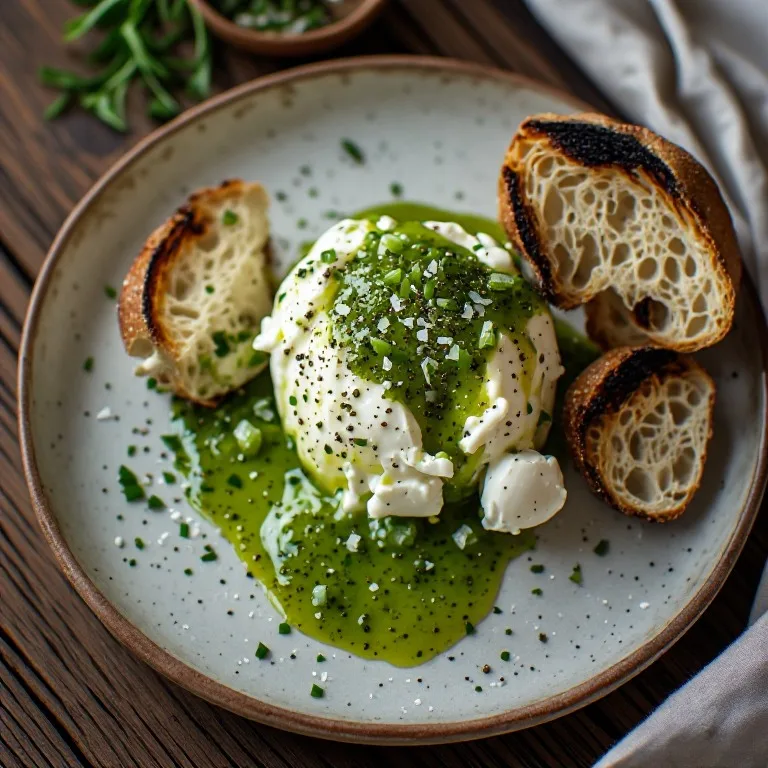
The dish is quietly famous in the food world. People who have eaten at Estela come home and describe the burrata in the same way: “there was a green sauce on it that I thought was regular salsa verde and then it wasn’t.” That gap between expectation and reality is the whole point. Mattos’s version of the dish uses celery juice and sorrel as the base of the sauce rather than the parsley, capers, and anchovies of Italian salsa verde. The result looks like the Italian version — an herb-green sauce, loose and lightly oily — but tastes entirely different. At the restaurant, the appetizer runs about $18. The ingredients at home cost roughly $6.
The Two Things That Catch People Off Guard
The salsa verde is not Italian salsa verde. This is the most important thing to understand before making this dish. Every salsa verde that’s not Estela’s is built on parsley, usually capers, often anchovies, and olive oil — a briny, sharp, umami-heavy sauce. Mattos’s version is built on celery juice and sorrel. Sorrel is a leafy herb with a sharp, lemony, almost rhubarb-like acidity from oxalic acid. Celery provides a clean, grassy, slightly bitter liquid base. Together they produce a sauce that is bright and acidic but not briny, green and herby but not parsley-forward, and deeply savory without a single fishy or capers-forward note. The pickled chile liquid (2 tablespoons from any jar of pickled Thai bird’s eye chiles or pepperoncini) adds a sharp, lacto-fermented acidic note that ties everything together without adding visible chile heat.
The burrata is torn, not served whole. Most burrata presentations put the whole ball in the center of the plate and let the diner cut into it — a dramatic moment when the cream interior spills. At Estela, the burrata is torn open in the kitchen and loosely folded with crème fraîche before plating. This does two things: it changes the texture from a cream-burst you experience once to a consistently rich, slightly tangy mixture throughout the plate; and the crème fraîche’s tang counterpoints the celery verde’s acidity without adding competing sharpness. The key word is loosely — this is a three-fold mix, not a smooth paste.
Finding Sorrel
Sorrel is the ingredient this dish cannot be fully replaced without. It’s increasingly available at Whole Foods year-round and at farmers markets in spring and fall. If you truly can’t find it, the closest substitute is watercress (for peppery bitterness) plus fresh lemon juice (for sorrel’s acidity). Baby spinach plus lemon juice is a fallback that produces a milder, sweeter sauce. Neither is the same. Sorrel is worth hunting for — it’s also a perennial herb you can grow from seed that comes back every year with minimal effort, which is worth knowing if you cook this kind of food regularly.
Building the Dish
Make the celery salsa verde first — it takes 10 minutes and benefits from 20 to 30 minutes in the refrigerator for the flavors to settle. Blend the celery juice (extracted by blending and straining, or with a juicer) with sorrel, chives, shallot, vinegar, and Dijon until completely smooth, then emulsify with olive oil. The sauce should be the color of new grass and taste bright, clean, and faintly bitter.
Tear the burrata at room temperature — never cold — and fold it with crème fraîche just before serving. Season the mixture lightly: it doesn’t need much salt given that burrata already has some, but a few flakes of Maldon and a grind of pepper make the flavors legible.
The charred bread is not optional and not decorative. The bitterness of genuine char — actual dark spots across the surface, not just golden-brown — is the structural counterpoint to the fat-rich burrata and the acidic verde. Use thick-cut sourdough, coat it generously with olive oil, and put it in a screaming-hot cast-iron pan or directly on a gas flame. When it looks slightly over-done it is exactly right.
Plate the burrata rough and irregular, spoon the verde over and around it, finish with a drizzle of oil and flaky salt. The dish is eaten at room temperature. This is the version that makes people go back to Estela.