Benihana Copycat Recipes
Benihana's teppanyaki cooking made hibachi a household word. Our copycats cover the Yum Yum Sauce, garlic butter fried rice, hibachi steak, and garlic shrimp — all doable on a cast-iron at home.
10 recipes
Benihana was founded in 1964 by Hiroaki 'Rocky' Aoki in New York City. The restaurant popularized teppanyaki-style dining in America: cooking on a large iron flat-top griddle at tableside with theatrical technique. The Yum Yum Sauce (also called White Sauce or Shrimp Sauce) is mayo-based with tomato paste, butter, paprika, sugar, and garlic — it should be pale pink, mildly sweet, and not taste heavily of ketchup (a common substitution that throws off the color and sweetness balance). Benihana's fried rice is cooked on a very hot dry griddle: the flash-dry method removes moisture and creates the lightly charred, separate-grain texture that steaming can't produce. Garlic butter is added in the final 30 seconds. The Hibachi Steak — sirloin or New York strip — is sliced against the grain into bite-sized pieces and cooked over high heat to the guest's requested doneness. Every hibachi dinner starts with a small iceberg salad dressed in the Ginger Salad Dressing — a blended oil-and-rice-vinegar vinaigrette with fresh ginger, yellow onion, celery, and ketchup (the ketchup is what most people don't expect). Our Benihana copycats cover the Hibachi Chicken (the restaurant's most-ordered entrée), Hibachi Steak, Hibachi Vegetables (zucchini, mushrooms, onion in garlic butter — ginger dipping sauce is the traditional pairing), Chicken Fried Rice, Garlic Butter Shrimp, Yum Yum Sauce, Ginger Salad Dressing, and the Japanese Onion Soup (clear dual-broth with mushrooms and crispy fried onions on top — 30 calories).
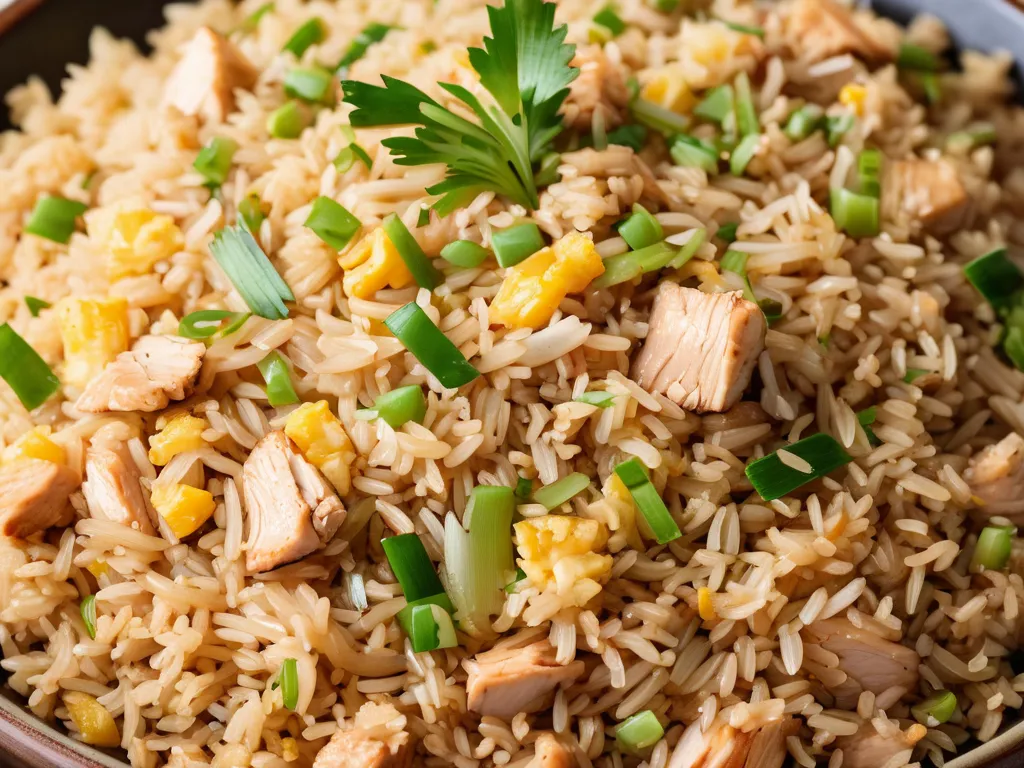
Benihana Fried Rice
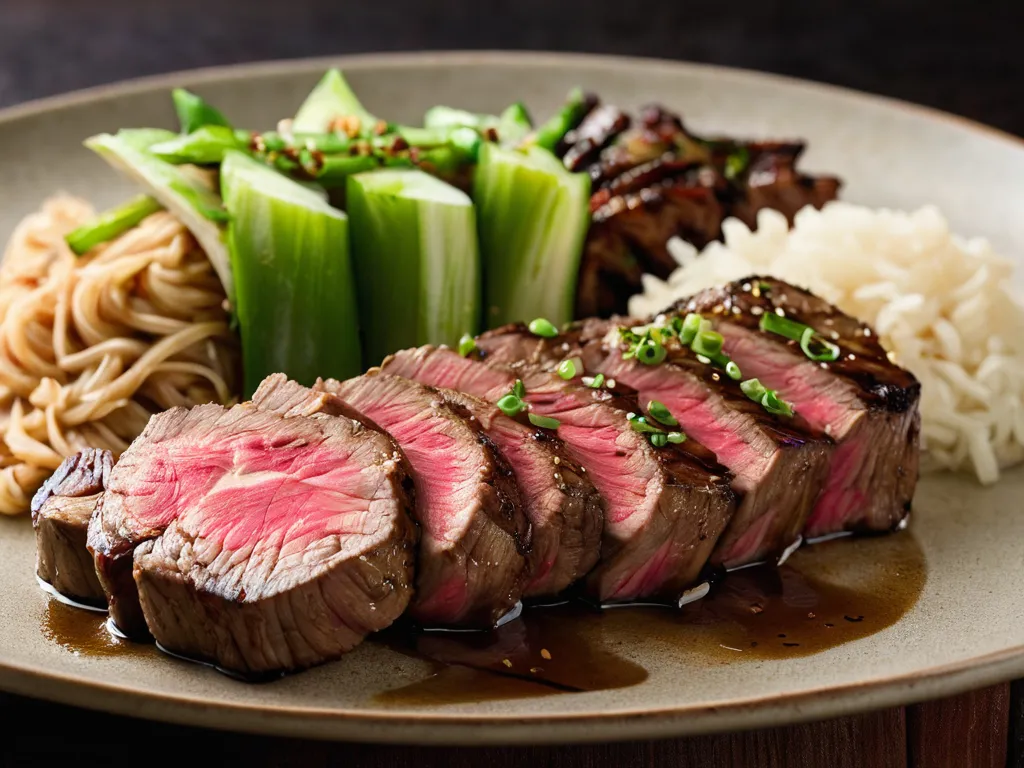
Benihana Hibachi Night at Home
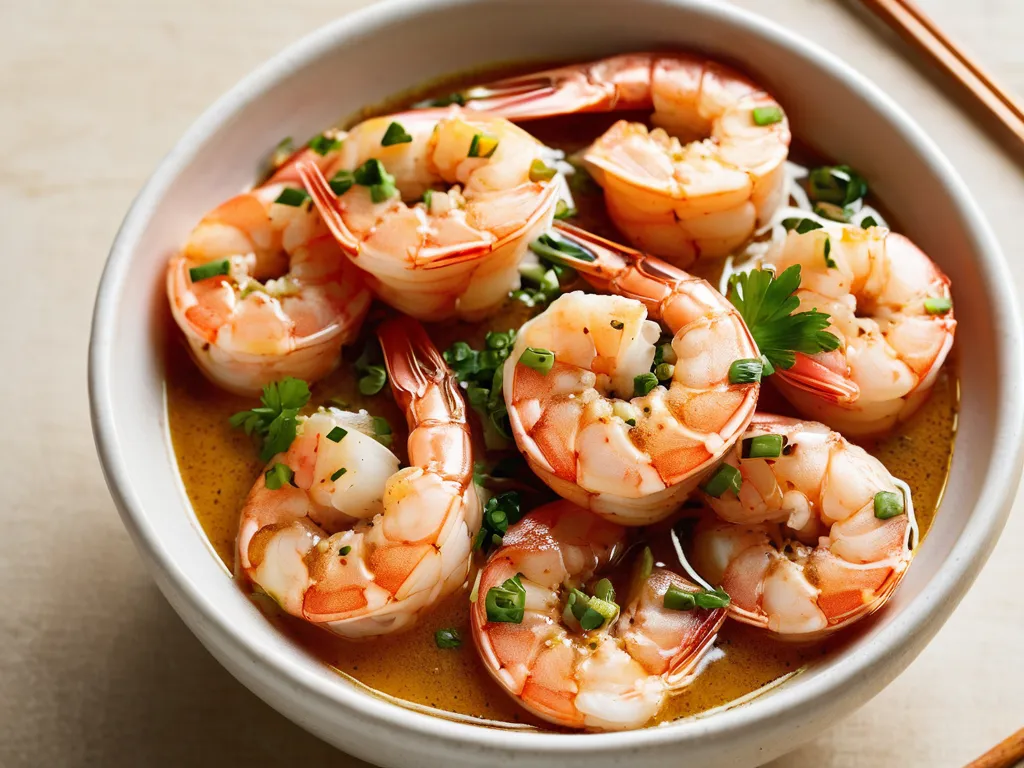
Copycat Benihana Garlic Butter Shrimp
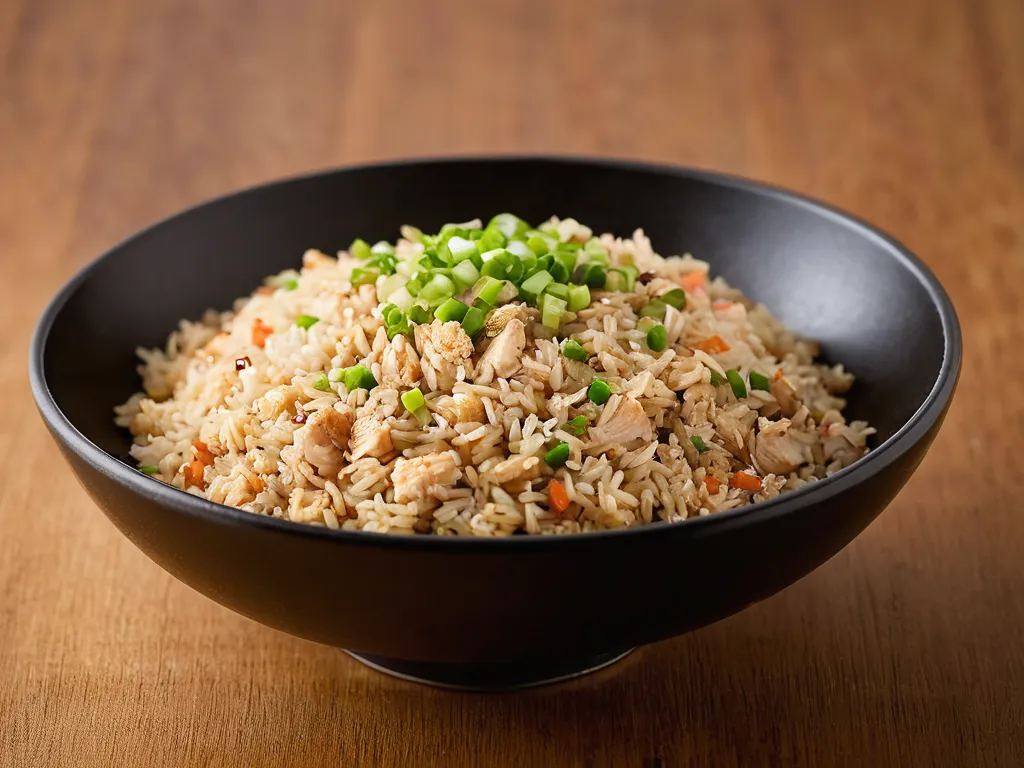
Copycat Benihana Chicken Fried Rice
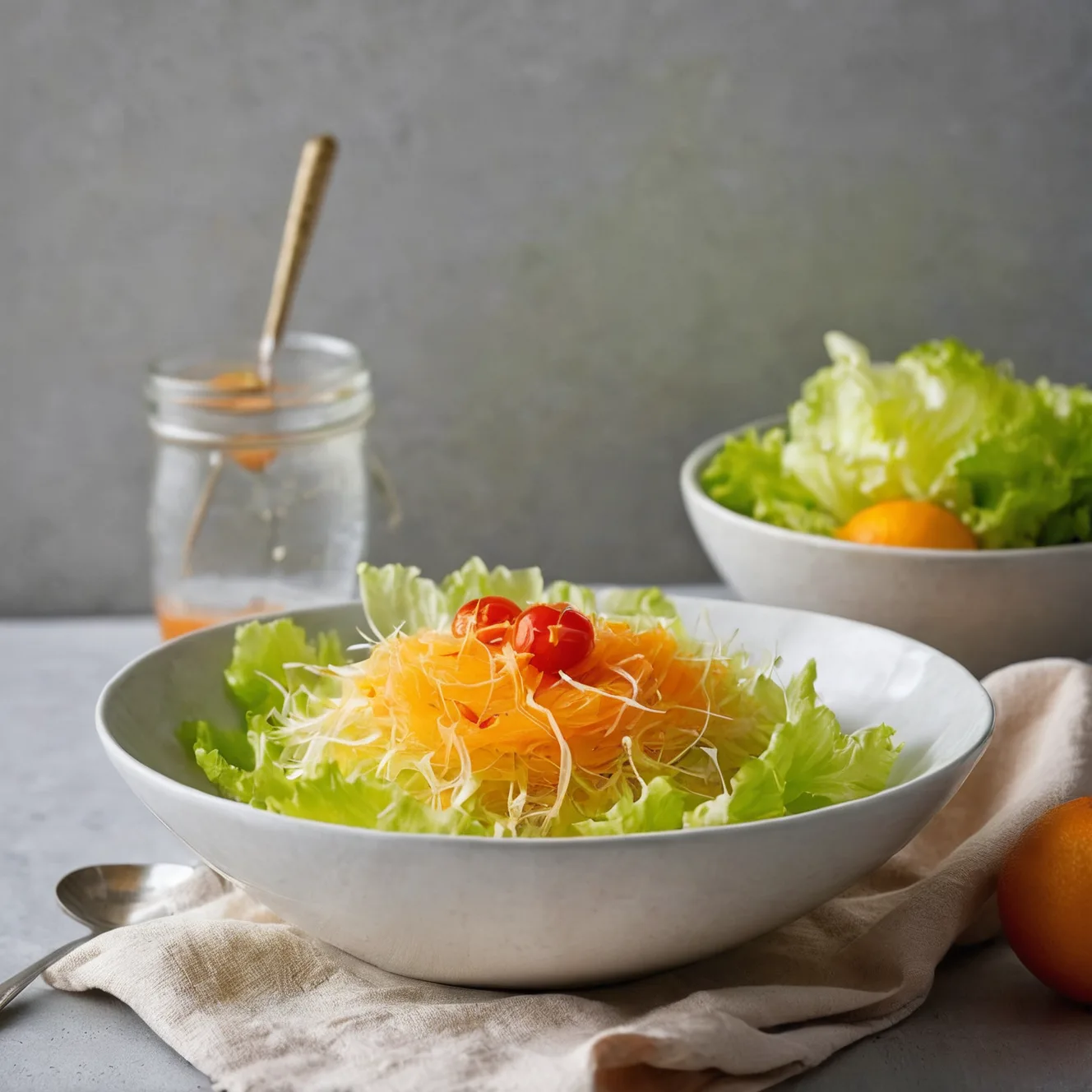
Copycat Benihana Ginger Salad Dressing
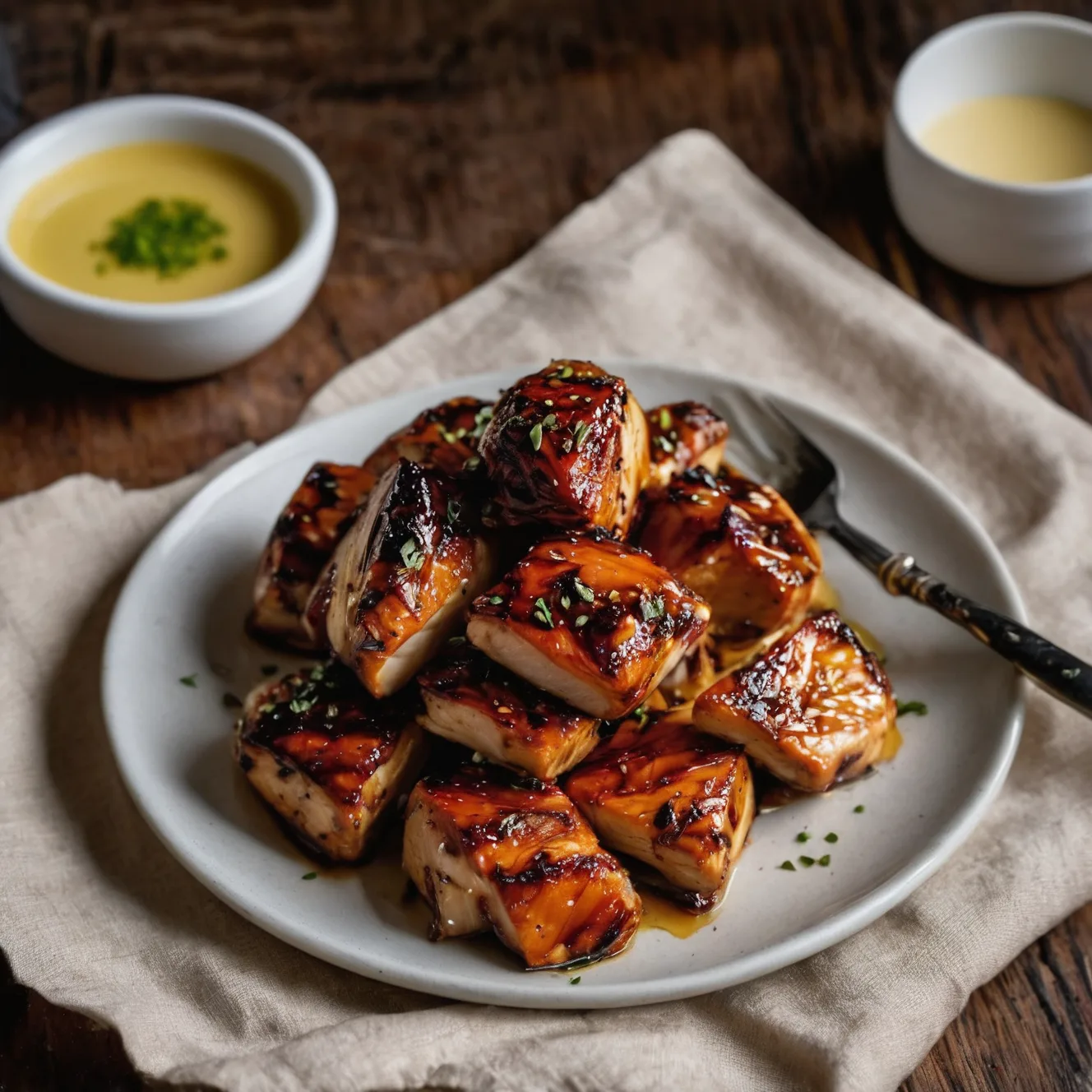
Copycat Benihana Hibachi Chicken
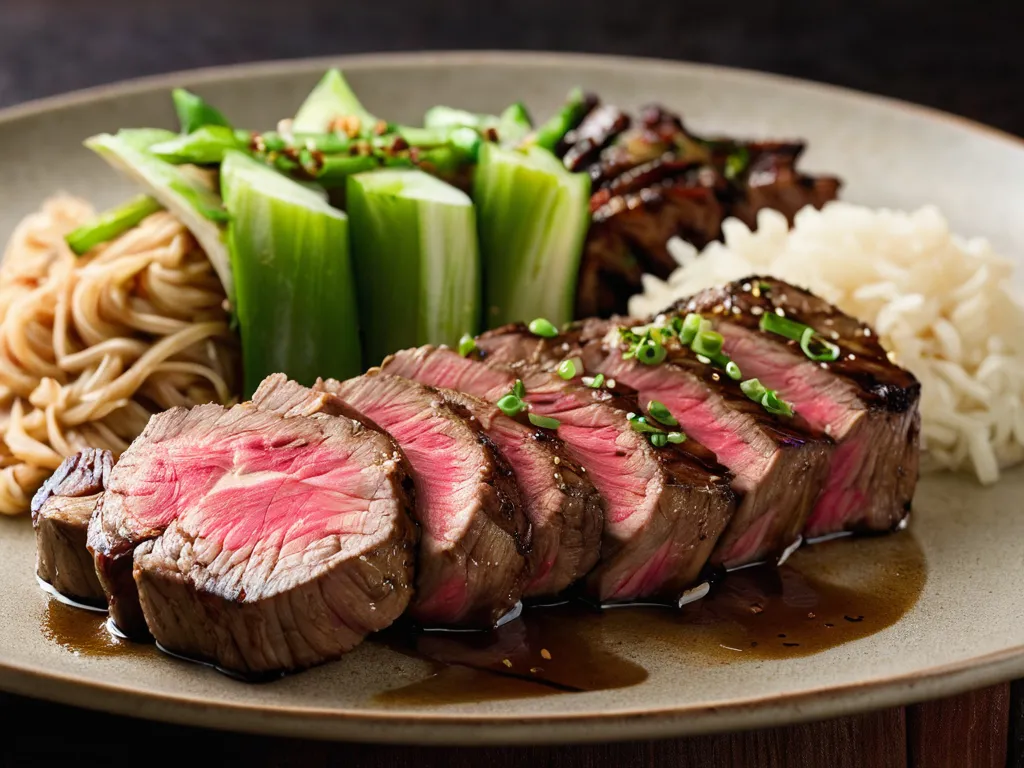
Copycat Benihana Hibachi Steak
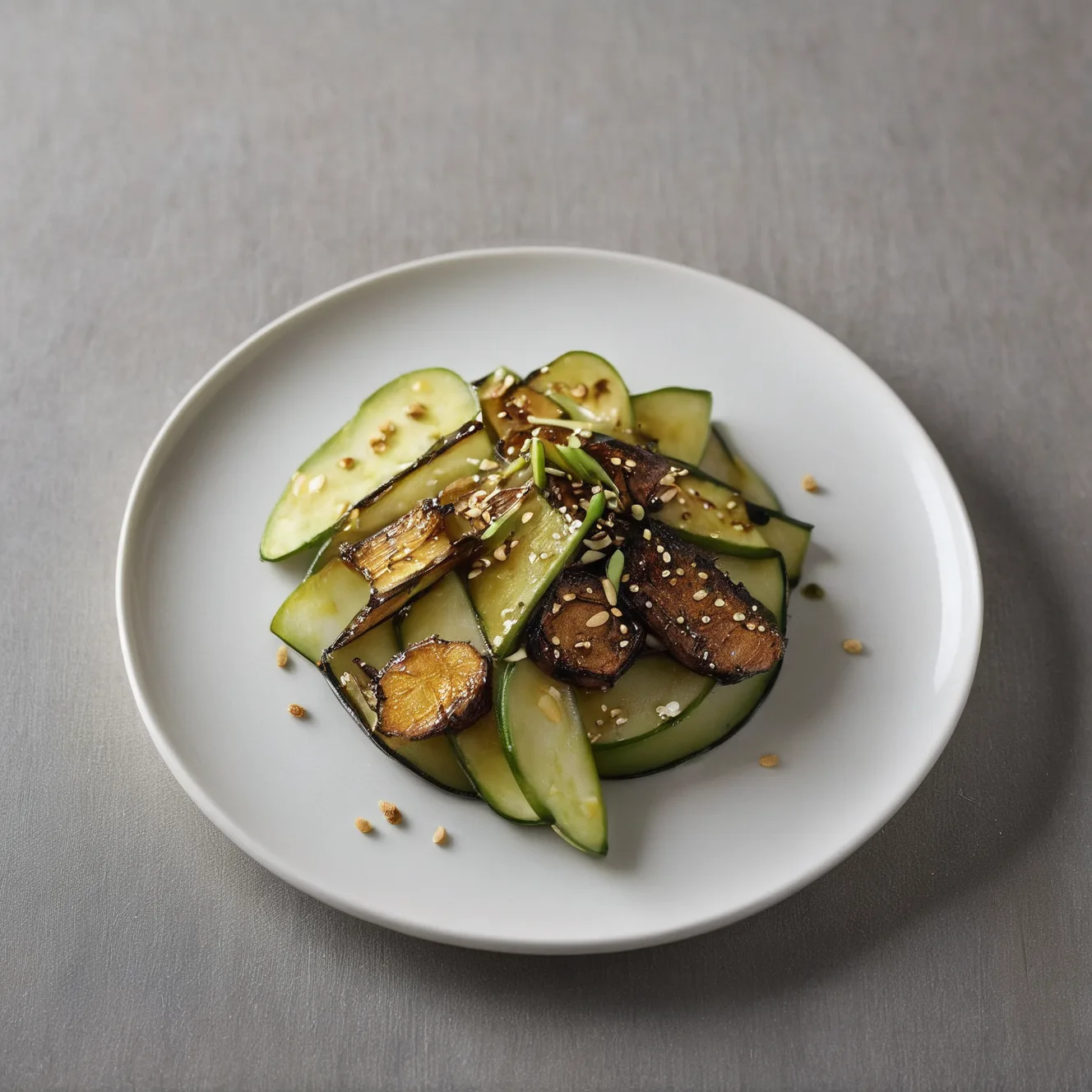
Copycat Benihana Hibachi Vegetables
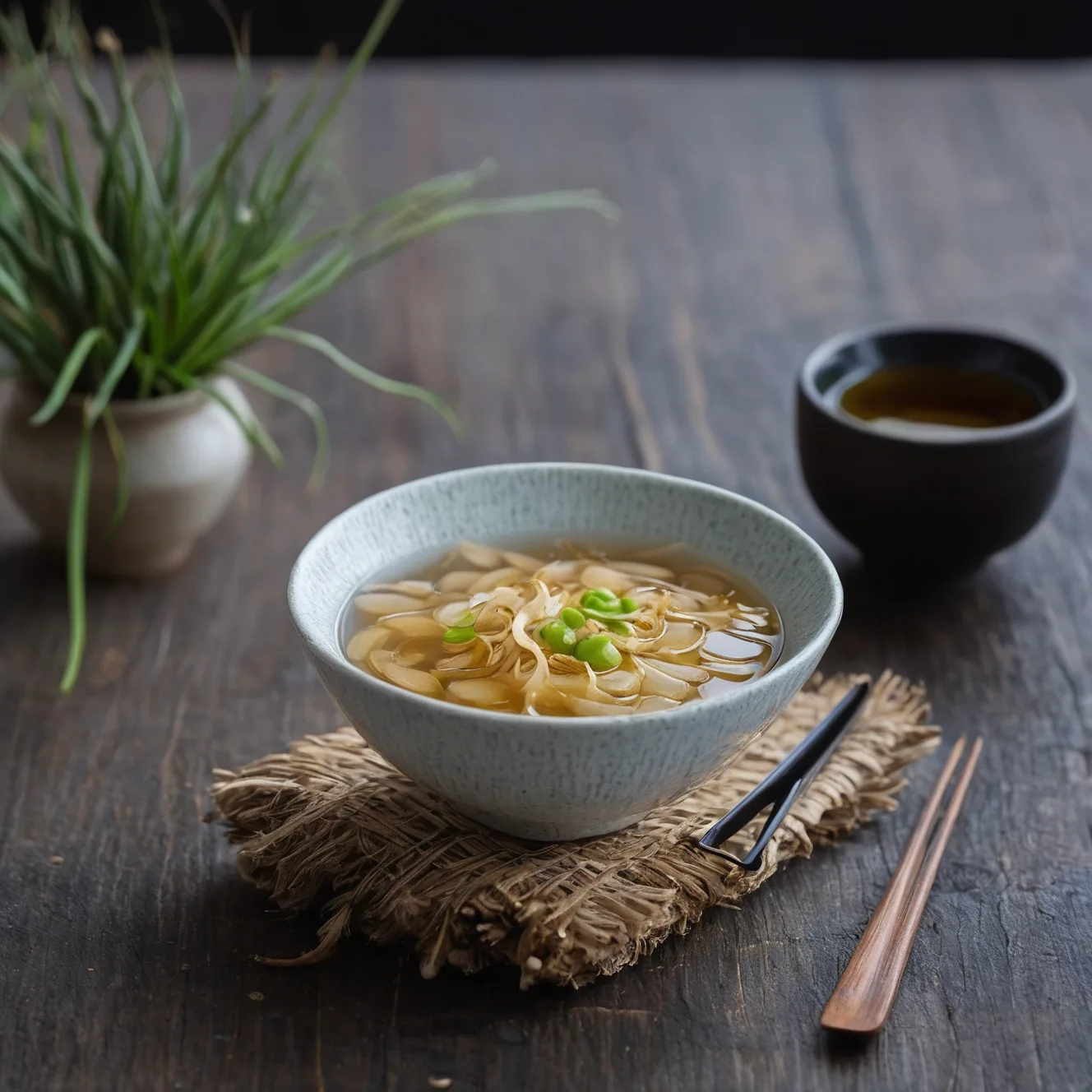
Copycat Benihana Onion Soup
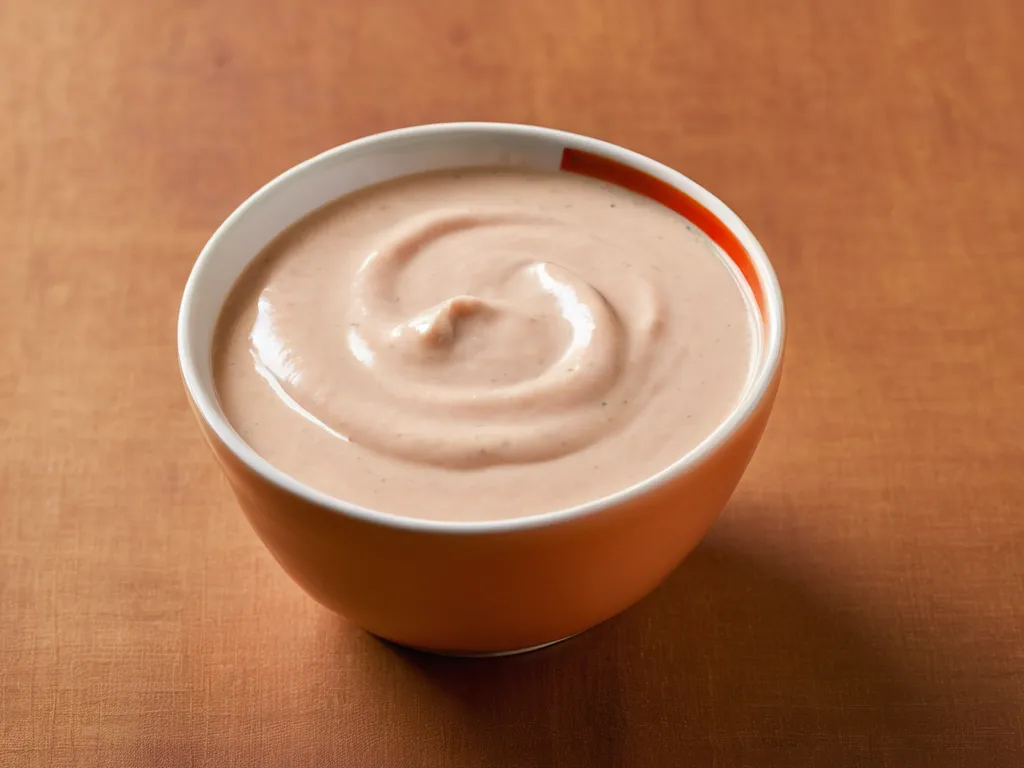
Copycat Benihana Yum Yum Sauce
Frequently Asked Questions
What's in Benihana's Yum Yum Sauce?
The base: 1 cup mayonnaise, 2 tbsp water, 2 tbsp melted unsalted butter, 1 tbsp tomato paste, 1 tbsp sugar, 1 tsp paprika, 1/2 tsp garlic powder, 1/4 tsp cayenne. Whisk together and refrigerate at least 2 hours — the flavor needs time to meld. Don't substitute ketchup for tomato paste; ketchup has vinegar and sweetener that make it too tart and too pink. The sauce keeps refrigerated for 2 weeks.
Can I make Benihana-style fried rice without a flat-top griddle?
Yes. Use a cast-iron skillet or carbon steel wok on maximum heat. The critical steps: (1) use day-old refrigerated rice — fresh warm rice steams instead of frying; (2) cook in small batches (no more than 2 cups at a time) so the pan stays hot; (3) let the rice sit undisturbed for 30 seconds before tossing so it develops a light char. Add garlic butter in the last 30 seconds only.
What temperature does Benihana cook Hibachi Steak to?
The chef asks each guest at tableside. Temperature targets: rare 125°F, medium-rare 135°F, medium 145°F, medium-well 155°F, well-done 165°F. The steak is sirloin or New York strip, sliced against the grain into 1-inch cubes before cooking — cutting against the grain shortens the muscle fibers and makes each temperature tender. High heat, 2–3 minutes per side for medium-rare cubes.
What's the garlic butter formula for Benihana-style cooking?
Real unsalted butter (not margarine) with fresh minced garlic — not powder — cooked for 30 seconds at the end of each item's cook time. The butter should foam and just barely begin to brown (nutty, not burnt). For the fried rice, add about 1 tbsp of garlic butter right before plating and toss 3–4 times; more than that makes the rice greasy.
What makes Benihana hibachi chicken different from regular grilled chicken?
Three things: extreme heat, garlic butter timing, and a soy sauce deglaze. Benihana's teppanyaki griddles run at 500°F or higher — far hotter than a home pan on medium heat. At that temperature, a Maillard crust forms on the outside in under 90 seconds, leaving the interior juicy. The garlic is added to foaming butter after the sear (not at the start, where it would burn), and the soy sauce is poured onto the empty hot surface — not onto the meat — so it reduces to a concentrated glaze in 10 seconds before the chicken is tossed through it. No marinade; the entire flavor is built in two minutes on a very hot surface.
What's in Benihana's ginger salad dressing?
Fresh ginger root, yellow onion, celery, rice vinegar, peanut oil, ketchup, soy sauce, sugar, lemon juice, garlic, salt, and pepper — blended together until smooth. The ketchup surprises most people; it provides the mild orange tint and background sweetness without tasting like ketchup in the finished dressing. Celery is the ingredient most copycat versions skip, but it adds a green freshness that distinguishes the dressing from a generic ginger vinaigrette. Blend on high for 30–45 seconds and refrigerate at least 30 minutes before serving — the sharp raw onion flavor mellows significantly with cold. This is separate from Benihana's ginger dipping sauce (the thin ramekin sauce for proteins, which contains no oil or celery).
What is Benihana's onion soup made of?
Benihana's Japanese Onion Soup is a clear broth — not a French onion soup — made from a combination of chicken broth and beef consomme simmered with carrot, celery, onion, and garlic, then strained completely clear before serving. The mushrooms (thinly sliced button mushrooms) are the only solid ingredient served in the bowl, along with sliced green onion. The defining topping is crispy fried onion rings (French's-style) placed on top at the last second. At 30 calories per serving, it is one of the lowest-calorie dishes on the menu. It is included with every hibachi entrée and is available as a side order for approximately $4–5.
What vegetables does Benihana serve with hibachi, and how do they cook them?
The standard Benihana vegetable mix is zucchini, cremini mushrooms, and yellow onion — cooked on the flat teppanyaki griddle in garlic butter and soy sauce. The technique: onion goes in first (it takes the longest), mushrooms go in next cut-side-down for a brown sear (they must be dry before hitting the pan), and zucchini goes in last (just 2 minutes — it overcooks fast). Garlic butter is added after all three have color so the garlic doesn't burn. Soy sauce is poured directly onto the hot pan surface, not over the vegetables, so it concentrates into a glaze before the vegetables are tossed through it. Traditional pairing: ginger dipping sauce (vegetables and seafood), not yum yum sauce — though both are served tableside.