Pin It

CAVA Harissa Honey Chicken (Copycat Recipe)

CAVA Harissa Honey Chicken (Copycat Recipe)
Jump to Recipe
Prep 10 min (plus 30 min to overnight marinating) Cook 12 min Serves 4
Quick answer: CAVA's Harissa Honey Chicken is boneless chicken thighs marinated in harissa paste, honey, and salt, then seared in a very hot pan until the honey caramelizes into a smoky, sweet crust. Per CAVA's own label, the harissa is a roasted-pepper style (red bell peppers, roasted red peppers, tomatoes, chilies, lemon, garlic). A home copycat usually adds olive oil, lemon juice, garlic, and a little smoked paprika and cumin for depth. To copy it: whisk 3 tablespoons harissa with 2 tablespoons honey, 2 tablespoons olive oil, 1 tablespoon lemon juice, 3 garlic cloves, 1/2 tsp smoked paprika, and 1/2 tsp cumin. Marinate 1.5 lbs of chicken thighs for 30 minutes to 2 hours max (lemon juice toughens the meat beyond that), then sear in a hot cast-iron pan 5 to 6 minutes per side until 165°F internally. Rest 5 minutes, slice into chunks, and serve over rice in a bowl with CAVA Crazy Feta. Official CAVA nutrition per serving: 260 cal, 26g protein, 14g fat, 7g carbs, 670mg sodium.

CAVA Harissa Honey Chicken (Copycat Recipe)

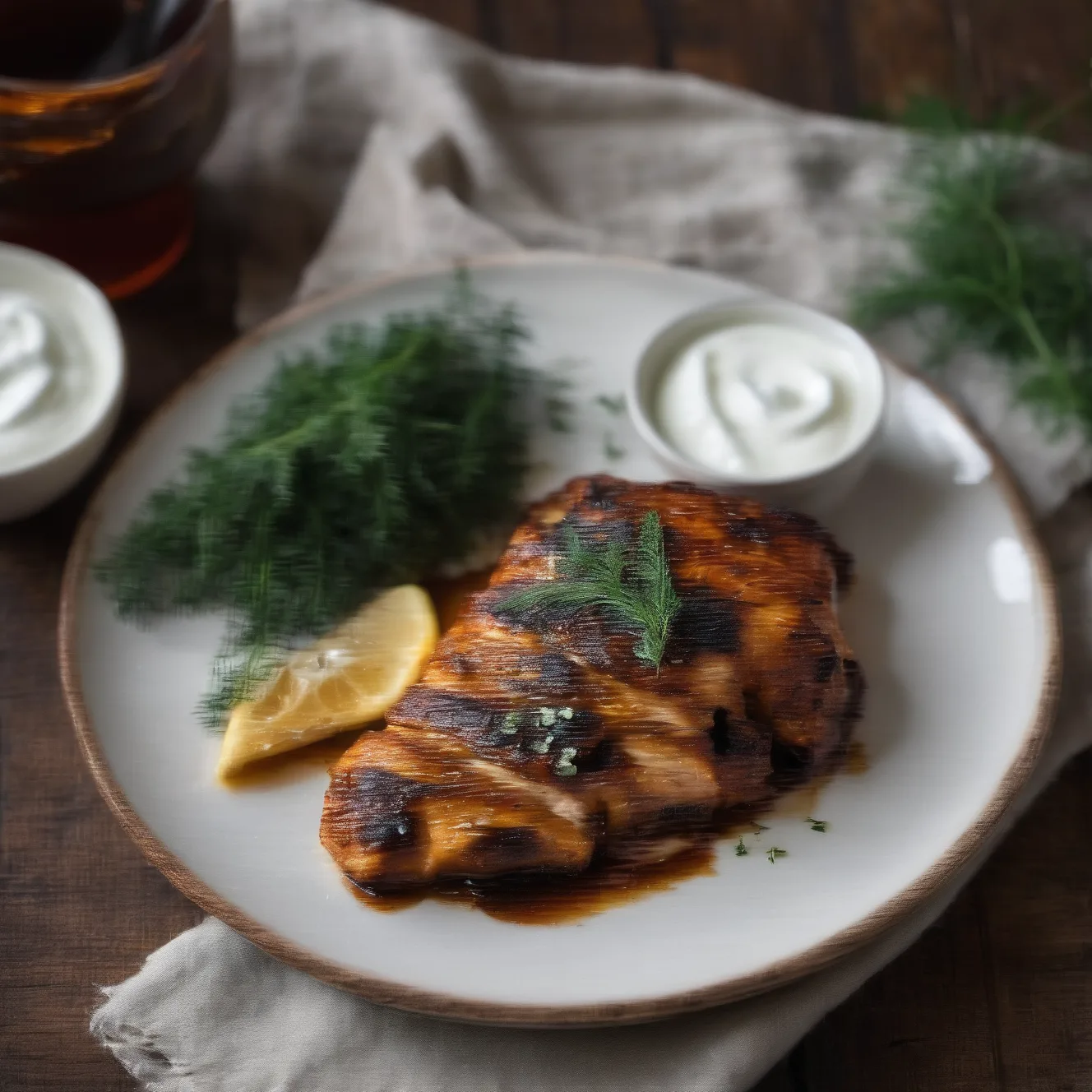
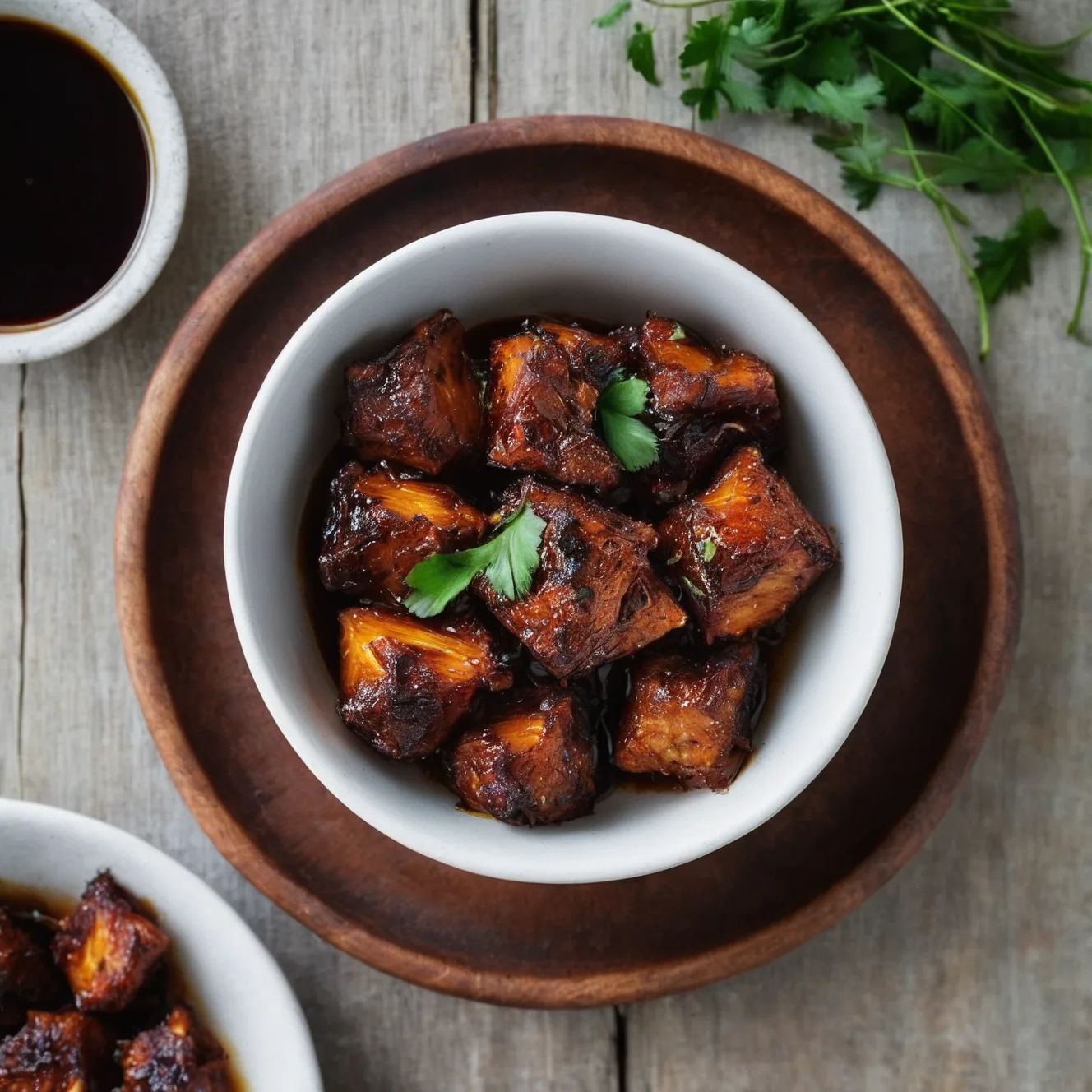
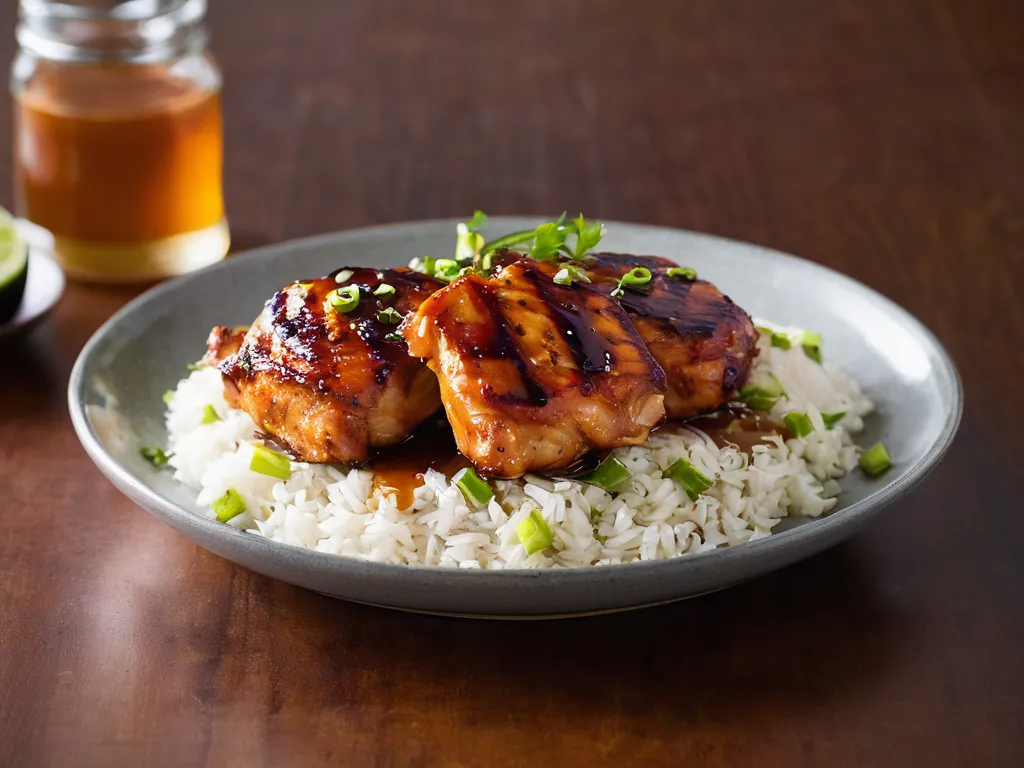
Make CAVA's iconic Harissa Honey Chicken at home — marinated chicken thighs glazed with harissa and honey, seared until caramelized. The same sweet, smoky, fiery flavor for a fraction of the restaurant price.

Easy Prep: 10 min (plus 30 min to overnight marinating) Cook: 12 min Total: 22 min4 servings ~$4.50/serving
Prep10 min (plus 30 min to overnight marinating)
Cook12 min
Total22 min
Servings
4
At home~$4.50/serving
vs
Restaurant~$20.25/serving
You save ~78%

Ingredients

Instructions

💡
Pro tip: This recipe tastes even better the next day. The flavors need time to meld together in the fridge.
❄️
Storage: Keeps in an airtight container in the fridge for up to 2 weeks. Freezer-friendly for up to 3 months.
~300-500 cal/serving

The Story Behind the Recipe

CAVA’s Harissa Honey Chicken is consistently the most-ordered protein at the chain — sweet, smoky, and just spicy enough, with a caramelized crust from the honey that you can’t fake by simply tossing harissa on grilled chicken. The good news: it’s genuinely simple to make at home. Four marinade ingredients, one hot pan, and 12 minutes.

What Makes CAVA’s Harissa Honey Chicken Distinctive

Per CAVA’s own ingredient disclosure, Harissa Honey Chicken is chicken thighs with a harissa made from roasted red peppers, red chili peppers, tomatoes, lemon, garlic, and spices, plus honey and salt. That’s it. The harissa CAVA uses is a roasted-pepper style — sweeter and fruitier than a purely dried-chili version — and the honey doesn’t just add sweetness; at high heat, the sugars caramelize against the pan into a sticky, slightly charred crust that no amount of sauce-at-the-end can replicate. You have to let it cook into the meat.

A quick note on this recipe: the smoked paprika and cumin in the marinade below are not on CAVA’s short ingredient label — they’re a small enhancement most home copycats add to deepen the smokiness and round out the harissa, since a jarred harissa can’t fully match the seasoned depth CAVA builds in its kitchen. If you want the strictest label-accurate version, leave them out and lean on harissa, honey, lemon, and garlic alone. Either way it tastes unmistakably like CAVA.

Two things make most home copycats fall short:

  1. Using breasts instead of thighs. CAVA uses thighs. They’re fattier, stay juicy under the high heat needed for caramelization, and have more flavor. Chicken breasts can work, but you’re always trading crust for dryness.
  2. Under-searing. The honey glaze only becomes that signature sticky-sweet crust when the pan is genuinely hot and the chicken sits undisturbed long enough to develop real contact. If you peek and flip too early, you get pale, soft chicken. Wait for the deep amber.
Choosing the Right Harissa

Not all harissa is the same, and this recipe turns on the harissa you pick.

CAVA uses a roasted-pepper harissa — milder, fruitier, and more tomato-forward than Tunisian-style dried-chili pastes. For a close match at home:

  • CAVA’s own harissa (sold at Whole Foods and online) is obviously the most accurate starting point if you can find it.
  • Mina brand harissa (red or spicy) is the most widely available grocery-store option with a similar roasted-pepper character.
  • Casablanca brand or any harissa labeled “Moroccan-style” tends to be milder and roasted-pepper-forward.
  • Avoid: purely dry-chili harissas sold in tubes or small cans — they’re hotter and earthier, and the flavor profile veers away from what CAVA does.

Taste your harissa before using it. If it’s very hot, start with 2 tablespoons and increase the honey to 3. If it’s mild, you can use the full 3 tablespoons and still get a pleasant heat.

The Honey-to-Harissa Ratio

CAVA’s version sits at about a 60:40 lean toward honey — meaning the sweetness comes first, the heat second. The ratio in this recipe (2 tbsp honey to 3 tbsp harissa) is close to that balance. Want it milder? Reverse to 3 tbsp honey, 2 tbsp harissa. Want more fire? Add a pinch of cayenne or use Mina Spicy harissa and hold the honey to 1.5 tablespoons. The recipe is forgiving — adjust to your heat tolerance.

Why Searing Technique Matters Here

The honey in the marinade caramelizes at around 300°F — lower than plain chicken skin. That means:

  • Medium-high heat, not screaming high. You want a steady, aggressive heat — not so hot that the honey burns black in the first 2 minutes.
  • No moving the chicken for the first 5 to 6 minutes. The honey creates a light seal against the pan that will release naturally once the crust forms. If you try to flip early, it tears.
  • The color you want: deep mahogany-amber, not pale tan and not charcoal. Pale means not enough heat or flipped too soon. Black means the honey burned and the flavor will taste bitter.

A cast-iron or heavy stainless-steel pan is significantly better here than non-stick. Cast iron holds high, even heat and builds the best crust. Non-stick pans are designed to prevent the kind of browning contact you need.

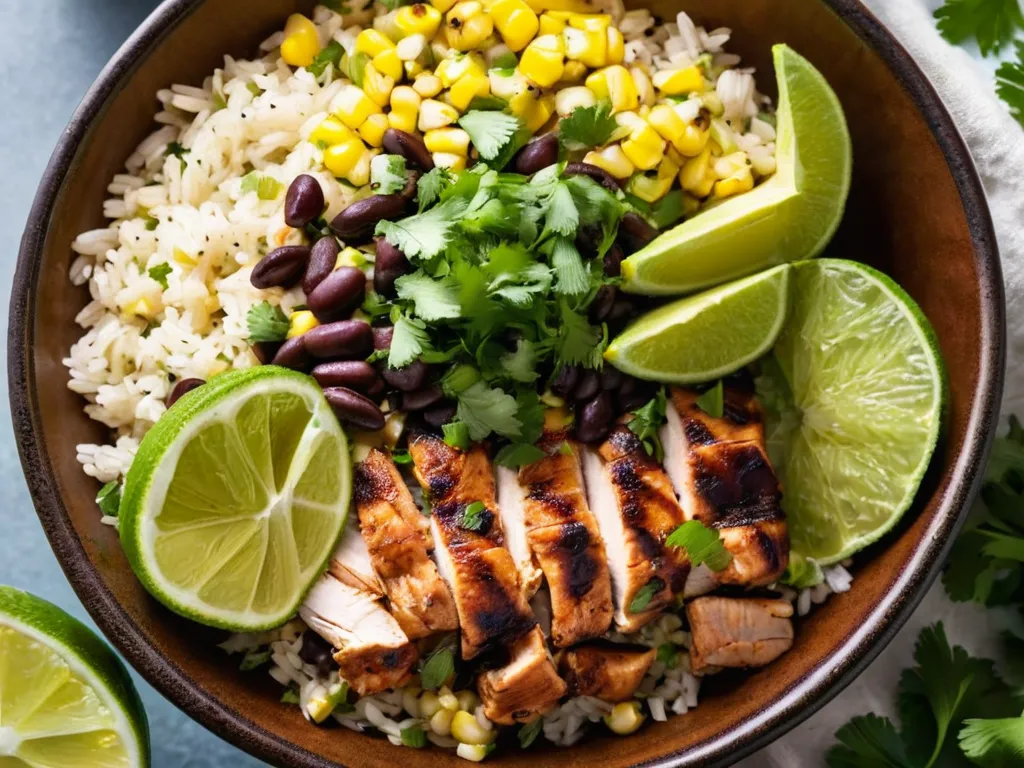
How to Build a CAVA Bowl at Home

CAVA’s grain bowls are what most people order this chicken in, and they’re easy to assemble at home:

Base: Saffron-scented basmati rice (stir a small pinch of saffron into the cooking water, or use the simpler route: a squeeze of lemon and a teaspoon of olive oil stirred into cooked rice).

Protein: Sliced Harissa Honey Chicken, still warm.

Dips and spreads: A big spoonful of CAVA Crazy Feta — the spicy whipped jalapeño feta that was made for this chicken. Add tzatziki if you want something cooling.

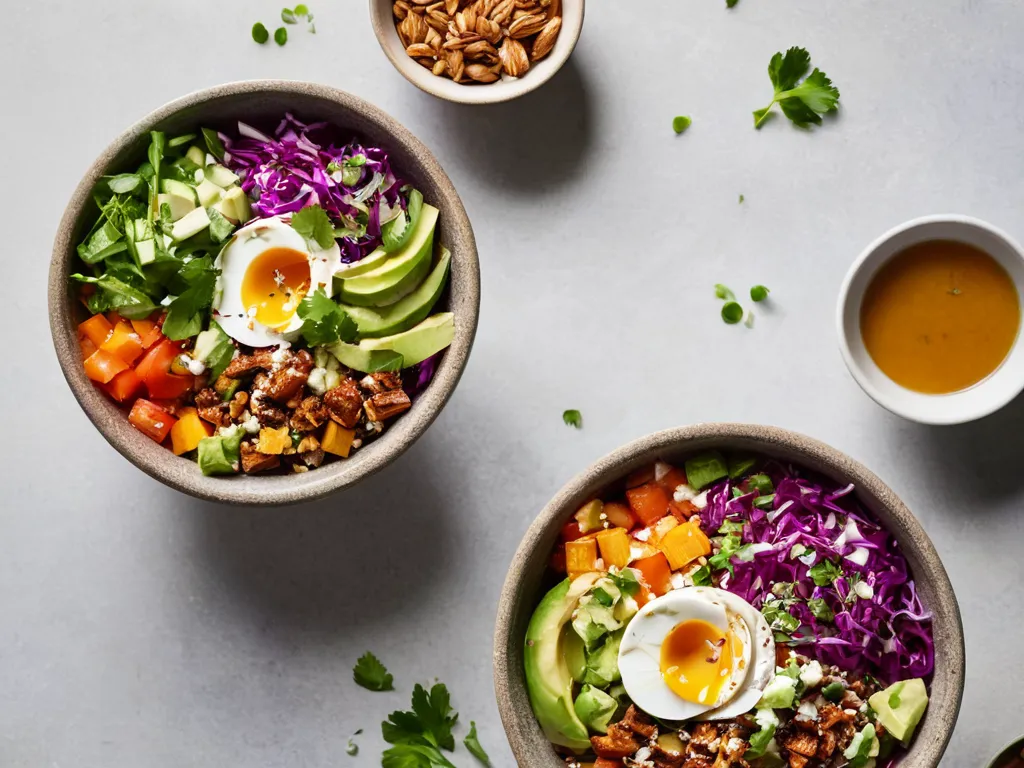
Fresh toppings: Diced English cucumber, halved grape tomatoes, shredded cabbage, pickled red onion, a few kalamata olives.

Finish: A drizzle of lemon herb tahini or a squeeze of fresh lemon over the top.

The key is contrast: the warm, sweet-spicy chicken against the cool, creamy feta and crunchy fresh vegetables. If you skip the Crazy Feta, try it once before deciding — the combination is the reason people drive out of their way for CAVA.

This chicken also pairs naturally with a viral chicken shawarma wrap vibe — swap the shawarma seasoning in that recipe for this harissa honey glaze and you get a fast-casual mashup that works in a pita with lettuce, tomato, and a heavy dose of tahini.

Meal Prep

This chicken is one of the most reliable meal-prep proteins there is. Make a double batch on Sunday:

  • It keeps 4 days in the fridge in an airtight container.
  • The honey glaze helps it stay moist even cold — it doesn’t dry out the way plain grilled chicken does.
  • Reheat in a dry skillet over medium heat (best) or microwave at 70% power (fastest).
  • Add to grain bowls, salads, wraps, or flatbreads throughout the week.

For freezer prep: freeze the marinade and raw chicken separately, combine only when thawing (lemon-acid marinades break down the surface texture if left too long). Or freeze the cooked chicken directly — it reheats from frozen at 350°F for about 20 minutes and holds up better than you’d expect.

Cost vs. Restaurant

At CAVA, a bowl with Harissa Honey Chicken runs $14–$17 depending on market. At home:

HomeCAVA
Chicken thighs (1.5 lbs)~$5
Harissa paste~$2
Other marinade ingredients~$1
Total for 4 servings~$8~$56–68

The math is dramatic. Same flavor, four servings, for the cost of one bowl. The CAVA Crazy Feta adds another $8–9 for two cups — still well under what CAVA charges for a single side.
Nutrition Facts

Per serving (4 servings)
Calories260
Total Fat14g
Total Carbs7g
Dietary Fiber2g
Sugars3g
Protein26g
Sodium670mg

* Estimated values based on standard recipe preparation. Actual values may vary.

Equipment You'll Need

Large cast-iron or stainless-steel skillet

The most important tool — cast iron or stainless holds high heat for a proper sear. Non-stick pans work but you lose some crust.

Instant-read thermometer

Chicken thighs are forgiving but a thermometer confirms 165°F without guessing

Cutting board

For resting and slicing — essential for bowl-style serving

Frequently Asked Questions

What harissa does CAVA use, and what brand should I buy?

CAVA's own ingredient label lists Harissa made from red bell peppers, roasted red peppers, tomatoes, sunflower oil, red chili peppers, lemon juice, garlic, and spices — so it's a roasted-pepper harissa, not a pure dried-chili paste. For a close match, look for CAVA's own bottled harissa (sold at Whole Foods and online), or use Mina brand harissa, which has a similar roasted-pepper sweetness. Avoid purely dry-chili harissas like some Tunisian-style ones — they're hotter and earthier than CAVA's fruity version. If mild matters, use less harissa and more honey; the ratio is forgiving.

Can I use chicken breasts instead of thighs?

You can, but chicken thighs are the right call here for two reasons. CAVA itself uses thighs, and thighs stay juicy at the high heat needed to caramelize the honey glaze. Breasts are leaner and dry out if you push for a real sear — you end up choosing between a crust and a dry texture. If you're committed to breasts, pound them to an even 3/4-inch thickness, cut the cook time to about 4 minutes per side, and pull them at 160°F (they'll coast to 165°F while resting).

How do I make a CAVA-style grain bowl with this chicken?

CAVA's bowls start with a base (saffron basmati rice, lemon herb rice, or RightRice), then add dips and toppings. For a home version: cook a batch of basmati rice with a pinch of saffron or a squeeze of lemon stirred in at the end. Spoon the sliced chicken over the rice with a generous dollop of CAVA Crazy Feta, a handful of diced cucumbers, some sliced kalamata olives, pickled onions, and a drizzle of tzatziki. A spoonful of harissa on the side is optional heat for people who want it. The point is layering contrasts — cool feta against warm chicken, acid from the pickled onion against the rich honey glaze.

How spicy is CAVA's Harissa Honey Chicken?

Mild-to-medium. The honey significantly rounds out the harissa heat, making it more sweet-warm than outright spicy. Most people who think they don't like spicy food handle it fine. At home you control the ratio — start with 2 tablespoons harissa and 3 tablespoons honey for a milder glaze; reverse it for more heat. If you want it noticeably spicy, use a hotter harissa (Mina makes a Spicy version) or add a pinch of cayenne to the marinade.

Can this chicken be made ahead for meal prep?

Yes — this is one of the best meal-prep proteins there is. Cook a full batch, cool completely, and store in an airtight container in the fridge for up to 4 days. The honey glaze keeps the chicken moist even after reheating. To reheat: a dry skillet over medium heat for 2 to 3 minutes per side restores some of the crust; a microwave at 70% power in 60-second bursts works for speed. For freezer prep, freeze the marinade and raw chicken separately and only combine when thawing — don't store raw chicken in the lemon-acid marinade for more than 2 hours even in the fridge, or the texture on the surface turns mushy. Freeze the cooked chicken if you want a true make-ahead option; it reheats well from frozen at 350°F for 20 minutes.

Why does my honey glaze burn in the pan?

Honey's high sugar content caramelizes at lower temperatures than savory glazes — about 300°F vs. 350°F for plain chicken. Two fixes: (1) medium-high heat rather than high, and (2) don't walk away. The first 5 to 6 minutes should produce a deep amber crust, not a black one. If the pan is smoking heavily or the edges are turning very dark fast, drop the heat to medium and continue. The honey also makes the pan fond (the brown bits) darker than usual — that's flavor, not burning, as long as it's amber and not black.

What does CAVA's Harissa Honey Chicken taste like?

Sweet, smoky, and fiery in that order, with a slight char from the high-heat sear and a caramelized crust the honey creates. The harissa brings a roasted-pepper earthiness with gentle heat; the honey softens the edges into something more jammy and less aggressive. It's one of the most distinct flavors in fast-casual — recognizably Mediterranean but not like any single dish from the region. People who've had it often describe it as 'the best thing at CAVA,' which is why the copycat search volume is so high.

Love this recipe? Share it!

Shop the tools

Gear matched to this recipe's equipment list. We may earn a small commission if you buy through these links — at no extra cost to you.

As an Amazon Associate, Copycat Spices earns from qualifying purchases.

Free PDF: our 12 most-wanted copycat recipes — instant download.

Ratings & Reviews

No ratings yet

Rate this recipe

Click a star to rate

Leave a Review

0/500

CS

Copycat Spices Test Kitchen

Every recipe on Copycat Spices is developed and tested in our home test kitchen. We reverse-engineer beloved restaurant dishes and refine each one until the flavors and the instructions work reliably for home cooks of all skill levels.

Learn more about our mission →