


Pin It

Viral TikTok Greek Yogurt Marinated Chicken (Juicier Than Any Brine)

Viral TikTok Greek Yogurt Marinated Chicken (Juicier Than Any Brine)
Jump to Recipe
Prep 10 min Cook 25 min Serves 4
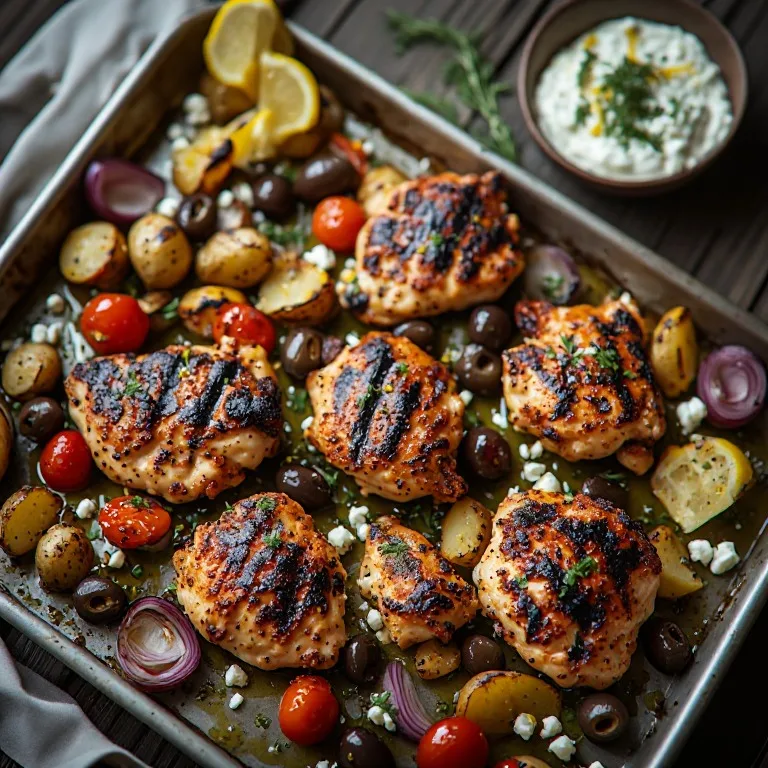
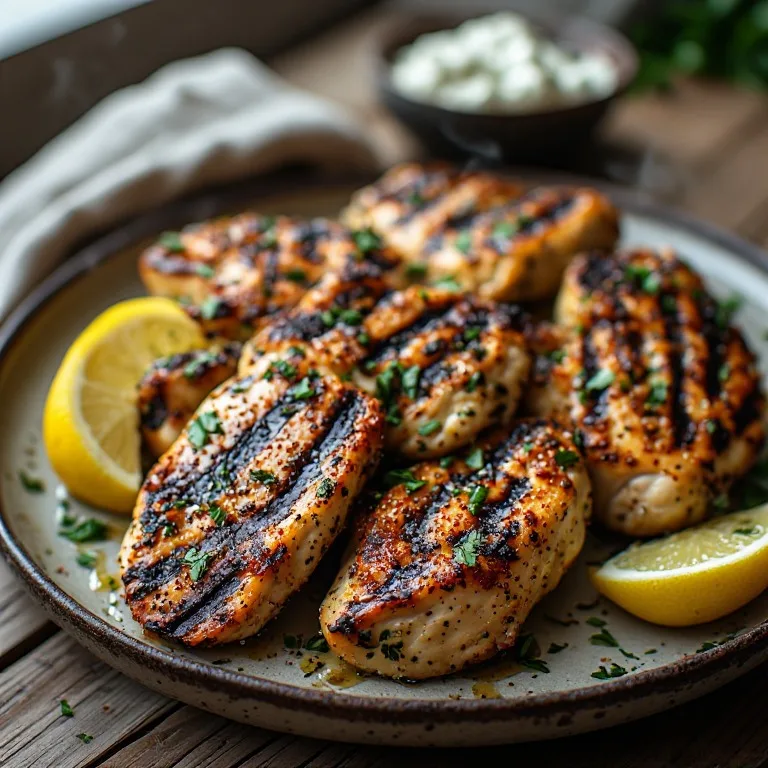
Quick answer: Whisk together 1 cup full-fat Greek yogurt, 3 minced garlic cloves, 2 tablespoons olive oil, the juice of 1 lemon, 1 teaspoon smoked paprika, 1 teaspoon dried oregano, ½ teaspoon ground cumin, 1 teaspoon kosher salt, and ½ teaspoon black pepper. Coat 1½ lbs boneless skinless chicken thighs completely and marinate in the fridge for at least 2 hours or up to 24. To cook: preheat a grill or grill pan to medium-high. Shake off the thick yogurt excess (leave a thin coating), then grill 5–7 minutes per side until the internal temperature hits 165°F. The yogurt coating chars and crisps while the inside stays completely moist. Alternatively bake at 425°F for 22–25 minutes. Let rest 5 minutes before slicing. The yogurt is the tenderizer — its lactic acid gently loosens muscle fibers without the aggressive texture change you get from acidic marinades.

Shop the tools

Gear matched to this recipe. These are Amazon affiliate links — we may earn a small commission if you buy, at no extra cost to you.

As an Amazon Associate, Copycat Spices earns from qualifying purchases. Product images are generic illustrations, not the exact item listed.

Viral TikTok Greek Yogurt Marinated Chicken (Juicier Than Any Brine)

The TikTok-famous Greek yogurt chicken marinade that actually works: yogurt + garlic + lemon + paprika turns boneless thighs into the juiciest chicken you've ever made. 38g protein per serving, under 300 calories. Here's the exact formula and why the yogurt does what a brine can't.

Easy Prep: 10 min Cook: 25 min Total: 35 min4 servings ~$4.50/serving
Prep10 min
Cook25 min
Total35 min
Servings
4
At home~$4.50/serving
vs
Restaurant~$20.25/serving
You save ~78%

The Story Behind the Recipe

Greek yogurt as a chicken marinade has roots in tandoori cooking — South Asian chefs have used yogurt as a marinade base for centuries because the dairy's lactic acid tenderizes meat without breaking it down into mush the way vinegar or lime juice can when used in excess. TikTok discovered the same principle in 2023 when several creators posted side-by-side videos: plain marinated chicken on one side, Greek yogurt-marinated on the other, same grill, same time. The yogurt chicken was visibly juicier, with a thin charred crust that sealed in the moisture. The videos spread fast because the result was impossible to argue with — even 30 minutes of marinating produced noticeably different chicken.

The science: full-fat Greek yogurt has a pH around 4.0–4.5. That mild acidity unwinds some of the tightly coiled proteins in the muscle fiber, letting the meat absorb the spices and making it more tender after cooking. The yogurt's fat also coats the meat in a layer that slows heat penetration, acting like a mild insulator so the exterior doesn't overcook before the interior is done. At home this translates directly: where a bone-dry chicken breast might need to hit 160°F before it feels safe, the yogurt-marinated version stays visibly moist at 165°F with no rubbery texture. A comparable plate at a Mediterranean restaurant — grilled chicken over greens with tzatziki — runs $16–22; this recipe feeds four for $8–10 total.

Nutrition Facts

Per serving (4 servings)
Calories285
Total Fat13g
Total Carbs4g
Dietary Fiber0g
Sugars3g
Protein38g
Sodium640mg

* Estimated values based on standard recipe preparation. Actual values may vary.

Ingredients

  • Marinade
  • Chicken
  • To finish

Instructions

💡
Pro tip: This recipe tastes even better the next day. The flavors need time to meld together in the fridge.
❄️
Storage: Keeps in an airtight container in the fridge for up to 2 weeks. Freezer-friendly for up to 3 months.
🎃 Free Halloween cookbook — download now The Copycat Halloween Cookbook A ready-made, photo-illustrated PDF of our best halloween copycat recipes — free to download, no building required. Pay what you want to support if you love it.

Free PDF — instant download. We'll also send new seasonal copycat recipes now and then; unsubscribe anytime. Or just download it →

The TikTok Viral Healthy Chicken Recipe That Actually Works

Greek yogurt marinated chicken became one of the most-shared cooking techniques on TikTok because the result is genuinely impossible to argue with: the same grill, same temperature, same cook time — and the yogurt-marinated chicken comes out dramatically juicier than anything marinated in oil and vinegar alone. It is also one of the healthiest viral recipes to come out of FoodTok: 38 grams of protein per serving, under 300 calories, naturally gluten-free, and built from five pantry staples.

The technique is not new — South Asian chefs have been using yogurt as a marinade base in tandoori cooking for centuries. But TikTok popularized it for Western home cooks who were already burning through chicken breasts on a weekly basis and frustrated by how easily they dried out. The yogurt does two things: its mild lactic acid tenderizes the muscle fibers before any heat is applied, and its fat creates an insulating layer on the surface that slows the exterior from overcooking while the interior catches up.

Search “viral TikTok Greek yogurt chicken marinade” and you’ll find hundreds of videos racking up millions of combined views — but most skip the details that make or break the result. Below is the full version, with every question those clips leave unanswered answered: exact ratios, how long to marinate, why thighs beat breasts, and how to cook it three ways.

Why It Works (The Actual Science)

Full-fat Greek yogurt sits at pH 4.0–4.5 — acidic enough to begin loosening the proteins on the surface of the chicken, but not so acidic that it cooks them the way lemon juice or vinegar does when used in large amounts over long periods. The result is meat that is genuinely more porous going into the pan: spices penetrate deeper, and the texture after cooking is more relaxed and tender rather than tight and springy.

The fat content in full-fat Greek yogurt is the second mechanism. As the chicken cooks, the yogurt layer on the surface acts as an insulator — it slows down the rate at which the exterior reaches high temperatures, giving the interior more time to come up to temperature without the outside overcooking. This is why the recipe is so forgiving: the yogurt buys you a real margin of error.

What to Serve With It
  • Mediterranean grain bowl: warm rice or farro base + sliced chicken + hummus + diced cucumber + cherry tomatoes + Kalamata olives + drizzle of olive oil
  • Pita pocket: stuff a warmed pita with sliced chicken, a spoonful of tzatziki, shredded iceberg lettuce, and a few thin slices of red onion — dinner in 3 minutes flat
  • Simple salad: arugula, sliced cucumber, cherry tomatoes, and red onion dressed with olive oil and lemon; chicken on top with a pinch of flaky salt
  • Cava-style bowl: greens + chicken + roasted red peppers + pickled onions + feta + lemon herb tahini — the version that costs $18 at a fast-casual spot and $2.50 at home
Meal Prep Notes

This chicken is as good on day three as it is on day one. Slice the thighs after cooking and store in an airtight container in the refrigerator for up to 4 days. Use cold in wraps and grain bowls; reheat in a skillet over medium heat for 2 minutes per side to re-crisp the surface, or in a 350°F oven for 8 minutes on a wire rack. Microwaving works but softens the exterior — if you have 8 minutes, use the oven.
🥗

Make It Healthier

Love Viral TikTok Greek Yogurt Marinated Chicken (Juicier Than Any Brine) but want a lighter version? Try these simple swaps:

  • ✓Non-fat Greek yogurt reduces the fat to about 7 grams per serving, but the coating behavior changes — non-fat yogurt has less fat to form the moisture barrier, and the chicken loses a bit of juiciness. If you want to go lighter, use 2% Greek yogurt rather than non-fat as a middle ground.
  • ✓For a lower-sodium version, reduce the salt to ½ teaspoon and rely on the lemon juice and spices to do more work. The lemon's brightness reads as salt-adjacent on the palate and compensates reasonably well.
  • ✓Serve over a bed of arugula or massaged kale instead of a grain base to keep the meal under 350 calories total without sacrificing any satisfaction from the main protein.

Frequently Asked Questions

Why does Greek yogurt make chicken so much juicier than a regular marinade?

Two mechanisms. First, the lactic acid in yogurt (pH 4.0–4.5) gently denatures surface proteins in the chicken, making the muscle fibers more porous so the spices penetrate deeper than they would with a dry rub. This same denaturation is what makes the chicken feel more tender after cooking — the cell walls have loosened slightly before any heat hits them. Second, the thick fat content in full-fat Greek yogurt coats the surface of the chicken and acts as an insulating layer during cooking, slowing down the rate at which the exterior heats up. The practical result: where a plain chicken thigh might dry out if you overshoot 170°F by even a few degrees, the yogurt-marinated version stays visibly moist at 175–180°F. This is why the recipe works even for cooks who frequently overcook chicken — there is real built-in protection.

Can I use regular yogurt instead of Greek yogurt?

Regular (non-strained) yogurt is thinner and has a higher water content than Greek yogurt. It will work as a marinade — the lactic acid is present either way — but the coating behavior on the grill is different. Regular yogurt doesn't form a distinct layer on the surface of the chicken; it mostly slips off during the shaking step, and what remains doesn't char the same way. For the full TikTok-style result with visible grill marks on a lightly charred coating, full-fat Greek yogurt is the specific ingredient.

Does it matter how long I marinate the chicken?

Yes, but there are real limits. Thirty minutes makes a difference compared to no marinating. Two hours is noticeably better — the spices have time to penetrate beyond the immediate surface. Eight to twelve hours is the sweet spot where flavor is fully developed and the tenderizing effect is at its peak without any texture degradation. Beyond 24 hours, the acid starts to over-tenderize the outer layer of the chicken, giving the surface a slightly mushy, cooked texture even before it hits the heat. If you need to marinate longer than 24 hours, reduce the lemon juice to 1 tablespoon to slow the acid's activity.

What can I serve with this to keep it healthy?

The natural pairing is Mediterranean: a simple chopped cucumber-tomato-red onion salad dressed with olive oil and lemon, served alongside the chicken with a spoonful of store-bought tzatziki. For a higher-carb but still healthy version, serve over cooked farro or orzo with a handful of arugula. For a grain bowl version that mirrors the TikTok aesthetic, use a base of warm rice, add the sliced chicken, top with hummus, sliced cucumbers, cherry tomatoes, Kalamata olives, and a drizzle of olive oil. A pita pocket stuffed with chicken, tzatziki, and shredded iceberg is the fastest weeknight version.

Can I make this in the oven instead of the grill?

Yes — preheat to 425°F, place the chicken on a wire rack over a foil-lined sheet pan, and bake 22–25 minutes. Switch to broil for the last 3–4 minutes to get browning on the top surface. The oven version won't have grill marks or smokiness, but the chicken is equally moist. The broil step is important: without it, the oven produces pale, soft-surfaced chicken that lacks the textural contrast of the grilled version. Do not skip the wire rack — setting the chicken directly on the pan causes the bottom to steam instead of roast, and the underside stays pale and wet.

Why do the TikTok videos always use chicken thighs instead of breasts?

Thighs have a fat content of about 9 grams per 3.5 oz serving compared to about 3 grams in a breast. That fat melts into the meat during cooking and keeps it moist even if you slightly overcook it — a thigh can survive reaching 175–180°F and still taste good. A breast cooked to 170°F is already dry. The irregular shape of thighs also creates more surface area for the yogurt coating to grip, which means more of that charred, tangy exterior per bite. That said, chicken breasts work fine in this recipe with two adjustments: pound them to an even ½-inch thickness before marinating so they cook evenly, and pull them off heat at exactly 165°F — there is less margin for error.

Love this recipe? Share it!

Free PDF: our 12 most-wanted copycat recipes — instant download.

Made it? Buy us a coffee

Every recipe here is free, with no paywalls. If this one was a hit at your table, a small tip keeps new copycats coming.

$

Ratings & Reviews

—
No ratings yet

Rate this recipe

Click a star to rate

Leave a Review

0/500

CS

Copycat Spices Editorial

Researched + fact-checked. Every recipe on Copycat Spices is built from published sources — official ingredient lists, brand-published recipes, interviews and food-science references — and fact-checked before it goes live, then written as clear, step-by-step instructions for home cooks of all skill levels.

Learn more about our mission →