Pin It

Copycat Chipotle Chicken al Pastor

Copycat Chipotle Chicken al Pastor
Jump to Recipe
Prep 20 min (plus 2+ hours marinating) Cook 15 min Serves 4
Quick answer: Chipotle's Chicken al Pastor is boneless chicken thighs marinated in a blended sauce of seared morita chile peppers, achiote paste, chipotle in adobo, pineapple, and lime. The morita chiles are toasted dry in a skillet first — that searing step is the single move that separates this from a generic copycat. Per Chipotle's own description: 'seared morita peppers and ground achiote balanced with a splash of pineapple, fresh lime, and hand-chopped cilantro.' Nutrition for the protein portion: 200 cal / 23g protein / 11g fat / 4g carbs. A full bowl (white rice, black beans, corn salsa, tomato salsa, cheese, guac) runs roughly 685–700 cal with ~39g protein. This is a recurring limited-time offering that ran February 10 – April 27, 2026 before rotating off — so the copycat is the best way to have it year-round.

Copycat Chipotle Chicken al Pastor

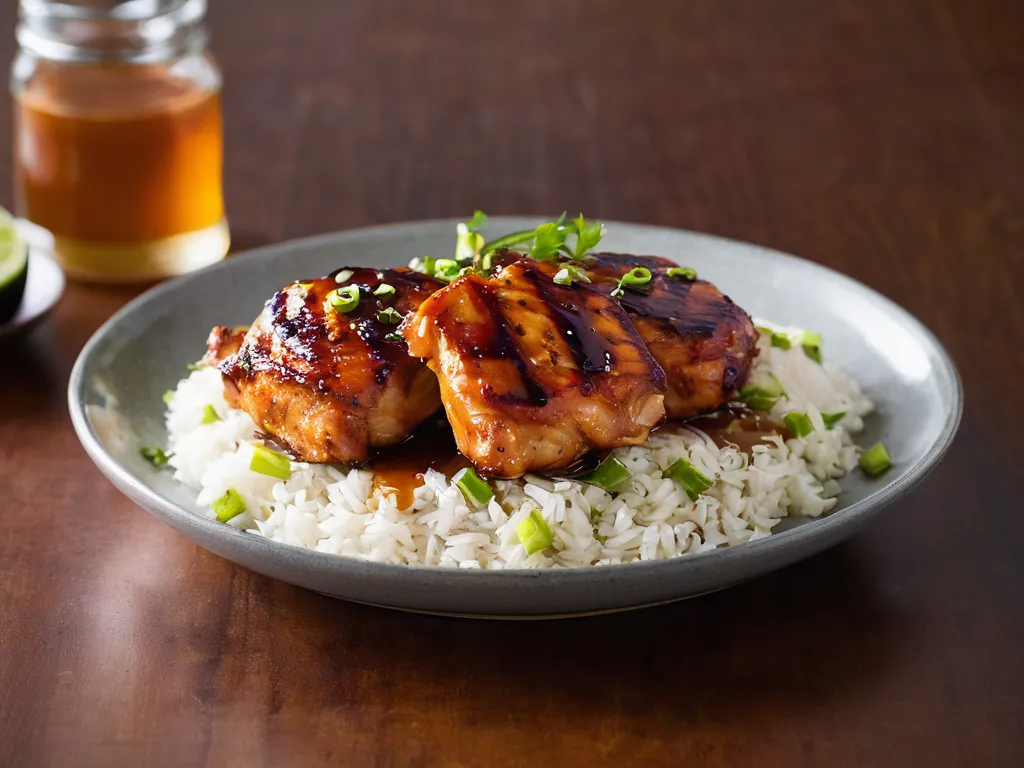
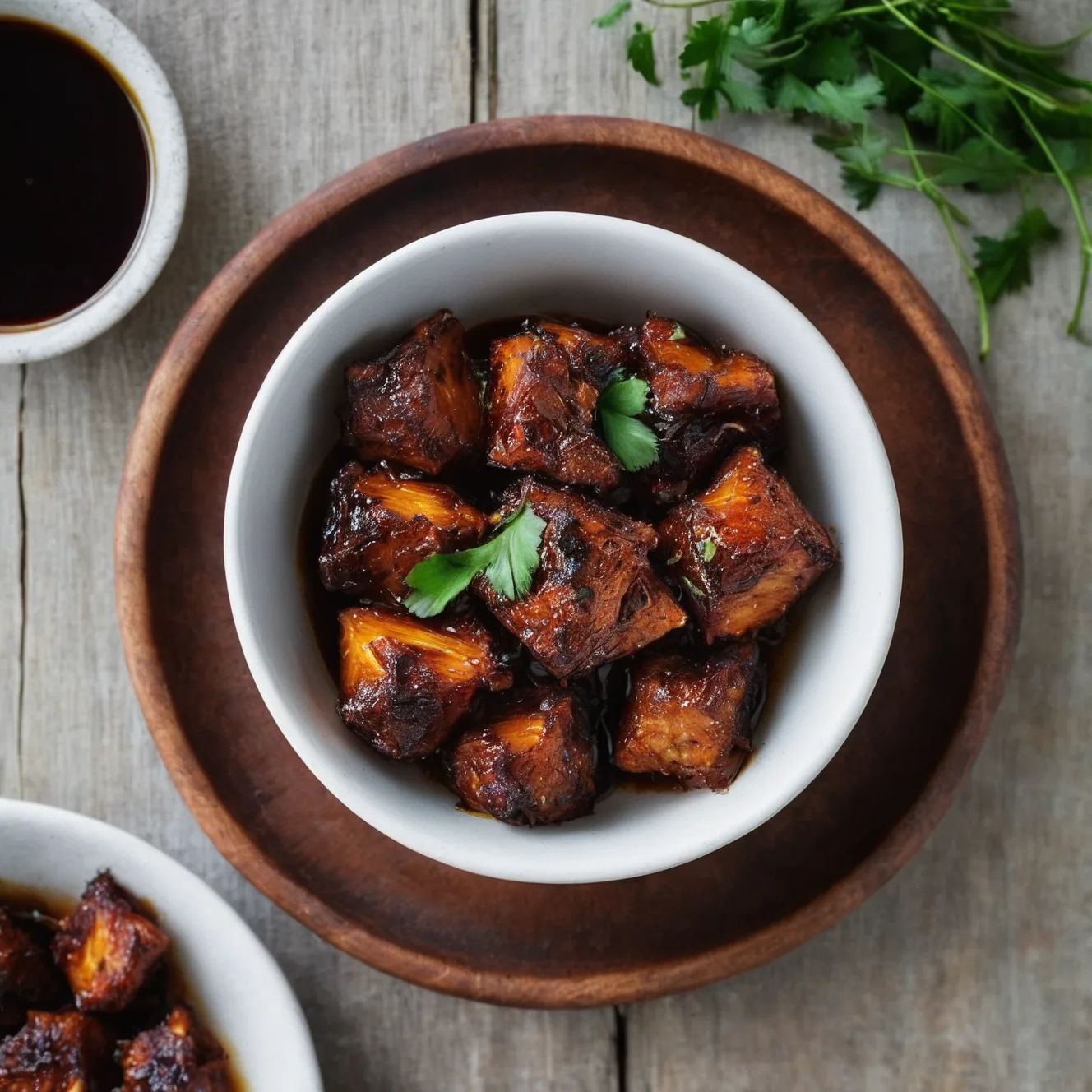
Make Chipotle's fan-favorite Chicken al Pastor at home — morita-chile-and-achiote-marinated thighs with pineapple, finished with fresh lime and cilantro. The exact flavor the chain keeps rotating off the menu.

Medium Prep: 20 min (plus 2+ hours marinating) Cook: 15 min Total: 35 min4 servings ~$4.50/serving
Prep20 min (plus 2+ hours marinating)
Cook15 min
Total35 min
Servings
4
At home~$4.50/serving
vs
Restaurant~$20.25/serving
You save ~78%

Ingredients

Instructions

💡
Pro tip: This recipe tastes even better the next day. The flavors need time to meld together in the fridge.
❄️
Storage: Keeps in an airtight container in the fridge for up to 2 weeks. Freezer-friendly for up to 3 months.
~350-550 cal/serving · Rich & Indulgent🔥

The Story Behind the Recipe

Chipotle’s Chicken al Pastor is a limited-time protein the chain keeps rotating off the menu — which is exactly why search traffic for a copycat recipe doesn’t seasonally dip the way it would for a permanently available item. People want it when it’s gone. The good news: the flavor is genuinely reproducible at home, and the two unfamiliar ingredients it requires (morita chiles and achiote paste) are available at any Mexican grocery store or online.

The key difference from regular Chipotle chicken is not the pineapple — it’s the morita chile and the achiote. Most copycat recipes lead with pineapple as the defining ingredient, which is why most copycats taste like slightly sweet chipotle chicken rather than al Pastor. The pineapple is a supporting note. The moritas and achiote are the actual character.

What Chipotle Says vs. What the Marinade Does

Per Chipotle’s own press language: the dish features “seared morita peppers and ground achiote balanced with a splash of pineapple, finished with fresh lime and hand-chopped cilantro.” That’s a useful ordering of priorities. Moritas first, achiote second, pineapple as a balancing note.

At home, you have to replicate the “seared” part yourself — and it matters. Chipotle toasts the dried morita peppers in a hot pan before incorporating them rather than just rehydrating them. Toasting for 20–30 seconds per side deepens the smokiness and pulls out the chocolate-plum undertone that distinguishes moritas from a standard dried chipotle. Skip this step and the marinade reads as one-dimensional.

Morita Chiles vs. Chipotle Peppers in Adobo

Both are smoked jalapeños, but they’re meaningfully different:

MoritaChipotle in adobo
Drying timeShorter, stays red and fruityLonger, turns brown and dry
TextureSlightly leathery, pliableHard/brittle (dried) or soft (canned in sauce)
FlavorFruity, chocolate-plum, moderate smokeDeep smoke, savory, more intense
Color in marinadeBright red-orangeDark brown-red

This recipe uses both: moritas for the fruity brightness and a small amount of canned chipotle-in-adobo for savory depth underneath. The combination — two smoke registers on top of the achiote’s earthy base — is what makes the marinade complex enough to actually taste like the restaurant version.

Achiote: The Ingredient Most Copycats Miss

Achiote paste is ground annatto seeds combined with garlic, spices, and vinegar. It’s a fundamental ingredient in Yucatecan and Caribbean Mexican cooking. At Chipotle, it provides two things: the vivid deep-orange color and an earthy, slightly bitter undertone that prevents the marinade from reading as just “spicy chicken.” Without it, the bowl lacks a certain low-frequency earthiness. With it, the flavor has a complexity that resembles the restaurant even before you add the salsa.

Find it in Latin grocery stores near the dried chiles — El Yucateco and El Mexicano sell it as a small red brick, which is the form you want. It’s also widely available online.

Why the Pineapple Serves Double Duty

The 1/2 cup of pineapple in this marinade is not decorative. It does two things:

  1. Enzymatic tenderizing. Raw pineapple contains bromelain, which breaks down the surface proteins in the chicken. After 2+ hours, the texture is noticeably more tender than the same chicken marinated without pineapple.
  2. Balancing sweetness. The moritas and achiote are assertively savory and earthy. A small amount of pineapple brightness keeps the marinade from becoming dense and one-note. Chipotle’s own description credits the pineapple with balancing the marinade “for the right amount of heat.”

Don’t marinate for more than 12 hours. Bromelain works fast and will start turning the surface mealy if you push much past overnight.

Getting the Char Right

The achiote paste turns the marinade reddish-orange, which means the chicken will look darker during cooking than it actually is. This causes most people to pull it early. Two rules:

  1. Use a thermometer, not color, as your doneness signal.
  2. The pan needs to be hot enough to get actual black char edges — not just brown. Chipotle cooks on a plancha at very high heat. A cast-iron skillet over medium-high heat gets close; a stainless steel pan at the same temperature also works.

The reddish crust you see at Chipotle is achiote plus high heat. The slightly charred edges are where the morita marinade caramelizes. You want both.

Recommended Bowl Build

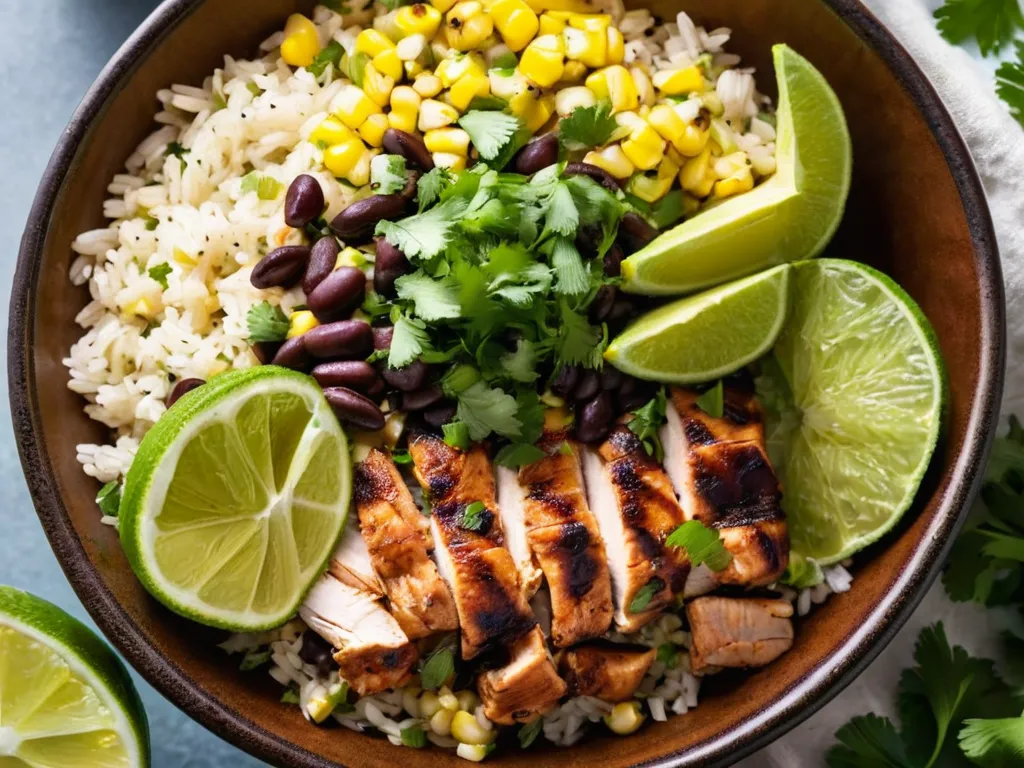
Chipotle’s own suggested pairing (from the February–April 2026 run): white rice, black beans, roasted chili-corn salsa, fresh tomato salsa, cheese, and guacamole. The sweet corn salsa echoes the pineapple note in the chicken without duplicating it. The fresh tomato salsa keeps the bowl bright. Skip the sour cream — the guac is rich enough.

Macro breakdown for that build: approximately 685–700 calories, 39–40g protein, 10g fiber.

The protein alone (as served at Chipotle, ~4 oz portion): 200 calories, 23g protein, 11g fat, 4g carbohydrates.

Build the Rest of the Bowl

The al Pastor is the protein swap — everything else in a Chipotle bowl stays the same. Use these to assemble the full spread:

See all Chipotle copycat recipes →

Nutrition Facts

Per serving (4 servings)
Calories690
Total Fat26g
Total Carbs62g
Dietary Fiber10g
Sugars6g
Protein40g
Sodium870mg

* Estimated values based on standard recipe preparation. Actual values may vary.

🥗

Make It Healthier

Love Chipotle Chicken al Pastor but want a lighter version? Try these simple swaps:

  • Skip the cheese and sour cream — the chicken's flavor is strong enough to carry the bowl without it. Saves ~150 cal.
  • Use cauliflower rice in place of cilantro-lime rice to cut carbs significantly without changing the protein layer at all.
  • Reduce the achiote paste to 1 tablespoon if you want a slightly lighter color and milder earthy flavor — the morita chiles still carry the dish.

Equipment You'll Need

Blender or food processor

Blends the rehydrated morita chiles and marinade ingredients into a smooth sauce; a high-powered blender gives the silkiest result

Dry cast-iron skillet or heavy sauté pan

Two jobs: toasting the morita chiles, then searing the marinated chicken

Instant-read thermometer

Confirms chicken reaches 165°F — the achiote gives the exterior a reddish color that can look done when it isn't

Cutting board and sharp chef's knife

For chopping the cooked chicken Chipotle-style into bite-sized pieces rather than slices

Frequently Asked Questions

What are morita chile peppers and where can I buy them?

Morita chiles are smoked, dried red jalapeños — closely related to chipotles, but dried for a shorter time, which keeps them softer and fruitier with a subtle chocolate-plum undertone. They are not the same as the chipotle peppers in a can of chipotles in adobo (those are smoked longer and drier). You can find dried moritas at Mexican grocery stores, Whole Foods (in the bulk spice aisle), or online. They look like small, dark reddish-brown dried peppers. In a pinch, 2 extra chipotles in adobo can stand in, but the flavor will be smokier and less fruity — closer to regular Chipotle chicken than to the al Pastor version.

What is achiote paste and can I substitute it?

Achiote paste (also called recado rojo) is made from annatto seeds ground with garlic, oregano, cumin, and vinegar. It has an earthy, slightly peppery, mildly bitter flavor and gives the chicken its signature deep orange-red color. You'll find it in Latin grocery stores near the dried chiles, or online — look for the small red brick. El Yucateco and El Mexicano make widely available versions. If you can't find the paste, 1 tablespoon ground annatto (achiote) powder, which Badia and other brands sell in the spice aisle, dissolved in a teaspoon of oil is a reasonable substitute, though the flavor will be less complex. Avoid pre-mixed sazón blends here — they carry added salt and MSG that will throw off the marinade's seasoning.

Is Chipotle's Chicken al Pastor currently on the menu?

As of August 2026, no. Chicken al Pastor is a recurring limited-time offering. It first launched in March 2023, returned in 2024, and came back again on February 10, 2026 — Chipotle calls it their most-requested LTO. The 2026 run lasted approximately 11 weeks, ending around April 27, 2026 when Chipotle replaced it with Honey Chicken on April 28. Chipotle has signaled it plans 3–4 protein LTOs per year (roughly double its historical pace), so al Pastor is likely to rotate back — but without a confirmed return date as of now. That's exactly why the copycat exists: it tastes genuinely different from regular Chipotle chicken, and most people can only get it a few months a year when the chain decides to bring it back.

How is this different from regular Chipotle chicken?

Regular Chipotle chicken is adobo-marinated — chipotle peppers in adobo sauce, cumin, oregano, garlic. The result is deeply smoky and savory. Chicken al Pastor adds two ingredients the regular chicken never uses: morita chiles (fruitier, more complex smoke) and achiote paste (earthy, slightly bitter, vivid red-orange color). The third key addition is pineapple, which brightens and sweetens the marinade in a way that contrasts with the smoke. The flavors are genuinely distinct — al Pastor reads as smoky-earthy-fruity while regular chicken reads as smoky-savory.

Why does Chipotle chop the chicken instead of slicing it?

All Chipotle proteins are chopped, not sliced. The technique maximizes surface area so more of the chicken has caramelized crust edges, which is where most of the flavor lives. It also means every bite in a bowl has a mix of crust pieces and interior pieces. At home, resist the urge to slice neatly — rough chopping with a heavy knife is the right move.

Can I make this ahead for meal prep?

Yes, and it's one of the better meal-prep proteins. Cook a full batch, cool completely, and refrigerate in an airtight container for up to 4 days. Reheat in a dry skillet over medium heat for 2–3 minutes — it restores some of the crust. The marinade itself (without chicken in it) can also be made up to 4 days ahead; store covered in the fridge. For freezer prep, freeze the cooked, chopped chicken in a single layer before transferring to a bag — it reheats well from frozen at 350°F for 15–20 minutes. Don't freeze raw chicken in this marinade (the pineapple's bromelain enzyme will start breaking down the protein surface into mush).

My chicken looks very dark outside but the inside isn't done. What happened?

The achiote paste causes premature visual darkening — the red pigment makes the exterior look deeply caramelized even when the internal temperature is still 140–150°F. Always use an instant-read thermometer and pull at 165°F. A common mistake is pulling the chicken early because it 'looks done' and ending up with undercooked centers. The dark reddish-orange color is not the same as char.

Love this recipe? Share it!

Free PDF: our 12 most-wanted copycat recipes — instant download.

Ratings & Reviews

No ratings yet

Rate this recipe

Click a star to rate

Leave a Review

0/500

CS

Copycat Spices Test Kitchen

Every recipe on Copycat Spices is developed and tested in our home test kitchen. We reverse-engineer beloved restaurant dishes and refine each one until the flavors and the instructions work reliably for home cooks of all skill levels.

Learn more about our mission →