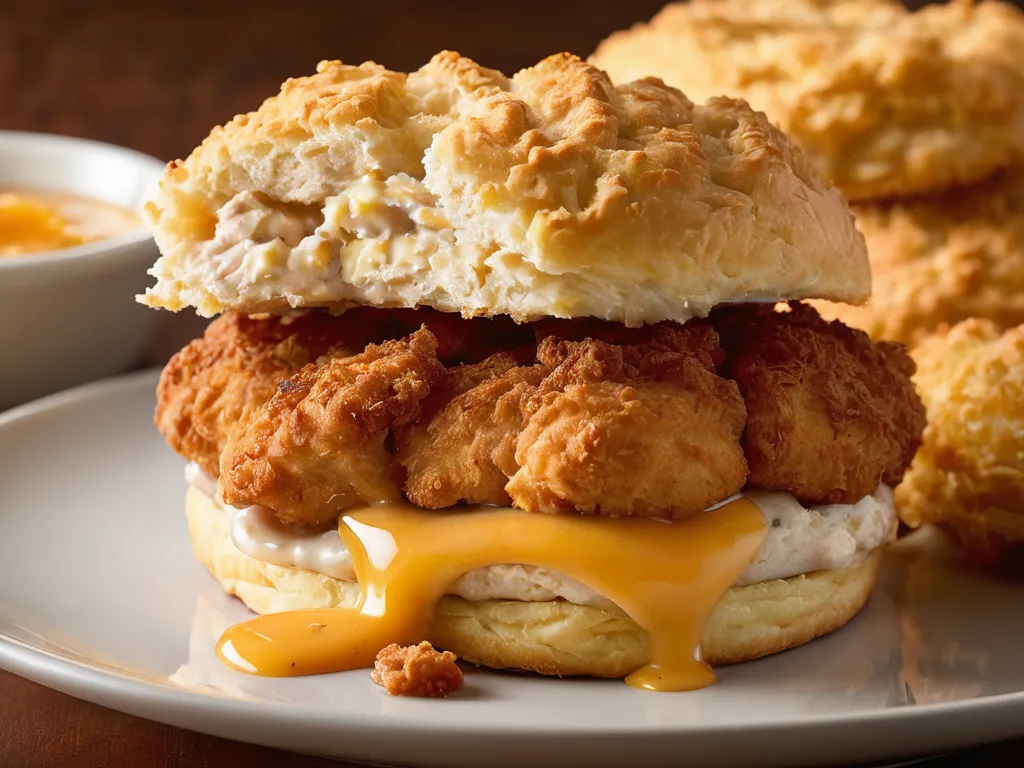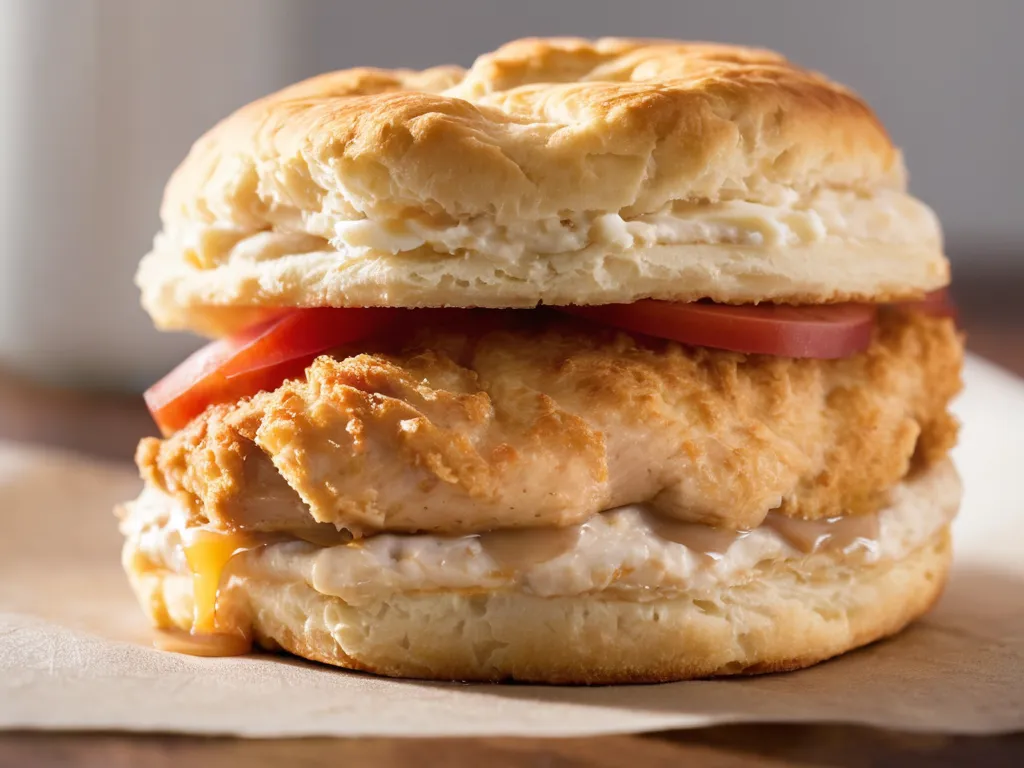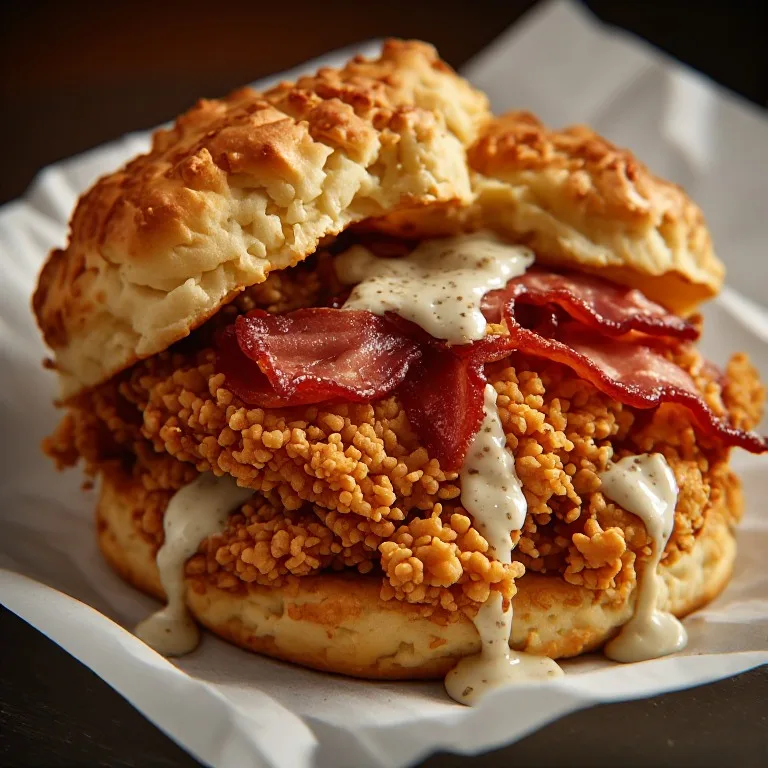



Bojangles launched the Cajun Bacon Ranch Biscuit on August 3, 2026, as a limited-time remix of their famous Cajun Filet Biscuit — same Cajun-marinated all-white-meat chicken breast, same scratch-made buttermilk biscuit, but now layered with Applewood-smoked bacon and house-made ranch. It’s available while supplies last at participating locations.
The sandwich has the right ingredients on paper. The execution has one problem: plain ranch and Cajun-spiced chicken are both assertive, and they pull in different directions instead of building on each other. Food media noticed — Sporked’s review called out that you “couldn’t fully taste the bacon” with both flavors competing.
The Bojangles biscuit: why it’s different
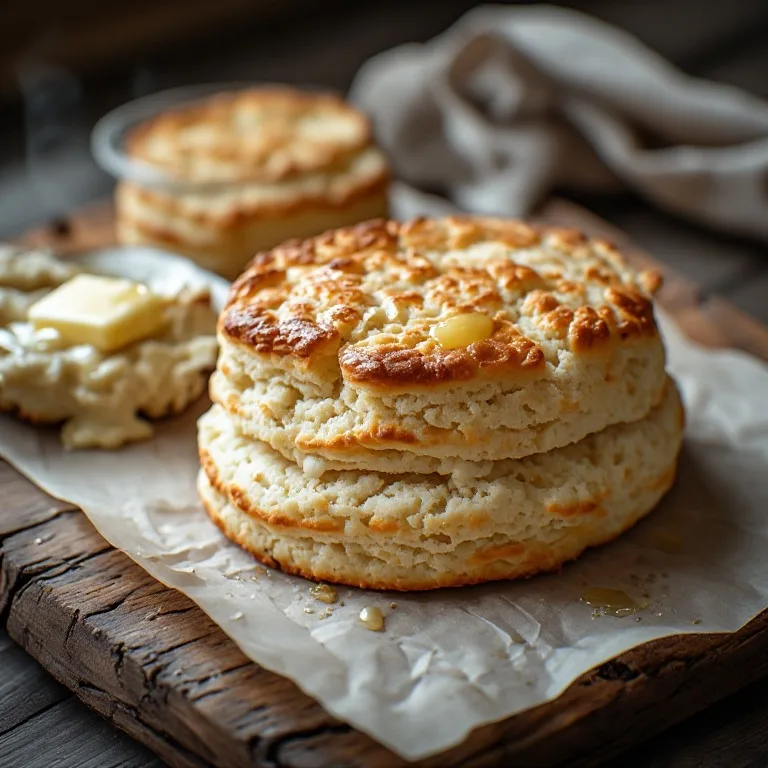
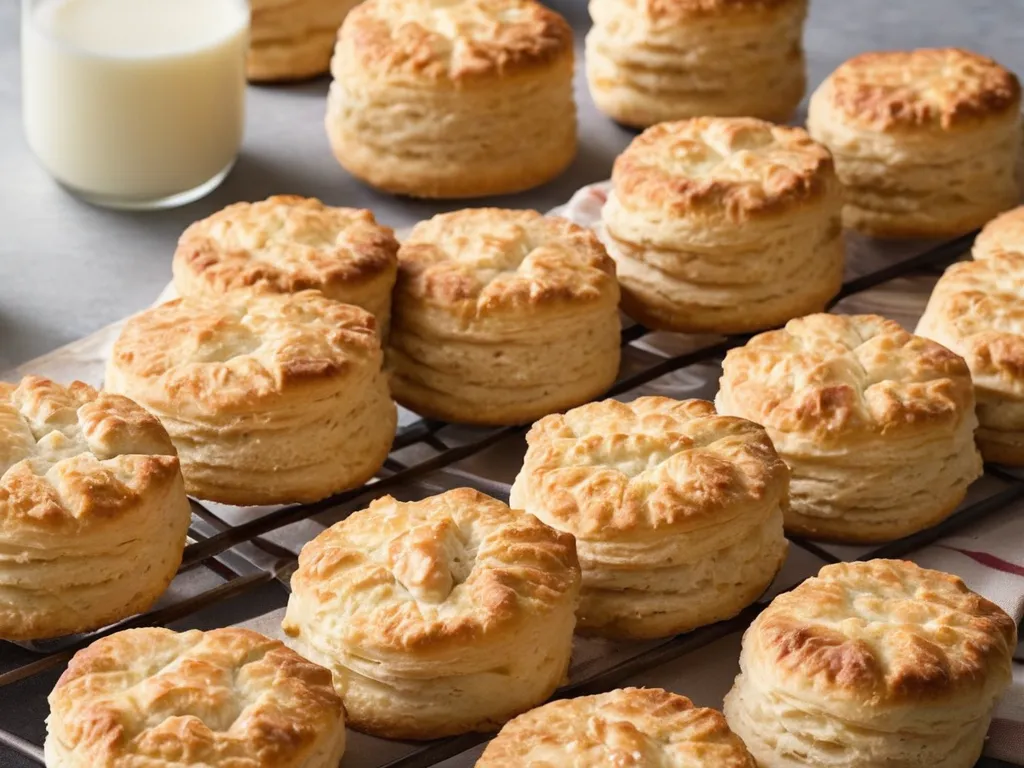
Bojangles follows a 49-step scratch recipe — baked fresh every 20 minutes in-store, roughly 1,000 per shift per location. Two things make the result different from every other chain biscuit:
Fat type and proportion. The dough uses cold butter for flavor plus cold lard or shortening for tenderness. Lard has a higher fat content and lower water content than butter, so it shortens gluten strands more efficiently — the result is more tender without sacrificing structure. All-butter biscuits taste better but are slightly tougher; all-shortening biscuits are pillowy but bland. The split is the right call.
Folding, not kneading. A kneaded biscuit develops gluten uniformly and bakes into a tight, bread-like crumb. A folded biscuit creates discrete layers of dough and fat that steam apart in the oven, producing the pull-apart, pillowy interior. Bojangles handles the dough by hand, folds it 4–5 times, and pats it to thickness — no rolling pin, no mechanical mixer. The home version does the same.
The Cajun chicken marinade
The Cajun Filet Biscuit is one of Bojangles’ longest-running signature items (the chain itself opened in 1977). The marinade is a buttermilk base — buttermilk tenderizes the protein through mild acid activity, and its viscosity keeps the spice blend in contact with the meat rather than sliding off — plus Cajun seasoning and hot sauce. The dredge adds a second layer of seasoning in the flour coat, which is why the crust tastes like more than just fried dough.
One practical note: pound the chicken before marinating, not after. You want 1/2-inch even thickness across the breast — this ensures the center cooks through before the crust burns, and it makes the fillet fit the biscuit without overhang on one side and underhang on the other.
The ranch fix
Bojangles describes the sandwich as using “house-made ranch.” What they haven’t said is whether the ranch is seasoned beyond a classic buttermilk-herb base. Based on the reviews, it reads as a relatively standard ranch sitting on top of a very aggressively seasoned piece of chicken.
The home version solves this with a Cajun-herb ranch: the same Cajun seasoning that’s in the chicken marinade and dredge goes into the ranch at lower concentration, backed by the standard ranch base of mayo, buttermilk, garlic, and dill. The effect is continuity — the first bite tastes like Cajun all the way through, not “Cajun chicken, then ranch interruption.” The bacon registers because it’s no longer drowned out by two competing flavor systems.
Thick-cut bacon is not optional
Standard thin-cut grocery bacon (1/8-inch or less) renders to near-nothing against a heavily seasoned, fried chicken breast. You eat it and wonder where the bacon went. Thick-cut Applewood-smoked bacon (1/4-inch, or labeled “thick” at the deli counter) has enough mass to produce a full smoky, salty, slightly sweet contrast to the Cajun chicken. Cook it to crispy-edged-but-chewy-center — fully crisp thick-cut bacon is great for a BLT but shatters and fragments in a sandwich.