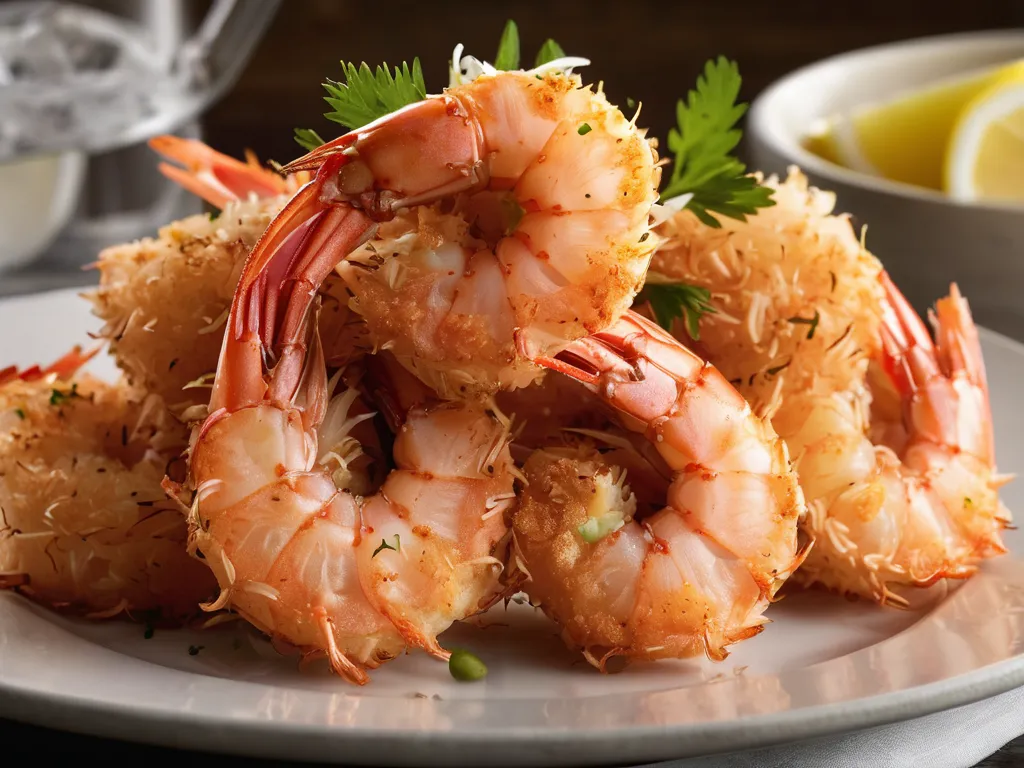



Copycat Nobu Rock Shrimp Tempura (With Nobu’s Real Creamy Spicy Sauce)
Prep time: 25 min Cook time: 15 min Servings: 4 as an appetizer
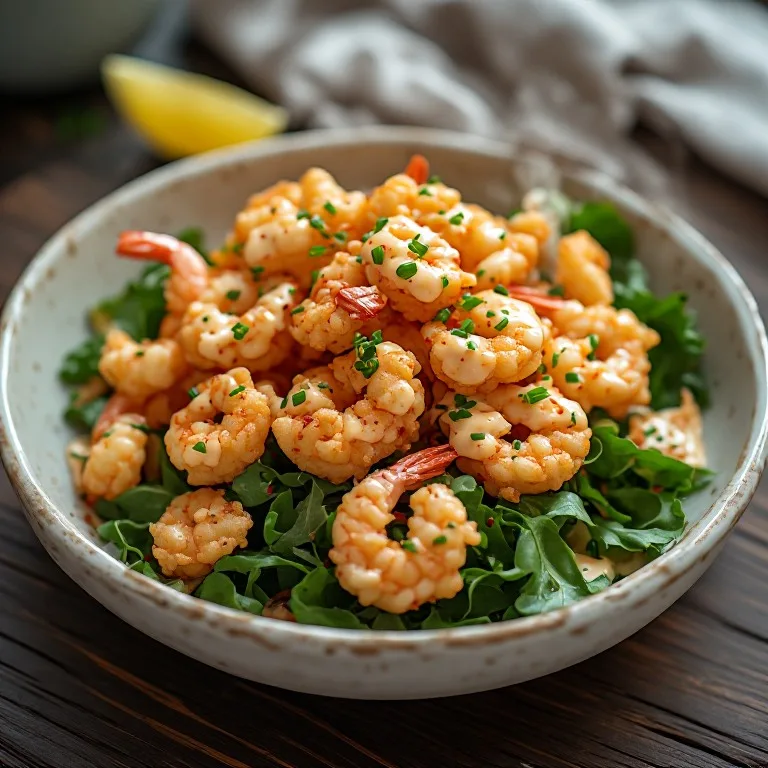
The single most-ordered item at Nobu — ahead of the black cod miso, ahead of the yellowtail jalapeño that people go specifically for — is this: rock shrimp in a pale, crispy tempura crust, tossed in a rich, subtly fermented creamy spicy sauce and finished with fresh citrus. It looks deceptively simple. The simplicity is real, once you understand two things: what makes rock shrimp different, and why Nobu’s sauce is not what most copycat recipes say it is.
At Nobu Fifty Seven, a portion runs about $32 to $36. At home, with a pound and a half of rock shrimp and a jar of chili garlic sauce, the per-serving cost is about $10.
What Are Rock Shrimp?
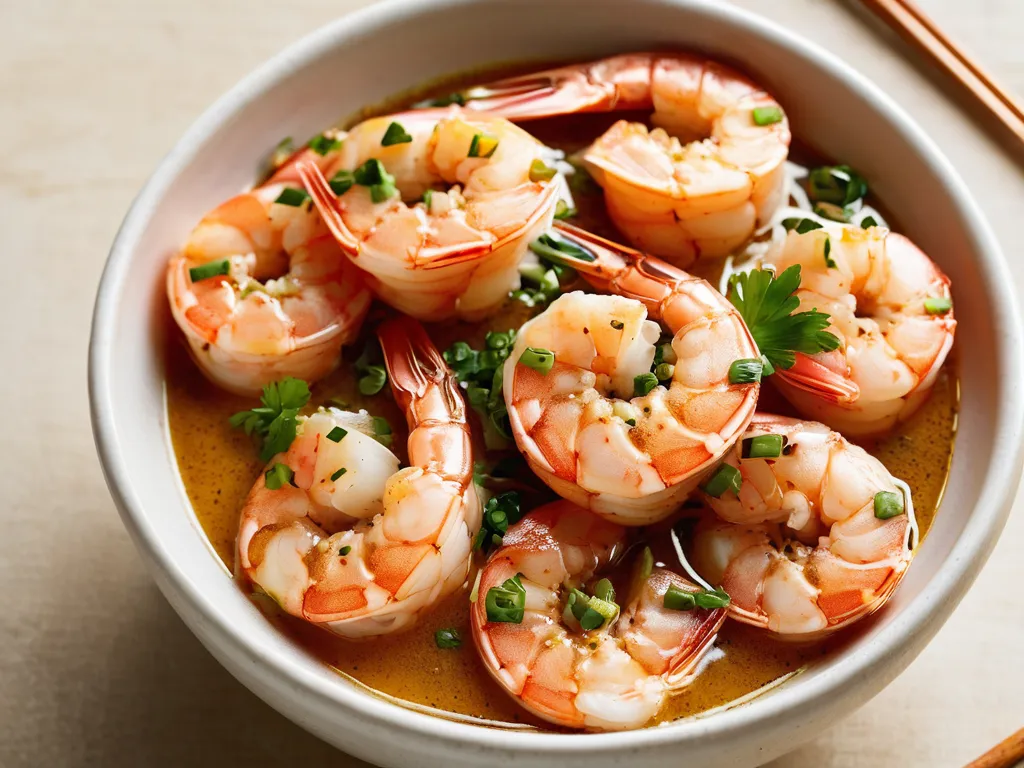
Rock shrimp (Sicyonia brevirostris) are caught in the Gulf of Mexico and western Atlantic, primarily off the Florida coast. They are named for their shell, which is hard as rock and nearly impossible to peel by hand — which is why they are always sold pre-cleaned. The meat is small (about an inch to an inch and a half), sweet, dense, and firm. The texture is closer to lobster than to conventional shrimp.
That firmness is exactly what makes them work in tempura. Regular large shrimp go soft inside a frying crust. Rock shrimp hold their bite. Their size also means each shrimp fries in 2 to 3 minutes and eats in one or two bites — important for a table-shared appetizer.
Rock shrimp have been on every Nobu menu globally since the original New York location opened in 1994. They are not seasonal at the restaurant; they are a permanent fixture. Find them frozen and pre-cleaned at specialty fish markets, Asian grocers, and online Gulf seafood suppliers. Whole Foods and similar stores carry them in season (October through May).
The Most Common Copycat Mistake: The Sauce
Most copycat recipes online say Nobu’s creamy spicy sauce is Kewpie mayonnaise mixed with sriracha. This is wrong on both counts.
The real sauce is a from-scratch emulsion — egg yolk, salt, white pepper, and rice vinegar, with grapeseed oil added slowly to build a mayonnaise base, then folded with chili garlic sauce (Toban Djan / doubanjiang). Toban Djan is a fermented Chinese paste made from broad beans, chili peppers, and salt. It has a savory, complex, earthy heat that is nothing like sriracha’s straight-ahead sweetness.
The result is a sauce that is richer, less sweet, and more interesting than any mayo-plus-hot-sauce shortcut produces. The aioli base takes about 5 minutes to make by hand (or 2 minutes with an immersion blender). Making it correctly is what actually separates this from a home version.
The shortcut option: 1/2 cup Kewpie mayo plus 2 teaspoons Toban Djan plus 1 teaspoon lemon juice. It won’t have the same richness as the from-scratch emulsion, but the Toban Djan is the right flavor building block and the result is significantly better than Kewpie plus sriracha. Find Toban Djan at any Asian market and many grocery stores (Lee Kum Kee brand is the most common).
The Two Sauce Options
The Nobu menu reads: “Rock Shrimp Tempura with Creamy Spicy Sauce or Ponzu.” Diners choose one.
Creamy spicy sauce: The aioli emulsion described above. Rich, complex, fermented heat from the Toban Djan. The more ordered of the two.
Ponzu: Citrus soy — bright, clean, light. Yuzu juice and soy sauce (or bottled ponzu). Served drizzled over or alongside for dipping. Lets the shrimp’s natural sweetness come forward.
If you are cooking for a group, make both. The aioli base is the same for both; split it at the end. Serve half tossed in spicy and half with ponzu on the side, and the plate self-balances.
The Tempura Batter
Nobu’s official batter is three ingredients: all-purpose flour, one egg yolk, and ice-cold water. Nothing else. No cornstarch, no sparkling water, no leavening.
Three things determine whether the result is light and crispy or heavy and greasy:
- Ice-cold water. Gluten forms faster in warm water; cold water keeps it minimal, which produces the delicate, glass-like shell tempura should have.
- Don’t overmix. The batter should look shaggy and lumpy with streaks of flour. Stop well before smooth. Every extra stir develops gluten.
- Maintain oil temperature. At 355°F, the batter sets quickly and crisps. Below 340°F it absorbs oil before crisping and comes out heavy. Fry in small batches; let the oil recover between them.
About the Garnish
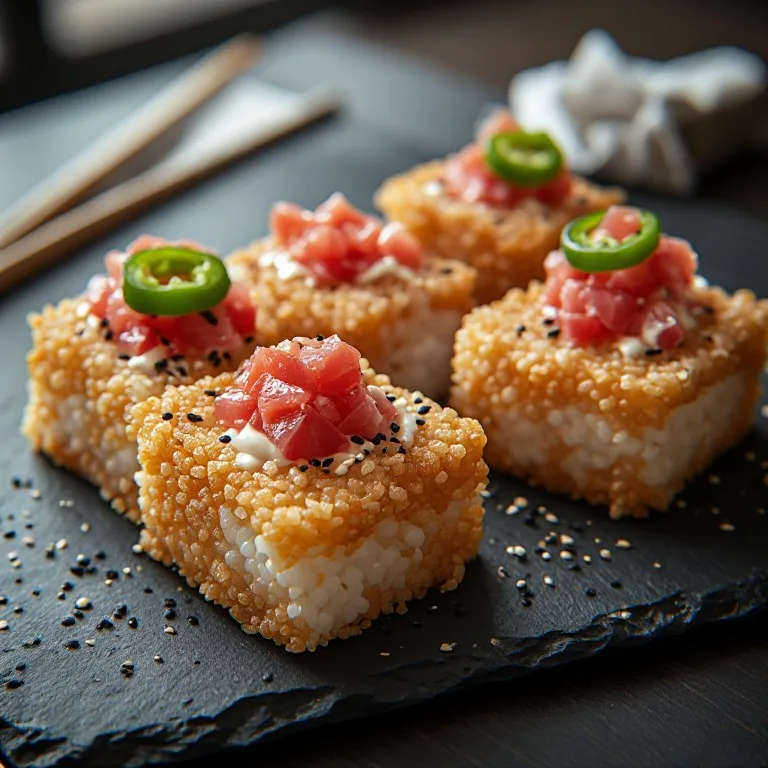
Nobu’s official recipe finishes the dish with a squeeze of fresh lemon or yuzu and chopped fresh chives. The crispy fried shallots that appear in many copycat versions are not part of the official preparation — those are more typical of American-Japanese steakhouse cooking (Benihana-style). Jalapeño rounds and togarashi appear in some location-specific and copycat versions and go well with the dish, but keep in mind they are additions, not originals.
Making the Dish
Sauce first, then batter, then fry. Make the sauce cold and refrigerate it while you fry — it needs no further attention. The batter goes together last, right before frying, because it degrades with time (gluten keeps developing).
Work in batches of 8 to 10 shrimp. Dip, shake off excess (thin coat is correct), fry 2 to 3 minutes, drain 30 seconds on a rack, immediately transfer to a bowl and toss with the sauce while the crust is still hot. Plate and garnish. Serve within 2 to 3 minutes of saucing — the batter stays crispy about 4 minutes from the fryer; saucing triggers its own clock.
Cost Comparison
| Price | |
|---|---|
| Nobu Fifty Seven (appetizer portion) | ~$32–$36 |
| At home (4 servings, rock shrimp + all components) | ~$38–42 total / ~$10 per person |
The home version tends to be more generous in portion. And you control the sauce ratio.