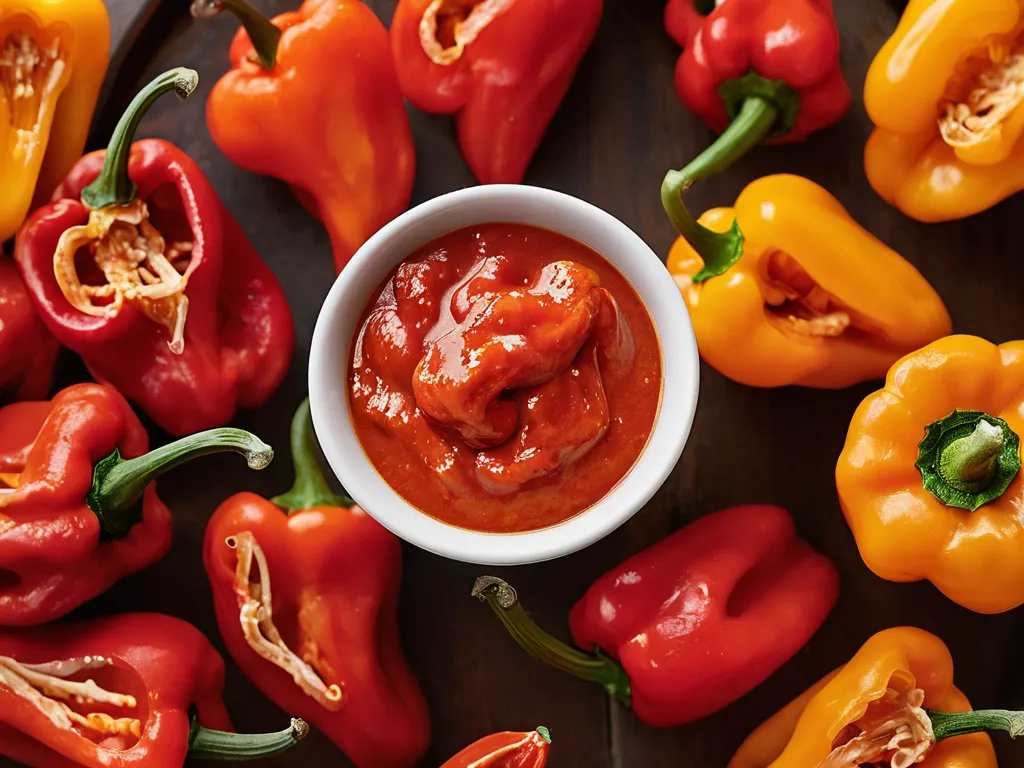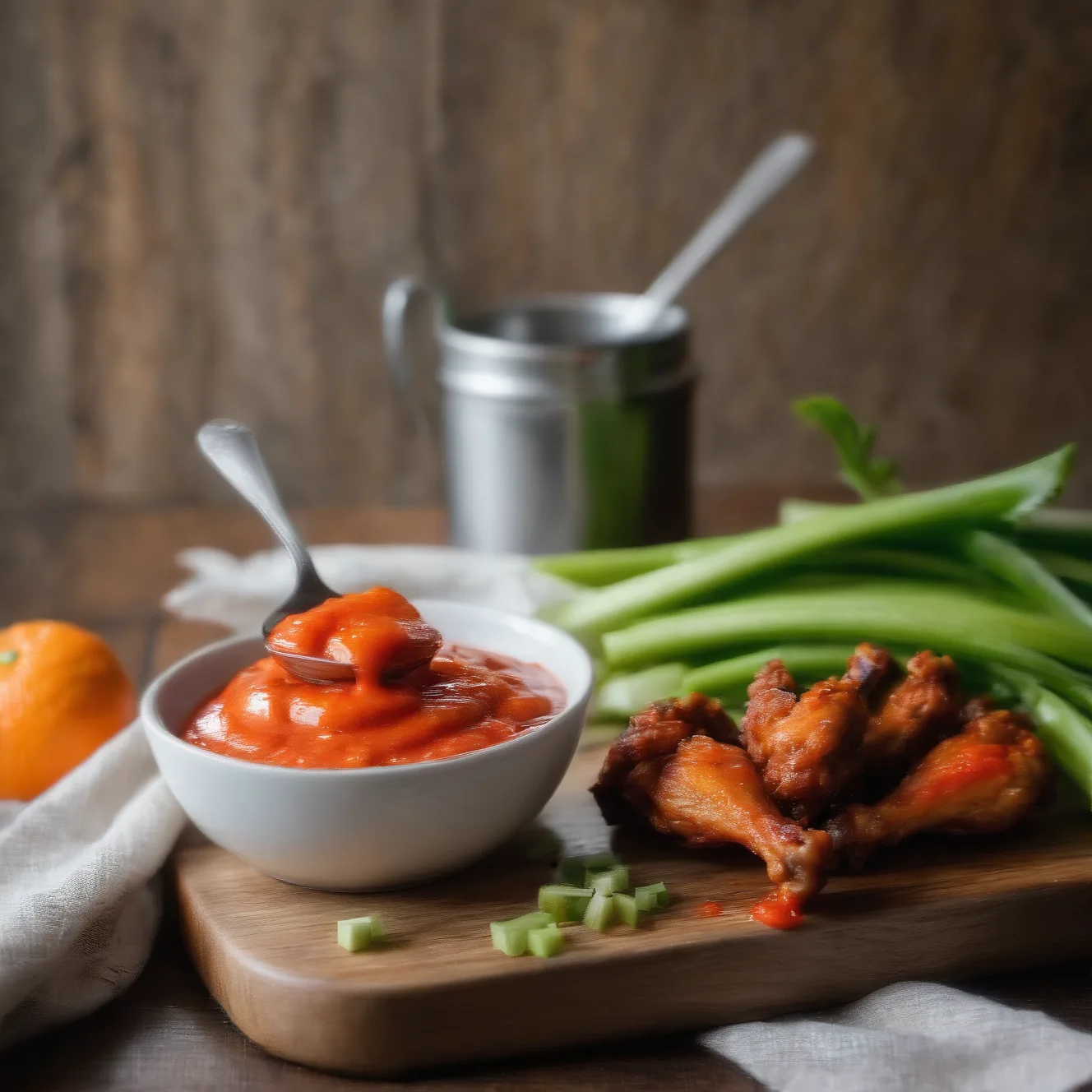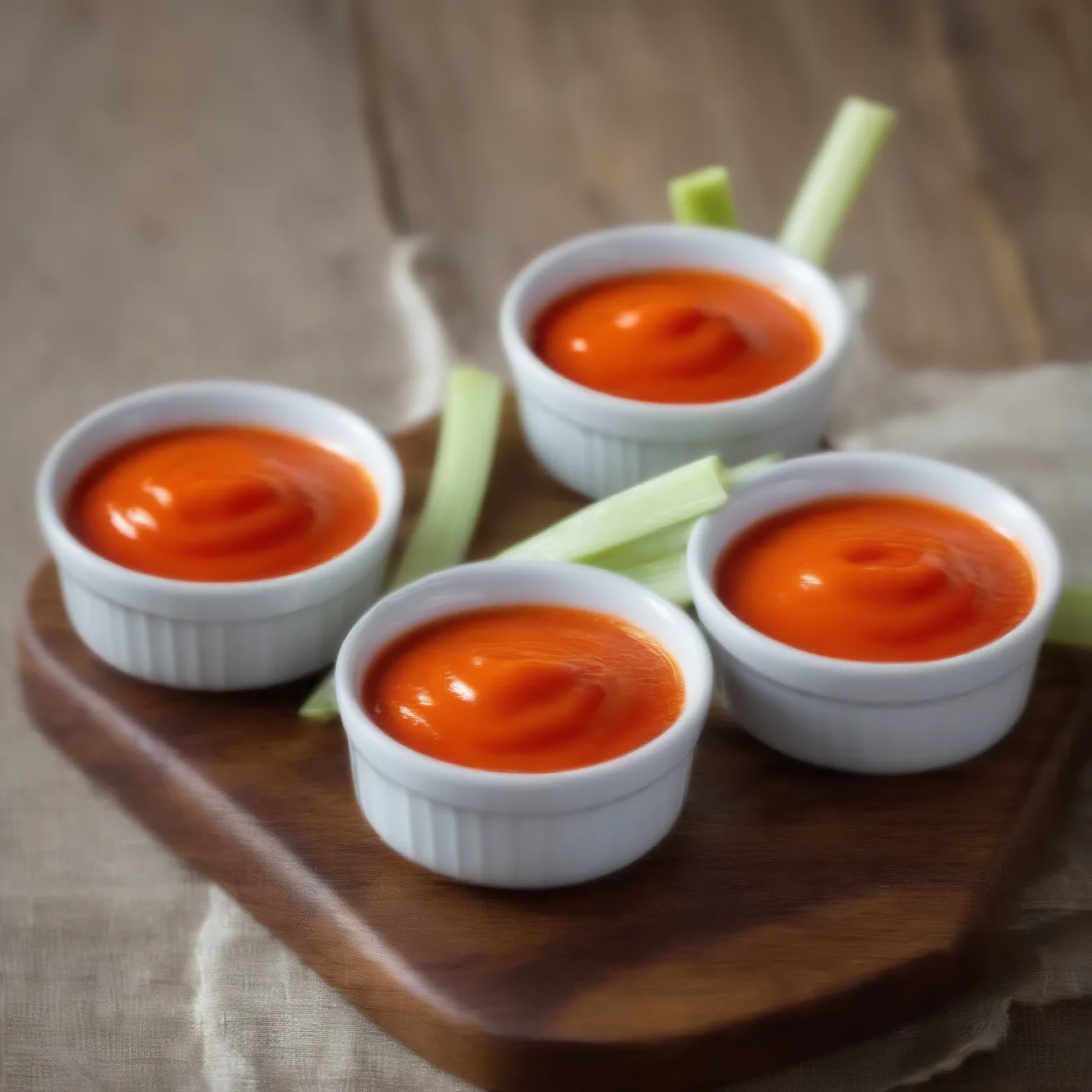
Copycat Buffalo Wild Wings Medium Sauce
Buffalo Wild Wings Medium is BWW’s entry point for people who actually want heat. It sits between their sweet no-heat sauces (Honey BBQ, Parmesan Garlic) and their heavy hitters (Wild, Hot, Blazin’), and it’s where most wing eaters start when they’re ready to stop pretending the sweet stuff counts as buffalo sauce.
The recipe is a traditional cayenne-vinegar Buffalo sauce — which means it traces back to the same Anchor Bar formula that started the whole style in Buffalo, NY in 1964 — but the ratio is what makes it restaurant-close. Buffalo Wild Wings was founded in 1982 in Columbus, OH, originally called “Buffalo Wild Wings & Weck,” and their original three-sauce ladder (Mild, Medium, Hot) was built specifically to offer progressively more hot-sauce-forward versions of the same base recipe. Medium was designed as the everyday order: accessible heat for people who wanted more than Mild’s butteriness but weren’t committed to Hot.
Most home buffalo sauce recipes default to roughly equal parts hot sauce and butter. BWW Medium is substantially more hot-sauce-forward: approximately 4 parts Frank’s RedHot to 1 part butter by volume. That shift is what puts real tangy heat at the front instead of a creamy butter coating with heat in the background.
A 10-piece order of Medium wings at BWW costs $14–19 depending on location. A batch of this sauce — enough for 2–3 pounds of wings — costs under $3 and takes 10 minutes.
The Ratio Is the Recipe
Most buffalo sauce recipes get the emulsion right but the ratio wrong. Here’s what each ratio produces across BWW’s classic lineup:
| Sauce | Ratio (hot sauce : butter) | Character |
|---|---|---|
| Mild | 2:1 | Creamy, low heat, butter-forward |
| Medium | 4:1 | Tangy cayenne heat up front, butter as richness |
| Hot | 7:1 | Sharp heat, thin sauce, fast burn |
| Wild | Even more hot sauce | Most aggressive of the traditional lineup |
BWW Medium is at the 4:1 range. If you want their Mild, double the butter. If you want something closer to Hot, reduce it to 2 tablespoons butter. The formula in this recipe — 3/4 cup Frank’s to 3 tablespoons butter — hits that Medium mark.
Frank’s vs. Texas Pete: Which Base to Use
Frank’s RedHot Original is the most common choice for BWW copycat sauces, and it works well here. It has a rounder, slightly garlic-forward profile that blends smoothly with butter.
Texas Pete is sharper and more vinegar-forward. If you’ve made this with Frank’s and thought the result was a little flat compared to BWW, switch to Texas Pete — the extra vinegar bite often closes the gap. The two are interchangeable at the same volume; don’t adjust any other quantities.
Both sauces are cayenne-vinegar based and sit at roughly the same heat level. The difference is flavor personality, not heat.
The Emulsification Step — Why It Matters
Buffalo sauce is an emulsion: fat (butter) suspended in water (hot sauce). Get the emulsion right and you get a glossy, creamy sauce that clings to every surface of a wing. Get it wrong and you get orange butter puddles on the bottom of the bowl and wings that taste like hot sauce with grease.
Two rules:
- Pull the pan completely off the heat before adding butter
- Use butter straight from the fridge — cold, firm, cut into pieces
Cold butter proteins slow-melt into the hot sauce as you whisk, trapping liquid inside fat droplets. Room-temperature or melted butter melts too fast, overwhelms the sauce before it can be whisked in, and breaks into two layers.
Add one piece of cold butter at a time. Whisk each piece until fully incorporated — the sauce should turn visibly creamier and more opaque — before adding the next. You’ll see the transformation: thin orange liquid becomes a thick, glossy coating sauce in about 60 seconds of whisking.
The Wing Method
BWW par-fries their wings, which is hard to replicate at home. The closest oven approach:
- Pat wings completely dry with paper towels
- Toss with 1 teaspoon baking powder and 1 teaspoon salt per 2 pounds of wings (baking powder raises the skin’s pH, which makes it crispier)
- Set on a wire rack over a sheet pan — not directly on the pan
- Bake at 425°F for 45–50 minutes, flipping once at 25 minutes
- Toss in sauce the moment they come out of the oven while still steaming
Tossing wings while they’re steaming hot matters: the heat opens the surface of the skin slightly, letting the sauce penetrate rather than just coating the outside.
What to Serve With It
Ranch dressing is the right call here, not blue cheese. Blue cheese is traditional with original Buffalo wings (Anchor Bar style), but BWW customers lean overwhelmingly toward ranch with Medium. If you’re going for authenticity to the BWW experience specifically, ranch wins.
Celery and carrots aren’t just garnish — the water content in both refreshes your palate between wings, and the crunch provides contrast to the soft skin. Don’t skip them.
Scaling and Storage
This recipe makes enough sauce for about 2–3 pounds of wings (24–30 pieces). Double it for a larger batch. The sauce keeps in a sealed jar in the refrigerator for up to 2 weeks.
To reheat: warm gently in a saucepan over low heat, whisking constantly. The emulsion can break if microwaved aggressively; if it does separate, whisk hard while warm to bring it back together.
For related BWW sauces on this site: Copycat BWW Asian Zing for sweet-heat with an Asian profile, Copycat BWW Mango Habanero for tropical heat, Copycat BWW Garlic Parmesan for no-heat creamy, and Copycat BWW Blazin’ Sauce for the extreme end.