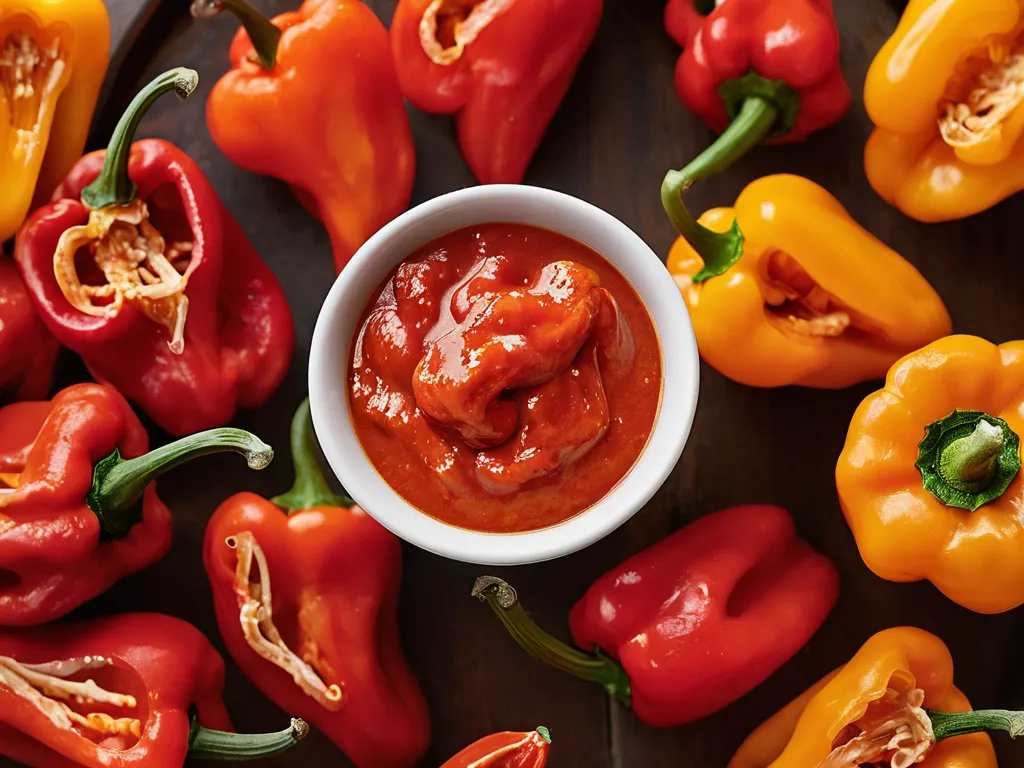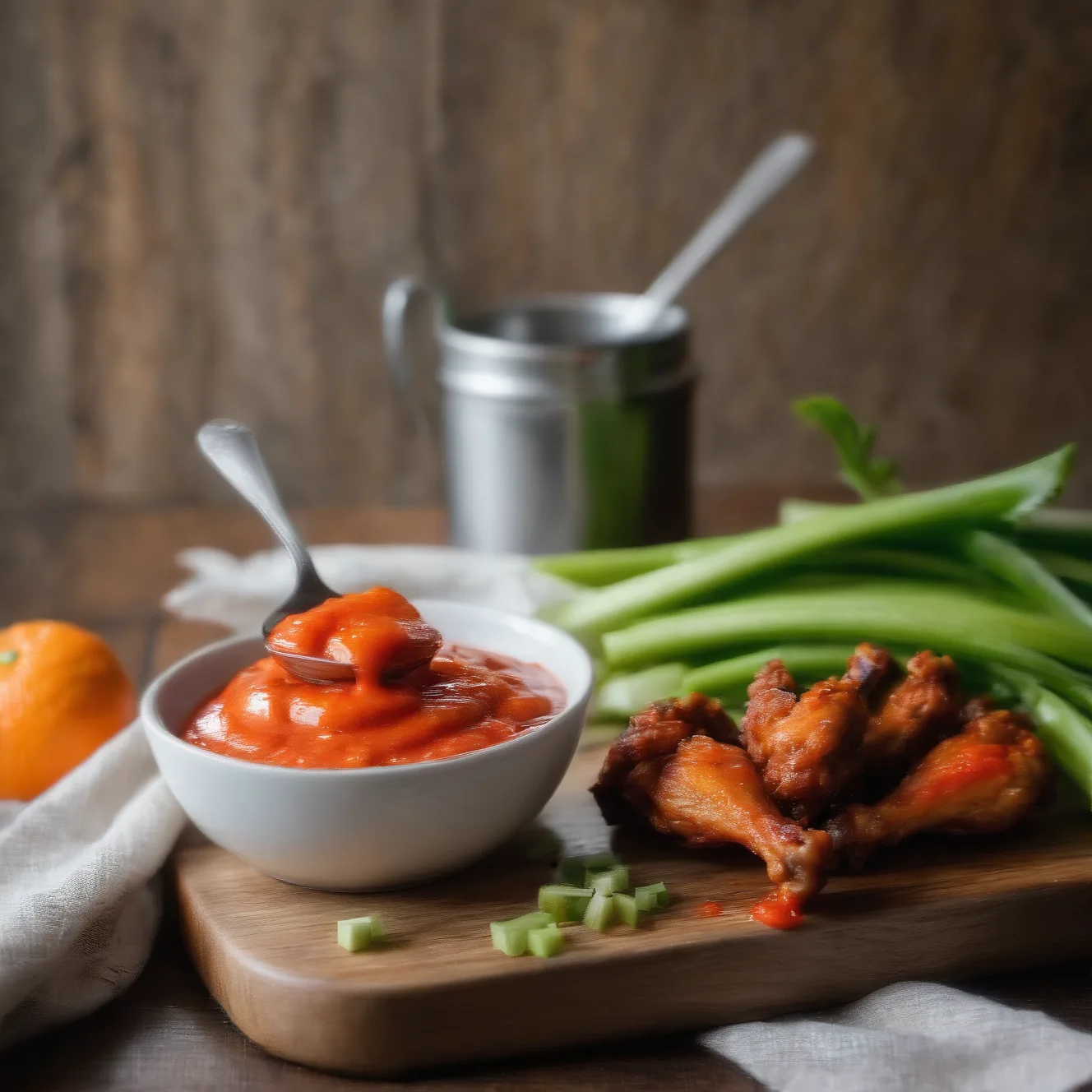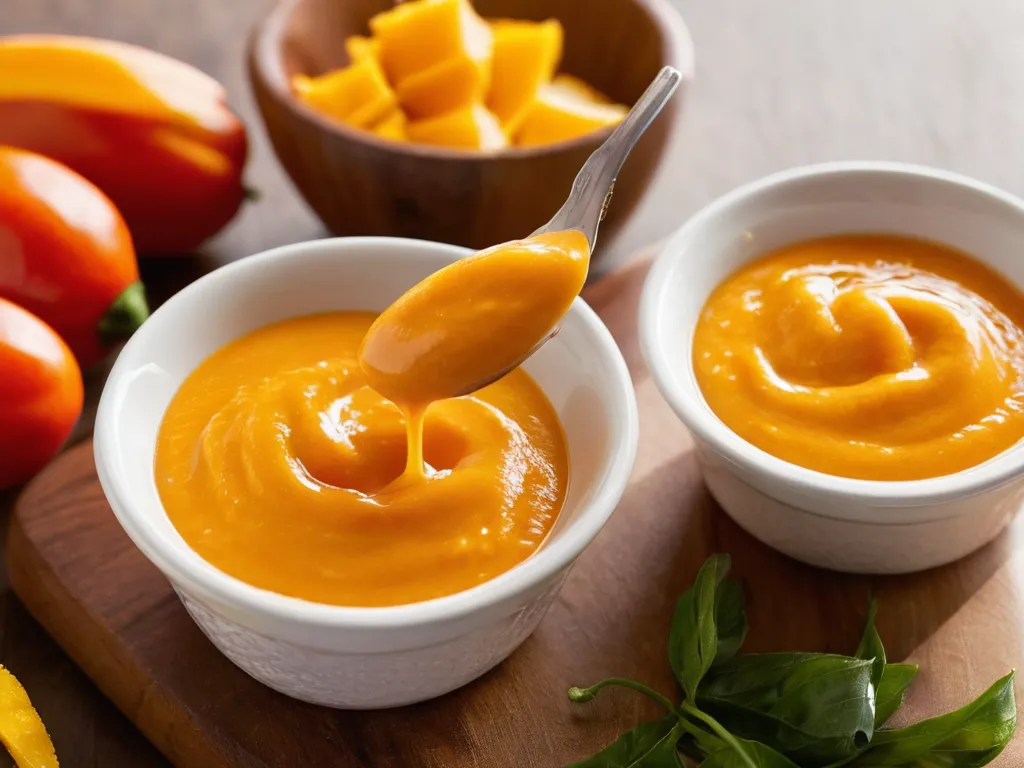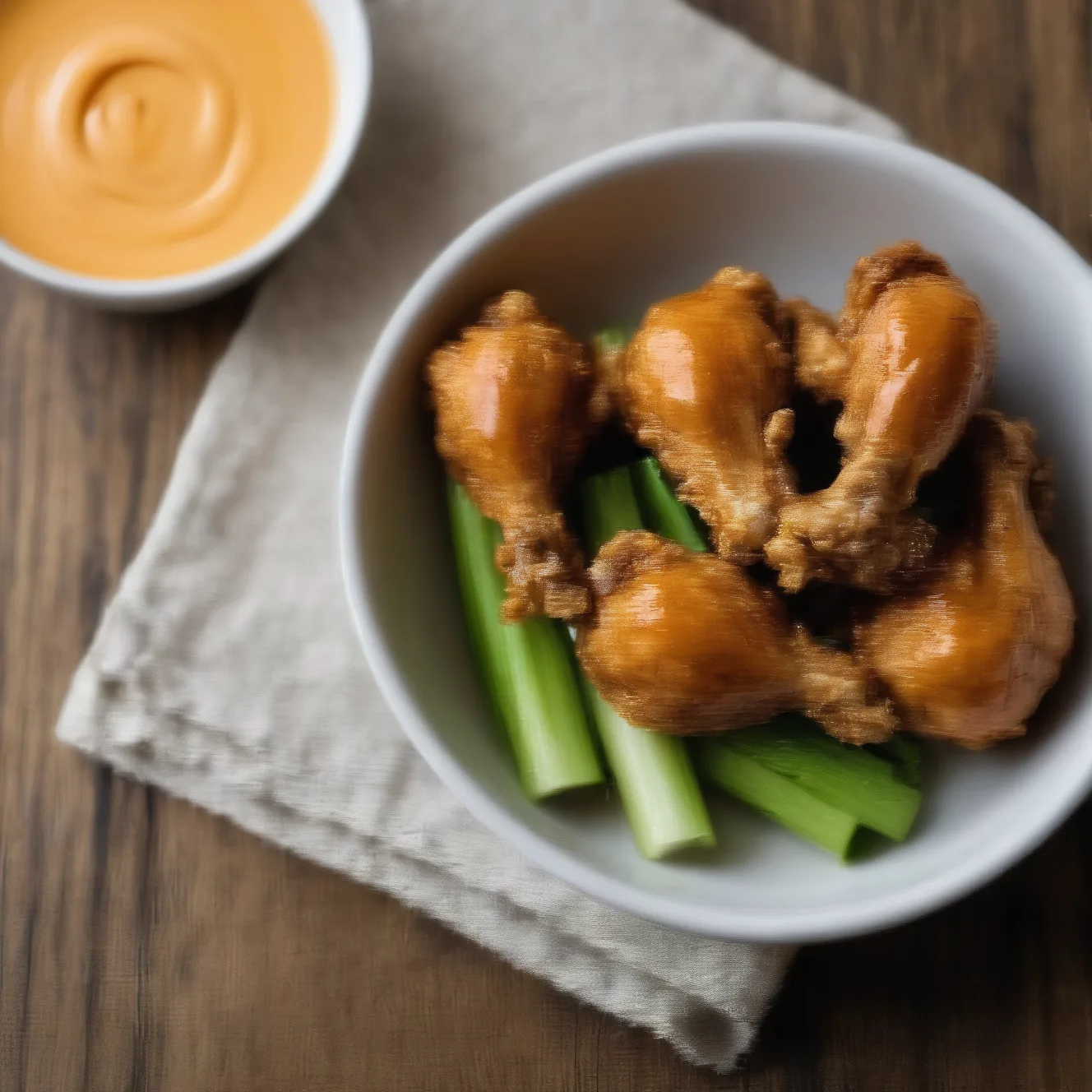
Copycat Buffalo Wild Wings Mild Sauce
BWW Mild is the one sauce in the Buffalo Wild Wings hot lineup where butter is not a supporting player — it’s a co-lead. At a 2:1 ratio of Frank’s RedHot to butter, the recipe has twice as much butter relative to hot sauce as Medium and three and a half times as much as Hot. The result is a sauce that tastes rich and buttery first, with a mild cayenne warmth in the background.
On the commonly-cited 0–10 heat index for the BWW lineup, Mild sits at 3/10. For context: their no-heat sauces (Honey BBQ, Parmesan Garlic) are at the zero end, and Blazin’ is at 9/10. Mild is the first sauce in the lineup with measurable heat — and at 3/10, it’s accessible to essentially anyone who can handle black pepper. (BWW’s own menu sorts sauces into Sweet, Savory, Hot, and Wild categories rather than numeric scores; the 0–10 numbers are the widely-referenced third-party index.)
This is also the sauce that’s closest to the original. When Buffalo wings were invented at the Anchor Bar in Buffalo, NY in 1964, the recipe was a 2:1 hot sauce to butter ratio — which is exactly what BWW Mild is. BWW built their original three-sauce ladder (Mild, Medium, Hot) on progressively more hot-sauce-forward versions of that base, and Mild kept the original proportion.
A batch makes enough for about 2 pounds of wings. It costs under $2 and takes 10 minutes.
The Ratio Defines the Sauce
Here’s the full BWW classic heat ladder, showing how the butter-to-hot-sauce balance shifts at each level:
| Sauce | Ratio (hot sauce : butter) | Character |
|---|---|---|
| Mild | 2:1 | Butter as co-lead, low heat, creamy coating |
| Medium | 4:1 | Tangy cayenne heat up front, butter as enricher |
| Hot | 7:1 | Sharp heat, thin sauce, fast burn |
| Wild | ~3:1 + habanero | Habanero added to the base; fruity, building heat |
At 2:1, Mild is the original Anchor Bar ratio. At 4:1, Medium shifts to being a traditional hot wing sauce. At 7:1, Hot is closer in consistency to straight Frank’s. Every step up reduces the butter’s role and amplifies the cayenne.
The practical implication: Mild has a thicker, creamier, more coating consistency than the higher-ratio sauces. It’s especially good for glazing (brush-and-bake applications) and dipping, not just wing tossing.
The Cold-Butter Technique
Same emulsification method as every other BWW sauce — cold butter, off heat, one piece at a time:
- Warm the Frank’s and seasonings over medium-low heat until steaming
- Pull the pan completely off the burner
- Add cold butter pieces one at a time, whisking vigorously after each
- The sauce should thicken and turn creamy — noticeably richer-looking than a Medium batch
With 4 tablespoons of butter going in (versus 3 for Medium), the emulsion is more forgiving. The extra fat means you have more room for error — but the same rule applies: if the pan is still on the heat when the butter goes in, the butter will melt too fast and break the emulsion. Pull off heat first.
At 2:1, the finished sauce should look almost like a thin gravy — glossy, opaque, and coating the back of a spoon. If it looks thin and watery with orange oil floating on top, the emulsion broke; put it back on very low heat and whisk hard until it comes back together.
Where Mild Beats Medium and Hot
The high butter content gives Mild an advantage in specific applications where the richer sauces fail:
For dipping. Mild is thick enough to cling without being runny. Medium slides off; Mild stays on. If you’re dipping chicken strips, appetizers, or vegetables, Mild holds up better than any other hot sauce in the BWW lineup.
For glazing. Because it’s high in butter, Mild sets into a glaze when applied to hot food and allowed to rest for 30 seconds. This is useful for baked chicken — brush it on in the last 3 minutes, let it caramelize slightly, and you get a glossy lacquer rather than a wet coating.
For lower heat tolerance. At 3/10, Mild is the only BWW hot sauce that doesn’t register as “spicy” to most people. It tastes like buffalo flavor with heat in the background rather than heat that builds. If you’re cooking for mixed groups, Mild works where Medium would be a problem.
Serving
Ranch dressing is the right dipping sauce alongside Mild — not blue cheese. Blue cheese is the traditional pairing with original Anchor Bar-style buffalo wings, but at BWW specifically, ranch is the dominant choice. With Mild’s lower heat level and buttery character, ranch fits better anyway: the creaminess complements rather than contrasts.
Celery and carrots are still the correct garnish. The water content refreshes your palate, and the crunch contrasts with the soft wing skin.
For other BWW sauces on this site: Copycat BWW Medium Sauce for the next step up in heat, Copycat BWW Hot Sauce for the pure cayenne ceiling, Copycat BWW Honey BBQ Sauce for no-heat sweet, and Copycat BWW Asian Zing for sweet-heat.