Pin It

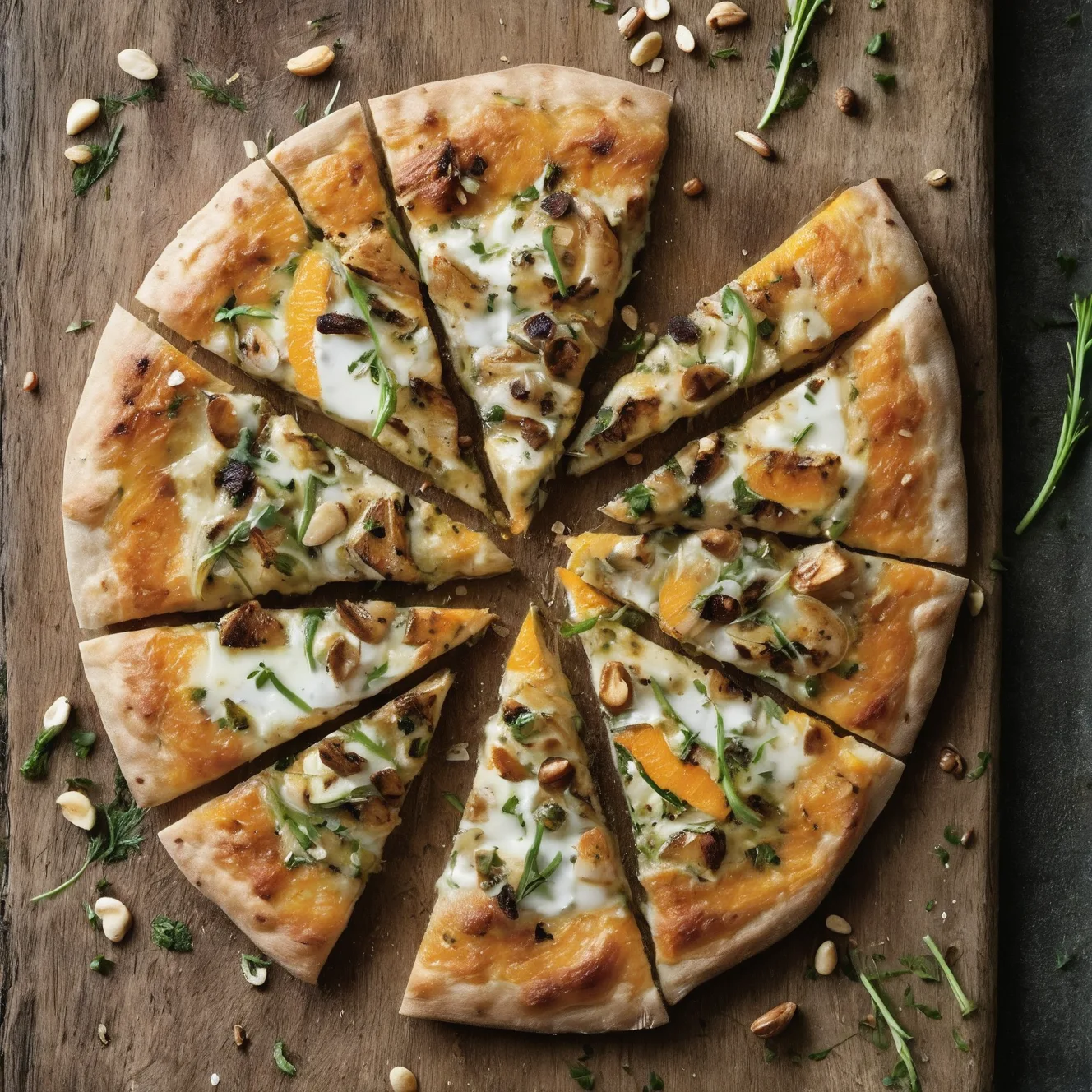
Copycat California Pizza Kitchen Jamaican Jerk Chicken Pizza

Copycat California Pizza Kitchen Jamaican Jerk Chicken Pizza
Jump to Recipe
Prep 20 min Cook 14 min Serves 4–6
Quick answer: California Pizza Kitchen's Jamaican Jerk Chicken Pizza uses a blended Caribbean jerk sauce — allspice, scotch bonnet, pineapple juice, ketchup — as the pizza base instead of tomato sauce. The cheese is a smoked gouda and mozzarella blend (most copycats use mozzarella only, which is why they taste flat). Nueske's applewood-smoked bacon is the branded topping CPK names in their official description. No pineapple goes on the pizza itself — the pineapple juice is only in the sauce, providing the sweet counterpoint to the scotch bonnet heat. Cilantro is added after baking, not before. CPK's Jamaican Jerk Chicken is a returning fan favorite, periodically back on the menu — check cpk.com/menu for current availability. Restaurant version: approximately 220 calories per slice (crispy thin crust, 6 slices per pizza); approximately $19–23 when available.

Copycat California Pizza Kitchen Jamaican Jerk Chicken Pizza

The accurate CPK Jamaican Jerk Chicken Pizza copycat — blended Caribbean jerk sauce as the base (allspice + scotch bonnet + pineapple juice, no tomato sauce), smoked gouda and mozzarella blend, Nueske's-style applewood-smoked bacon, and cilantro added only after the oven. Most copycats miss the smoked gouda and use jalapeño instead of scotch bonnet. Pineapple juice goes in the sauce, not on the pizza. ~220 cal/slice at CPK (~$19–23 when on the menu). A returning fan favorite — check cpk.com for current availability.

Easy Prep: 20 min Cook: 14 min Total: 34 min4–6 servings ~$4.50/serving
Prep20 min
Cook14 min
Total34 min
Servings
4
At home~$4.50/serving
vs
Restaurant~$20.25/serving
You save ~78%

Ingredients

Instructions

💡
Pro tip: This recipe tastes even better the next day. The flavors need time to meld together in the fridge.
❄️
Storage: Keeps in an airtight container in the fridge for up to 2 weeks. Freezer-friendly for up to 3 months.
~350-550 cal/serving · Rich & Indulgent🔥

The Story Behind the Recipe

Copycat California Pizza Kitchen Jamaican Jerk Chicken Pizza

Prep time: 20 min (plus 30 min dough rest) Cook time: 14 min Servings: 4–6

California Pizza Kitchen’s Jamaican Jerk Chicken Pizza is their most-requested fan favorite — consistently the top vote-getter every time CPK polls guests on which pizza they want to see return. That status tells you something: this is not a novelty item that sounds interesting on paper. It is a pizza that people have eaten, thought about afterward, and specifically wanted back.

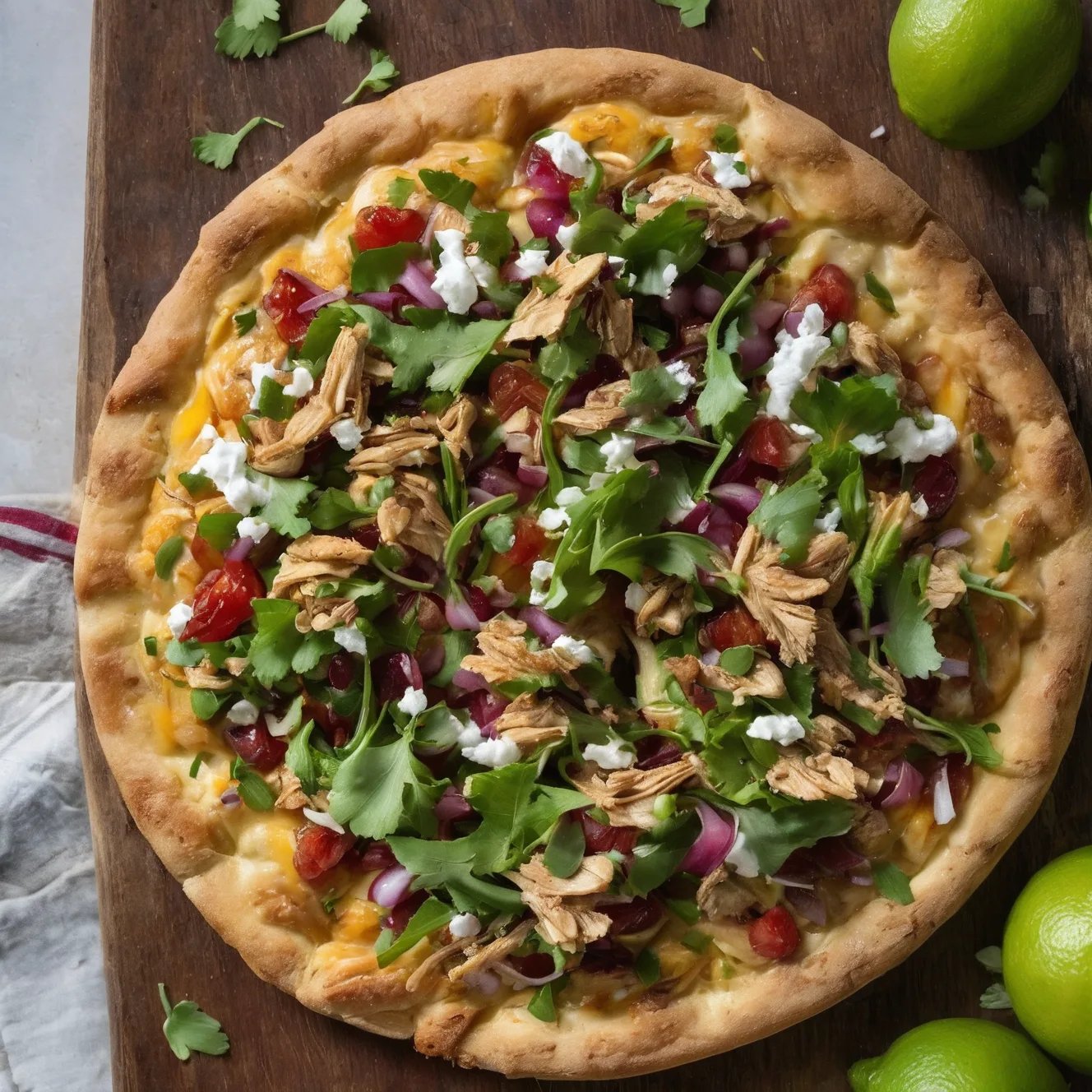
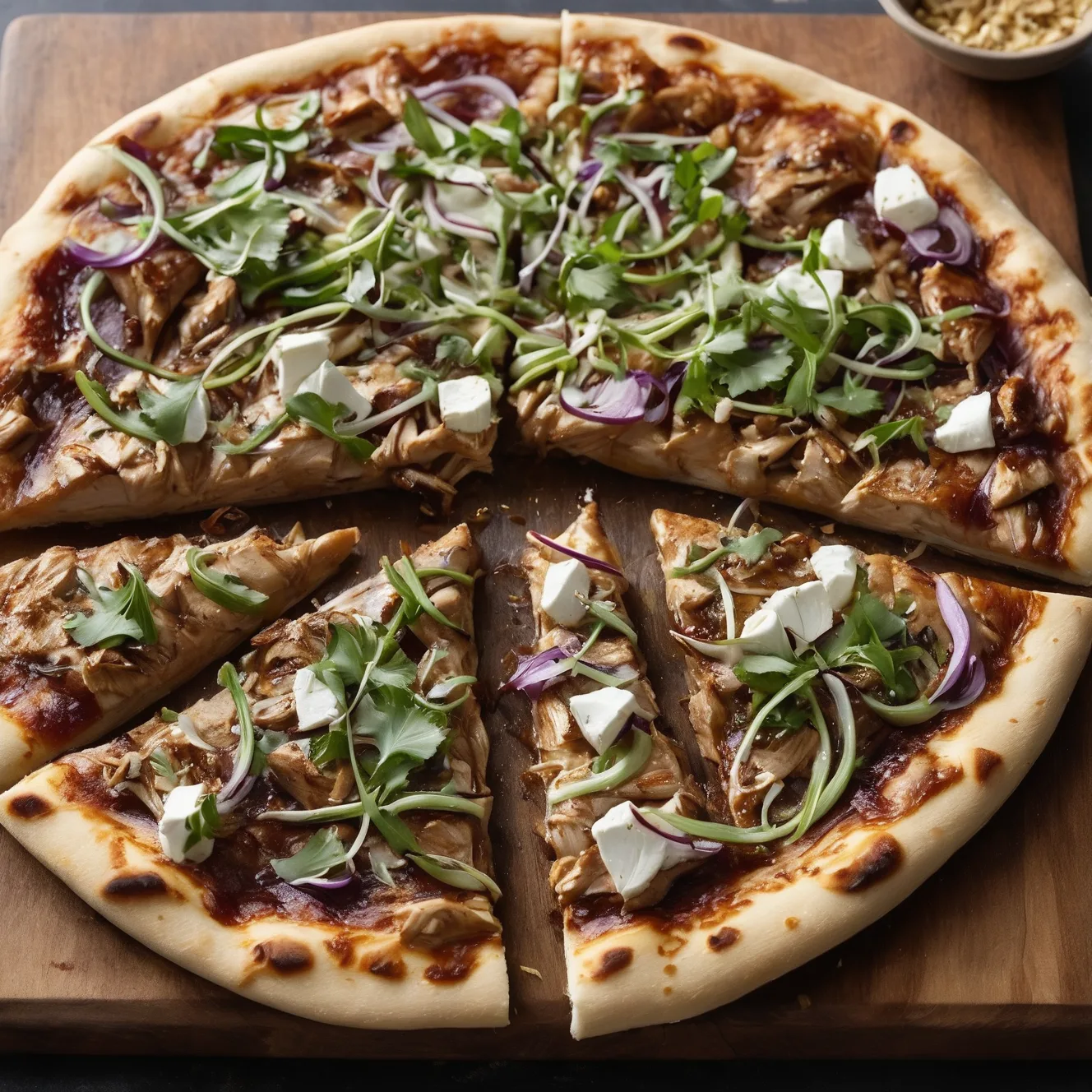
The concept is straightforward. A blended Caribbean jerk sauce — not a dry rub, but a wet sauce built on allspice, scotch bonnet pepper, pineapple juice, and thyme — replaces tomato sauce as the pizza base. Jerk-marinated chicken, applewood-smoked bacon, red onion, and bell peppers go on before the bake. Cilantro and fresh scallion greens go on after. The cheese is a mozzarella and smoked gouda blend.

The pizza is genuinely good. Most copycats don’t get it quite right because they miss two things.

TL;DR for the experienced cook

Blend the jerk sauce smooth — scotch bonnet (or habanero), allspice, pineapple juice, ketchup, ginger, thyme. Use it both as the chicken marinade and the pizza base. Smoked gouda plus mozzarella (not mozzarella alone). Applewood-smoked bacon. Bell peppers and red onion bake in. Cilantro and raw scallions go on after the oven. No pineapple chunks on the pizza — that’s what the pineapple juice in the sauce is for.

The sauce: sweet and spicy, not just spicy

CPK’s official description of this pizza is “sweet but spicy Caribbean sauce with authentic Jamaican spices.” Every word in that phrase is doing work.

“Caribbean sauce” means a wet blended sauce — not a dry jerk rub, not a store-bought jerk marinade brushed on raw. The sauce is blended smooth in a food processor and spread across the dough as the base. This is what gives the pizza its distinct character: every bite has the sauce throughout rather than as a surface accent.

“Sweet but spicy” is the calibration. Authentic Jamaican jerk seasoning is famously hot — scotch bonnet peppers, which are in the same heat range as habanero, are not a background spice. CPK balances that heat with pineapple juice and a small amount of brown sugar. The result is a sauce that delivers genuine warmth and complexity — fruity-hot scotch bonnet plus the warm aromatic complexity of allspice — without becoming a punishment for people who ordered pizza expecting pizza.

The pineapple juice in the sauce is also why there is no pineapple on the pizza. The sweetness has already been built into the base; adding pineapple chunks on top would tip the balance too far toward fruit-forward and away from the savory, spiced character. Do not add pineapple to the pizza surface. It changes the dish in a way the restaurant did not intend.

Allspice: the one non-negotiable

Allspice is the single most important spice in Jamaican jerk, and it is the most commonly under-used ingredient in copycat versions.

Grown in Jamaica (where it is called “pimento”), allspice is a single berry that tastes simultaneously of clove, cinnamon, and nutmeg. That complex, warm, slightly floral quality is what makes jerk flavor immediately identifiable — remove it or reduce it, and the sauce tastes like generic chili seasoning. Use the full 1½ teaspoons called for in this recipe. If your allspice has been sitting in a jar for more than a year, open it and smell it before using — if it doesn’t smell powerfully aromatic, replace it. Ground allspice loses its potency quickly.

The scotch bonnet pepper is the heat source, but allspice is the soul. Both are required.

The cheese: why smoked gouda belongs here

Most copycat recipes for this pizza use mozzarella only. The result is structurally correct but flat in flavor — there is nothing in a mozzarella-only crust that echoes the smokiness of the applewood-smoked bacon or the complexity of the allspice.

Todd Wilbur’s reverse-engineered version (published in Top Secret Restaurant Recipes 2, the most rigorously researched publicly available copycat) calls for smoked gouda in the blend. The logic is sound: smoked gouda adds a smoky, lightly sharp richness that resonates with the bacon and deepens the cheese layer from a neutral carrier into a contributor. Use roughly 3 parts mozzarella to 1 part smoked gouda — enough to taste in every bite, not so much that it competes with the Caribbean sauce.

Both cheeses must be shredded from a block. Pre-shredded mozzarella and gouda are coated in potato starch or cellulose to prevent clumping, which prevents clean melting. The difference is visible — block-shredded cheese melts into a uniform, creamy layer; pre-shredded melts unevenly with separated patches.

The bacon: the California-fusion touch

Nueske’s applewood-smoked bacon is the brand CPK names in their official description. It is a Wisconsin product — small-batch, hardwood-smoked, noticeably different in flavor from supermarket bacon. It is available at Whole Foods and specialty grocery stores, and it is worth finding if you want the closest match to the restaurant version.

If you cannot find Nueske’s, any premium applewood-smoked bacon produces an excellent result. The specific request is applewood smoke (not hickory, which has a sharper character that competes with the allspice) and a firm, crispy cook — the bacon should crumble, not bend.

The bacon is the element of this pizza that is most distinctly CPK-California. A traditional Jamaican jerk chicken dish does not include bacon. CPK’s version does, and it works: the smokiness bridges the Caribbean sauce and the cheese layer, and the crumbled texture provides a different mouthfeel contrast to the soft chicken pieces.

What goes in the oven and what doesn’t

For this pizza, nearly everything bakes:

Bakes with the pizza: jerk sauce base, mozzarella and smoked gouda, marinated chicken, crumbled bacon, red onion, bell peppers, 2 of the sliced scallions.

Goes on after the oven: fresh cilantro leaves, remaining raw scallion greens.

Bell peppers and red onions benefit from oven heat — they soften, their sugars concentrate, and the edges char slightly. A raw onion on a pizza is pungent and unpleasant; 12 minutes at 500°F converts it into something sweet and caramelized. Leave them on.

The 2 scallions that bake in are there for the mild allium note throughout the pizza. The 2 raw scallions added at the end are there for color and sharpness — they should taste fresh and bright against the hot cheese.

Cilantro is added after for the same reason it always goes on after a bake: its aromatic compounds are volatile and evaporate at high heat. Twelve minutes at 500°F produces dark, slightly bitter flecks. Added to the hot cheese within 60 seconds of pulling the pizza from the oven, it wilts gently to exactly the right texture.

What to expect vs. the restaurant

The Jamaican Jerk Chicken Pizza is a returning fan favorite rather than a permanent menu item — CPK has brought it back multiple times in response to guest demand. Check cpk.com/menu or your local restaurant for current availability before visiting specifically for this pizza. When it is on the menu, it runs approximately $19–23 depending on location, consistent with CPK’s specialty pizza range.

At the restaurant the pizza is served on CPK’s thin crust, and the official topping list is chicken, Nueske’s applewood-smoked bacon, red onions, bell peppers, and scallions over the sweet-and-spicy Caribbean sauce. The home version in this recipe follows that same topping list; use a thinly stretched dough (about ¼ inch in the center) if you want to match the restaurant’s crisp, thin base.

The restaurant version is approximately 220 calories per slice on the crispy thin crust (CalorieKing), with CPK cutting the pizza into 6 slices — approximately 1,320 calories for the full pizza. The home version here runs approximately 520 calories per serving based on 4 servings, with more protein from the chicken and bacon.

Variations
  • Reduce the heat. Remove the scotch bonnet seeds (already called for in this recipe) and replace half the pepper with roasted red pepper. The fruity character stays; the heat drops significantly. Good for those who want the Caribbean flavor without the scotch bonnet punch.

  • Add the heat. Leave the scotch bonnet seeds in, or add a second pepper. Scotch bonnet heat builds slowly and intensifies after the first few bites — start conservative and adjust next time.

  • Jerk shrimp. Replace the chicken with large shrimp, marinated in the same jerk sauce for 10 minutes and cooked quickly in a hot pan — 90 seconds per side. Shrimp pair equally well with the allspice-forward sauce and reduce the total cooking time.

  • Cauliflower crust. CPK offers a cauliflower crust option at the restaurant. A store-bought cauliflower crust handles this pizza well — the mild crust stays out of the way of the Caribbean sauce. Reduce the bake time by 2 to 3 minutes and watch the crust edge carefully.

  • Santa Fe variation. CPK’s Santa Fe Chicken Pizza was reintroduced alongside the Jamaican Jerk in November 2021 — also a fan-favorite comeback. That pizza replaces the Caribbean sauce with a southwestern-style sauce (roasted chiles, black beans, corn) and uses a different cheese and topping combination. It shares the same “sauce-as-base” philosophy.
Nutrition Facts

Per serving (4–6 servings)
Calories520
Total Fat22g
Total Carbs51g
Dietary Fiber2g
Sugars8g
Protein31g
Sodium820mg

* Estimated values based on standard recipe preparation. Actual values may vary.

🥗

Make It Healthier

Love California Pizza Kitchen Jamaican Jerk Chicken Pizza but want a lighter version? Try these simple swaps:

  • The scotch bonnet heat naturally discourages eating too fast — slower eating tends to mean more satisfaction with less
  • Reduce the brown sugar in the sauce to 1 tsp for less sweetness without changing the heat level
  • Whole wheat pizza dough adds fiber and a nuttier flavor that works well with the Caribbean spices
  • Turkey bacon reduces fat by about 40% with only a small loss in smokiness — use the best applewood-smoked turkey bacon you can find
  • Load the bell peppers and red onion — both are low calorie and the caramelized version off the hot pizza is one of the best parts

Equipment You'll Need

Food processor or blender

For the jerk sauce — blending the scotch bonnet, ginger, and allspice into a smooth paste; a rough chop won't give the right texture

Pizza stone or heavy baking sheet

Preheated for at least 30 minutes at 500°F — delivers bottom heat that crisps the crust before the top overcooks

Cast iron skillet

For cooking the marinated chicken; the jerk sauce caramelizes against cast iron, building charred flavor on each piece

Box grater

For shredding mozzarella and smoked gouda from the block — both must be block-shredded; pre-shredded cheese has anti-caking starch that prevents clean melting

Frequently Asked Questions

Is CPK's Jamaican Jerk Chicken Pizza currently on the menu?

The Jamaican Jerk Chicken Pizza is one of CPK's most-requested fan favorites but has historically been a rotating rather than permanent menu item. CPK has brought it back multiple times — most recently reintroduced in November 2021 after a multi-year absence, with a further return in 2023. Before making a special trip, check cpk.com/menu or call your local restaurant — availability varies by location and changes with menu rotations. CPK fans consistently vote it their most-requested returning item, so it tends to reappear. If it is not currently on the restaurant menu, this copycat recipe gives you the full version at home any time.

What makes CPK's jerk sauce different from a regular jerk marinade?

Three things. First, it is a wet blended sauce, not a dry rub — blended smooth in a food processor and spread as the pizza base in place of tomato sauce. Second, it is deliberately sweet-and-spicy rather than just spicy: pineapple juice and ketchup balance the scotch bonnet heat, giving the sauce its 'sweet but spicy Caribbean' character (the phrase CPK uses in their official description). A pure jerk marinade leans all the way into heat; CPK's version is calibrated for a pizza audience that wants warmth rather than punishment. Third, allspice — the single most important jerk spice — must be generous. Allspice is what makes jerk flavor taste like jerk and not like generic chili seasoning. Most home cooks under-use it.

Does CPK's Jamaican Jerk Pizza have pineapple on it?

No — there is no pineapple on the pizza itself. Pineapple juice goes inside the jerk sauce, where it provides the sweet counterpoint to the scotch bonnet heat. This is a common source of confusion because 'Jamaican' and 'pineapple' often appear together in casual dining contexts. CPK's official topping list is chicken, bacon, red onions, bell peppers, and scallions — no pineapple chunks. The pineapple flavor is present but subtle, working in the background of the sauce rather than announcing itself as a topping. This is the correct interpretation; adding pineapple chunks to the pizza surface is a home modification, not the restaurant version.

What cheese does CPK use on the Jamaican Jerk Pizza?

CPK's official menu description does not specify the cheese blend, but the most rigorously researched copycat version (Todd Wilbur's Top Secret Restaurant Recipes 2) calls for smoked gouda alongside mozzarella. This makes sense given the flavor profile: smoked gouda adds a smoky richness that complements both the applewood-smoked bacon and the spiced jerk sauce, while mozzarella provides the melt and structure. Mozzarella-only copycats produce the right texture but miss the smoky depth. Use roughly 3 parts mozzarella to 1 part smoked gouda — enough gouda to read in every bite, not so much that it overwhelms the Caribbean spice character. Shred both from a block; pre-shredded cheese is coated in anti-caking starch that prevents clean melting.

What is allspice and why is it the key jerk spice?

Allspice (Pimenta dioica) is a single berry — not a spice blend — grown in Jamaica, where it is called 'pimento.' It tastes simultaneously like clove, cinnamon, and nutmeg, which is how it got the name 'allspice' from English colonists who thought it contained multiple spices. It is the single non-negotiable ingredient in authentic Jamaican jerk. Without allspice, the sauce reads as generic chili or barbecue seasoning — the warm, complex aromatic character that makes jerk flavor immediately identifiable disappears. Use freshly ground allspice for the sauce if you can. Pre-ground allspice from a jar is fine but loses potency quickly; make sure it smells strong and complex when you open the container.

Can I use habanero instead of scotch bonnet pepper?

Yes — habanero is the best substitute and what most home cooks will find at standard grocery stores. Scotch bonnet and habanero share the same genetic lineage and similar Scoville range (100,000–350,000 SHU), but scotch bonnet has a slightly fruitier, more floral quality that is traditional in Jamaican cooking. Habanero is hotter and less fruity but produces an excellent result. Do not substitute jalapeño — the heat level and flavor profile are completely different, and the pizza will taste like a generic spicy pizza rather than a Caribbean-spiced one. Start with one pepper seeded for moderate heat; leave the seeds in or add a second if you want the restaurant's full warmth. Wear gloves when handling either variety.

How many calories are in CPK's Jamaican Jerk Chicken Pizza?

Approximately 220 calories per slice for the crispy thin crust version, per CalorieKing and MyNetDiary — CPK cuts the pizza into 6 slices, so the full pizza is approximately 1,320 calories. This puts it in the same range as CPK's Thai Chicken Pizza (~210 cal/slice). The home version in this recipe runs approximately 520 calories per serving based on 4 servings from a 12-inch pizza, with more protein than the restaurant version from the generous chicken and bacon portions.

Love this recipe? Share it!

Free PDF: our 12 most-wanted copycat recipes — instant download.

Ratings & Reviews

No ratings yet

Rate this recipe

Click a star to rate

Leave a Review

0/500

CS

Copycat Spices Test Kitchen

Every recipe on Copycat Spices is developed and tested in our home test kitchen. We reverse-engineer beloved restaurant dishes and refine each one until the flavors and the instructions work reliably for home cooks of all skill levels.

Learn more about our mission →