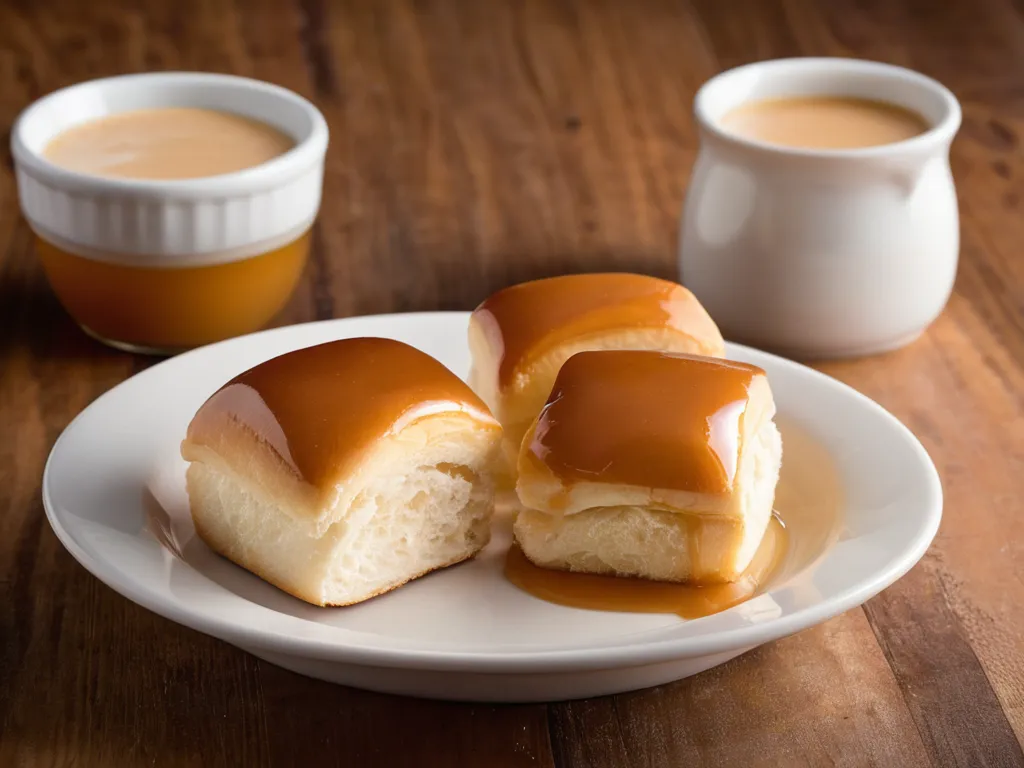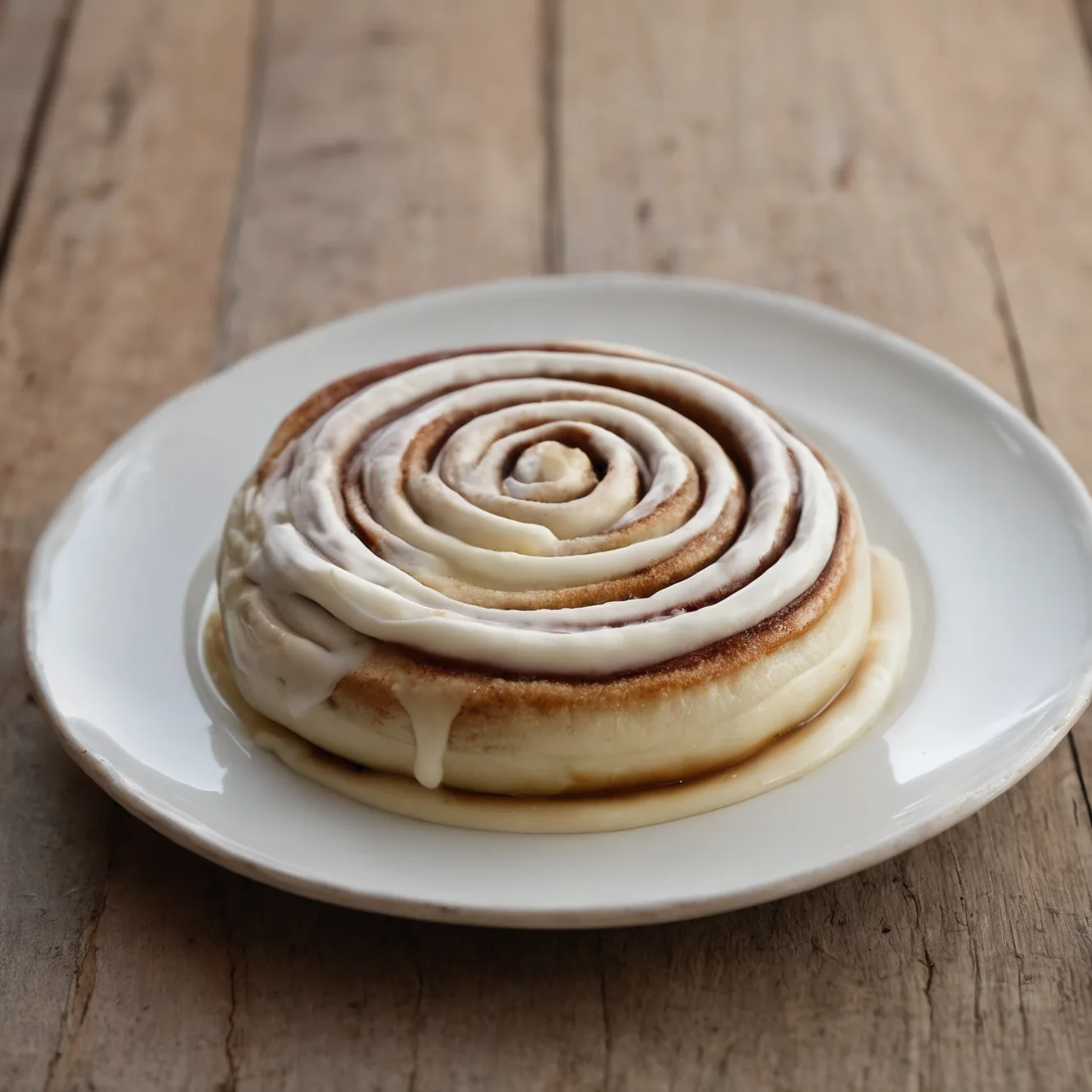

Cheddar’s Scratch Kitchen Honey Butter Croissants (The Free Ones, Made at Home)
Cheddar’s Scratch Kitchen welcomes every dine-in table with a free honey butter croissant — the first one is on the house (additional croissants are $1.99 for two). They’re baked fresh in-house throughout the day — the restaurant’s name isn’t accidental — and finished with warm honey butter that soaks into the layers while the pastry is still hot. At home, you can make a full basket of eight for about $4 in ingredients.
The key is rough puff pastry. It’s faster than full croissant dough — no overnight proof, no yeast — but the technique of folding cold butter through the flour creates the same laminated layers that give a croissant its pull-apart structure. Each fold multiplies the butter layers inside the dough; each layer steams open in the oven into the thin, flaky sheets that make this different from any dinner roll.
Why Rough Puff Works
Full croissant dough requires a yeast-leavened dough laminated with a butter block, proofed for 12 to 24 hours, and shaped with precision. It’s a technically demanding process that produces an extraordinary croissant — but it’s a two-day project.
Rough puff pastry skips the yeast and the overnight proof. Instead of a precise butter block, you work cold butter cubes directly into flour until they flatten but don’t fully incorporate, then repeatedly fold and rest the dough to build layers. The result isn’t identical to a French pâtisserie croissant — the layers are coarser, the rise is less dramatic — but it produces a flaky, laminated pastry that no other 2-hour method can match.
The critical rule at every step: keep the butter cold. Warm butter absorbs into the flour rather than remaining in distinct layers. If your kitchen is warm, chill your mixing bowl. Chill the flour. Keep butter in the refrigerator until the exact moment you add it to the dough. Work quickly and don’t hesitate to return the dough to the refrigerator if it starts to feel soft or oily.
The Honey Butter Application: Timing Is Everything
The honey butter is simple — butter, honey, salt — but the moment of application matters as much as the ingredients. The recipe calls for applying it the instant the croissants come out of the oven, and there’s a physical reason: a just-baked croissant is full of steam. As it cools, that steam condenses and the air pressure inside the pastry drops slightly below ambient. Warm butter applied in that window gets drawn into the layers by capillary action as the pressure equalizes. The result is honey butter woven through the interior, not just coating the surface.
The window is about 3 to 5 minutes. After that, the croissants have cooled enough that the draw-in effect stops and you’re just coating the outside. A 30-second drizzle immediately out of the oven beats a careful brush application 10 minutes later.
Cost Comparison: Cheddar’s vs. Homemade
| Cheddar’s | Homemade (8 croissants) | |
|---|---|---|
| First croissant | Free with dine-in visit | |
| Extra croissants | $1.99 per two | Already made — eat all 8 |
| Drive time + wait | 20+ min for seated service | 0 min — in your kitchen |
| Honey butter quality | Consistent, very good | Adjustable (use better honey) |
Cheddar’s gives you one croissant free and charges $1.99 for each additional two — so a table that wants a real basket is paying for it. At home, eight cost about $4 total. The from-scratch version also uses better butter and real honey than a chain can deploy at scale, which means the home version, done carefully, actually improves on the restaurant. The shortcut version (crescent roll dough) costs about $6 for two cans and takes 30 minutes; it doesn’t replicate the layers but delivers the honey butter flavor in a format that works for weeknight baking.