


Honey Butter Skillet Cornbread — The TikTok Version That Gets the Bottom Crispy
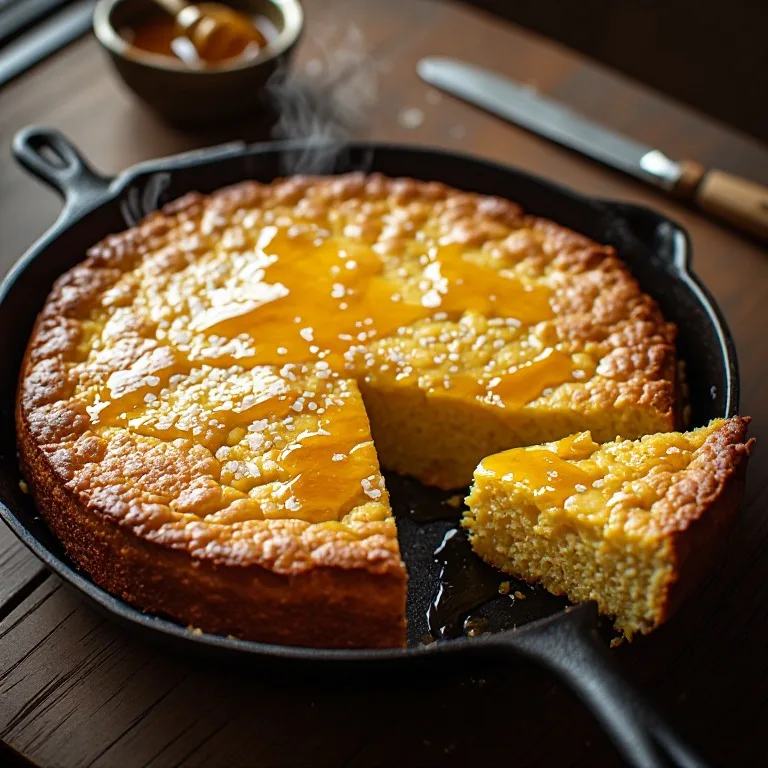
Honey butter cornbread has existed in American kitchens for generations, but TikTok made one specific version of it impossible to ignore: the cast iron skillet build, where the batter sizzles audibly when it hits the preheated pan, and the finished bread comes out with a dark, crispy base and a glossy honey butter glaze that pools and soaks as you watch. The videos are compelling because the technique is real — the hot pan does something a room-temperature baking dish cannot.
This recipe is not a copycat of any one restaurant’s dish. It’s the canonical TikTok version, which is itself a synthesis of Southern skillet technique and a very sweet, very buttery finishing move.
The Hot Skillet Technique — Why It Makes the Difference
Most cornbread recipes tell you to grease the pan and fill it at room temperature. That approach produces a cornbread with a soft, steamed bottom — fine, but not special. The TikTok technique reverses the sequence: the skillet goes into the oven empty while it preheats, so by the time the batter arrives, the pan is 400°F throughout.
When the 2 tablespoons of cold butter hit a 400°F pan, they melt and brown in about 5 seconds. When the batter hits the hot butter, the bottom layer sets immediately — it doesn’t slowly cook from above, it sears from below. The result is a bottom crust that’s almost fried: slightly chewy, deep golden brown, and structurally distinct from the soft interior.
Two important execution points:
Move fast. After the butter hits the pan, you have about 15 seconds before it starts to burn. Have the batter ready to pour before you take the skillet out of the oven — not half-mixed on the counter.
Don’t tilt the pan too long. Swirling the butter to coat the sides is correct, but swirling more than twice means the butter is already browning fast. Pour the batter in while it’s still slightly bubbling, not after it’s darkened to brown.
Sweet vs. Savory — and Why TikTok Picked the Middle Ground
The ongoing debate in American cornbread culture is whether it should contain sugar. Traditional Southern cornbread contains none — it’s a savory bread made for dunking in bean soup and absorbing pot likker. The Northern style (and the boxed Jiffy style) is sweet enough to resemble a muffin. Both camps have strong opinions.
The TikTok honey butter cornbread doesn’t fully commit to either. The batter has ¼ cup of sugar — enough to produce a slightly sweet, cake-like crumb — but the honey butter topping is where the real sweetness comes from. The bread itself reads savory; the topping is dessert-adjacent. This is why the combination works and why it travels well as a Thanksgiving side: it can sit next to a turkey and a green bean casserole without seeming out of place, but it also holds its own for dessert with a scoop of vanilla ice cream.
To dial it toward the savory end, reduce the sugar in the batter to 1 tablespoon. To push it sweeter (which works well if you’re serving it alone or as a dessert bread), add 2 tablespoons of honey directly into the batter alongside the wet ingredients.
The Honey Butter Timing — Pour It Hot
The honey butter should go on within 30 seconds of the cornbread leaving the oven. The bread needs to be steaming for the butter to absorb properly; if you let it cool for 10 minutes first, the surface firms up and the topping sits on top instead of soaking in.
The ratio is 4 tablespoons of butter to 3 tablespoons of honey — this makes the topping taste like honey (not just sweet butter) without crossing into candy-sweet territory. The flaky sea salt on top is not optional: it provides contrast to the honey and lifts the whole flavor of the dish. A generous pinch is correct; a shy sprinkle is not enough.
Topping variations:
- Hot honey (Mike’s or similar) in place of plain honey, same amount — the heat builds slowly and plays well against the richness
- Brown butter instead of regular melted butter — nutty, more complex, very good
- A tablespoon of maple syrup in place of one tablespoon of honey — particularly suited to Thanksgiving
Make-Ahead and Leftovers
Bake the day before: The cornbread holds well at room temperature (covered) for 24 hours. When ready to serve, warm it at 300°F for 8 to 10 minutes, then make a half-batch of fresh honey butter and pour it on again — this revives the glaze and refreshes the bread.
For Thanksgiving: Bake the cornbread up to 2 days ahead. Reheat at 300°F wrapped loosely in foil for 10 minutes, uncover for the last 3 minutes to refresh the edges, then finish with warm honey butter. This is easier than last-minute skillet baking and produces nearly identical results.
No-buttermilk substitution: Measure 1 cup of whole milk and add 1 tablespoon of white vinegar or lemon juice. Stir and let it sit for 5 minutes — it will curdle slightly. This works as a direct 1:1 replacement for buttermilk in this recipe.
What to Serve It With
The natural pairings for honey butter skillet cornbread are the same things Thanksgiving and fall cooking center around:
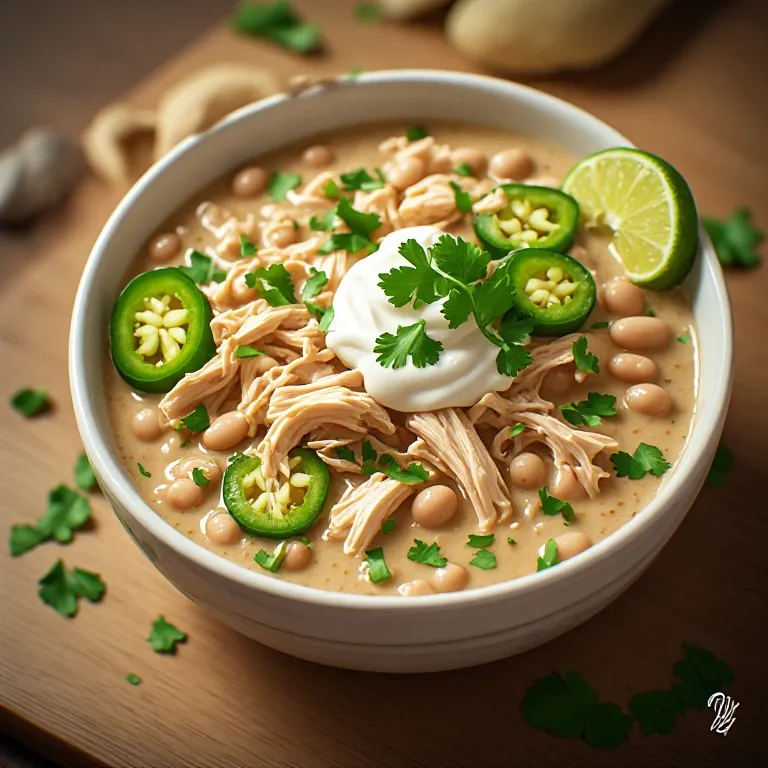
- Soups and chilis: The bread is dense enough to hold up to thick, creamy soups like broccoli cheddar or zuppa toscana. For white chicken chili, the sweet-savory contrast is excellent — the chile heat and the honey balance directly.
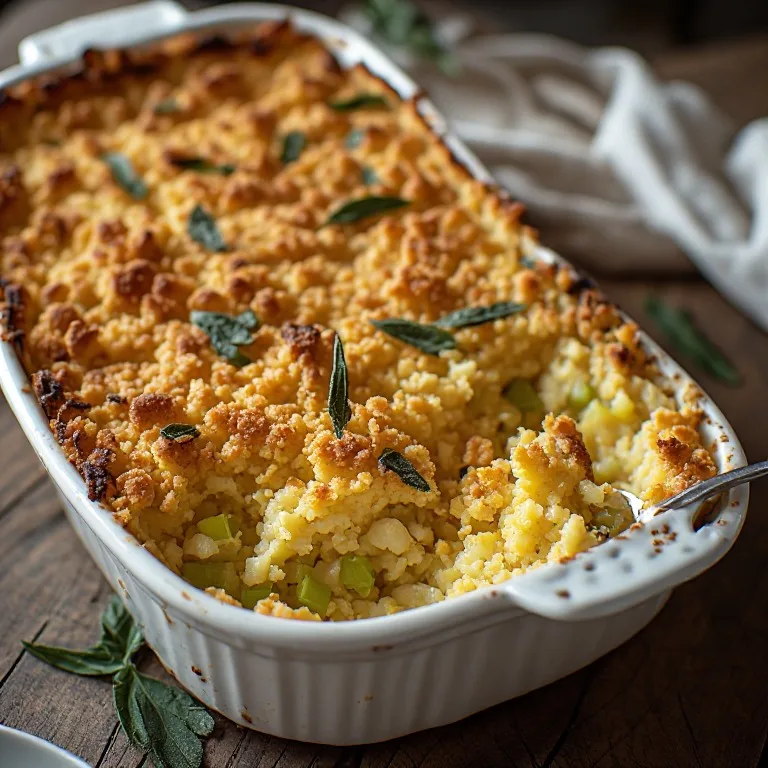
- Thanksgiving table: Cracker Barrel-style cornbread dressing uses a dry, savory cornbread as a base, so these two dishes don’t compete. The skillet cornbread serves alongside roasted meats and casseroles.
- On its own: Warm from the oven with a little extra honey on the side and a cup of coffee is a legitimate breakfast. Don’t let anyone tell you otherwise.